President Trump voices strong support for Bitcoin and crypto assets, calling them “more important than any other industry.” This represents a clear shift from skepticism to advocacy, with in-depth analysis of the effects on U.S. regulatory policy, market movements, and investor behavior. The political and economic trend analysis also offers valuable insights for developing trading strategies on Gate.
Background: The Current State of the Cryptocurrency Market
In recent years, cryptocurrencies like Bitcoin have become a force that can no longer be ignored in global financial markets. As blockchain technology advances, digital assets are opening new possibilities for traditional financial systems. The growing participation of institutional investors and the development of regulatory frameworks by governments worldwide have transformed cryptocurrencies from speculative assets into a vital asset class.
In this context, statements from political leaders on cryptocurrencies have a major impact on market direction and investor sentiment. Notably, perspectives from a former U.S. president—leader of a major economic power—serve as crucial signals that capture global attention.
Trump’s Key Statement: “Far More Important Than Any Other Industry”
Former U.S. President Donald Trump delivered a landmark statement on the cryptocurrency sector. He declared that Bitcoin and other digital currencies are “far more important than any other industry,” underscoring the strategic significance of cryptocurrencies.
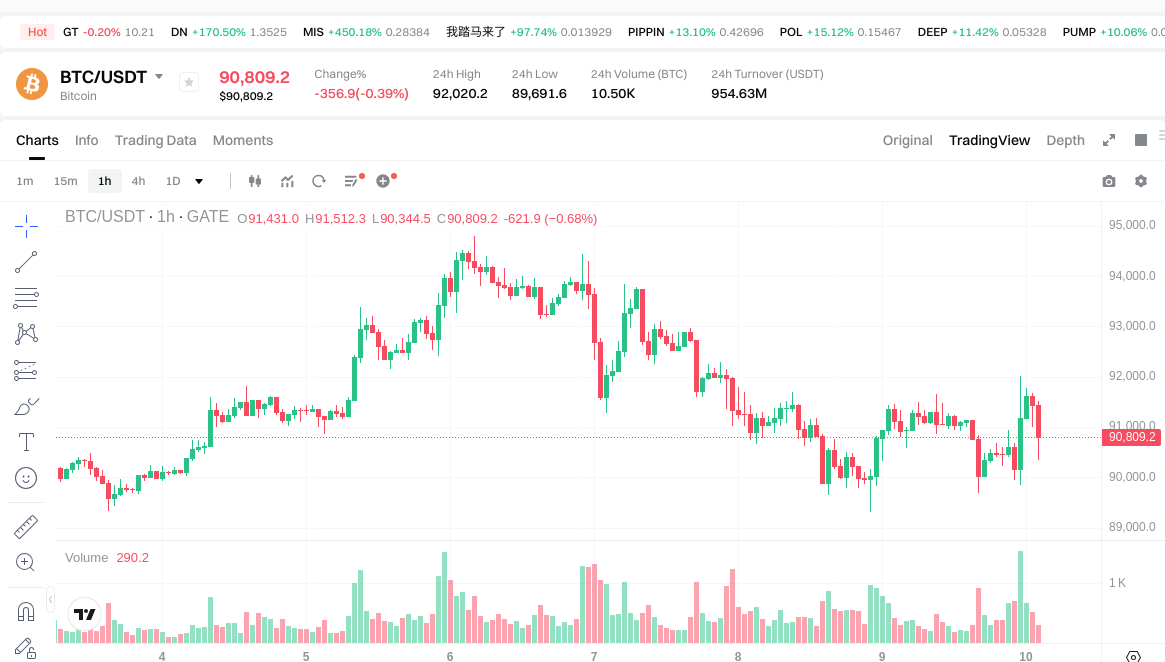
His remarks highlight an awareness of the major role digital assets now play in the modern economy. Trump recognizes the potential for cryptocurrencies to drive technology innovation, broaden financial inclusion, and fuel economic growth. He also addressed the need for the United States to maintain its global leadership in the cryptocurrency sector.
A Notable Shift in Stance: From Skeptic to Advocate
Trump’s latest comments mark a significant turnaround in his stance on cryptocurrencies. He previously voiced skepticism, citing concerns about the lack of regulation, extreme volatility, and potential for criminal use with digital currencies like Bitcoin.
However, as the crypto market has matured, institutional investors have entered at scale, and the real-world application of blockchain technology has progressed, Trump’s view has shifted dramatically. This policy reversal reflects the reality that crypto is being integrated into mainstream finance and has become an economic and technological force that policymakers simply cannot ignore.
Impact on Markets and Policy
Trump’s statements could meaningfully shape public opinion and policy debates around digital assets. When influential politicians take a positive stance, it boosts the legitimacy of cryptocurrency, encouraging greater participation from both investors and businesses.
On the regulatory front, Trump’s comments may influence the trajectory of crypto regulation in the United States. They suggest the need for balanced rules that encourage innovation while ensuring proper oversight, rather than imposing overly restrictive measures. Policymakers worldwide monitor U.S. actions closely, so these statements could have ripple effects on international crypto policy discussions as well.
In the markets, endorsements from high-profile figures like Trump can improve investor sentiment and drive positive price action in cryptocurrencies. For institutional and conservative investors, lower perceived political risk becomes a crucial factor when evaluating new opportunities.
Rising Importance in the Global Financial System
Trump’s remarks spotlight the growing importance of digital assets within the global financial system. Cryptocurrencies such as Bitcoin are no longer limited to tech enthusiasts or speculators—they are becoming core components of the worldwide financial landscape.
The emergence of Central Bank Digital Currencies (CBDCs), mainstream adoption of stablecoins, and rapid growth in decentralized finance (DeFi) are fundamentally reshaping how financial services are delivered. Additionally, Bitcoin is increasingly recognized as a hedge against inflation and as a tool for faster, more efficient cross-border payments, highlighting its practical value.
Outlook
The future of cryptocurrencies and digital assets stands at a pivotal intersection of technological innovation and regulatory development. Endorsements from influential figures like Trump are likely to speed up mainstream adoption.
Looking ahead, governments must establish clear regulatory frameworks for crypto, striking a balance between innovation and consumer protection. Enterprises and financial institutions will continue to seek ways to integrate digital assets into their business models. As the crypto market matures, investors can expect greater diversity in both investment opportunities and risk management tools.
Trump’s comments make it clear that crypto is not just a short-lived trend—it’s part of a sweeping, long-term transformation in the structure of economies and financial markets. The significance of digital assets will only increase, with their influence in the global economy set to expand even further.
FAQ
What is the background and reasoning behind Trump declaring Bitcoin a key industry?
Trump has outlined a strategic vision to make the United States the global capital of cryptocurrency. By positioning Bitcoin as a key industry, he aims to reinforce U.S. leadership in financial innovation, accelerate economic growth, and spur job creation.
How will this declaration affect the price of Bitcoin and other cryptocurrencies?
This declaration is likely to boost market sentiment and drive up the prices of Bitcoin and other cryptocurrencies. Government recognition as a key industry attracts institutional capital, increases trading volume, and puts upward pressure on prices.
How will the regulatory environment change if the United States recognizes Bitcoin as a key industry?
If the United States recognizes Bitcoin as a key industry, regulations are likely to become stricter, with greater emphasis on transparency and governance. Crypto’s status as a financial product will be reinforced, making the introduction of ETFs and separate tax treatment more probable.
How do Trump administration crypto policies differ from previous administrations?
The Trump administration has shifted from the Biden administration’s stricter regulatory stance to a more collaborative policy. This includes considering a strategic Bitcoin reserve, clarifying regulations, advancing stablecoin legislation, banning debanking, and halting CBDC evaluation—positioning digital assets as a key industry and rapidly rolling out supportive measures.
What opportunities does this declaration create for the adoption and development of the crypto industry?
Trump’s declaration as a key industry brings regulatory clarity and accelerates institutional involvement. With the approval of spot Bitcoin ETFs in the U.S. and the rise of Bitcoin treasury companies, the crypto asset market is growing rapidly. This momentum also creates significant growth opportunities for Japanese industry, supports Web3 ecosystem development, and strengthens international competitiveness.
* The information is not intended to be and does not constitute financial advice or any other recommendation of any sort offered or endorsed by Gate.