The U.S. government is conducting a major Bitcoin auction involving assets seized from Ryan Farace, a dark web criminal prosecuted for illegal drug distribution through Silk Road. This action stems from the 2013 shutdown of Silk Road, the infamous darknet marketplace that pioneered cryptocurrency use in illicit commerce. The government has confiscated approximately 2,934 BTC valued at $133 million from this case alone. Currently, the U.S. government holds over 200,000 Bitcoin (valued at $5 billion) acquired through law enforcement seizures. This auction demonstrates how federal agencies liquidate forfeited cryptocurrency assets through public bidding processes. The article explores the historical context of Silk Road, government cryptocurrency holdings, auction mechanics, and market implications of large-scale Bitcoin liquidation by institutional entities like the Department of Justice.
DOJ Charged Farace in 2018 After Silk Road Bust
The U.S. Department of Justice charged Ryan Farace in 2018 for illegally distributing Xanax through dark web marketplaces. This case represents one of the significant enforcement actions taken against individuals who exploited anonymous online platforms for illicit drug trafficking.
According to the DOJ's official records, Farace conducted his operations by selling controlled substances on the dark web and accepting Bitcoin as the primary payment method. Operating under the pseudonym "Xanaxman," Farace admitted during his plea agreement that he utilized the notorious Silk Road marketplace to facilitate his illegal drug distribution network.
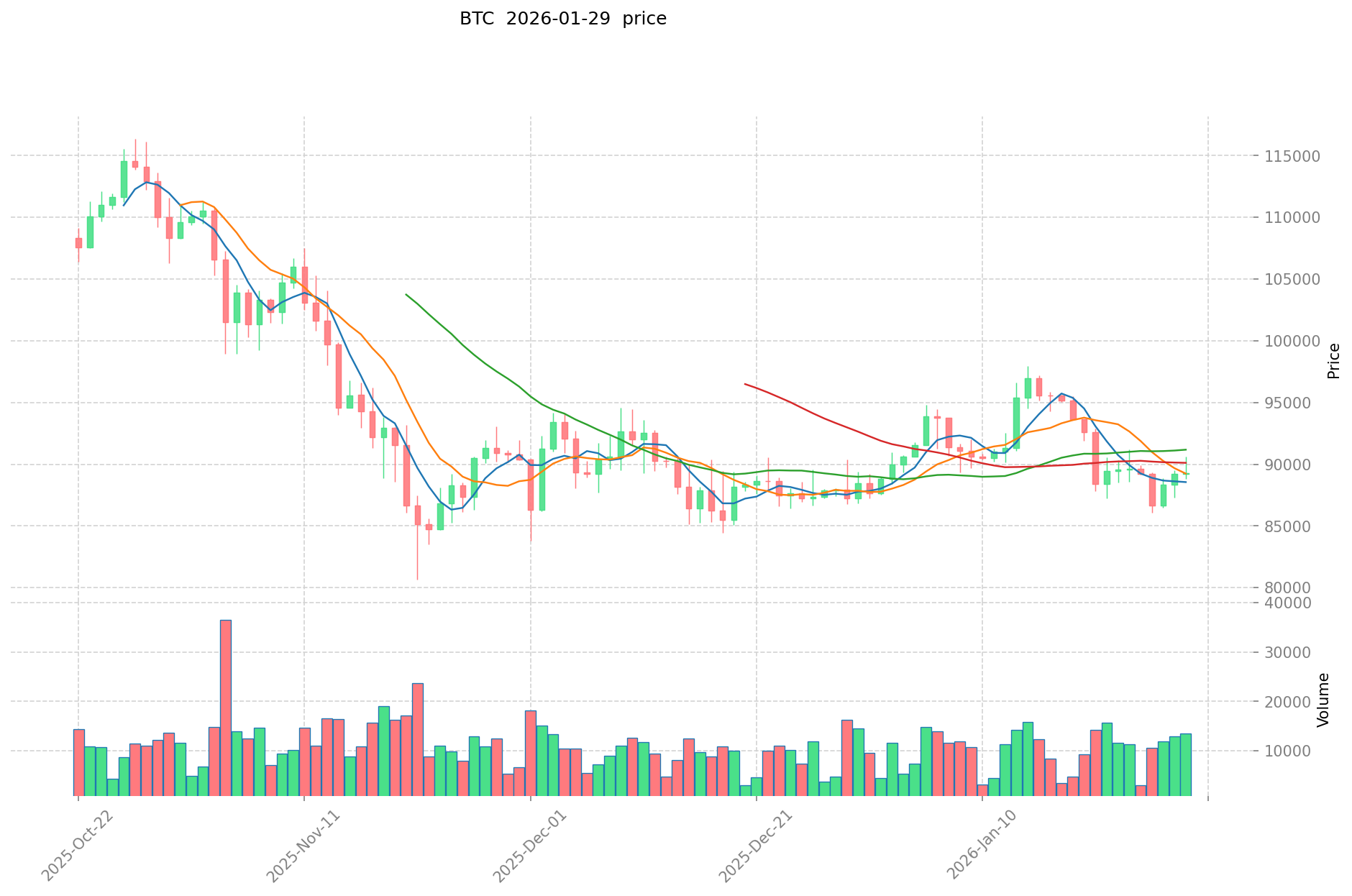
The government's investigation revealed that Farace, along with Sean Bridges, accumulated approximately 2,875 BTC through these illegal activities, which were subsequently seized by federal authorities in 2021. An additional 59 BTC belonging solely to Farace was also confiscated during the enforcement action.
In a related prosecution, the U.S. Attorney's Office announced that both Ryan Farace and his father, Joseph Farace, received prison sentences for conspiracy to commit money laundering. This case highlights the government's comprehensive approach to prosecuting not only the primary offenders but also those who assisted in concealing the proceeds of criminal activities.
The government's auction notice, filed on January 8, specified that any parties claiming interest in the forfeited property have a 60-day window to submit their claims. At the time of the filing, the total value of the seized Bitcoin was estimated at approximately $133 million, demonstrating the substantial financial scale of these dark web operations.
This auction follows a U.S. appeals court's decision in December to finalize the forfeiture mandate for 69,370 Bitcoins connected to the defunct Silk Road marketplace, representing one of the largest cryptocurrency seizures in federal law enforcement history.
What Is the Silk Road?
The Silk Road was an infamous online black market that operated from 2011 until its shutdown by the FBI in October 2013. This dark web marketplace gained notoriety as one of the first large-scale platforms where illegal goods and services were traded using cryptocurrency.
The marketplace was primarily known for facilitating the sale of illegal drugs, including narcotics, prescription medications, and other controlled substances. However, the platform also hosted listings for various other illicit goods and services, making it a comprehensive underground economy.
What distinguished Silk Road from traditional criminal marketplaces was its pioneering use of Bitcoin as the primary transaction medium. This marked one of the earliest instances where Bitcoin gained widespread attention, albeit for illicit purposes. The platform's use of cryptocurrency, combined with the Tor network for anonymity, created a seemingly secure environment for illegal transactions.
According to a comprehensive analysis by blockchain intelligence firm Elliptic, Silk Road generated total commission revenues of approximately 614,000 BTC throughout its operational period. This figure represents only the platform's fees, not the total volume of Bitcoin transacted, indicating the massive scale of illegal commerce facilitated through the marketplace.
The platform's founder, Ross Ulbricht, was arrested in 2013 and is serving a life sentence without the possibility of parole. His case became a landmark prosecution in the emerging field of cryptocurrency-related crime and established important legal precedents for how digital assets are treated in criminal proceedings.
The Silk Road case fundamentally changed how law enforcement agencies approach cryptocurrency investigations and demonstrated that blockchain transactions, despite common misconceptions about anonymity, can be traced and used as evidence in criminal prosecutions.
US Government Owns Over $5 Billion Bitcoin
The U.S. government has emerged as one of the largest institutional holders of Bitcoin, with an estimated portfolio of approximately 200,000 coins valued at over $5 billion. This substantial accumulation of digital assets has occurred primarily through law enforcement seizures related to criminal investigations and prosecutions.
These digital assets were confiscated from various sources, including cybercriminals, darknet marketplace operators, and individuals involved in money laundering schemes. The seized cryptocurrencies are stored securely offline in encrypted hardware wallets, with custody distributed across multiple federal agencies including the Department of Justice, the Internal Revenue Service, and other law enforcement bodies.
The management and disposition of these Bitcoin holdings have become a topic of significant interest within the cryptocurrency trading community. Any decision by the government to liquidate portions of this substantial holding could potentially influence market prices and create ripple effects throughout the digital asset ecosystem, which has grown to represent a trillion-dollar market.
However, the government's approach to managing these assets differs fundamentally from typical market participants. Federal agencies do not engage in market speculation or attempt to time their transactions for optimal pricing. Instead, their actions are governed by legal processes and judicial timelines.
Jarod Koopman, the executive director of the IRS's cyber and forensics services section, explained to the Wall Street Journal that the government's cryptocurrency transactions are dictated entirely by the progression of legal proceedings rather than market conditions. This approach ensures that asset management decisions remain focused on legal compliance rather than financial optimization.
Recent high-profile seizures have added more than 200,000 Bitcoins to federal holdings. Even after conducting several auctions to liquidate portions of these assets, the remaining government-held Bitcoin is valued at over $5 billion. Industry analysts suggest that the actual total may be even larger when accounting for assets still tied up in ongoing legal proceedings.
The government's substantial Bitcoin holdings represent a unique intersection of law enforcement, legal proceedings, and cryptocurrency markets, creating an unprecedented situation where federal agencies have become major stakeholders in the digital asset ecosystem through their enforcement activities rather than investment decisions.
FAQ
What is Silk Road and why does the U.S. government own these bitcoins?
Silk Road was an illegal darknet marketplace shut down by the FBI in 2013. The U.S. government acquired these bitcoins through seizures from criminal activities and asset forfeiture during the investigation and prosecution of the platform's operators.
How does the U.S. Government auction confiscated Bitcoin? Can ordinary people participate in the bidding?
The U.S. Government conducts public auctions for confiscated Bitcoin with no minimum purchase requirements. Anyone can participate in bidding for these assets, including individual investors and institutions.
How will the government's auction of $117 million in Bitcoin impact Bitcoin's price?
The auction may cause short-term price volatility and affect market sentiment. However, the overall impact is likely limited due to the market's absorption capacity. Long-term price movement depends more on broader market fundamentals than this single event.
Has the U.S. Government conducted other cryptocurrency asset auctions historically?
Yes, the U.S. Marshals Service (USMS) has previously auctioned confiscated Bitcoin from various law enforcement seizures. These auctions have been conducted over multiple occasions as part of the government's asset liquidation process.
What is the difference between buying government-auctioned Bitcoin and regular purchases?
Government-auctioned Bitcoin originates from seized assets with established legal provenance, whereas regular purchases involve direct market transactions. Government auctions offer transparency and institutional backing, potentially providing assurance on asset legitimacy and regulatory compliance compared to standard market acquisitions.
* The information is not intended to be and does not constitute financial advice or any other recommendation of any sort offered or endorsed by Gate.