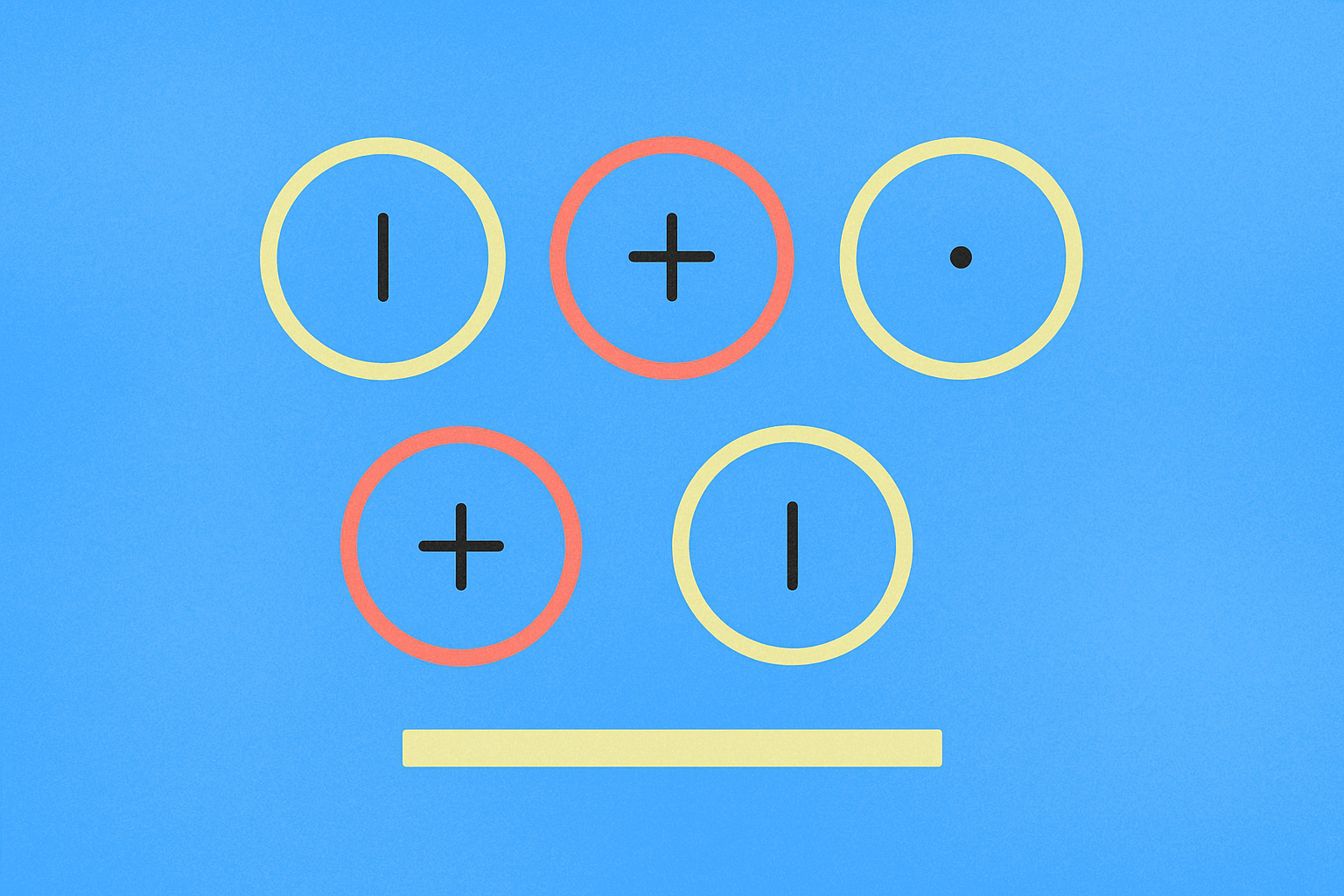
This comprehensive guide explores Doji candlestick patterns, a crucial technical analysis tool where opening and closing prices are identical or nearly equal, signaling market equilibrium between buyers and sellers. The article covers five distinct Doji variations—Neutral, Long-Legged, Dragonfly, Gravestone, and 4 Price Doji—each with unique characteristics for identifying potential trend reversals and consolidation phases. It emphasizes that while Doji patterns excel at spotting early reversal signals, traders must never rely on them in isolation; instead, combine Doji analysis with volume indicators, support/resistance levels, and momentum oscillators for robust trading strategies. The guide addresses key risks of misinterpretation and highlights that reliability increases significantly when Doji patterns are confirmed by additional technical indicators, making them valuable components of comprehensive market analysis on platforms like Gate rather than standalone trading signals.
What Is a Doji Candlestick Pattern?
The Doji candlestick pattern is a distinctive formation that occurs when the market's opening and closing prices are identical or extremely close to each other. This unique characteristic makes Dojis particularly valuable indicators in technical analysis, as they suggest a significant level of uncertainty and equilibrium between bullish and bearish traders in the market.
In fundamental terms, a Doji candlestick pattern signals that buyers and sellers have reached a state of balance, effectively offsetting one another's influence on price movement. Buyers attempt to drive the asset's value upward through their purchasing activities, while sellers simultaneously exert downward pressure through their selling actions. These two opposing forces create a dynamic equilibrium that manifests visually on the chart.
The formation of a Doji candlestick pattern occurs when these two groups of traders impact the price through their trading activities during a specific time period. The pattern represents the minimal difference between the opening and closing prices, which is reflected through the body of the candle. For instance, if the Bitcoin market opens at $20,000 and closes at the same price or very close to it during a trading session, this creates a Doji pattern on the chart.
The term "Doji" originates from the Japanese language, where it translates to "blunder" or "mistake." This naming convention refers to the rarity of having matching or nearly matching opening and closing prices in financial markets. The linguistic origin reflects the pattern's significance as an unusual occurrence that demands trader attention. As such, the Doji candlestick pattern meaning is fundamentally defined as representing the indecision and equilibrium between bulls and bears in the financial market, serving as a neutral zone where neither buying nor selling pressure dominates.
How Does the Doji Pattern Work?
The Doji candlestick pattern serves as an invaluable signal for traders seeking to examine and understand prevailing market conditions. This importance stems from the fact that experienced traders consistently utilize historical data and real-time price movement analysis to identify meaningful trading signals and potential opportunities.
In practical application, the context surrounding a Doji pattern's appearance significantly influences its interpretation. For example, when the overall market exhibits bullish characteristics and a Doji candlestick pattern suddenly appears, it signals a state of neutrality and indecision among market participants. This shift in market dynamics could indicate that the existing upward trend is losing momentum and may be approaching a reversal point. Consequently, traders often regard the Doji pattern as one of the key reversal patterns in technical analysis.
The same interpretive principle applies in the opposite market direction. When prices are declining in a bearish trend and a Doji formation emerges, it potentially signals that the downward momentum has exhausted itself and the selling pressure may be coming to an end. This could present an opportunity for a trend reversal or at least a temporary pause in the decline.
However, it is crucial to emphasize that traders should never base their trading decisions solely on the formation of a Doji candlestick pattern. A single technical indicator, regardless of its historical reliability, can never provide sufficient information to form a robust and dependable trading strategy. Professional traders always employ multiple indicators and analytical tools when performing comprehensive technical analysis. This multi-indicator approach helps confirm signals, reduce false positives, and increase the probability of successful trades. Combining Doji patterns with other technical indicators such as volume analysis, moving averages, support and resistance levels, and momentum oscillators creates a more complete picture of market conditions.
What Are the Types of Doji Candlestick Patterns?
The Doji candlestick pattern family includes several distinct variations, each with unique characteristics and interpretive significance:
Neutral Doji
The neutral Doji features an almost invisible body positioned in the middle of the candle, with upper and lower shadows of approximately equal length. This pattern emerges when bullish and bearish trends reach near-perfect equilibrium, creating a visual representation of market indecision. The challenge with this particular formation is that it typically doesn't provide a specific directional signal on its own. Traders may even misinterpret it as a trend continuation pattern rather than recognizing it as one of the potential reversal patterns, making additional confirmation essential.
Long-Legged Doji
The long-legged Doji is characterized by exceptionally long shadows extending both above and below the small body. This formation suggests that both buyers and sellers made aggressive attempts to control the price action during the trading period, yet they were evenly matched with neither side achieving dominance. When this formation occurs with the closing price positioned below the mid-point, it is generally considered a bearish signal, particularly when it appears near established resistance levels. Conversely, if the closing price settles above the mid-point, the pattern takes on bullish implications, suggesting potential upward movement.
Dragonfly Doji
The Dragonfly Doji represents a distinctive variation with a long lower shadow while the upper shadow is virtually non-existent. This configuration means that the opening, closing, and high prices all align at essentially the same level, creating a visual appearance resembling the letter "T." This pattern is interpreted as a strong buy signal when it materializes at the bottom of a downtrend, as it indicates that sellers pushed prices significantly lower during the session, but buyers managed to drive prices back up to the opening level by the close, demonstrating strong buying pressure and potential trend reversal.
Gravestone Doji
The Gravestone Doji stands as the exact opposite of the Dragonfly Doji in both appearance and interpretation. In this formation, the opening and closing prices coincide with the low point, creating an inverted "T" shape. This pattern suggests that bulls attempted to push prices higher during the session but ultimately failed to sustain the bullish momentum, with prices falling back to the opening level by the close. When this pattern appears during an uptrend, it is widely considered a bearish reversal pattern, signaling potential weakness in the prevailing upward trend and possible downward movement ahead.
4 Price Doji
The 4 Price Doji represents a unique and relatively rare pattern that typically forms during periods of extremely low-volume trading or on smaller timeframes. Visually, it appears as a simple horizontal line, indicating that all four price indicators—high, low, open, and close—remained at the same level throughout the entire period covered by the candle. This unusual formation essentially means the market experienced zero movement during that specific timeframe, reflecting either extreme low liquidity or a complete balance between buying and selling pressure.
Double Doji Strategy
The Double Doji Strategy involves the appearance of two consecutive Doji candlestick patterns. While a single Doji is regarded as a sign of market indecision, the occurrence of two consecutive Dojis represents an even more significant pattern with potentially powerful implications. This formation suggests prolonged indecision and equilibrium in the market, which often precedes a very strong breakout in either direction. Traders who identify this pattern often prepare for significant price movement, as the extended period of consolidation typically resolves with substantial momentum once the market chooses a direction.
What Are the Risks of Using the Doji Pattern?
The risks associated with relying exclusively on Doji candlestick patterns are largely comparable to those encountered when depending on any single technical indicator in isolation. Using this pattern alone as the basis for trading decisions is not advisable, as the Doji candle often presents a neutral appearance in most market contexts, potentially obscuring other crucial market information.
When traders rely solely on Doji patterns without considering additional market factors, they risk missing valuable information that could significantly impact their trading decisions. The pattern's neutral nature means it doesn't always provide clear directional guidance, potentially leading to premature entries or exits from positions.
The Doji candlestick pattern is inherently limited in the scope of information it provides. In many cases, it can be easily overlooked if traders don't actively monitor their charts for its appearance. The pattern's subtle nature, especially in the case of neutral Dojis with very small bodies, means it may blend into the overall chart pattern without drawing immediate attention.
Additionally, the interpretation of Doji patterns requires context from surrounding price action, volume, and other technical indicators. Without this broader context, traders may misread the pattern's implications, leading to incorrect trading decisions. However, these limitations don't diminish the pattern's value when used appropriately as part of a comprehensive technical analysis strategy.
Are the Doji Candlestick Patterns Reliable?
The Doji candlestick pattern can indeed serve as a reliable analytical tool, but its reliability is significantly enhanced when used in conjunction with other technical indicators rather than in isolation. The financial markets are complex systems where a single day of indecisiveness, as represented by a Doji, doesn't guarantee a trend reversal. The original trend, whether bullish or bearish, may simply resume after this brief period of equilibrium.
Traders operating in modern financial markets cannot afford to base their decisions on speculation or chance. This fundamental principle underscores why technical analysis exists as a discipline—to provide traders with data-driven signals about probable future price movements based on historical patterns and current market conditions.
This doesn't mean traders should disregard Doji candlestick patterns when they appear on their charts. Rather, the key to successful utilization lies in the confirmation process. Before taking action based on a Doji pattern, traders should seek corroboration from other technical indicators and market signals. This might include analyzing trading volume, examining support and resistance levels, consulting momentum indicators like RSI or MACD, or observing the broader market context.
Doji candlestick patterns excel at identifying the potential initial stages of a market reversal, primarily because their distinctive shape makes them relatively easy to spot on price charts. This visibility advantage allows traders to become aware of potential turning points early in their development. However, the pattern's appearance should serve as an alert rather than a definitive trading signal. Gathering additional supporting data from multiple sources before executing trades based on Doji patterns significantly increases the probability of successful outcomes and helps traders avoid false signals that could result in losses.
FAQ
What is a Doji candlestick pattern and what are its basic characteristics?
A Doji is a candlestick with nearly equal open and close prices, forming a cross or plus shape. Its key features include a small body, long upper and lower wicks, and occurrence at market turning points. Doji signals indecision between buyers and sellers, often indicating potential trend reversals or consolidation periods in price movements.
How to identify Doji patterns on candlestick charts? What are the different types of Doji?
Doji forms when open and close prices are nearly equal, creating a cross or plus shape. Key types include Standard Doji, Dragonfly Doji (long lower wick), and Gravestone Doji (long upper wick). Identify by minimal body and distinct wicks on candlestick charts.
What market signal does the Doji pattern represent? What state are buyers and sellers in?
The Doji candlestick signals market indecision, where opening and closing prices are nearly identical. Buyers and sellers are in equilibrium, neither side gaining control. This often indicates a potential trend reversal or consolidation phase, requiring confirmation from subsequent price action.
How to use Doji candlestick patterns for trading decisions in actual trading?
Doji signals indecision at support/resistance levels. Use it with volume and trend confirmation. Buy when Doji appears at support with rising volume; sell at resistance. Combine with other indicators for higher accuracy.
What are the limitations and risks of the Doji pattern? Is it reliable to trade using Doji alone?
Doji patterns have limitations as standalone indicators. They require confirmation from other technical tools and price action. Single Doji signals can produce false breakouts in choppy markets. Combining Doji with support/resistance levels, volume analysis, and trend confirmation significantly improves reliability and reduces trading risks.
* The information is not intended to be and does not constitute financial advice or any other recommendation of any sort offered or endorsed by Gate.