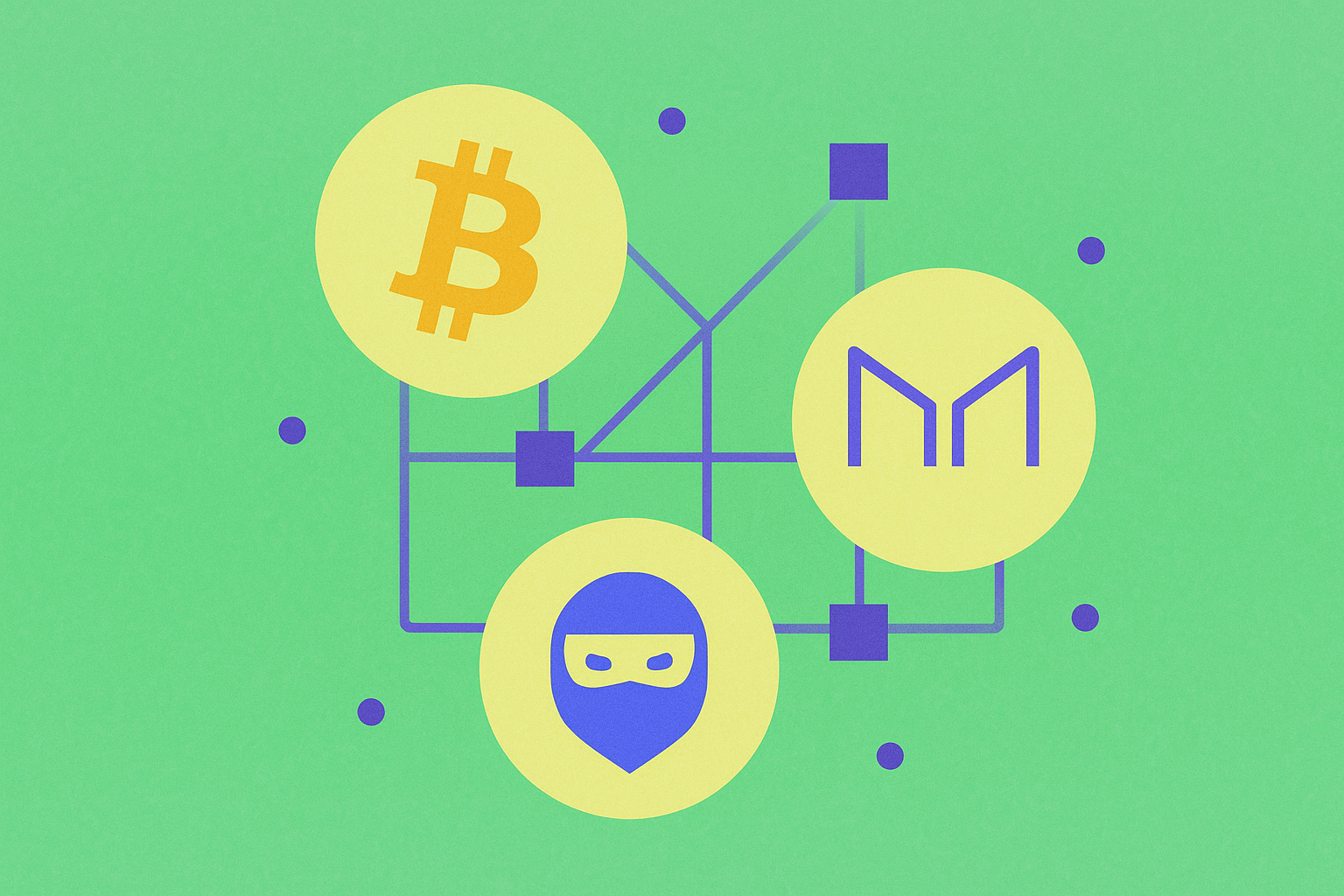
This comprehensive guide explores how Web3 and Decentralized Autonomous Organizations (DAOs) collaborate to drive decentralized innovation. Web3 represents a revolutionary blockchain-based internet enabling user data ownership, while DAOs serve as autonomous organizations operating through smart contracts and democratic governance. The article clarifies their relationship: Web3 is the foundational infrastructure, and DAOs are specific implementations within this ecosystem. Through real-world case studies including MakerDAO, Ninja DAO, and Bitcoin, readers discover how these technologies operate in practice. Japan's regulatory advances, including the Liberal Democratic Party's White Paper 2024 and legal reforms supporting Web3 startups, demonstrate growing institutional adoption. This guide equips investors and innovators with essential knowledge to participate in the transformative Web3 ecosystem, highlighting unprecedented opportunities created by technological innovation, regulatory clarity, and institution
What is Web3?
Web3 represents a revolutionary new form of the internet that leverages blockchain technology to enable users to manage data in a decentralized manner. This paradigm shift fundamentally changes how information is stored, accessed, and controlled online.
In contrast to Web2, which characterizes the current internet dominated by major tech companies like Google and Meta that operate centralized platforms and manage user data and content, Web3 distributes data across blockchain-based decentralized ledgers. This architectural difference creates a more democratic and user-centric internet ecosystem.
The main characteristics of Web3 include:
Decentralization: Data and content are stored on blockchain-based decentralized ledgers rather than centralized servers controlled by single entities. This distribution of information across multiple nodes ensures no single point of failure and enhances system resilience.
Non-Centralization: Instead of specific companies or organizations operating platforms, users themselves participate in and operate the network. This peer-to-peer architecture empowers individuals and reduces dependency on intermediaries.
Token-Based Economy: Cryptocurrencies, tokens, and NFTs (Non-Fungible Tokens) are utilized as digital assets, creating distinct economic and cultural spheres. These digital assets enable new forms of value exchange and community participation.
While Web3 is still in its developmental stage, it represents an innovative technology that could significantly transform the future of the internet. As blockchain technology matures and regulatory frameworks are established, we can expect further expansion and adoption of Web3 applications across various sectors.
What is DAO (Decentralized Autonomous Organization)?
DAO (Decentralized Autonomous Organization) differs fundamentally from traditional centralized organizations by utilizing blockchain technology to create a Web3-based community or organization that achieves autonomous decision-making. This innovative organizational structure represents a paradigm shift in how groups coordinate and operate.
In a DAO, rules and governance are defined through smart contracts - self-executing programs that automatically enforce predetermined conditions. Decision-making is conducted through voting by token holders, ensuring democratic participation and transparent governance processes.
The key characteristics of DAOs include:
Absence of Centralized Management: There are no organizational leaders or controllers. Organizational decisions are automatically executed through smart contracts written on the blockchain, eliminating the need for traditional hierarchical management structures.
High Transparency Based on Blockchain Technology: Participants can verify organizational decisions and fund flows in real-time through the blockchain. This transparency builds trust and accountability within the community.
Prevention of Data Tampering and Fraud: Managed by a decentralized network, the system is tamper-proof and operates automatically through smart contracts, eliminating human errors and fraudulent activities. The immutable nature of blockchain records ensures integrity.
DAOs enable a new organizational management system that is more democratic and transparent than traditional organizational forms. Often referred to as "the corporation of the Web3 era," DAOs are expected to be utilized in various forms as Web3 continues to develop and mature.
Understanding the Relationship Between Web3 and DAO
Web3 represents a new form of the internet that differs from traditional Web2, allowing users to freely manage their own data and identity. Meanwhile, DAO is a decentralized autonomous organization utilizing blockchain technology, expected to serve as a new organizational form in the Web3 era.
To clarify the relationship:
Web3: A broad concept representing "the general term for the next generation of the internet" - it encompasses the entire ecosystem of decentralized internet technologies and applications.
DAO: A "corporation, organization, or community" that operates on Web3 using blockchain technology - it represents one specific implementation within the broader Web3 landscape.
Web3 aims to realize an internet where users can manage their own data and content by utilizing technologies such as blockchain and DApps (Decentralized Applications), rather than relying on centralized platforms. This fundamental shift empowers users with control over their digital presence.
Conversely, DAOs are organizations that operate based on automated rules through programs called smart contracts, without depending on specific administrators or organizations. These autonomous entities can make collective decisions and manage resources without traditional centralized control.
In other words, within the broad concept of Web3, new systems and services such as DAOs, DeFi (Decentralized Finance), NFTs, cryptocurrencies, tokens, and DApps are being developed and deployed. Web3 serves as the foundational infrastructure upon which these innovative applications and organizational structures are built.
Representative DAO Case Studies
Let's examine some prominent DAO examples from around the world that demonstrate the practical applications of this technology.
Representative DAO Case Study 1: MakerDAO
MakerDAO is a DAO that issues DAI, a stablecoin pegged to the US dollar. Despite being a developing protocol, it has attracted significant attention due to its high level of completeness and innovative approach to decentralized finance.
Operating as a DApp on the Ethereum blockchain, MakerDAO allows users to generate a stablecoin called DAI through smart contracts on Ethereum. This mechanism enables users to create stable digital currency without relying on traditional financial institutions.
The stablecoin DAI issued by MakerDAO is utilized in various DeFi applications due to its stability and decentralization. Its consistent value proposition makes it an essential component of the decentralized finance ecosystem, serving as a reliable medium of exchange and store of value.
Representative DAO Case Study 2: Ninja DAO
Ninja DAO is a community-driven DAO where holders and fans of the CryptoNinja NFT project gather and collaborate. Founded in late 2021 by web marketer Ikehaya, this DAO has become one of the most successful examples of community-driven Web3 projects.
Within Ninja DAO, NFT holders can freely use "CryptoNinja" characters for commercial purposes - these characters are modeled after traditional Japanese ninjas and have been utilized across various media including NFTs, manga, games, anime, merchandise, music, and theatrical performances.
Notable achievements include the broadcast of the TV anime "CryptoNinja Sakuya" and the release of CNP trading cards. Ninja DAO represents one of the most autonomously operated DAOs in Japan, demonstrating how decentralized communities can create and manage valuable intellectual property.
Representative DAO Case Study 3: Bitcoin
Bitcoin can also be cited as an example of a DAO, representing perhaps the most fundamental and elegant implementation of decentralized autonomous organization principles. Announced in 2009 by an anonymous individual or group named Satoshi Nakamoto, Bitcoin is the world's first decentralized digital currency.
Bitcoin operates without central banks or government central administrators, using blockchain technology to enable peer-to-peer transactions among participants. This revolutionary system eliminates the need for trusted third parties in financial transactions.
Bitcoin's transaction history is recorded on a distributed ledger called the blockchain. This ledger is managed by numerous computers (nodes) distributed worldwide, with no specific administrator controlling the network. The consensus mechanism ensures network security and integrity.
Because there is no central administrator and participants autonomously conduct transactions on the network, Bitcoin is often called "the most beautiful DAO." Its elegant design demonstrates how decentralized systems can function effectively without centralized control.
Web3 and DAO Trends in Japan
Let's explore the latest developments regarding Web3 and DAO within Japan, which has emerged as a significant player in the global blockchain ecosystem.
Liberal Democratic Party's Web3 Project Team Announces "White Paper 2024"
The Liberal Democratic Party's Web3 Project Team (Web3 PT) has released its priority policy for the fiscal year, titled "White Paper 2024." This document presents new policies based on the domestic and international progress of Web3, clearly stating specific recommendations for the Web3 ecosystem to contribute to national development.
The white paper addresses the following key issues:
-
Application of separate taxation system for cryptocurrency trading: Implementing a more favorable tax treatment to encourage legitimate crypto trading activities.
-
Recognition of loss carryforward deduction from income for cryptocurrency losses (3 years): Allowing investors to offset cryptocurrency losses against future gains, similar to traditional securities.
-
Review of taxation legislation for cryptocurrency derivative transactions: Modernizing tax frameworks to accommodate the growing derivatives market.
-
Discussion on the feasibility and appropriateness of introducing cryptocurrency ETFs domestically: Evaluating the potential for regulated crypto investment products.
Furthermore, the Web3 PT proposes that discussions should be promoted in various fields for the further development of Web3. Various issues within the industry, including NFTs, DAOs, and stablecoins, are comprehensively addressed, raising expectations for future Web3 policies in Japan.
Japan has implemented legal reforms in its approach to Web3 and cryptocurrencies, demonstrating the government's commitment to fostering innovation while maintaining appropriate oversight. These legal reforms aim to promote venture capital (VC) investment in Japanese cryptocurrency and Web3 startups, creating a more favorable environment for blockchain innovation.
Tax reforms regarding held cryptocurrencies are also progressing in Japan. In recent years, corporations have been exempted from year-end mark-to-market valuation of cryptocurrencies issued by third parties, reducing administrative burdens and improving the business environment for crypto companies.
Financial institutions are also paying attention to this movement. SBI Holdings has announced plans to launch a fund worth approximately 100 billion yen targeting startups in the Web3, AI, and metaverse fields. This significant investment demonstrates institutional confidence in the sector's growth potential.
Through the government's "5-Year Startup Development Plan," Japan is solidifying its position as an important player in the global cryptocurrency market and strengthening its status as a major hub for startups. These comprehensive reforms position Japan as a leading jurisdiction for Web3 innovation.
Conclusion: Web3 and DAO Share an Intimate Relationship
This article has explained the relationship between Web3 and DAO, clarifying how these concepts interconnect and support each other in the evolving digital landscape. Web3 refers to a new form of the internet utilizing blockchain technology, representing a fundamental shift in how we interact with digital systems.
DAO refers to "corporations, organizations, and communities" that operate on Web3 using blockchain technology. While they are closely related concepts, they represent distinct ideas: within the broad concept of Web3, new systems and services such as DAOs and DeFi are being developed and deployed.
The legal framework regarding Web3 and DAO is being solidified in Japan as well, strengthening its position as an important player in the global cryptocurrency market. As Japan continues to develop its regulatory environment and support ecosystem, it positions itself as a leader in responsible Web3 innovation.
By following trends in Web3 and DAO in Japan and globally, we encourage you to actively invest in the Web3 market. The convergence of technological innovation, regulatory clarity, and growing institutional support creates unprecedented opportunities for participation in this transformative ecosystem.
FAQ
What is Web3? How does it differ from Web2?
Web3 is a decentralized internet where users own and control their data. Web2 is centralized, with platforms owning user data and value. Web3 emphasizes user sovereignty and data ownership.
What is a DAO (Decentralized Autonomous Organization)?
A DAO is a community-driven organization governed by code and smart contracts. Members hold tokens representing voting rights and collectively decide on proposals and resource allocation through transparent, blockchain-based voting without central leadership.
What is the relationship between Web3 and DAO? How do DAOs operate in Web3?
Web3's transparent ledger provides DAOs with a trustworthy decision environment, ensuring every vote is authentic and tamper-proof. DAOs convert Web3's technical capabilities into collective action, such as coordinating NFT projects and managing DeFi protocols.
How does DAO governance mechanism work?
DAO governance operates through smart contracts on blockchain, enabling transparent decentralized decision-making. Members hold governance tokens and participate in voting to collectively make decisions about fund allocation, protocol changes, and organizational operations without central authority.
What are some successful DAO cases in reality?
Notable successful DAOs include Constitution DAO, which raised over 47 million dollars in 72 hours, and MakerDAO, which manages substantial stablecoin reserves. Uniswap DAO governs the leading decentralized exchange protocol with billions in transaction value.
What conditions are required to join a DAO? How to participate in DAO decision-making?
Joining a DAO typically requires holding specific tokens or meeting entry criteria set by the DAO. To participate in decisions, you engage in governance votes and discussions. Most DAOs use proposal and voting mechanisms where token holders can propose ideas and vote on important matters affecting the organization.
What role do smart contracts play in a DAO?
Smart contracts automate DAO governance and decision-making, ensuring transparent and fair operations. They define rules, manage fund flows, and enable democratic voting mechanisms for decentralized autonomous management.
What are the main risks and challenges facing DAOs?
DAOs face key challenges including governance conflicts among members, inconsistent decision-making processes, smart contract vulnerabilities, and external security threats. Member misalignment on priorities and inadequate treasury management also pose significant risks to DAO sustainability and operations.
How to create and manage a DAO in Web3 applications?
Deploy a smart contract for member registration, issue governance tokens for voting rights, and establish voting mechanisms. Use platforms like Aragon or DAOstack to streamline deployment and management of treasury, proposals, and community governance.
What are the advantages and disadvantages of DAOs compared to traditional corporate governance?
DAOs offer transparency, decentralized decision-making, and global participation through blockchain. However, they face challenges including governance complexity, regulatory uncertainty, coordination difficulties among anonymous members, and lack of established legal frameworks compared to traditional companies.
* The information is not intended to be and does not constitute financial advice or any other recommendation of any sort offered or endorsed by Gate.