The UNIfication proposal represents a transformative governance initiative for Uniswap, a leading decentralized exchange on Gate, designed to reshape tokenomics and value distribution. This comprehensive framework activates a protocol fee switch, implements a 100 million UNI token retroactive burn mechanism, and consolidates ecosystem teams under unified growth strategy. The proposal addresses long-standing community concerns about UNI token holder value accrual through innovative mechanisms like the Token Jar and Fire Pit. By redirecting protocol fees to sustainable token burns while maintaining liquidity provider incentives via auction systems, Uniswap aims to create an aligned economic model benefiting all stakeholders. The consolidation streamlines governance structures while Uniswap Labs shifts from direct monetization to protocol-level growth. With substantial trading volumes exceeding $150 billion monthly and $229 million in fees, UNIfication positions Uniswap for sustainable DeFi ecosystem leadership
Understanding the Uniswap Protocol Burn and the 'UNIfication' Proposal
Uniswap, a leading decentralized exchange (DEX) in the cryptocurrency space, has introduced the 'UNIfication' proposal—a transformative governance initiative aimed at reshaping its tokenomics, governance, and monetization strategies. This groundbreaking proposal represents one of the most significant governance changes in DeFi history, seeking to activate a protocol fee switch, implement a large-scale UNI token burn mechanism, and consolidate ecosystem teams under a unified growth strategy.
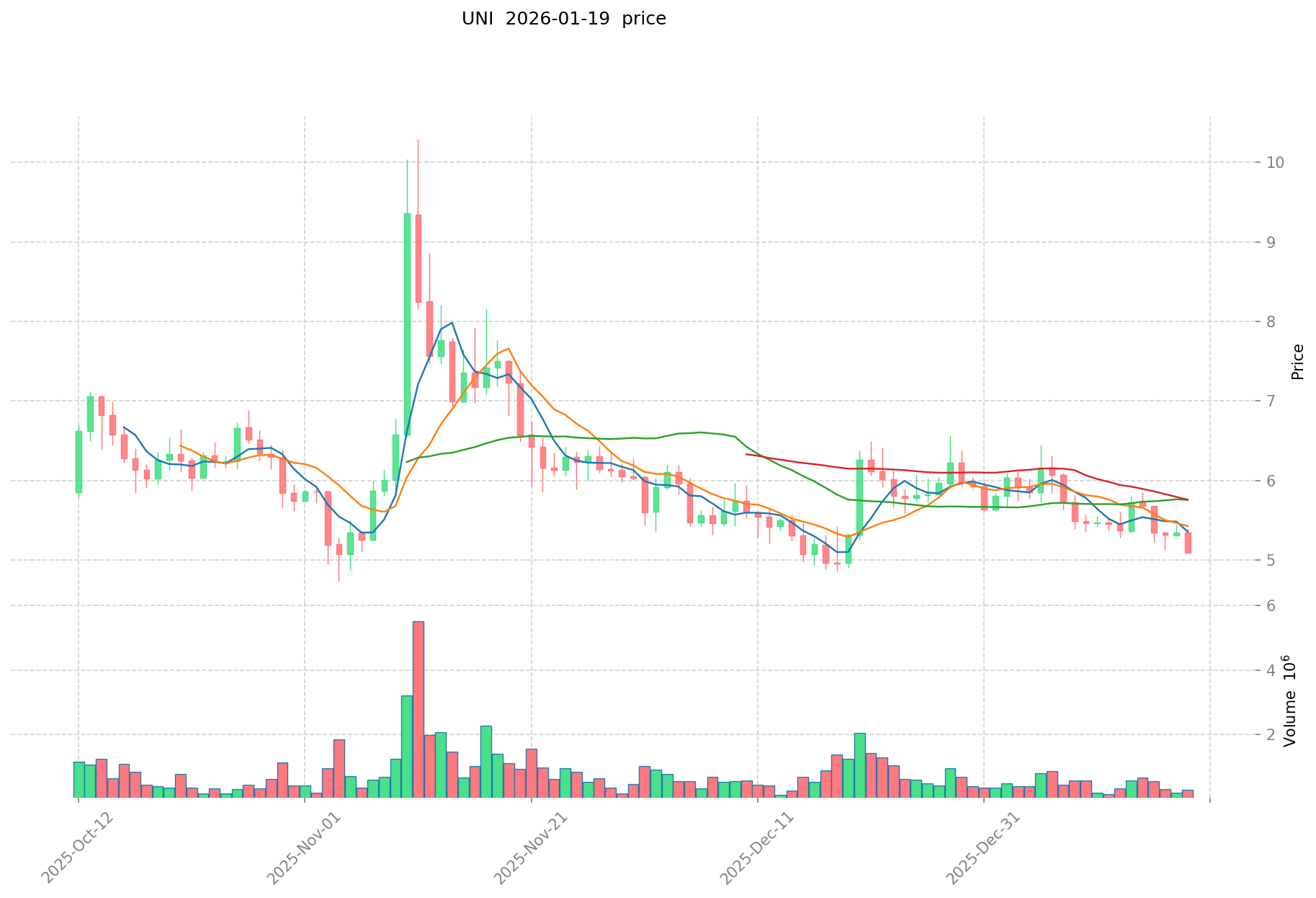
The 'UNIfication' proposal addresses long-standing community discussions about value accrual for UNI token holders. By introducing a systematic approach to token burns and fee redistribution, Uniswap aims to create a more sustainable economic model that benefits all stakeholders. This initiative demonstrates the protocol's commitment to evolving its governance framework while maintaining its position as a cornerstone of decentralized finance.
Let's explore the comprehensive details of this proposal and examine its potential impact on Uniswap's ecosystem and the broader DeFi landscape.
What Is the 'UNIfication' Proposal?
The 'UNIfication' proposal is a comprehensive governance framework designed to enhance Uniswap's operational efficiency and align its financial incentives with the interests of UNI token holders. This multi-faceted initiative represents a significant evolution in how decentralized protocols can create value for their communities while maintaining sustainable growth.
Key components of the proposal include:
-
Protocol Fee Switch Activation: This mechanism redirects a portion of trading fees to a UNI token burn mechanism while maintaining competitive incentives for liquidity providers. The fee switch has been carefully designed to balance protocol revenue generation with the need to keep liquidity providers engaged and rewarded.
-
Retroactive UNI Token Burn: The proposal includes burning 100 million UNI tokens retroactively, representing fees that could have been burned since the protocol's inception. This retroactive approach acknowledges the historical value generated by the protocol and redistributes it to token holders through supply reduction.
-
Ecosystem Team Consolidation: Uniswap Labs will absorb the Uniswap Foundation's ecosystem teams, streamlining governance structures and operational workflows. This consolidation aims to eliminate redundancies and create a more efficient organizational structure focused on protocol growth.
-
Monetization Strategy Shift: Uniswap Labs will cease monetizing its interface, wallet, and API services, focusing instead on protocol-level growth and creating direct benefits for UNI token holders. This strategic pivot demonstrates a commitment to community-first development.
These components work together to create a cohesive strategy that addresses tokenomics, governance efficiency, and long-term sustainability.
How Does the UNI Token Burn Work?
Central to the 'UNIfication' proposal is the UNI token burn mechanism, which aims to reduce the circulating supply of UNI tokens, potentially increasing their value through supply-demand dynamics. The burn mechanism represents an innovative approach to creating deflationary pressure on the token supply while maintaining protocol functionality.
Here's how the mechanism operates:
-
The 'Token Jar' Mechanism: UNI holders can voluntarily burn their tokens in exchange for equivalent crypto assets from the accumulated fee pool. This creates a direct incentive for token holders to participate in reducing the token supply while receiving tangible value in return. The token jar acts as a transparent repository where protocol fees accumulate before being distributed to participants who choose to burn their UNI tokens.
-
Protocol Fee Redistribution: A carefully calibrated portion of trading fees will be allocated to the UNI burn mechanism. To ensure continued liquidity provision, the protocol implements a Protocol Fee Discount Auction system that rewards liquidity providers through competitive bidding mechanisms. This ensures that liquidity providers remain incentivized even as some fees are redirected to the burn mechanism.
-
Retroactive Burn: The retroactive burn of 100 million UNI tokens addresses missed opportunities for token burns since the protocol's launch. This substantial burn represents years of accumulated value that will be redistributed to the community through supply reduction, creating immediate deflationary pressure.
The burn mechanism is designed to be sustainable and transparent, with clear governance processes for adjusting parameters as market conditions evolve.
Implications for Liquidity Providers and Token Holders
The activation of the protocol fee switch and the introduction of the UNI burn mechanism carry significant implications for both liquidity providers and token holders, creating a new economic equilibrium within the Uniswap ecosystem.
For Liquidity Providers:
The Protocol Fee Discount Auction ensures that liquidity providers remain competitively incentivized, even as a portion of fees is redirected to the burn mechanism. This innovative auction system allows liquidity providers to bid for fee discounts, creating a market-driven approach to fee distribution. The balance between protocol fees and liquidity provider rewards is critical for maintaining Uniswap's liquidity depth, which directly impacts trading efficiency and user experience.
Liquidity providers benefit from continued fee generation while contributing to the overall health of the protocol through the fee switch mechanism. The auction system creates transparency and fairness in fee distribution, ensuring that the most efficient liquidity providers receive appropriate compensation.
For Token Holders:
By systematically reducing the circulating supply of UNI tokens through the burn mechanism, the proposal could increase the value of remaining tokens through basic supply-demand economics. Long-term holders benefit from both the deflationary pressure and the potential for increased governance influence as the total supply decreases.
Additionally, token holders gain from the alignment of protocol revenues with token value, creating a more direct connection between Uniswap's success and UNI token appreciation. This alignment addresses a long-standing concern in DeFi governance about value accrual for token holders.
Consolidation of Uniswap Labs and the Uniswap Foundation
A pivotal aspect of the 'UNIfication' proposal is the strategic consolidation of Uniswap Labs and the Uniswap Foundation, representing a significant organizational restructuring aimed at improving operational efficiency and governance clarity.
This consolidation involves:
-
Absorption of Ecosystem Teams: Uniswap Labs will integrate the Uniswap Foundation's ecosystem development teams, creating a unified organizational structure. This integration eliminates duplicate efforts and creates clearer lines of responsibility for protocol development, community engagement, and ecosystem growth initiatives.
-
Grants Program Management: Remaining staff from the Uniswap Foundation will oversee a substantial $100 million grants program before the foundation's eventual closure. This grants program will continue to support ecosystem development, research initiatives, and community projects that contribute to Uniswap's growth and adoption.
The consolidation is expected to improve decision-making efficiency, reduce operational overhead, and create a more streamlined approach to protocol development. By bringing ecosystem teams under one organizational umbrella, Uniswap can better coordinate efforts and respond more quickly to market opportunities and challenges.
This restructuring also simplifies governance processes, making it easier for the community to understand organizational responsibilities and hold teams accountable for deliverables.
Regulatory and Governance Challenges
The protocol fee switch has been a contentious topic within the Uniswap DAO, with previous implementation delays stemming from regulatory concerns and complex governance challenges. While the 'UNIfication' proposal addresses many of these issues through its comprehensive framework, certain uncertainties remain that require careful navigation.
Regulatory Considerations:
The redistribution of fees and implementation of token burns may attract regulatory scrutiny in jurisdictions with strict cryptocurrency regulations. Different regulatory bodies may interpret fee redistribution and token burns differently, potentially classifying them as securities transactions or taxable events. The proposal must navigate these regulatory complexities while maintaining compliance across multiple jurisdictions.
Uniswap's legal team has likely conducted extensive analysis to minimize regulatory risks, but the evolving nature of cryptocurrency regulation means ongoing monitoring and adaptation will be necessary.
Governance Dynamics:
Aligning the diverse interests of liquidity providers, token holders, and ecosystem teams requires sophisticated governance mechanisms and careful stakeholder management. Each group has different priorities and concerns that must be balanced to avoid conflicts and ensure broad community support.
The proposal includes governance processes for adjusting parameters and responding to unforeseen challenges, but successful implementation will require active community participation and ongoing dialogue among stakeholders. Building consensus around complex tokenomic changes remains one of the most challenging aspects of DeFi governance.
Uniswap's Trading Volume and Fee Generation
Uniswap's impressive trading volume and fee generation metrics underscore its dominant position in the DeFi space and highlight the potential value creation from the proposed changes. These metrics provide concrete evidence of the protocol's success and its capacity to generate sustainable value for stakeholders.
Performance Metrics:
-
Trading Volume: Over $150 billion in transactions were processed in a recent 30-day period, demonstrating Uniswap's position as the leading decentralized exchange. This massive volume reflects strong user adoption, deep liquidity pools, and efficient trading mechanisms that attract both retail and institutional traders.
-
Fee Generation: The protocol collected $229 million in swap fees during that period, representing substantial revenue that can be redirected to token holders through the burn mechanism. This fee generation demonstrates the protocol's ability to create significant value from its trading infrastructure.
These figures highlight Uniswap's potential to drive significant value for UNI token holders through the proposed fee switch and burn mechanism. With such substantial fee generation, even a modest percentage redirected to burns could create meaningful deflationary pressure on the token supply.
The consistent high volume and fee generation also provide confidence that the protocol can sustain both liquidity provider incentives and token burn mechanisms without compromising functionality or competitiveness.
The Role of the 'Token Jar' and 'Fire Pit' Mechanisms
The 'token jar' and 'fire pit' mechanisms represent innovative features of the 'UNIfication' proposal, introducing novel approaches to token supply management and value redistribution within the Uniswap ecosystem.
Token Jar Mechanism:
The token jar functions as an accumulation point for protocol fees designated for the burn mechanism. UNI holders can voluntarily burn their tokens in exchange for a proportional share of the crypto assets held in the token jar. This creates a transparent and fair system where participants can directly benefit from protocol revenues by reducing the token supply.
The token jar mechanism provides flexibility for token holders, allowing them to choose whether to participate in burns based on their individual strategies and market conditions. This voluntary approach respects holder autonomy while still creating strong incentives for participation.
Fire Pit Mechanism:
The fire pit permanently removes burned tokens from circulation, ensuring an irreversible deflationary effect on UNI tokenomics. Unlike temporary token locks or staking mechanisms, tokens sent to the fire pit are provably destroyed, creating permanent supply reduction.
This permanent destruction mechanism provides certainty to the market about supply dynamics and prevents any possibility of burned tokens re-entering circulation. The fire pit represents a commitment to long-term supply reduction and value creation for remaining token holders.
Together, these mechanisms represent a sophisticated approach to managing token supply while maintaining transparency and fairness. They demonstrate how DeFi protocols can innovate on traditional tokenomics to create more aligned incentive structures.
Shifts in Uniswap's Monetization Strategy
As part of the 'UNIfication' proposal, Uniswap Labs will implement a fundamental shift in its monetization strategy, moving away from direct revenue generation to a model focused on protocol-level value creation. This strategic pivot represents a significant commitment to community-first development and long-term ecosystem growth.
Strategic Changes:
Uniswap Labs will cease monetizing its interface, wallet, and API services, which previously generated direct revenue for the company. Instead, the focus will shift to:
-
Protocol Growth: Prioritizing the development, adoption, and expansion of the Uniswap protocol across multiple blockchain networks. This includes investing in technical improvements, user experience enhancements, and ecosystem partnerships that drive overall protocol usage and value.
-
UNI Holder Benefits: Aligning all monetization strategies with the interests of UNI token holders through the fee switch and burn mechanisms. This creates a direct connection between protocol success and token holder value, ensuring that growth benefits the entire community rather than just the development team.
This strategic shift reflects Uniswap's long-term vision of becoming the default decentralized exchange infrastructure for tokenized assets across all blockchain networks. By forgoing direct monetization, Uniswap Labs demonstrates confidence in the protocol's ability to create sustainable value through decentralized mechanisms.
The strategy also positions Uniswap as a truly community-owned protocol where value accrues to token holders rather than centralized entities, strengthening its competitive position against both decentralized and centralized exchanges.
Historical Delays and Controversies
The protocol fee switch has faced significant delays and controversies throughout its development history, reflecting the complex challenges of implementing major governance changes in decentralized protocols. Understanding this history provides important context for evaluating the 'UNIfication' proposal.
Historical Challenges:
The fee switch concept has been discussed within the Uniswap community for several years, but implementation has been delayed due to:
-
Regulatory Concerns: Uncertainty around the legal implications of fee redistribution in various jurisdictions created hesitation among governance participants. Different regulatory interpretations could classify fee switches as securities offerings or create tax complications, leading to cautious approaches to implementation.
-
Governance Challenges: Diverging opinions within the Uniswap DAO on the best path forward created extended debate and multiple competing proposals. Balancing the interests of liquidity providers, token holders, traders, and development teams proved more complex than initially anticipated.
-
Technical Considerations: Implementing the fee switch required careful technical design to avoid disrupting existing liquidity pools or creating security vulnerabilities. The complexity of Uniswap's smart contract architecture meant that changes needed extensive testing and security audits.
The 'UNIfication' proposal seeks to address these historical issues by providing a comprehensive framework that considers regulatory, governance, and technical challenges simultaneously. By bundling multiple improvements into a single proposal, it aims to create momentum for change and overcome the inertia that has delayed previous efforts.
This history demonstrates the challenges of decentralized governance while also showing the protocol's commitment to careful, community-driven decision-making.
Conclusion: Uniswap's Positioning in DeFi
The 'UNIfication' proposal represents a transformative step for Uniswap, with the potential to fundamentally reshape its tokenomics, governance structures, and monetization strategies. By activating the protocol fee switch, implementing a large-scale UNI token burn mechanism, and consolidating ecosystem teams, Uniswap aims to solidify its position as the undisputed leader in decentralized finance.
The proposal addresses long-standing community concerns about value accrual for token holders while maintaining the protocol's commitment to decentralization and community governance. Through innovative mechanisms like the token jar and fire pit, Uniswap demonstrates how DeFi protocols can evolve their economic models to create more sustainable and aligned incentive structures.
While challenges remain, including regulatory uncertainties and complex governance dynamics, the proposal's comprehensive approach and innovative features provide a strong foundation for successful implementation. The consolidation of organizational structures and shift in monetization strategy demonstrate Uniswap's commitment to long-term ecosystem growth over short-term revenue generation.
The substantial trading volumes and fee generation metrics provide confidence that Uniswap can sustain both competitive liquidity provider incentives and meaningful token burns, creating value for all stakeholders. As the DeFi ecosystem continues to mature, the 'UNIfication' proposal positions Uniswap to lead the next phase of decentralized finance evolution.
Ultimately, the success of this proposal will depend on community support, careful implementation, and ongoing adaptation to market conditions and regulatory developments. However, the comprehensive nature of the 'UNIfication' framework provides Uniswap with a clear path forward to enhance value creation while maintaining its foundational commitment to decentralization and community governance.
FAQ
What is Uniswap's 'UNIfication' proposal and how does it relate to Protocol Burn?
The 'UNIfication' proposal combines protocol fee activation with a 100 million UNI token burn. Protocol fees will fund UNI buybacks and burns, reducing supply and aligning UNI's value with Uniswap's performance while merging governance structures.
How does the token burn mechanism in the UNIfication proposal work?
The UNIfication proposal activates a fee switch directing Uniswap protocol fees into a UNI token burn mechanism. Protocol-generated fees are automatically used to burn UNI tokens, reducing supply and linking token value directly to protocol usage and trading activity.
What does Protocol Burn mean for UNI token holders and how will it impact token value?
Protocol Burn reduces UNI supply, increasing scarcity and potentially boosting token value. UNI holders benefit from fewer tokens in circulation, strengthening long-term price appreciation prospects.
How does this proposal's destruction mechanism differ from other DeFi protocols like Aave and Curve?
This proposal's destruction mechanism differs by incentivizing long-term participation and reducing exit risks, unlike Aave and Curve's short-term liquidity mining models.
How might the UNIfication proposal impact Uniswap's governance structure?
The UNIfication proposal could centralize governance while enhancing efficiency and community influence. It may increase transparency and participation in Uniswap's decision-making processes, strengthening overall protocol governance.
When will this proposal be implemented? What is the current voting progress?
The UNIfication proposal implementation timeline and current voting status depend on governance outcomes. As of January 2026, specific implementation dates remain subject to community vote results and protocol development milestones.
* The information is not intended to be and does not constitute financial advice or any other recommendation of any sort offered or endorsed by Gate.