The U.S. Vice President has formally designated Bitcoin as a strategic asset. This report details new trends in cryptocurrency regulation, significant policy changes at the national level, and provides thorough guidance for investors. We offer a comprehensive review of the U.S. regulatory environment for cryptocurrencies and an authoritative explanation of the legal status of digital assets.
Background and Significance
The Vice President of the United States has made a historic declaration, officially recognizing Bitcoin as a strategically significant national asset. This announcement marks a pivotal shift in the U.S. government's stance on digital currencies.
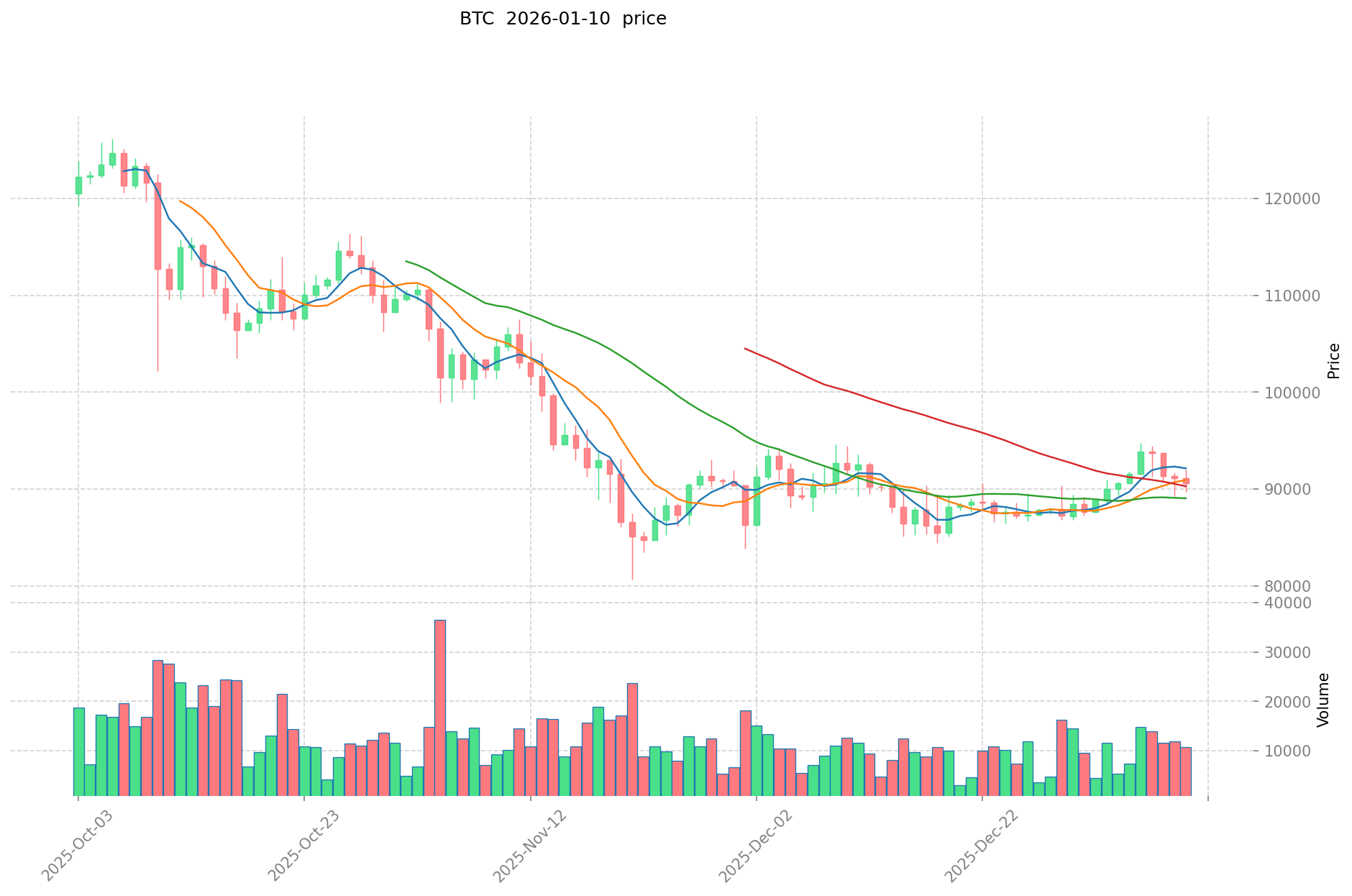 Until now, cryptocurrencies have mainly served as investment vehicles within the private sector. With this recognition, Bitcoin now holds the status of a strategic asset at the national level.
This development reflects the reality that Bitcoin has become an unignorable force in the global financial system. Institutional investment is on the rise, and digital currency discussions are intensifying worldwide, fundamentally transforming the cryptocurrency landscape.
Strategic Value of Bitcoin
The Vice President's statement highlights Bitcoin's increasing influence on the economy. Recognizing Bitcoin as a strategic asset involves several key factors.
First, as a decentralized digital currency, Bitcoin provides a store of value independent of traditional financial systems. This makes it a crucial option for nations facing periods of economic uncertainty. In addition, Bitcoin leverages blockchain technology, offering both transparency and security, and has the potential to increase the efficiency of financial transactions.
Furthermore, recognizing Bitcoin as a strategic asset signals the United States’ intention to maintain leadership in the global digital economy. As other major economies actively consider their own digital currency policies, the U.S. move will have far-reaching international impact.
Implications for Regulatory Environment
This recognition indicates a more favorable regulatory climate for cryptocurrency in the United States. Previously, the crypto industry faced significant regulatory uncertainty. Official support from senior government officials could lead to the establishment of clearer and more predictable regulatory frameworks.
Specifically, regulatory guidelines for crypto exchanges and digital asset management firms are likely to advance. This will enable companies to innovate while reducing legal risks. Robust regulation also plays a vital role in ensuring healthy market development and investor protection.
This policy shift could also influence taxation. Designating Bitcoin as a strategic asset is expected to clarify tax treatment for digital currencies, creating a more accessible environment for both individual investors and businesses.
Looking Ahead
The Vice President's recognition of Bitcoin as a strategic asset reflects the growing acceptance of digital currencies in the global financial system. This announcement is expected to accelerate the development of U.S. cryptocurrency policy.
Going forward, discussions around government Bitcoin holdings and the relationship with central bank digital currencies (CBDCs) will likely intensify. Building international cooperation frameworks will also become a critical task, as digital currency flows cross borders and require regulatory harmonization between nations.
This announcement will also have a substantial impact on the private sector. Financial institutions and enterprises may further accelerate investment in and adoption of digital assets, including Bitcoin. As technological innovation and regulatory frameworks progress together, the entire crypto ecosystem is poised for greater maturity.
This historic step by the U.S. government marks a major milestone in the new era of the digital economy. The official recognition of Bitcoin's strategic value brings cryptocurrencies closer than ever to the mainstream financial system.
FAQ
What does it mean for the U.S. Vice President to recognize Bitcoin as a strategic asset?
The U.S. Vice President’s designation of Bitcoin as a strategic asset means the government has formally acknowledged Bitcoin as a vital element of national economic security. This signals strengthened government support and long-term value recognition, which in turn bolsters market confidence.
How will this policy statement affect Bitcoin’s price and the market?
The U.S. recognition of Bitcoin as a strategic asset could spur increased institutional demand. This is expected to put upward pressure on Bitcoin’s price and improve overall market sentiment.
How is the U.S. government’s recognition of Bitcoin as a strategic asset different from its previous approach?
Previously, the U.S. government adopted a cautious and regulatory stance on Bitcoin. The recent shift officially recognizes Bitcoin as a national strategic asset and includes it as part of the national treasury portfolio. This marks a fundamental transition from a regulatory focus to strategic utilization.
What role does Bitcoin play as a strategic asset in national financial strategy?
As a strategic asset, Bitcoin can help reduce reliance on the dollar, increase monetary policy autonomy, and enhance economic resilience. For countries facing international sanctions or currency depreciation, it serves as a crucial means for asset preservation.
How might this policy influence other countries’ approaches to crypto assets?
The U.S. recognition of crypto assets as strategic assets is likely to prompt other countries to accelerate their own policy development, ensuring they remain competitive in the global crypto economy. This international competition will drive further advancement of global crypto asset policies.
* The information is not intended to be and does not constitute financial advice or any other recommendation of any sort offered or endorsed by Gate.