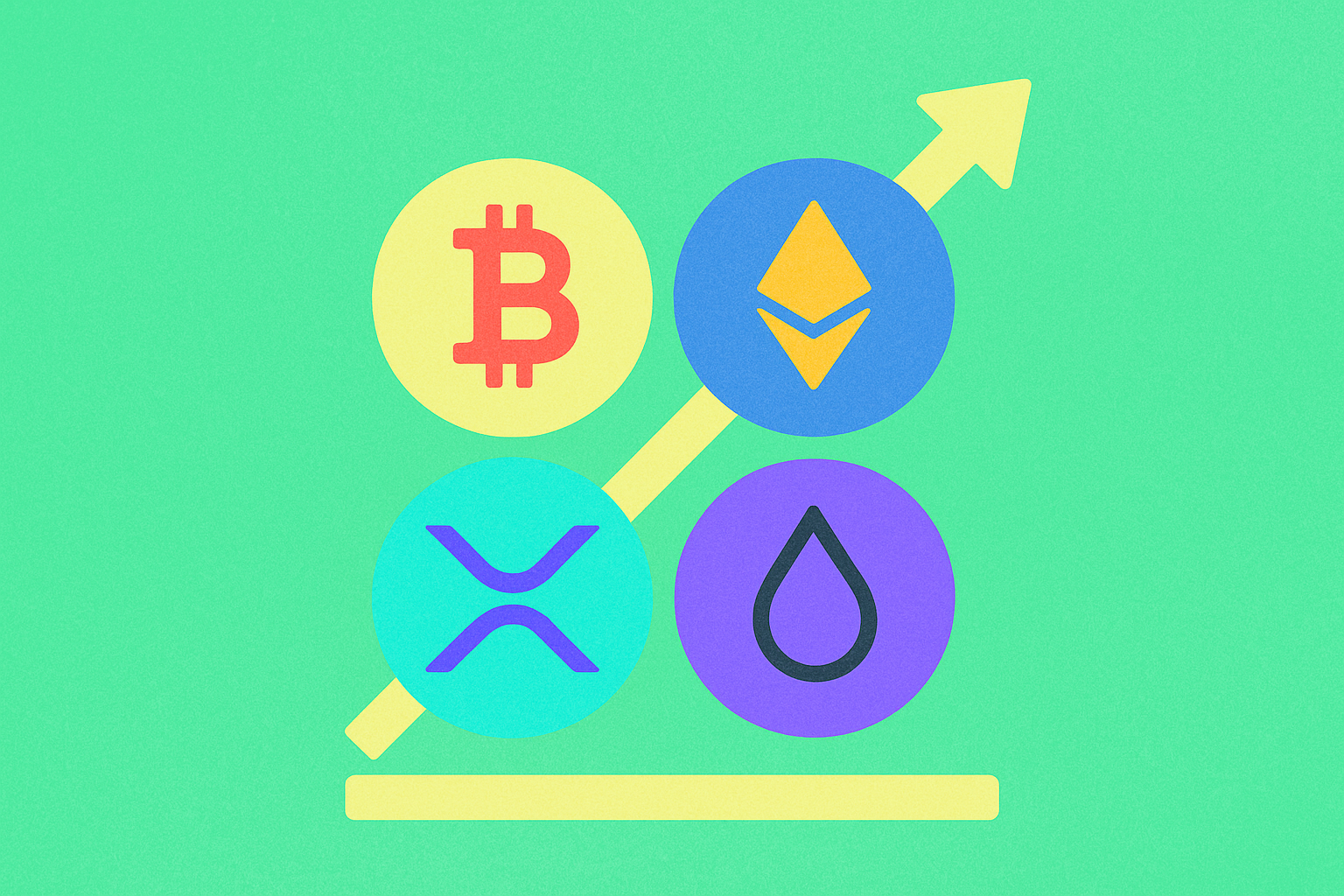
Valour, a subsidiary of DeFi Technologies Inc., has launched four digital asset ETPs on Brazil's B3 exchange: Bitcoin (BTCV), Ethereum (ETHV), XRP (XRPV), and SUI (VSUI). These regulated exchange-traded products provide Brazilian investors with institutional-grade access to major cryptocurrencies without direct custody requirements. Trading commenced in late 2024, marking a pivotal moment for cryptocurrency adoption in South America's largest economy. The ETPs address key barriers including regulatory uncertainty and security concerns, offering peso-denominated exposure through traditional financial infrastructure. This expansion demonstrates growing mainstream acceptance of digital assets and strengthens Latin America's integration with global cryptocurrency markets.
Background on Valour's Expansion
Valour, a subsidiary of DeFi Technologies Inc., has successfully obtained regulatory approval to list four exchange-traded products (ETPs) focused on digital assets on Brazil's B3 exchange. This strategic move represents a significant milestone in expanding institutional-grade cryptocurrency investment options in the Latin American market. Exchange-traded products provide investors with a regulated and accessible way to gain exposure to digital assets without directly holding the underlying cryptocurrencies, addressing concerns about custody, security, and regulatory compliance.
The Four ETP Products
The approved product lineup includes Valour Bitcoin (BTCV), Valour Ethereum (ETHV), Valour XRP (XRPV), and Valour SUI (VSUI). Each ETP is designed to track the performance of its respective digital asset, offering investors a familiar investment vehicle similar to traditional exchange-traded funds. The Bitcoin and Ethereum products cater to investors seeking exposure to the two largest cryptocurrencies by market capitalization, while the XRP and SUI products provide access to emerging blockchain ecosystems with distinct use cases.
The Valour Bitcoin ETP allows investors to participate in Bitcoin's price movements through a regulated product traded on a major exchange platform. Similarly, the Valour Ethereum ETP provides exposure to Ethereum's ecosystem, which powers decentralized applications and smart contracts. The XRP product targets investors interested in Ripple's payment-focused blockchain network, while the SUI ETP offers access to a newer layer-1 blockchain platform known for its high-performance capabilities.
Market Impact and Trading Launch
Trading for these digital asset ETPs commenced in late 2024 on the Brazilian exchange, marking a pivotal moment for cryptocurrency adoption in South America's largest economy. This launch significantly expands the range of digital asset investment options available to Brazilian investors, both retail and institutional. By offering regulated ETPs through an established exchange infrastructure, Valour addresses key barriers that have historically limited cryptocurrency adoption, including regulatory uncertainty and concerns about asset security.
The introduction of these products on a major Brazilian exchange platform demonstrates the growing mainstream acceptance of digital assets as legitimate investment vehicles. For the Brazilian market specifically, these ETPs provide local investors with peso-denominated access to global cryptocurrency markets without the complexities of international transfers or direct cryptocurrency purchases. This development aligns with broader trends of increasing cryptocurrency integration into traditional financial systems across Latin America and globally.
FAQ
What is Valour and what is its background in the digital asset field?
Valour is Europe's leading digital asset ETP issuer, specializing in exchange-traded products for BTC, ETH, SOL, and other assets. The company has significant market presence and expertise in digital asset infrastructure.
What are Digital Asset ETPs (Exchange Traded Products) and how do they differ from directly purchasing cryptocurrencies?
Digital Asset ETPs are exchange-traded products that allow investors to gain exposure to cryptocurrencies without directly holding or managing them. Unlike direct crypto purchases, ETPs offer a simplified investment pathway through traditional financial markets, providing easier access and custody solutions.
Why did Valour choose to launch digital asset ETPs on Brazil's B3 exchange?
Valour launched digital asset ETPs on Brazil's B3 exchange to provide regulated access to digital assets for Brazilian institutions and qualified investors, supporting the company's global expansion strategy in Latin America.
Which cryptocurrencies or assets do the four digital asset ETPs track respectively?
The four ETPs track Bitcoin and Ethereum. Two are WisdomTree Inc. products that provide physically-backed exposure to Bitcoin and Ethereum respectively.
How can retail investors purchase and trade these digital asset ETPs through B3 Exchange?
Retail investors can purchase and trade digital asset ETPs on B3 by opening a brokerage account, completing identity verification, and placing orders through their broker's trading platform. Simply search for the ETP ticker symbols and execute buy or sell orders during market hours.
What are the advantages and risks of investing in digital asset ETPs compared to directly holding cryptocurrencies?
Digital asset ETPs offer lower trading fees, higher liquidity, and easier access through traditional brokers. However, they lack direct custody control and involve management fees, whereas direct holdings provide full autonomy but require self-custody security measures.
* The information is not intended to be and does not constitute financial advice or any other recommendation of any sort offered or endorsed by Gate.