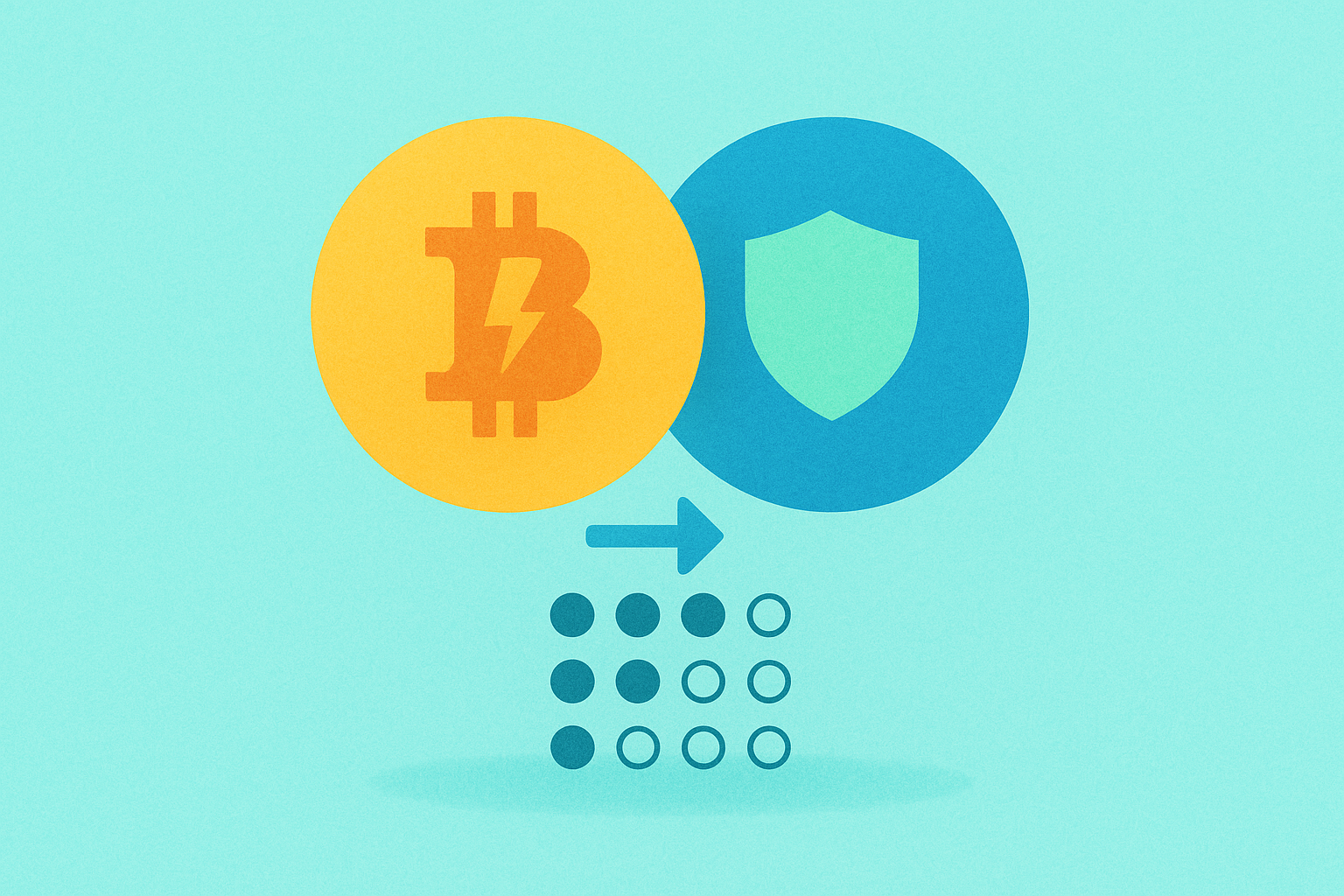
This article explores Bitcoin enthusiasts' emerging interest in Zcash, as highlighted by VanEck CEO Jan van Eck. It reveals how Bitcoin maximalists are shifting focus toward privacy-centric solutions, recognizing that enhanced transaction confidentiality addresses critical gaps in the cryptocurrency ecosystem. The article examines Zcash's technical advantages through zero-knowledge proof technology and its selective disclosure features, which enable anonymous transactions while maintaining blockchain verification. It discusses the rising importance of privacy in cryptocurrency investment, driven by sophisticated blockchain analytics and regulatory scrutiny. The piece also covers VanEck's institutional perspective on privacy coins, signaling growing confidence in Zcash's market potential. Finally, it addresses key investor concerns through FAQs, positioning Zcash as an attractive option for investors on Gate seeking both privacy protection and technological rigor in their cryptocurrency portfolio.
VanEck's Position in the Cryptocurrency ETF Market
VanEck, a prominent player in the exchange-traded fund (ETF) industry, has established itself as a leading voice in the cryptocurrency investment space. The company has been at the forefront of bringing digital asset exposure to traditional investors through regulated financial products. Under the leadership of CEO Jan van Eck, VanEck has consistently demonstrated deep insights into cryptocurrency market trends and investor behavior patterns. The firm's extensive experience in managing digital asset products provides a unique vantage point for observing shifts in investor sentiment and emerging opportunities within the blockchain ecosystem.
Bitcoin Maximalists Show Interest in Privacy Solutions
In a recent appearance on CNBC, Jan van Eck made notable observations about the evolving preferences among original Bitcoin supporters, commonly referred to as "Bitcoin OGs" or "Bitcoin maximalists." These early adopters and staunch advocates of Bitcoin have traditionally maintained a focused approach to cryptocurrency investment, often emphasizing Bitcoin's primacy in the digital asset space. However, van Eck revealed that many within this influential group are now closely monitoring Zcash, a privacy-focused cryptocurrency. This shift represents a significant development in the cryptocurrency community, as Bitcoin maximalists have historically been cautious about diversifying their attention beyond Bitcoin itself.
The interest from Bitcoin OGs in Zcash reflects a broader recognition of privacy as a fundamental value proposition in the cryptocurrency ecosystem. These experienced investors understand that while Bitcoin offers pseudonymity, it does not provide the same level of transaction privacy that specialized protocols like Zcash can deliver. The growing attention to privacy-centric solutions among Bitcoin enthusiasts suggests an evolving understanding of the diverse needs within the digital asset landscape.
The Rising Importance of Privacy in Cryptocurrency
The cryptocurrency industry has witnessed increasing emphasis on privacy features in recent years. As blockchain analytics tools have become more sophisticated and regulatory scrutiny has intensified, many users and investors have begun seeking enhanced privacy protections for their digital transactions. Privacy-focused cryptocurrencies address concerns about transaction traceability and financial surveillance, offering users greater control over their financial information.
This trend toward privacy solutions is not limited to retail users; institutional investors and high-net-worth individuals are also recognizing the value of confidential transactions. The interest from Bitcoin maximalists, who are often thought leaders within the cryptocurrency community, may signal a broader market shift toward appreciating privacy as a critical feature rather than a niche concern. Their attention to projects like Zcash could influence wider adoption and acceptance of privacy-enhancing technologies in the blockchain space.
Zcash's Technical Advantages and Market Position
Zcash distinguishes itself through its implementation of zero-knowledge proof technology, specifically zk-SNARKs (Zero-Knowledge Succinct Non-Interactive Arguments of Knowledge). This cryptographic innovation allows transactions to be verified without revealing sensitive information about the sender, recipient, or transaction amount. Unlike Bitcoin's transparent ledger, Zcash offers users the option to conduct shielded transactions that maintain complete confidentiality while still being verifiable by network participants.
The cryptocurrency has maintained a significant position in the privacy-focused segment of the digital asset market. Its technology has been recognized by cryptography experts and blockchain developers as a robust solution for achieving transaction privacy without compromising network security. The attention from Bitcoin OGs, as highlighted by van Eck, may contribute to increased legitimacy and adoption for Zcash within the broader cryptocurrency community.
Furthermore, Zcash's approach to privacy is particularly noteworthy because it offers selective disclosure features, allowing users to choose when to make transactions private or transparent. This flexibility addresses both privacy needs and regulatory compliance considerations, making it an attractive option for users who require confidentiality without completely sacrificing transparency when necessary. As privacy concerns continue to grow in the digital age, cryptocurrencies like Zcash that offer advanced privacy features while maintaining technological rigor are likely to attract sustained interest from sophisticated investors and cryptocurrency enthusiasts alike.
FAQ
What is Zcash and how does it differ from Bitcoin?
Zcash is a privacy-focused cryptocurrency based on Bitcoin's code. Unlike Bitcoin, Zcash enables completely anonymous transactions through zero-knowledge proofs, allowing users to shield transaction details while maintaining blockchain verification.
Why are Bitcoin enthusiasts interested in Zcash?
Bitcoin enthusiasts are interested in Zcash because it offers enhanced privacy features through zero-knowledge proofs, enabling anonymous transactions while maintaining blockchain transparency. This appeals to users prioritizing financial privacy and censorship resistance.
What does VanEck's interest in Zcash mean? Are institutional investors optimistic about Zcash?
VanEck's interest signals strong institutional confidence in Zcash. The asset manager's potential involvement validates Zcash's privacy technology and market potential, attracting broader institutional capital and enhancing market visibility significantly.
How do Zcash's privacy features work? Does this pose regulatory risks?
Zcash uses zk-SNARKs technology to enable transactions without revealing sender, receiver, or amount details. While this protects user privacy, it creates regulatory challenges as it may complicate financial oversight and compliance monitoring by authorities.
What are the future prospects for privacy coins such as Zcash?
Zcash has strong growth potential due to its focus on privacy protection. Experts predict its value could reach 10%-20% of Bitcoin's value. With increasing adoption for privacy-preserving transactions and continuous technological evolution to counter surveillance, Zcash is positioned for significant appreciation in the coming years.
What are the advantages and risks of investing in Zcash compared to investing in Bitcoin?
Zcash offers enhanced privacy features and decentralization advantages over Bitcoin. However, both face volatility and regulatory uncertainties. Zcash has demonstrated superior price performance, with potential for higher returns, but carries concentrated risk from lower liquidity and market adoption compared to Bitcoin.
* The information is not intended to be and does not constitute financial advice or any other recommendation of any sort offered or endorsed by Gate.