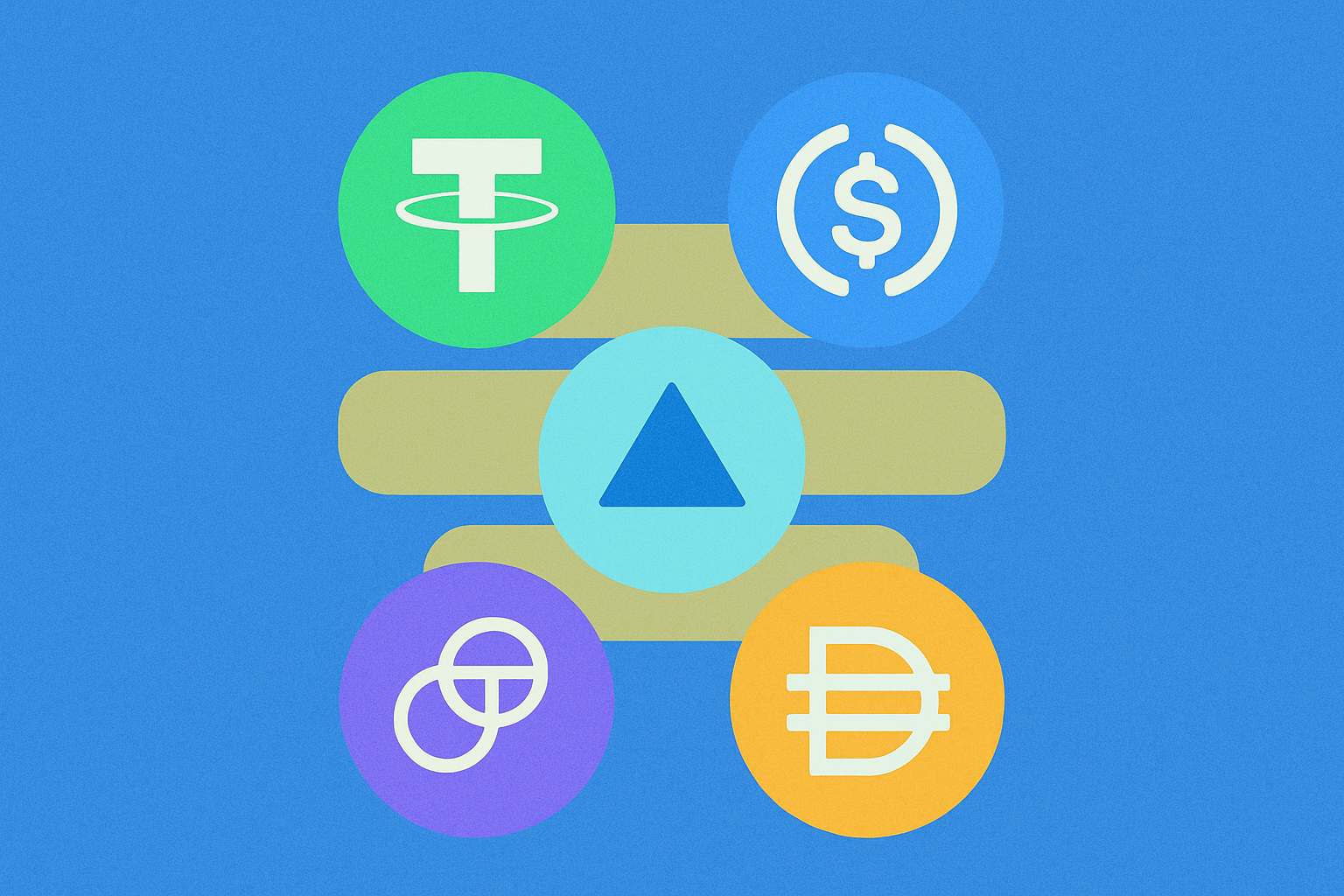
Discover the fundamentals of stablecoins and how they function. This detailed guide covers the three main categories of stablecoins: fiat-backed, crypto-backed, and algorithmic. Examine leading stablecoins—including USDT, USDC, and DAI—and their roles in decentralized finance (DeFi). Safeguard your investments against the volatility of cryptocurrencies.
How Stablecoins Work
One of the main drawbacks of traditional cryptocurrencies is their high volatility—sharp price swings that deter many potential investors from using digital assets for everyday transactions. Stablecoins were specifically created to address this issue and bring stability to the cryptocurrency market.
Stablecoins are a special class of cryptocurrency whose value is pegged to stable assets—most often fiat currencies like the US dollar or euro, or to precious metals. This peg allows stablecoins to maintain a relatively steady value, making them a convenient tool for storing funds, conducting payments, and trading on crypto markets.
There are several methods for maintaining price stability, and depending on the underlying mechanism, stablecoins fall into three main categories:
These tokens are backed by real assets held in reserve. Each stablecoin in circulation is matched by an equivalent amount of traditional currency stored in the issuer’s bank accounts. For example, each unit of coins like USDT (Tether), USDC (USD Coin), or TUSD (TrueUSD) is, in theory, backed by one US dollar.
The core objective of these tokens is to ease investor concerns about sudden price fluctuations and create a system that is more practical for everyday purchases and international transfers. Fiat-backed stablecoins are the most widespread type and are trusted most by market participants due to their straightforward collateral mechanism.
Crypto-Backed Stablecoins
While crypto collateral does not entirely eliminate volatility, issuers of these stablecoins use a strategy called over-collateralization. This means a stablecoin with a nominal value of one dollar may be backed by two dollars or more worth of cryptocurrency.
This approach creates a protective buffer against market swings. The main function of crypto-backed tokens is to balance the benefits of decentralization with price stability, with crypto reserves absorbing market volatility. DAI, issued by the MakerDAO protocol, is a prime example of this stablecoin type.
These tokens are not backed by physical reserves but use smart contracts and algorithms to automatically regulate supply. Algorithms monitor price changes and automatically control the issuance and redemption of tokens to maintain a stable price.
When the price of an algorithmic stablecoin rises above its target, the protocol increases supply. When the price falls below target, the protocol reduces supply. This mechanism provides decentralized stability without the need for reserves; however, these stablecoins are considered riskier because they depend on complex algorithms and market confidence.
Examples of the Most Popular Stablecoins
The crypto market features a wide range of stablecoins, each with its own characteristics and advantages. Below are the most well-known and widely used projects:
Tether (USDT)
Tether is one of the most recognized and widely used stablecoins pegged to the US dollar. It leads all stablecoins in trading volume and market capitalization. USDT is issued by Tether Limited and is available on multiple blockchains, including Ethereum, Tron, and others.
However, Tether’s history is not without controversy. The company has faced repeated criticism for a lack of transparency regarding its reserves. Updates to the terms of service on the official website indicate that Tether’s backing may include not only cash dollars but also other assets, raising questions about full collateralization. Despite this, USDT remains one of the most sought-after stablecoins due to its broad adoption and high liquidity.
Gemini Dollar (GUSD)
Gemini Dollar is a stablecoin project launched by the Winklevoss brothers, founders of the Gemini exchange. This stablecoin lets users transfer tokens via the Ethereum network, enabling fast and secure transactions.
A key feature of GUSD is strict regulatory compliance. The project is regulated by the New York State Department of Financial Services (NYDFS), which ensures a high level of trust among institutional investors. Gemini Dollar reserves undergo regular audits by independent firms to guarantee that every token is fully backed by one US dollar.
TrueUSD (TUSD)
TrueUSD distinguishes itself among stablecoins with a strong focus on transparency and legal protection for token holders. The project employs an escrow account system that provides additional safety for users’ funds. Unlike Tether, TrueUSD has emphasized full transparency for investors and clients from the outset.
TUSD reserves are held in accounts at multiple partner banks, and the company regularly publishes audit results. This approach minimizes counterparty risk and ensures every token issued is fully backed by real dollars.
How Stablecoins Address Volatility
Stablecoins have become highly popular by offering the optimal balance between the benefits of decentralized cryptocurrencies and the predictability of traditional financial instruments. They give users a stable means of preserving value in the volatile crypto market.
The stabilization mechanism depends on the stablecoin type. Fiat-backed stablecoins maintain stability through direct pegging to traditional currency reserves. Crypto-backed tokens rely on over-collateralization and liquidation mechanisms. Algorithmic stablecoins depend on automatic supply regulation through smart contracts.
While some stablecoins occasionally fail to maintain their target price (especially algorithmic models), creating some uncertainty around these tokens, overall trust in stablecoins continues to grow. As with other cryptocurrencies, regulators worldwide are actively working to establish legal frameworks for stablecoins and increase market transparency.
New stablecoin projects have learned from the shortcomings of earlier tokens and now practice full transparency. Many modern stablecoins, for example, offer a 1:1 conversion rate and are backed by reserves equal to or greater than their circulation. For added transparency, independent auditing firms regularly provide reports on the size and composition of reserves.
Interest in stablecoins keeps growing, and new projects are constantly entering the market. As trading volumes and use cases expand, stablecoins are becoming an increasingly attractive entry point into the crypto ecosystem. They are used not only for trading on exchanges but also for international transfers, decentralized finance (DeFi), payment systems, and other sectors of the digital economy.
Stablecoins also play a crucial role in the growth of decentralized finance applications, providing users with a stable asset for lending, borrowing, and earning interest. Thanks to their stability and liquidity, stablecoins have become an indispensable tool for traders, enabling them to quickly secure profits or temporarily exit risky positions without converting to fiat currency.
FAQ
What are stablecoins and how do they differ from other cryptocurrencies?
Stablecoins are cryptocurrencies with stable prices, pegged to fiat currencies or assets. Unlike other cryptocurrencies, stablecoins offer predictability and protection from volatility and do not experience major price swings.
How do different types of stablecoins work (collateralized, algorithmic, fiat-backed)?
Collateralized stablecoins are backed by crypto assets or fiat currency. Algorithmic stablecoins use smart contracts to automatically adjust supply. Fiat-backed stablecoins are secured by reserves of real currency, ensuring a 1:1 peg to fiat.
What risks and benefits are associated with using stablecoins?
Benefits: stable value, convenient payments, protection from volatility. Risks: technical vulnerabilities, issuer centralization, dependence on reserves, regulatory threats.
What are the most popular stablecoins on the market (USDT, USDC, DAI)?
The top stablecoins on the market are USDT, USDC, and DAI. USDT and USDC are fiat-backed, while DAI is crypto-collateralized. All three lead in trading volume and are widely used in DeFi protocols.
How are stablecoins used in trading and payments?
Stablecoins are used for fast, volatility-free payments, trading between cryptocurrencies on exchanges, and as a reliable store of value. They streamline trading, lower costs, and simplify settlements within the blockchain ecosystem.
* The information is not intended to be and does not constitute financial advice or any other recommendation of any sort offered or endorsed by Gate.