This comprehensive guide explores JOMO (Joy of Missing Out) as a psychological counterpoint to FOMO in cryptocurrency markets. The article traces how Bitcoin's dramatic price cycles—from explosive bull runs reaching $70,000 to significant corrections—created the emotional landscape where JOMO emerged. Readers will understand the fundamental differences between FOMO-driven impulsive investing and JOMO's emphasis on capital preservation and peace of mind. The article examines how JOMO extends beyond crypto into broader lifestyle and digital wellness discussions. Rather than advocating pure avoidance, it advocates a balanced approach: engaging with blockchain technology thoughtfully based on personal risk tolerance rather than emotional market reactions. The guide includes practical strategies for cultivating JOMO while maintaining informed participation in crypto opportunities on Gate exchange.
To understand what the acronym JOMO means, and why it has become increasingly relevant in the cryptocurrency space, we must first examine its predecessor and the market conditions that gave rise to it.
For an extended period, the prices of cryptocurrencies, particularly Bitcoin, experienced an extraordinary bull run that captured global attention. Bitcoin, which serves as the flagship cryptocurrency and bellwether for the broader market, had been trading in the lower five-figure range for several years. Then, in a remarkable surge, it climbed dramatically, nearly reaching the $70,000 milestone.
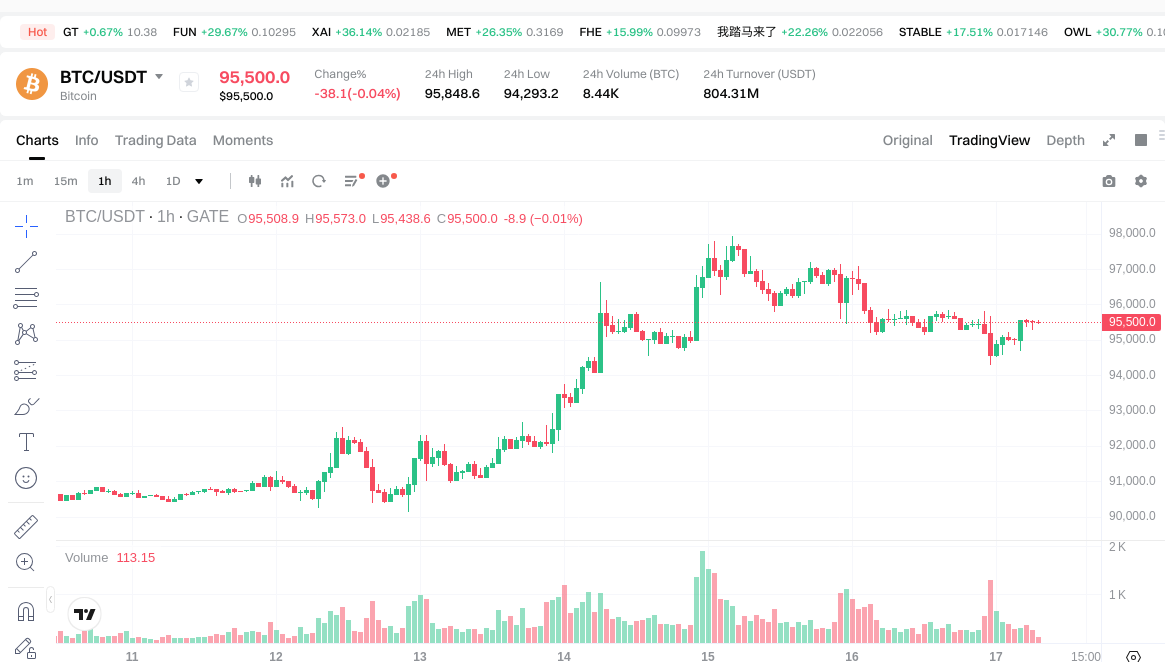 This unprecedented price appreciation created a cultural phenomenon and introduced a powerful psychological concept into the investment lexicon: FOMO.
FOMO, or the fear of missing out, became a dominant emotion during this period of explosive growth. In the context of Bitcoin's meteoric rise, it was entirely understandable why investors and observers alike would experience anxiety about missing out on what appeared to be a once-in-a-generation wealth-building opportunity. The fear was palpable as stories of early adopters becoming millionaires spread across social media and mainstream news outlets.
However, as with all market cycles, Bitcoin's price increase eventually reached its peak. Market dynamics dictate that what goes up must eventually come down, and Bitcoin's price began to retreat from its historic highs. It was during this market correction phase that a new acronym emerged to describe a contrasting emotional state: JOMO.
What Is JOMO?
The acronym JOMO stands for "joy of missing out," representing a psychological counterpoint to FOMO. This term gained prominence as cryptocurrency prices entered a sustained downturn, offering a different perspective on market participation.
As the market context suggests, JOMO arose because cryptocurrency prices experienced dramatic corrections. For instance, Bitcoin retreated significantly from its peak, losing substantial value in the process. During such market downturns, many individuals who had chosen not to invest or who had exited their positions early found themselves experiencing relief rather than regret. They were able to enjoy missing out on the considerable stress, anxiety, and financial losses that accompanied the market crash.
JOMO represents more than just schadenfreude; it embodies a conscious choice to prioritize emotional well-being and financial stability over the pursuit of potentially high-risk, high-reward opportunities. Those experiencing JOMO often report feeling validated in their cautious approach, especially when they witness the psychological and financial toll that market volatility takes on active participants.
FOMO vs JOMO
FOMO and JOMO represent two opposing psychological states in the investment landscape, each with distinct characteristics and implications for investor behavior.
FOMO manifests as an intense fear of missing out on cryptocurrency bull markets or other investment opportunities that appear to be rapidly appreciating in value. This emotional state often drives impulsive decision-making, causing investors to enter positions at inopportune times, typically near market peaks. FOMO-driven investors may ignore fundamental analysis, risk management principles, and their own financial limitations in pursuit of perceived opportunities.
JOMO, conversely, represents contentment and satisfaction with the decision to abstain from cryptocurrency investing or to maintain a conservative position. This mindset acknowledges that crypto markets can be extremely volatile and susceptible to sudden, dramatic crashes. Those experiencing JOMO have consciously chosen to prioritize capital preservation and peace of mind over the potential for extraordinary gains.
This dynamic has been particularly evident in recent market cycles. For example, after Bitcoin declined from its peak during the previous bull market cycle, many prudent investors remained on the sidelines. These individuals, who can be described as experiencing JOMO, successfully avoided the financial losses and emotional distress associated with the market downturn. By staying out of the market during its decline, they preserved their capital and maintained their psychological well-being, validating their cautious approach.
How To Turn FOMO Into JOMO?
The concepts of JOMO and FOMO have transcended their origins in cryptocurrency culture and have now become part of the broader cultural conversation about lifestyle choices, social media engagement, and personal well-being.
In contemporary usage, FOMO often describes the pervasive psychological phenomenon of constantly feeling like one is missing out on experiences, opportunities, or social events. This persistent anxiety can take a significant toll on mental health, manifesting as stress, inadequacy, and chronic dissatisfaction. The rise of social media has amplified these feelings, as people are constantly exposed to curated highlights of others' lives and achievements.
The cultural shift toward JOMO represents a conscious rejection of this anxiety-inducing mindset. The philosophy suggests that since it is impossible for any individual to participate in every opportunity or experience everything, one might as well develop the capacity to find contentment and joy in the choices they make, even when certain opportunities pass them by. This reframing transforms potential regret into conscious choice and empowerment.
This sentiment has resonated deeply with many people, spawning numerous discussions, articles, and even memes that celebrate the liberation found in embracing JOMO. The concept encourages individuals to focus on what truly matters to them, rather than constantly chasing every trending opportunity or comparing themselves to others.
More FOMO or JOMO?
When considering Bitcoin's historical performance and cyclical nature, it would not be surprising to witness another significant price appreciation in the future. The cryptocurrency has demonstrated remarkable resilience and has recovered from multiple major corrections throughout its existence. However, this perspective views Bitcoin purely through an investment and speculation lens.
It is important to remember that, according to Bitcoin's original whitepaper and the vision of its creator(s), Bitcoin was not designed primarily as a speculative investment vehicle. Rather, it was conceived as a solution to specific problems in the traditional financial system, including centralization, censorship, and the need for trusted third parties in digital transactions. The technology underlying Bitcoin and the broader cryptocurrency ecosystem was created to enable peer-to-peer electronic cash systems and to provide financial sovereignty to individuals.
Therefore, those who focus exclusively on Bitcoin's price movements and investment potential may be missing the larger picture of what Bitcoin and the greater cryptocurrency ecosystem represent. The true value proposition extends far beyond short-term price fluctuations and includes innovations in decentralization, financial inclusion, programmable money, and resistance to censorship.
Perhaps, then, the most balanced approach is to move beyond both the FOMO and JOMO attitudes entirely. Instead of being driven by fear or finding joy in avoidance, investors and observers might benefit from embracing a more nuanced understanding of the transformative potential that the cryptocurrency ecosystem holds. This means engaging with the technology thoughtfully, understanding its fundamental value propositions, and making informed decisions based on personal financial circumstances and risk tolerance rather than emotional reactions to market movements.
By adopting this more measured perspective, individuals can appreciate the innovations occurring in the blockchain space while maintaining emotional equilibrium regardless of short-term market volatility.
FAQ
What is the definition of Joy Of Missing Out (JOMO)?
Joy of Missing Out (JOMO) is a feeling of contentment and happiness from choosing not to participate in activities others are doing. It emphasizes satisfaction with one's own pursuits and decisions, rather than experiencing fear of missing out.
How is JOMO different from FOMO (Fear Of Missing Out)?
JOMO celebrates intentional withdrawal and contentment with your choices, while FOMO drives anxiety about missing opportunities. JOMO prioritizes peace and personal well-being over constant engagement and external validation.
What are the psychological benefits of practicing JOMO?
Practicing JOMO enhances mindfulness, reduces anxiety from social comparison, promotes self-care, and increases contentment with personal choices and life satisfaction.
How can I cultivate a mindset of Joy Of Missing Out in my daily life?
To cultivate JOMO, focus on being present and appreciating what you have. Let go of constant comparisons with others, slow down, and become aware of your emotional needs. Practice contentment over endless pursuit.
Yes, JOMO is directly linked to digital wellness. By consciously avoiding social media, practitioners report 32% lower stress levels and 45 minutes longer sleep with better quality, supporting overall mental and physical health.
What are some practical tips for embracing JOMO?
Disconnect from technology regularly, reflect on your time usage, and become intentional with activities. Reconnect with nature, hobbies, and meaningful relationships. Focus on quality over constant updates.
* The information is not intended to be and does not constitute financial advice or any other recommendation of any sort offered or endorsed by Gate.