This comprehensive guide explores short squeezes in cryptocurrency markets, a critical phenomenon where forced liquidations of short positions drive explosive price movements. The article explains what short selling and short squeezes are, highlighting historical examples like Tesla's 400% surge and GameStop's dramatic rally. Readers will learn to identify squeeze triggers—unexpected positive news, supply disruptions, and high short interest ratios—and discover key metrics including short interest percentage and days-to-cover calculations. The guide contrasts short squeezes with long squeezes, analyzes their prevalence in crypto markets, particularly on Gate derivatives platforms, and provides actionable risk management strategies. Whether you're a trader seeking profit opportunities or an investor protecting positions, this resource equips you with practical knowledge to navigate, predict, and capitalize on short squeeze events in volatile cryptocurrency markets.
What Is Short Selling?
Short selling, also known as shorting, is a standard practice that keeps both investors and institutions alert and disciplined in the market. The ability to sell an asset is what makes holding an investment worthwhile. When traders believe an asset is overvalued, they take a short position to profit from the anticipated price decline. For example, GameStop was recently reported as one of the most heavily shorted stocks in the S&P 500, demonstrating how widespread this practice has become.
The same principle applies in the cryptocurrency market. Sentiment around privacy tokens has been somewhat bearish as regulatory bodies have intensified enforcement of KYC (Know Your Customer) requirements and banned anonymous transactions. This regulatory pressure has led many traders to bet against these assets through short positions.
However, when the market doesn't move according to a trader's predictions and the asset's value increases instead, traders rush to buy back the asset to minimize their losses. This panic buying can trigger a phenomenon known as a short squeeze, which can have dramatic effects on asset prices.
What Is a Short Squeeze?
A short squeeze occurs when sudden market movements force short sellers to buy back assets in large volumes, creating upward pressure that drives prices even higher. This creates a self-reinforcing cycle where rising prices force more short sellers to close their positions, further accelerating the price increase. Short squeezes are powerful market events that can lead to extraordinary price movements in very short periods.
Historically, short squeezes have produced some of the most dramatic price movements in financial markets. In 2008, a short squeeze caused Volkswagen's stock price to surge approximately fivefold in just two days, briefly making it the world's most valuable company by market capitalization. This event demonstrated the extreme power of short squeezes when a large number of short positions are forced to close simultaneously.
These events happen quickly and without warning, leaving no prisoners in their wake. Tesla provides another striking example: with an 18% short interest, the company's stock price surged 400% from late 2019 to early 2020, inflicting $8 billion in losses on short sellers. This massive squeeze was driven by a combination of improving company fundamentals and momentum buying that caught short sellers off guard.
Is a Short Squeeze Good or Bad?
Regardless of how confident an investor is about an asset's potential decline, short positions can be quickly swept away by simple events such as new product announcements or positive news. This vulnerability makes short selling a high-risk strategy that requires constant monitoring and risk management.
From a market perspective, short squeezes can serve as a corrective mechanism, punishing excessive pessimism and restoring balance to asset prices. However, they can also create artificial price inflation that doesn't reflect fundamental value, potentially setting up investors for losses when prices eventually normalize.
What Causes a Short Squeeze?
Short squeezes are triggered when short sellers are forced to buy back their positions, pushing prices upward and squeezing out even more shorts in a cascading effect. This chain reaction is the defining characteristic of a short squeeze and what makes it so powerful and unpredictable.
Several factors can initiate a short squeeze. The most common trigger is unexpected positive news or developments that cause the asset's price to rise suddenly. This could include better-than-expected earnings reports, positive regulatory developments, technological breakthroughs, or strategic partnerships. When such news breaks, short sellers who were betting on price declines suddenly face mounting losses and are forced to cover their positions.
A short squeeze can also occur when supply is disrupted or demand exceeds expectations while short sellers are scrambling to close their positions. In markets with limited liquidity, even a moderate increase in buying pressure can trigger significant price movements. When this happens in a heavily shorted asset, the effect is amplified as short sellers compete for limited available supply.
The best way to avoid being caught in a short squeeze is to close all short positions before the squeeze intensifies, or to use appropriate risk management tools such as stop-loss orders. However, in fast-moving markets, even these protective measures may not execute at favorable prices.
How to Predict a Short Squeeze
While it's virtually impossible to predict every short squeeze with accuracy, tracking heavily shorted assets can help traders react quickly when a squeeze occurs. Understanding the warning signs can provide valuable lead time to adjust positions or capitalize on the opportunity.
The first metric to observe is the asset's short interest percentage, which can be calculated by dividing the number of shares sold short by the total number of shares outstanding. A sudden increase or decrease in short interest can be particularly interesting and may signal changing market sentiment. High short interest indicates that many traders are betting against the asset, creating the potential for a squeeze if the price moves against them.
Optimistic investors view high short interest as an opportunity to profit through sudden trend reversals. When a heavily shorted asset begins to rise, the forced buying from short sellers can accelerate the upward movement, creating a self-fulfilling prophecy that rewards those who bet on the squeeze.
The short interest ratio, also known as "days to cover," is another valuable metric that can be used to gauge market trends when its value deviates from the normal range. This is calculated by dividing the total short volume by the asset's average daily trading volume. A high ratio indicates that it would take many days of normal trading volume for all short sellers to cover their positions, suggesting greater squeeze potential. Generally, a ratio above 10 days is considered high and may indicate elevated squeeze risk.
Short Squeeze vs. Long Squeeze
Similarly, a long squeeze can occur when an asset's value suddenly declines, increasing selling pressure as the squeeze forces long position holders to sell to protect their investments. During a long squeeze, investors who bought the asset expecting price increases find themselves facing mounting losses and may panic sell, further accelerating the decline.
Long squeezes are much less famous than short squeezes, but they can be more easily applied in markets with lower liquidity where confused investors can generate higher volatility. In cryptocurrency markets, long squeezes are particularly common during bear markets or when leveraged long positions are overextended.
Focusing on value investing and maintaining appropriate position sizes is the best way to handle both types of squeezes. By investing based on fundamental value rather than short-term price movements, traders can avoid being caught in the panic that drives squeezes in either direction.
Short Squeezes in the Crypto Market
In mid-2020, Bitcoin surprised the market by surging from below $9,500 to nearly $10,400 in a single day, reaching its highest price in four months. The total liquidation volume on a major derivatives platform reached its highest level in several years, amounting to approximately $1.33 billion.
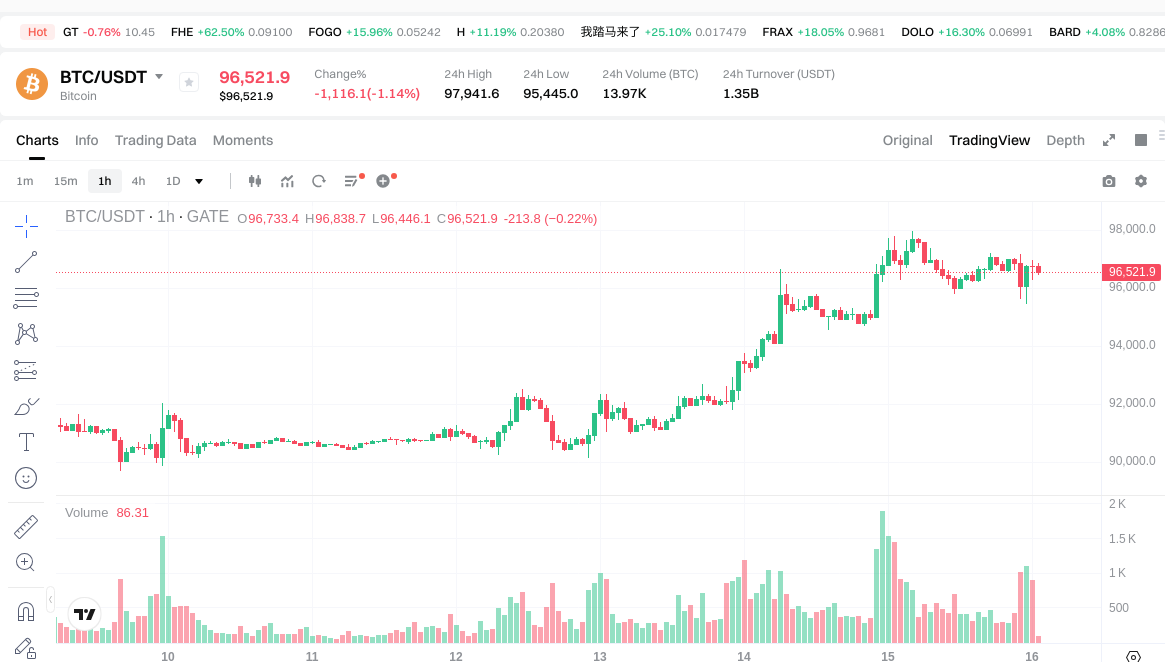 This massive liquidation event demonstrated the extreme volatility that short squeezes can create in cryptocurrency markets.
Short squeezes occur when traders force demand to surge during periods of temporary supply scarcity. In markets with low liquidity, this can significantly increase volatility, and the larger the short interest, the easier it becomes to push short sellers out of the market. The cryptocurrency market's 24/7 trading and global nature can amplify these effects, as squeezes can develop during off-hours when many traders are not actively monitoring their positions.
The cryptocurrency market frequently experiences short squeezes, with most occurring in the Bitcoin market. Bitcoin's position as the largest and most liquid cryptocurrency makes it a popular target for short sellers, but this also means that squeezes can be particularly dramatic when they occur. Some Bitcoin derivatives markets allow highly leveraged positions, which can be liquidated through relatively small price movements. Leverage ratios of 100x or higher are not uncommon in some platforms, meaning that a mere 1% adverse price movement can wipe out an entire position.
This high leverage environment creates a powder keg situation where cascading liquidations can trigger extreme price movements. When prices begin to move against short sellers, their positions are automatically closed, creating buying pressure that pushes prices higher and triggers more liquidations in a domino effect.
Conclusion
As demonstrated, short squeezes are not something to fear unless you're engaging in speculative short selling without proper risk management. When various indicators and oscillators provide appropriate signals, combined with insight into the asset's current situation, short squeezes can present profitable opportunities—provided you choose the right side of the trade.
Successful navigation of short squeezes requires a combination of technical analysis, fundamental understanding, and disciplined risk management. Traders should monitor short interest levels, be aware of potential catalysts that could trigger squeezes, and always use appropriate position sizing and stop-loss orders. By staying informed and maintaining a balanced approach to market analysis, traders can either avoid the dangers of short squeezes or position themselves to profit from these dramatic market events.
FAQ
What Is a Short Squeeze?
A short squeeze occurs when a heavily shorted asset's price rises sharply, forcing short sellers to cover their positions at losses, creating a feedback loop that drives prices higher as more short positions are liquidated.
How does a short squeeze happen? What are the triggering conditions?
A short squeeze occurs when heavily shorted assets experience rapid price increases, forcing short sellers to buy back positions, further driving prices higher. High short interest ratio, low trading liquidity, positive catalyst events, and margin pressure are key triggers that can ignite a squeeze.
What are some famous short squeeze events in history?
Notable short squeezes include the 2021 GameStop event, where retail investors pushed the stock price significantly higher, and Tesla's rally in 2020 which forced short-sellers to cover positions at substantial losses, triggering rapid price appreciation.
What are the risks of a short squeeze for investors?
Short squeezes carry high risks. Investors may face rapid price volatility, forced liquidations, and significant losses if positions turn against them. Additionally, the underlying asset's fundamentals may be weak, amplifying downside risk.
How to identify if a stock may experience a short squeeze?
Monitor high short interest ratios, sudden price spikes, low float, increased trading volume, and volatility. Stocks with heavy short positions combined with bullish catalysts are prone to short squeezes.
What is the difference between a short squeeze and a normal stock price increase?
A short squeeze is a rapid price surge forced by short sellers covering positions, while normal price increases result from increased market demand or improved fundamentals. Short squeezes are typically sudden and short-term, whereas normal price rises are usually gradual and sustained.
How can investors profit from or mitigate risks in a short squeeze?
Investors can profit by identifying heavily shorted stocks with strong fundamentals and positive catalysts, then going long before the squeeze occurs. To mitigate risks, use protective puts, limit position sizes, set stop-losses, diversify holdings, monitor short interest levels, and avoid overvalued stocks prone to volatility. Exit positions strategically when prices spike.
* The information is not intended to be and does not constitute financial advice or any other recommendation of any sort offered or endorsed by Gate.