This comprehensive guide explains exchange traded products (ETPs) and their key differences from ETFs, covering the three primary ETP categories: exchange traded funds, exchange traded notes, and exchange traded commodities. The article compares ETPs with mutual funds, highlighting advantages like lower fees, superior liquidity, and diversification benefits, while addressing limitations such as complexity and limited return potential. It examines whether ETPs qualify as derivatives and explores the emerging Bitcoin ETP market, including physical Bitcoin offerings and ETN structures. Ideal for investors seeking accessible, regulated exposure to diverse asset classes through exchange-traded instruments, the article provides actionable insights for both passive and active investment strategies across traditional and cryptocurrency markets.
What Is an ETP?
An exchange traded product (ETP) is a financial instrument that tracks the value of an underlying asset or group of assets, such as market indices, commodities, stocks, or bonds. As the name suggests, ETPs are traded on public exchanges, providing investors with flexibility and liquidity. These products have become increasingly popular over the past decade due to their accessibility, cost-effectiveness, and ability to offer diversified exposure to various asset classes.
ETPs come in three primary forms, each with distinct characteristics and use cases:
1. Exchange Traded Funds (ETFs)
ETFs represent the most widely used category of ETPs. An ETF tracks an underlying market index, individual security, or a basket of securities. For example, an ETF might track the S&P 500 index, giving investors exposure to 500 large-cap U.S. companies through a single investment vehicle.
ETFs share similarities with mutual funds in that both pool investor capital to purchase a diversified portfolio of assets. However, ETFs offer several advantages over mutual funds, including higher liquidity (they can be traded throughout the trading day like stocks), typically lower expense ratios, and greater tax efficiency. When you purchase shares of an ETF, you become a partial owner of the underlying securities held by the fund, similar to owning individual stocks.
2. Exchange Traded Notes (ETNs)
ETNs are less commonly used ETP products that track the performance of underlying financial products or indices. While they function similarly to ETFs in terms of tracking assets, ETNs have a fundamentally different structure. Unlike ETFs, ETNs do not provide actual ownership of the underlying securities.
When you purchase an ETN, you are essentially buying an unsecured debt obligation issued by a financial institution. This is comparable to purchasing corporate bonds or treasury securities, where the issuer promises to pay you based on the performance of the tracked index or asset. However, ETNs differ from traditional bonds in that they do not provide fixed periodic interest payments during the holding period. Investors can only profit from ETNs if the product appreciates in value between the purchase and sale dates.
The debt-based nature of ETNs introduces credit risk – if the issuing institution faces financial difficulties or bankruptcy, investors may lose their investment regardless of the underlying index's performance.
3. Exchange Traded Commodities (ETCs)
ETCs use physical commodities or baskets of commodities as their underlying tracked assets. These products provide exposure to commodities such as gold, silver, oil, agricultural products, or diversified commodity indices. Like ETFs and ETNs, ETCs are freely traded on exchanges, offering investors a convenient way to gain commodity exposure without the complexities of futures contracts or physical storage.
ETCs can provide higher levels of immediate liquidity compared to direct commodity investments, making them attractive for investors seeking to diversify their portfolios with commodity exposure. However, commodity markets are known for their volatility, and ETCs may inherit this characteristic, making them potentially riskier than index-based ETFs.
Are ETPs Considered Derivatives?
There is ongoing debate about whether ETPs should be classified as derivative products. Since ETPs track underlying assets or combinations of assets, some investors assume they fall into the derivatives category. However, from a technical and regulatory perspective, ETPs are not necessarily derivatives.
Derivatives typically involve several key characteristics: they derive their value from underlying assets, they often employ leverage (borrowed capital to amplify returns), and they frequently feature complex structuring with multiple components. Derivatives are generally considered higher-risk investment products, particularly when leverage is involved, as losses can exceed the initial investment.
In contrast, most ETPs are based on established, lower-risk market indices and do not inherently involve leverage. A standard S&P 500 ETF, for example, simply tracks the index's performance without using borrowed capital or complex derivatives strategies. Therefore, these products are not classified as derivatives by regulatory authorities or financial professionals.
However, it is important to note that some specialized ETP products do incorporate leverage and complex structuring. These leveraged ETPs, which aim to deliver multiples of the daily performance of an index (such as 2x or 3x returns), may be considered exchange-traded derivative products due to their use of financial instruments like swaps, futures contracts, and other derivatives to achieve their investment objectives. These leveraged products carry significantly higher risk and are generally suitable only for experienced traders with short-term investment horizons.
What Are ETFs and How Do They Differ From Mutual Funds?
As previously mentioned, ETFs represent a specific sub-category of ETPs and are the most commonly encountered ETP product in the investment marketplace. Due to their popularity, the terms "ETF" and "ETP" are frequently used interchangeably in casual conversation and financial media. However, understanding the distinction between these terms is important for investors. While ETFs dominate the ETP landscape, investors should be aware that other ETP products – namely ETNs and ETCs – exist and may serve different investment purposes.
ETFs share structural similarities with mutual funds, making them natural alternatives for investors considering passive investment strategies. Both investment vehicles pool capital from multiple investors to create diversified portfolios, and both often track market indices or composite securities. However, several key differences distinguish these two investment products.
ETFs vs. Mutual Funds: Key Differences
1. Management Approach and Strategy
Mutual funds are typically more actively managed by professional fund managers compared to ETFs. Active management involves fund managers regularly analyzing market conditions, researching individual securities, and making frequent portfolio adjustments with the goal of outperforming benchmark indices. This hands-on approach aims to generate higher returns through strategic asset selection and market timing.
In contrast, many ETFs employ a passive management strategy, simply tracking established market indices with minimal intervention. For example, an S&P 500 ETF will hold the same stocks in the same proportions as the index itself, with portfolio rebalancing occurring only when the index composition changes. This passive approach prioritizes stability and consistent index tracking over attempts to beat the market. The trade-off is clear: while active management in mutual funds offers the potential for higher returns, it also introduces increased risk and the possibility of underperforming the market.
2. Fee Structures and Costs
Due to the intensive research, analysis, and frequent trading involved in active management, mutual funds typically charge higher fees to investors. These fees, known as expense ratios, often range from 0.5% to 2% or more annually, with some actively managed funds charging even higher fees. Additionally, many mutual funds impose front-end or back-end sales loads (commissions paid when buying or selling fund shares).
ETFs generally charge significantly lower fees due to their passive management approach. Expense ratios for index-tracking ETFs commonly range from 0.03% to 0.25% annually, making them a more cost-effective option for long-term investors. Lower fees can substantially impact investment returns over time, as higher fees directly reduce net returns to investors.
3. Liquidity and Trading Flexibility
ETFs offer superior liquidity and trading flexibility compared to mutual funds. ETF shares trade on exchanges throughout the trading day, just like individual stocks. Investors can buy or sell ETF shares at any time during market hours at current market prices, place limit orders, use stop-loss orders, and even engage in short selling or options strategies with certain ETFs.
Mutual funds, on the other hand, are priced and traded only once per day, at the close of the trading session. When you place an order to buy or sell mutual fund shares, the transaction is executed at the net asset value (NAV) calculated after the market closes, regardless of when during the day you placed your order. This structure makes mutual funds unsuitable for day trading or tactical short-term strategies. However, mutual funds remain highly accessible and liquid for long-term investors, as they can be easily purchased through brokerage accounts connected to stock exchanges, and redemption typically occurs within a few business days.
What Are the Advantages and Disadvantages of ETPs?
Advantages of ETPs
All three forms of ETPs – ETFs, ETNs, and ETCs – offer several compelling advantages that apply broadly across these product categories:
1. Diversified Access to Multiple Asset Classes
ETPs provide investors with the ability to gain exposure to a wide variety of underlying stocks, bonds, commodities, or other financial products through a single, convenient investment instrument. In many markets, particularly for retail investors, accessing certain asset classes individually may be prohibitively expensive, logistically complex, or simply not available. For example, investing in a broad basket of international emerging market stocks or a diversified commodity portfolio would require substantial capital and expertise if done through individual securities.
Similar to derivatives, ETPs help investors access diverse financial assets efficiently. However, unlike many derivative products, most ETPs carry lower investment risk due to their simpler structure and lack of leverage. This makes ETPs an attractive option for investors seeking diversification without the complexity and risk associated with derivatives trading.
2. Low-Risk Investment Characteristics
Most ETPs, particularly index-tracking ETFs, passively track well-established market indices such as the S&P 500, MSCI World Index, or Bloomberg Commodity Index. These products are designed for investors who prefer a hands-off, conservative approach to investing. By tracking broad market indices, these ETPs provide market-matching returns with minimal volatility compared to individual stock picking or active trading strategies.
This passive, low-risk approach aligns well with modern portfolio theory and the investment philosophy popularized by financial experts like John Bogle, founder of Vanguard, who advocated for low-cost index investing as the most reliable path to long-term wealth accumulation for most investors.
3. Exchange Trading and Liquidity
The ability to freely trade ETP products on stock exchanges represents a significant advantage over many traditional fund-based investment products. Unlike private equity funds, hedge funds, or certain closed-end funds that have limited liquidity and redemption restrictions, ETPs can be bought and sold during market hours with the same ease as trading individual stocks.
This liquidity provides investors with flexibility to adjust their portfolios quickly in response to changing market conditions, personal financial circumstances, or investment objectives. The transparent pricing and continuous trading throughout the day also allow investors to implement sophisticated trading strategies, including the use of limit orders, stop-loss orders, and options strategies (where available).
4. Portfolio Diversification Benefits
Many retail investors suffer from over-concentration in individual stocks or a narrow range of sectors, which exposes their portfolios to elevated risk. Market downturns, sector-specific challenges, or company-specific problems can result in significant portfolio losses when diversification is lacking.
ETPs offer an effective solution for portfolio diversification, allowing investors to spread risk across multiple assets, sectors, geographic regions, or asset classes. For example, a technology-heavy portfolio can be balanced by adding ETPs that track real estate, commodities, or international bonds. However, investors must carefully examine the composition of any ETP product before purchasing. If an ETP is heavily concentrated in a few large-cap stocks or closely correlated with existing portfolio holdings, it may not provide meaningful diversification benefits. Reading the fund prospectus and understanding the underlying holdings is essential for effective diversification.
Limitations of ETPs
Despite their numerous advantages, ETP products also have several disadvantages and limitations that investors should carefully consider:
1. Complexity and Lack of Clarity
Some ETP products feature complex compositions that may confuse less experienced investors. This complexity is particularly pronounced in specialized or exotic ETPs, such as leveraged ETFs, inverse ETFs, or commodity ETCs with futures-based strategies. These products may employ derivatives, complex rebalancing mechanisms, or sophisticated hedging strategies that are difficult for average investors to understand.
This lack of clarity can create significant problems, especially with higher-risk ETP products. For instance, commodity ETCs may inherit the substantial volatility characteristic of commodity markets. An investor inexperienced in commodities trading who commits capital to a crude oil ETC without fully understanding the product's structure, the factors driving oil prices, or the risks of contango in futures markets may suffer unexpected losses. Similarly, leveraged ETFs that promise 2x or 3x daily returns can produce counterintuitive results over longer holding periods due to the effects of daily rebalancing and compounding, catching uninformed investors off guard.
2. Limited Return Potential
Since most ETPs passively track low-risk, broad market indices, they typically offer limited return potential compared to actively managed strategies or individual stock selection. An S&P 500 ETF, for example, will by design deliver returns that closely match the S&P 500 index – nothing more, nothing less (minus fees). Investors seeking to outperform the market will not achieve this goal through standard index-tracking ETPs.
This limitation may not apply to higher-risk, specialized ETP products such as sector-specific ETFs, leveraged ETPs, or commodity ETCs, which can deliver higher returns but also carry substantially greater risk. Investors must carefully balance their return expectations with their risk tolerance when selecting ETP products.
3. Passive Management and Limited Responsiveness
ETPs are typically less actively managed by fund managers compared to mutual fund products or separately managed accounts. While this passive approach reduces costs and eliminates the risk of poor management decisions, it also means that ETP performance may be less responsive to adverse market changes or emerging opportunities.
For example, during a market downturn or sector-specific crisis, an actively managed mutual fund manager might reduce exposure to vulnerable sectors, increase cash positions, or shift to defensive stocks. In contrast, an index-tracking ETP will continue to hold its predetermined allocation, potentially exposing investors to the full brunt of market declines. Similarly, passive ETPs cannot capitalize on tactical opportunities or emerging trends that active managers might identify and exploit.
Are There Bitcoin ETPs?
Bitcoin ETPs represent an emerging category of investment products that have entered the market as cryptocurrency gains recognition as a legitimate financial asset class. Over the past several years, regulatory authorities in various jurisdictions have begun approving Bitcoin and cryptocurrency ETP products, providing traditional investors with regulated, accessible vehicles for gaining exposure to digital assets.
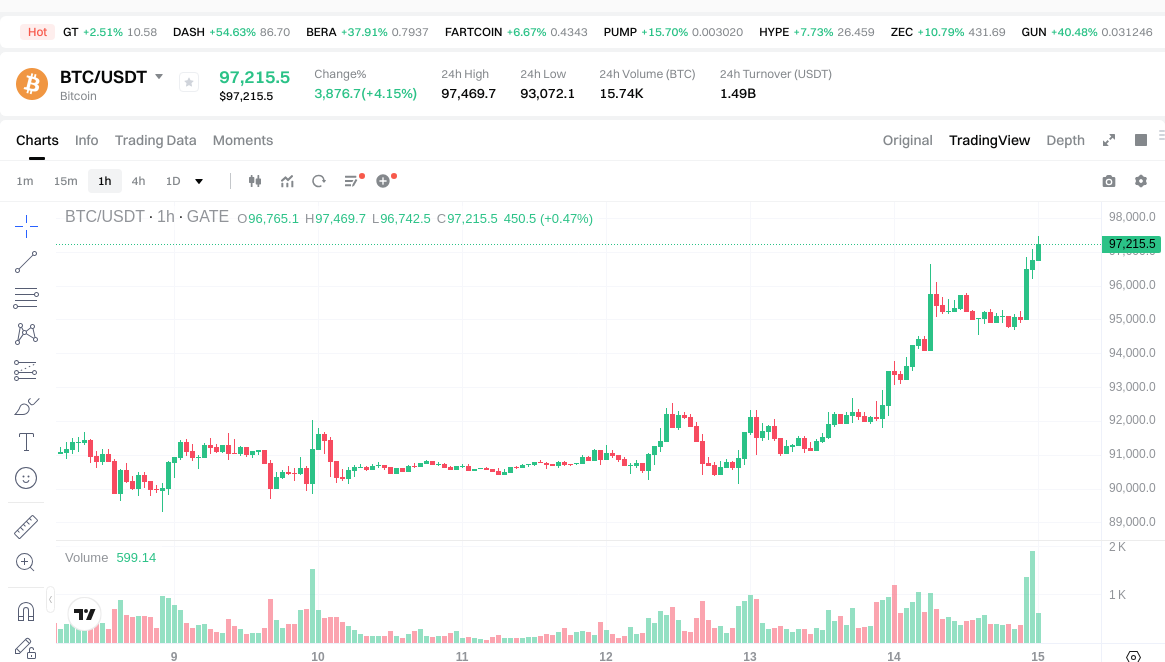
The development of Bitcoin ETPs addresses several challenges that have historically prevented mainstream investors from participating in cryptocurrency markets, including concerns about security (risk of exchange hacks or lost private keys), regulatory uncertainty, tax reporting complexity, and the technical knowledge required to safely store and manage digital assets. By packaging Bitcoin exposure in a familiar, regulated investment product, Bitcoin ETPs lower these barriers to entry.
Currently available Bitcoin ETP products remain relatively limited compared to traditional ETPs, but the selection is expanding as regulatory frameworks mature and institutional interest grows. Notable examples of Bitcoin ETP products include:
Physical Bitcoin ETP by Invesco
Invesco, one of the world's largest and most established ETF providers with hundreds of billions in assets under management, offers a Physical Bitcoin ETP that tracks the Bitcoin Hourly Reference Index. This index monitors Bitcoin prices on an hourly basis using a proprietary methodology developed by CoinShares, an investment firm specializing in digital asset investments and research.
The "physical" designation indicates that the ETP is backed by actual Bitcoin holdings, rather than derivatives or synthetic exposure. This structure provides investors with direct exposure to Bitcoin price movements and eliminates certain counterparty risks associated with derivative-based products.
21Shares Bitcoin ETP (ABTC)
21Shares, an investment firm focused exclusively on cryptocurrency and digital asset products, offers the 21Shares Bitcoin ETP (ticker: ABTC). This product tracks Bitcoin prices aggregated from eight major cryptocurrency exchanges, providing a comprehensive and manipulation-resistant price reference. By sourcing price data from multiple exchanges, the product reduces the risk of price distortions that might occur on any single trading platform.
21Shares has been a pioneer in the cryptocurrency ETP space, offering a range of products covering various digital assets and providing institutional-grade infrastructure for crypto investment.
VanEck Vectors Bitcoin ETN
VanEck, a respected investment management firm with expertise in emerging markets and alternative assets, offers the VanEck Vectors Bitcoin ETN. Unlike the ETF products mentioned above, this is a Bitcoin-based exchange traded note (ETN), meaning it represents an unsecured debt obligation rather than direct ownership of Bitcoin.
The VanEck Bitcoin ETN is based on the MVIS CryptoCompare Bitcoin VWAP Close Index, which uses volume-weighted average pricing methodology to determine Bitcoin's value. While the ETN structure introduces credit risk (the risk that VanEck could default on its obligation), it may offer certain tax advantages or regulatory benefits in specific jurisdictions compared to ETF structures.
Conclusion
Exchange traded products (ETPs) are versatile financial instruments that trade on stock exchanges and track the performance of underlying assets, including stocks, bonds, commodities, indices, and increasingly, cryptocurrencies. The three primary ETP categories – exchange traded funds (ETFs), exchange traded notes (ETNs), and exchange traded commodities (ETCs) – each serve distinct purposes and carry different risk-return profiles.
Most ETPs are based on established, lower-risk market indices and are designed for passive investors seeking market-matching returns with minimal costs and effort. When compared to mutual funds, ETPs generally offer lower fees, higher liquidity, and greater trading flexibility, though they typically feature less active management and may provide less protection during market downturns.
The advantages of ETPs include diversified access to multiple asset classes, low-risk investment characteristics, exchange-based liquidity, and portfolio diversification benefits. However, investors should also be aware of limitations such as product complexity, limited return potential for passive index-trackers, and reduced responsiveness to market changes compared to actively managed alternatives.
Bitcoin ETPs represent an exciting development in the evolution of cryptocurrency investment products. While currently available Bitcoin ETP options remain limited, these products primarily take the form of Bitcoin ETFs backed by physical holdings or Bitcoin ETNs structured as debt obligations. As cryptocurrency continues to gain acceptance within the institutional investment community and regulatory frameworks become more accommodating, the variety and availability of Bitcoin and other cryptocurrency ETP products are expected to expand significantly in coming years, providing traditional investors with increasingly sophisticated tools for digital asset exposure.
FAQ
ETP是什么意思,它与ETF有什么区别?
ETP是交易所发行产品,ETF是交易所交易基金。ETF受更严格监管,而ETP更类似债券,两者都为投资者提供加密资产敞口,但法律结构和监管框架不同。
Bitcoin ETP purchases and trading venues
Bitcoin ETPs can be purchased through major financial exchanges and brokers offering crypto products. Open a brokerage account, fund it, search for Bitcoin ETP tickers, and place buy orders. Popular venues include traditional stock exchanges and regulated crypto platforms with ETP offerings.
What are the advantages and risks of investing in Bitcoin ETPs compared to directly holding Bitcoin?
Bitcoin ETPs offer easier access, reduced custody risk, and regulatory oversight compared to direct holding. However, they involve management fees and counterparty risk. ETPs suit investors preferring regulated, hassle-free exposure without managing private keys.
What are the main differences between traditional ETPs and cryptocurrency ETPs?
Traditional ETPs track stock performance of companies, while cryptocurrency ETPs track digital assets like Bitcoin and Ethereum. The key difference lies in underlying assets: traditional ETPs are based on equities, whereas crypto ETPs are based on blockchain-based cryptocurrencies.
What is the fee structure of ETPs and what costs are included?
ETP fees typically include management fees reflecting fund manager services and trading costs from buy-sell operations. Active management ETPs charge higher fees, while some combine passive and active strategies with varying cost structures.
Which investors are suitable for Bitcoin ETPs, and what are the entry requirements?
Bitcoin ETPs suit traditional finance investors seeking compliant exposure without self-custody. Entry requirements are minimal—basic financial knowledge helps. Ideal for those prioritizing transparency, regulation, and institutional-grade security over direct asset management.
* The information is not intended to be and does not constitute financial advice or any other recommendation of any sort offered or endorsed by Gate.