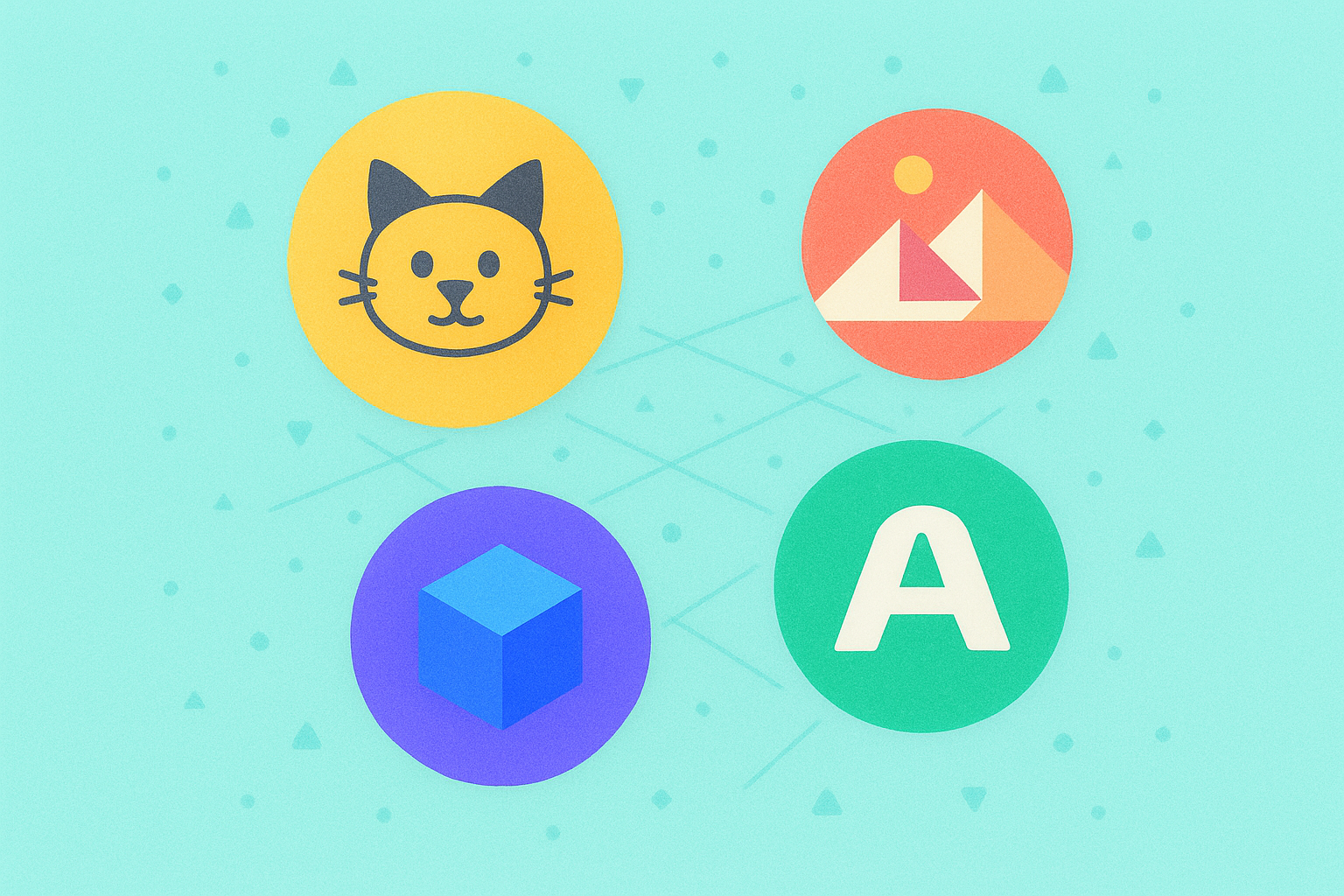
Learn about the ERC721 standard and how NFTs (non-fungible tokens) work on the Ethereum blockchain. Examine the distinctions between ERC721 and ERC20, discover practical use cases, and find out how to build ERC721 smart contracts for your one-of-a-kind digital assets.
What Is a Non-Fungible Token (NFT) and How Is It Different from a Fungible Token?
ERC-721 tokens, widely known as non-fungible tokens (NFTs), have evolved significantly since their initial proposal. The name “ERC-721” refers to the 721st entry in the Ethereum Improvement Proposals (EIP), designed to standardize processes on the Ethereum blockchain. While most EIPs are not adopted, ERC-721 gained enough momentum in June 2018 to become a required standard.
NFTs are tokenized assets—such as digital art, visual or video memes, and in-game items—that can be traded on the blockchain. Some of the most valuable NFT collections have sold for as much as $3,500,000, demonstrating the massive scale of the unique digital asset market.
Token standards set out common rules that must be followed on the Ethereum network. They establish:
- How tokens are created
- How ownership is determined
- How tokens are transferred
- How tokens are burned (destroyed)
NFTs operate on the Ethereum blockchain and enable the tokenization of any data. Each NFT has a unique identifier tied to its owner. You can think of NFTs as one-of-a-kind collectibles—this is one of their primary use cases.
This is fundamentally different from the ERC-20 standard for fungible tokens, where tokens are fully interchangeable because developers create many identical tokens within a single smart contract. For example, in the “real world,” a 10-euro bill is fungible: if you lend someone $10 and they repay you with any other $10 bill, it’s equivalent because the value is the same.
Another key difference is divisibility. Fungible tokens can be split into smaller units, while non-fungible tokens must be transferred as a whole. For instance, Bitcoin can be divided into smaller units (down to 1 satoshi), making all units interchangeable and Bitcoin itself fungible. In contrast, an NFT representing digital art can’t be split into parts.
Ethereum Non-Fungible Tokens: What Sets Them Apart?
Non-fungible tokens allow you to attach metadata to an asset, specify its attributes, and include ownership information. This extra detail is what makes each NFT unique—they contain more than a name, balance, or symbol. This defining trait gives NFTs a wide range of practical applications and makes them easy to integrate into other ecosystems.
Metadata can include things like ownership history, visual traits, rarity features, or links to media files. This level of detail lets you create digital assets that are truly unique and traceable, opening the door to innovative use cases across industries.
What Are the Uses of Non-Fungible Tokens (NFTs)?
Ethereum NFTs serve a broad audience—from professional traders to crypto enthusiasts intrigued by virtual cats or digital art. The creation of the NFT token standard has driven increased exposure and liquidity for game-related assets by enabling instant trading.
NFTs have made it easy to create digital collectibles and have laid the groundwork for many unique blockchain games. This technology has revolutionized the way users interact with digital assets, providing verifiable, transferable ownership.
CryptoKitties: NFT Trailblazers
The most well-known and influential example is CryptoKitties, developed by Axiom Zen, which became an overnight phenomenon. This is a collectible game where users can breed and collect virtual cats. CryptoKitties adopts the ERC-721 token standard, ensuring that every virtual cat is unique, and owners can be sure their assets cannot be duplicated or seized—unless someone has access to the private keys.
Following the cryptocurrency boom, many games and apps have followed suit, building on the NFT token standard. CryptoKitties showcased the commercial potential of NFTs and launched a new industry of digital collectibles.
Decentraland: A Tokenized Virtual World
Decentraland is a virtual platform—a 3D world where users can purchase parcels of land and build on them. Decentraland uses two tokens: MANA (a fungible ERC-20 token), which is burned to acquire LAND (an ERC-721 NFT). Once you own a virtual parcel, you can build, create apps, or add video and audio content to increase its value.
This platform perfectly illustrates how NFTs can build complex virtual economies, where digital land ownership carries real value and can be monetized in various ways.
Codex: Blockchain Art Certification
Codex is a registry for art and collectibles, supporting verification and storage of artwork information as NFT non-fungible tokens. This data is especially valuable for insurance and security related to high-value ownership or asset-backed loans.
By registering art on the blockchain, Codex provides an immutable proof of origin, reducing the risk of forgery and making art market transactions easier. This demonstrates how NFTs can deliver transparency and trust in traditionally opaque sectors.
SuperRare: A Decentralized Digital Art Gallery
SuperRare empowers the creation, sale, and collection of rare digital artworks by artists worldwide. This platform runs on smart contracts, enabling artists to mint limited-edition digital art recorded on the blockchain. This ensures the art is rare, authenticated, and collectible.
Artists gain a new revenue stream, helping to fund future creative projects. SuperRare creates a marketplace where creators can monetize their work directly, cutting out traditional middlemen and keeping more control over their art.
LAToken: Tokenizing Real-World Assets
The LAToken platform (backed by LAT tokens) enables tokenization of assets like real estate, gold, or art. These assets can then be sold in fractional shares, making investments that were once inaccessible available to a wider audience.
To use this feature, users must first buy LABT tokens, which are backed by publicly traded assets like stocks. LAToken lets users buy tokenized shares of companies such as Google, Apple, and Tesla, as well as physical assets like real estate, oil, and metals. This approach democratizes investments that were traditionally limited to high-net-worth individuals.
Sorare is a global fantasy football game where users play with officially licensed digital cards representing football players and can win real rewards. Ubisoft, a major gaming company, is among the project’s backers. Over 100 football clubs have already joined Sorare, with more being added each month, expanding the card pool.
A Sorare card is a digital collectible representing a football player tied to a specific season. With blockchain technology, fans can collect cards of their favorite players. Sorare cards, as non-fungible tokens, can be freely bought and sold. Ethereum’s blockchain lets users access the full digital history of each card, ensuring authenticity and traceability.
One Step Further: ERC-1155
Developed by the Enjin team, the ERC-1155 standard is an upgraded version of Ethereum’s ERC-721 token, allowing for thousands of digital items under one contract. For example, some pro gamers may own up to 100,000 digital items. With the ERC-721 NFT standard, this would require 100,000 separate smart contracts for tokenization.
ERC-1155 tokens combine the features of ERC-20 and ERC-721. It’s a smart contract with unique data, allowing multiple items (tokens) to be sent to multiple recipients in a single transaction. The benefits are clear: faster and cheaper transactions, and reduced network congestion—which is essential as Ethereum awaits scalability improvements with ETH 2.0.
This technical breakthrough marks a major leap in NFT transaction efficiency, enabling complex, economically viable use cases—especially for games and platforms managing large numbers of digital assets.
The Future of Non-Fungible Tokens
NFTs are unique and revolutionary. Their rapid rise comes as online and offline worlds become increasingly connected. Online gamers are no longer limited: Ethereum NFTs let them freely trade digital goods on open crypto markets.
Virtual cats, gaming gear, or unique images are just the start of what’s possible with NFTs. The fast development of this standard is also shaping art, music, fundraising, land registries, and digital rights. Many analysts believe the true NFT boom is still ahead, with applications poised to transform both the digital and traditional economy.
FAQ
An NFT is a non-fungible token representing a unique digital asset on the blockchain. The ERC-721 standard defines functions for creating, transferring, and managing these unique NFTs, each with its own distinct metadata.
What Are the Differences Between an NFT (ERC-721) and a Fungible Token (ERC-20)?
An NFT (ERC-721) is unique and cannot be divided, representing distinct assets such as digital collectibles. A fungible token (ERC-20) is interchangeable and divisible, like a typical currency. ERC-721 tokens are not interchangeable on a one-to-one basis, while ERC-20 tokens are perfectly substitutable.
Use a secure wallet like MetaMask or Ledger to store your NFTs. For buying and selling, connect only to reputable platforms with robust authentication. Enable a trusted VPN to protect your transactions. Keep your private keys safe, and always verify addresses before confirming any action.
What Are the Real-World Use Cases for NFTs and Non-Fungible Tokens?
NFTs verify the authenticity of artwork, collectibles, and unique digital assets. They support intellectual property rights, gaming, and secure transactions in the Web3 ecosystem.
What Are the Main Risks and Common Scams in the NFT Market?
Key risks include plagiarized fakes, fraudulent platforms, and smart contract scams. Always verify the creator’s authenticity and the platform’s legitimacy before purchasing an NFT.
What Is the Future of NFTs and ERC-721 Technology?
The outlook for NFTs and ERC-721 is strong, with rising adoption and expanding use cases. The technology will continue to advance with enhanced features and better interoperability. ERC-721 NFTs will remain a cornerstone of the blockchain ecosystem.
* The information is not intended to be and does not constitute financial advice or any other recommendation of any sort offered or endorsed by Gate.