Comprehensive guide to cryptocurrency staking for new investors. Discover how to get started with staking, generate passive income, and select top platforms and cryptocurrencies for earning potential. Covers everything from PoS fundamentals to practical strategies for maximizing returns.
What Is Cryptocurrency Staking
Cryptocurrency staking is a widely used method for earning passive income from digital assets, allowing holders to receive rewards for helping maintain blockchain network operations. Users place their coins in a dedicated account, becoming part of the project’s infrastructure by validating transactions and securing the network.
Unlike traditional mining, staking doesn’t require substantial computing power or specialized equipment. Holders simply lock a specific amount of coins in their wallets, making them available to the network for transaction validation. In return, participants receive regular payouts in the form of additional project tokens.
Many investors see staking as an effective way to generate extra income—digital holdings work for them and deliver stable returns. This is especially attractive for long-term cryptocurrency holders who aren’t planning to sell their assets soon.
Which Cryptocurrencies Can Be Staked
Staking is available for cryptocurrencies that use the Proof-of-Stake (PoS) consensus mechanism. PoS is a more energy-efficient alternative to Proof-of-Work (PoW), as it does not require extensive computing hardware or high electricity consumption.
The basic principles of PoS include:
-
Participant balance analysis: The network constantly monitors user account balances. The larger the balance, the greater the chance that participant will be chosen to validate the next transaction block. Validator selection also considers factors like how long coins have been staked and randomization, ensuring fair opportunity distribution.
-
Use of computing resources: The user’s device provides the computational power to record blockchain transactions. Staking is only possible while the device—be it a computer, server, or dedicated node—is actively running. However, hardware requirements are far lower than in traditional mining.
-
Reward distribution: Participants earn new project coins for successfully validating blocks and supporting the network. Rewards depend on the amount staked, network rules, and the number of participants.
-
Process automation: Staking is fully automated, requiring no constant oversight or active involvement. Once set up, the system runs independently and pays out rewards regularly.
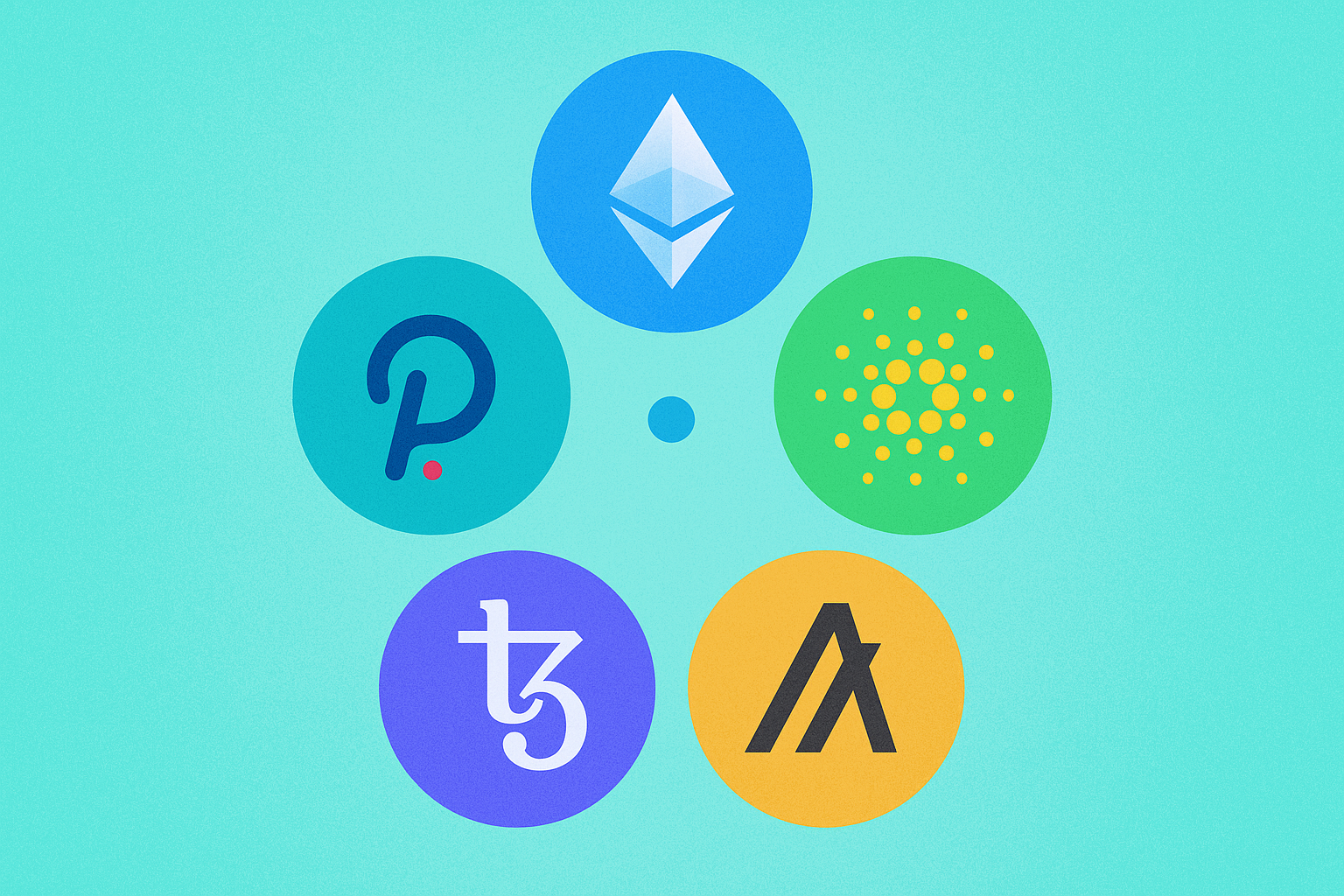
Popular staking cryptocurrencies include Ethereum (following its transition to PoS), Cardano, Polkadot, Tezos, Algorand, Cosmos, and many other PoS-native projects.
How to Earn Through Cryptocurrency Staking
Starting staking is simple—even for crypto newcomers. Here’s a step-by-step guide:
1. Choose a cryptocurrency: First, decide which project you want to stake. Conduct thorough due diligence: review blockchain technical specs, the development team’s reputation, project growth prospects, and the staking terms. Make sure your chosen cryptocurrency truly supports PoS and offers staking for regular users.
2. Find a suitable platform: Next, pick a reliable platform or wallet that supports staking for your asset. Options include the official project wallet, crypto exchanges with staking features, or specialized services. When choosing, pay attention to commission rates, withdrawal conditions, minimum staking amounts, and platform reputation.
3. Acquire and deposit cryptocurrency: Buy the required coins, then transfer them to the chosen platform or wallet supporting staking. Depending on the project, you may need to activate staking manually, or it may start automatically when funds are credited.
4. Monitor rewards and payouts: Once staking is active, track your rewards and consider reinvesting earned tokens to boost returns. PoS network payouts vary—from a few minutes to a month—depending on each blockchain’s specifics.
Keep in mind that some networks impose a lock-up period during which staked coins cannot be withdrawn or sold. Factor this into your investment planning.
Top Cryptocurrencies for Staking
Here are some popular projects offering attractive staking terms:
Algorand
Algorand is a high-performance blockchain platform known for its easy staking process. To get started, download the official Algorand Wallet for iOS or Android—its user-friendly interface suits beginners.
After installing, create a wallet and transfer ALGO tokens. Staking is activated automatically once funds arrive—no extra steps required. Algorand’s annual staking yield can reach up to 6%, which is very competitive.
Rewards are distributed about every 9 minutes, so you see your balance grow in near real time. The project does not charge fees on rewards credited, making ALGO staking especially appealing.
Cardano
Cardano is one of the largest blockchain projects, developed with a scientific approach. The platform supports two main staking options: joining an existing staking pool or running your own validator node.
For most users, delegating ADA tokens to a staking pool is ideal. It requires no technical skills and can be done via the official Daedalus wallet or lightweight Yoroi wallet. Cardano’s annual staking yield reaches up to 7%, with full liquidity—funds can be withdrawn anytime.
A key advantage is the absence of a lock-up period and the ability to freely switch between pools to optimize returns. To start earning, acquire ADA tokens and delegate them to your chosen pool using the wallet interface.
Polkadot
Polkadot is widely considered among the most lucrative staking cryptocurrencies. This multichain protocol enables blockchain interoperability and offers yields up to 16% per year—well above many competitors.
To stake Polkadot, purchase DOT tokens and place them in a wallet or platform supporting DOT staking. Options include the official Polkadot.js extension or third-party services with user-friendly interfaces.
Polkadot offers two participation options: direct validator nomination (minimum 120 DOT) or using nomination pool services for a lower entry threshold. The high yield justifies the process’s complexity, making Polkadot attractive for serious investors.
Tezos
Tezos is a pioneer in crypto staking and helped popularize the concept. In the Tezos community, staking is often called "baking," highlighting its unique terminology.
Tezos staking yields up to 6% annually—a stable, predictable return. To start, acquire XTZ tokens and transfer them to a wallet or platform supporting staking. Delegating in Tezos is straightforward and does not lock funds—assets remain fully under your control.
Tezos offers a developed infrastructure and a large pool of reputable "bakers" (validators) to choose from. The platform supports automatic reward reinvestment, maximizing returns through compounding.
How Much Can You Earn from Cryptocurrency Staking
Potential earnings are a key consideration when comparing staking and mining. These approaches differ in both technical operation and economics.
PoS network participants generally earn less than PoW miners in absolute terms, but the full cost-benefit analysis is essential. Staking requires no major hardware investment, incurs minimal electricity costs, and doesn’t demand regular maintenance or upgrades. This makes entry far easier and the process accessible to many users.
Staking yields vary widely by project, network conditions, and participant count. Most annual payouts range from 2% to 15% of the staked amount. Some newer or less popular projects may offer higher rates—up to 20–30% annually—but these come with increased risk.
Key factors to consider when calculating potential profit:
- Platform fees: Many exchanges and services charge a percentage of staking rewards
- Cryptocurrency volatility: Asset price changes can raise or lower real returns in fiat terms
- Lock-up period: Some networks require funds to be locked for a fixed time, limiting liquidity
- Token inflation: Issuance of new coins can lower the value of existing assets
Maximize profits by diversifying your staking portfolio across multiple reliable projects with different yield and risk profiles.
Cryptocurrency Staking on Exchanges and Alternative Methods
There are many ways to participate in staking, each with its own features and benefits. You can stake through various platforms and services:
Cryptocurrency exchanges are among the easiest ways to start staking, especially for beginners. Leading platforms offering staking services include:
- Coinbase – major regulated exchange with a user-friendly interface
- Bitfinex – professional platform with a broad asset selection
- Kraken – trusted exchange with competitive staking terms
- Huobi – global platform with diverse programs
- Poloniex – established exchange with long operational history
Top crypto platforms typically offer over 20 coins for staking. Some cryptocurrencies yield up to 16% annually on these exchanges, making them attractive for investors. The main advantage is simplicity—no wallet setup or technical know-how is required; everything is managed via the web interface.
However, unlike official project wallets, exchanges charge staking service fees. Fees range from 5% to 25% of earned rewards, which affects actual returns. Additionally, storing assets on an exchange means entrusting them to a third party, which carries certain risks.
Alternative staking methods:
- Official project wallets: Maximum control over funds, usually with no fees
- Hardware wallets: Devices like Ledger support secure staking
- Staking pools: Pooling funds with others increases chances of earning rewards
- DeFi protocols: Decentralized platforms offer staking and additional earning opportunities
- Validator nodes: Running your own node requires technical expertise but can offer the highest yields
The optimal staking method depends on your technical skill, investment size, security needs, and willingness to manage the process actively.
Conclusions
Cryptocurrency staking is an accessible, effective passive income strategy for digital asset holders. It enables regular earnings from holding coins and supports the growth and maintenance of blockchain ecosystems.
Before staking, conduct thorough research: review technical and economic project details, staking terms, historical yield data, and risk factors. Carefully choose a reliable platform—whether an exchange, an official wallet, or a specialized service.
Staking yields may vary significantly due to market volatility, protocol changes, and network participation levels. Diversify your staking portfolio and monitor conditions regularly to optimize returns and minimize risk.
Cryptocurrency staking is rapidly gaining traction as an alternative to traditional investing and offers a promising path for those seeking to maximize long-term value from digital assets.
FAQ
What Is Cryptocurrency Staking and How Does It Work?
Staking involves locking up cryptocurrency to support blockchain operations in Proof-of-Stake networks. Participants earn rewards for validating transactions. It’s more energy-efficient than mining and enables passive income without complex equipment.
How Much Do I Need to Participate in Staking? Are There Minimum Investment Requirements?
Minimums vary by cryptocurrency. Ethereum requires 32 ETH, Polkadot—451.17 DOT. Staking pools let you start with as little as 0.01 ETH or even 1 DOT, lowering the entry barrier for investors.
How Much Income Can I Earn from Cryptocurrency Staking? What Is the Typical Annual Yield?
Annual staking yields usually range from 3–10%, depending on the network and cryptocurrency. For example, Ethereum staking yields about 3–5% per year, while other PoS networks may offer higher or lower rates depending on market conditions.
Will My Funds Be Locked During Staking? When Can I Withdraw Them?
Your funds will be locked for 30 days to 3 months, depending on the terms. After the lock-up period, you can request withdrawal—funds are usually credited within 1–7 business days.
What Are the Risks of Cryptocurrency Staking and Can I Lose My Principal?
Yes, loss of capital is possible. Main risks include price declines, smart contract vulnerabilities, validator issues, and limited liquidity. Use reputable platforms and diversify staking across multiple validators.
Which Cryptocurrencies Support Staking? Can I Stake Bitcoin?
Staking is available for PoS-based cryptocurrencies: Ethereum, Cardano, Polkadot, and others. Bitcoin does not support native staking, but Wrapped Bitcoin on Ethereum or specialized protocols can be used.
What Is the Difference Between Staking and Mining? Which Is Better for Earning?
Mining uses computing power to verify transactions; staking requires holding coins. Staking is more energy-efficient, provides steady income, and is accessible to everyday users. Mining needs expensive hardware but can offer higher returns. Choose based on your resources and goals.
Do I Need Special Technical Knowledge to Participate in Staking? Can Anyone Join?
No special skills required—anyone can participate and earn steady income. Staking is a straightforward way to earn from crypto holdings without technical expertise.
Are Staking Earnings Taxable? What Is the Tax Policy in Different Countries?
Staking taxes depend on your country. In the US, staking income is taxed as ordinary income. Other countries have different rules. Consult a tax professional for guidance in your jurisdiction.
How Do I Choose a Reliable Staking Platform? What Are the Security Recommendations?
Select platforms with audited security (CertiK, PeckShield), transparent TVL, clear revenue sources, and a strong safety record. Avoid high withdrawal fees and unrealistically high annual yields. Start with small amounts, use permission check tools (Revoke.cash), and favor top staking protocols.
* The information is not intended to be and does not constitute financial advice or any other recommendation of any sort offered or endorsed by Gate.