Discover how cryptocurrency staking operates and earn passive income on the blockchain. Explore the benefits, risks, and how staking compares to mining. Start staking today on Gate.
Key Points
Staking involves locking cryptocurrency to enhance a blockchain’s security and functionality, and in return, participants earn rewards.
Staking is popular among crypto holders because it lets investors support their preferred blockchains while growing their assets over time.
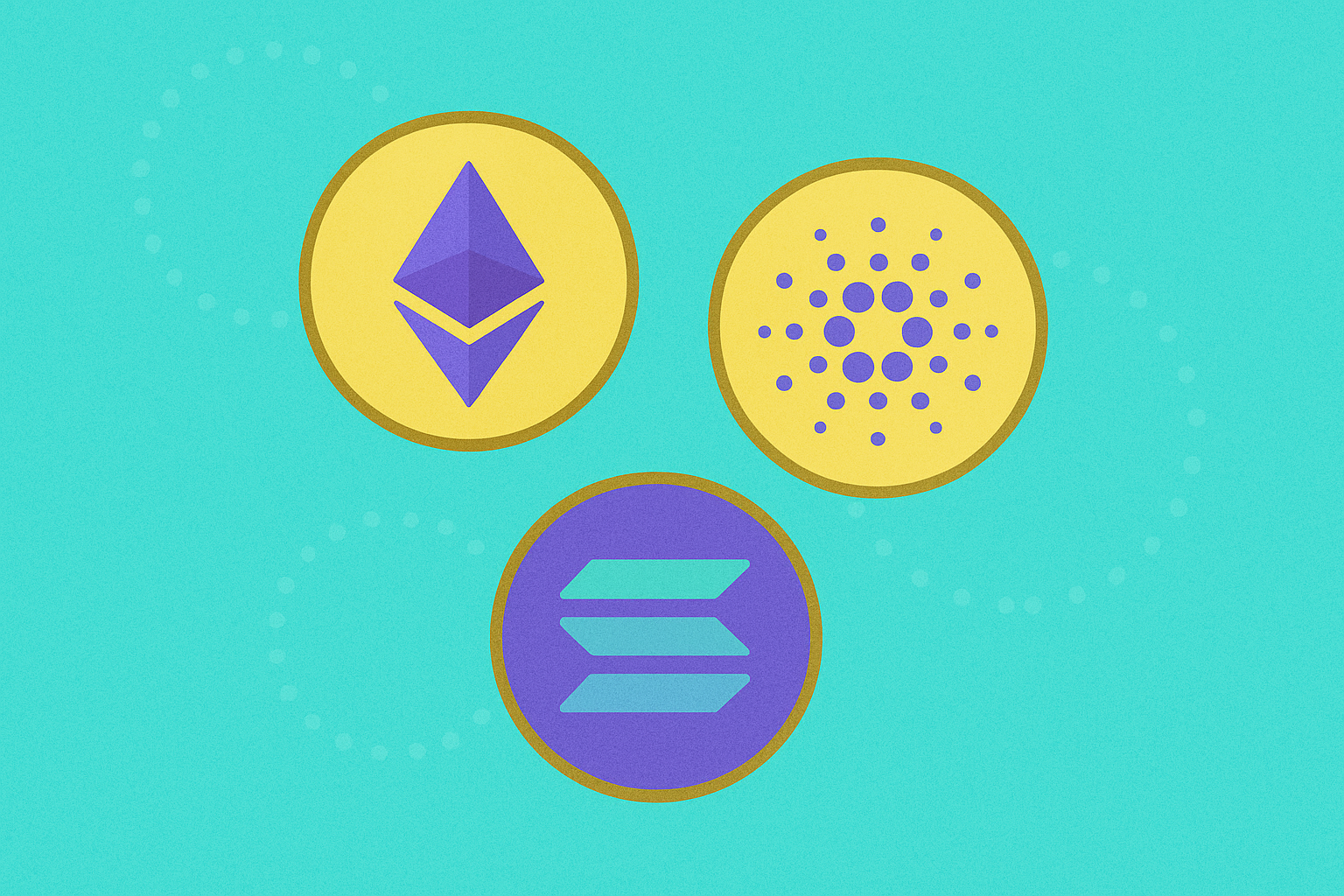
Only certain blockchains that use the Proof of Stake (PoS) consensus mechanism offer staking. Examples include Ethereum, Solana, Cardano, Avalanche, Polkadot, Cosmos, and many others.
Although staking can increase your crypto holdings, you should carefully evaluate risks such as market volatility, slashing, and technical failures.
What is Cryptocurrency Staking?
Staking means locking a specific amount of cryptocurrency to help secure and operate a blockchain network. Stakers earn cryptocurrency rewards for their participation, making staking a popular method for generating passive income. Staking is essential to blockchains that use Proof of Stake.
What is Proof of Stake?
Proof of Stake (PoS) is a consensus mechanism for validating and confirming blockchain transactions. Introduced in 2011 as an alternative to Bitcoin’s Proof of Work (PoW), it provides a different approach to achieving consensus.
The primary distinction between PoW and PoS is that PoS eliminates the need for resource-intensive mining. Instead of miners using computational power to solve complex mathematical puzzles, PoS networks select validators based on how many coins they hold and stake.
How Does Staking Work?
Staking, in essence, means locking up your cryptocurrency to participate in blockchain network operations. Although the process varies by blockchain, it typically works as follows:
-
Validator selection: In PoS blockchains, validators are chosen based on factors such as the amount staked, staking duration, and sometimes random selection.
-
Transaction verification: Selected validators verify and confirm transactions, ensuring their legitimacy.
-
Block creation: Verified transactions are bundled into a block, which is added to the distributed ledger known as the blockchain.
-
Rewards: Validators receive a share of transaction fees and, in some cases, newly minted coins as compensation for their work.
Types of Staking
Your technical expertise and the amount of crypto you want to stake determine which staking approach to take. The most common types include:
Solo staking requires running your own validator node. This gives you maximum control but demands significant technical skill and responsibility. Improper operation could lead to loss of funds through slashing penalties.
Exchange staking is when a crypto exchange provides staking services, offering a simple, non-technical way to participate. This is also called staking as a service.
Delegated staking means you delegate your coins to a trusted validator or staking service, letting them manage the technical aspects for you.
Staking pools allow you to combine your coins with other users, increasing your chances of earning rewards without needing to run your own node.
What is a Staking Pool?
A staking pool is a collective of crypto holders who pool their staking power to boost their odds of being selected as validators. Participants earn rewards proportional to their pool contribution.
Staking pools are especially advantageous for smaller investors who lack the minimum coins required to stake alone.
Staking and Liquid Staking
Liquid staking is an emerging approach that lets users stake assets while maintaining liquidity. Unlike traditional staking—where assets are locked and inaccessible—liquid staking introduces mechanisms that allow users to keep their funds liquid and continue earning staking rewards.
A common implementation involves liquid staking tokens (LSTs), which represent staked assets. For example, staking ETH might yield WBETH, which you can trade or use elsewhere without affecting your ETH staking rewards.
Some platforms offer native liquid staking, enabling direct staking of assets without issuing LSTs.
Advantages of Staking Your Cryptocurrency
Staking puts your idle assets to work, enabling you to earn rewards and help secure your preferred blockchain networks.
Why Stake?
Rewards: Staking lets you earn extra cryptocurrency by holding your coins in a staking wallet, offering a steady source of passive income.
Network support: By staking, you help secure the network and maintain its proper operation.
Governance participation: On some networks, staking provides voting rights, empowering you to help shape the network’s future.
Energy efficiency: Staking consumes far less energy than PoW mining.
Is Cryptocurrency Staking Worth It?
In general, staking idle crypto assets to generate passive income is a smart choice—especially for long-term holders who want to support a project. However, both rewards and risks depend on which cryptocurrency and platform you select.
Risks of Staking
Staking can be profitable, but it carries several risks. Key risks include:
-
Market volatility: If the price of your staked crypto drops sharply, your rewards may not offset your losses.
-
Slashing risk: Validators who act maliciously or fail to maintain their node can be penalized, resulting in lost funds.
-
Centralization risk: If a handful of validators control most staked coins, network centralization may occur.
-
Technical risk: Some staking methods require locking coins for a set period. Technical issues, like smart contract bugs, could result in lost access.
-
Third-party risk: Using a third-party staking service means entrusting your funds to another entity.
How to Stake Cryptocurrency Today
-
Choose a PoS cryptocurrency: Pick a cryptocurrency that supports staking and review its requirements and rewards.
-
Set up a wallet: Open a wallet compatible with staking.
-
Begin staking: Follow your network’s procedures to stake coins by running a validator node, delegating to validators, or joining a staking pool.
How are Staking Rewards Calculated?
Staking rewards depend on the network and are usually based on factors such as:
-
The amount of cryptocurrency you stake
-
The length of your staking commitment
-
The total staked coins on the network
-
Network transaction fees and coin inflation rate
Some blockchains pay rewards at a fixed percentage. Staking rewards are typically expressed as an estimated annual percentage rate (APR).
Can You Withdraw Cryptocurrency from Staking?
Generally, yes—you can usually withdraw your cryptocurrency from staking at any time. However, platform-specific rules and mechanisms apply. Early withdrawal may result in partial or total loss of staking rewards, depending on the platform.
Why Can't You Stake All Cryptocurrencies?
Staking is unique to PoS blockchains. Cryptocurrencies like Bitcoin, which use a PoW consensus mechanism, do not support staking.
Summary
Cryptocurrency staking provides an opportunity to engage with blockchain networks and earn rewards. However, you must understand risks such as market volatility, third-party exposure, slashing, and technical failures. By selecting the right staking method and doing thorough due diligence, you can support the blockchain ecosystem and potentially earn passive income.
FAQ
What is cryptocurrency staking? How is it different from mining?
Staking locks up assets to support a network, while mining requires computational power. Staking is more energy efficient, while mining is resource intensive. Staking demands capital investment; mining requires specialized hardware.
How do you start staking cryptocurrency? What are the requirements and minimum investment?
Choose a cryptocurrency to stake (ETH, ADA, SOL). The minimum investment is usually 10–30 ETH, depending on the platform. Lock your tokens and earn annual interest rates between 3% and 20%. You’ll need a wallet that supports staking or a delegation platform.
How much profit can you earn from staking cryptocurrency? How is yield calculated?
Staking yield depends on the coin type, staking duration, and network activity. Annual yield (APY) ranges from 5% to 20%, depending on the project. Profit is calculated as: Rewards = (Number of coins × APY) / 365 days. Yield is variable and fluctuates with the network.
What are the risks of staking cryptocurrency? How is fund security protected?
Staking carries risks like market volatility, liquidity risks, and technical failures. Fund security is protected through two-factor authentication, cold storage, and professional security audits. Choosing a reputable staking platform further minimizes risk.
Which cryptocurrencies support staking? What are the primary coins for staking?
The top cryptocurrencies for staking include Ethereum (ETH), Cardano (ADA), and Ripple (XRP). These assets have the largest market capitalizations and broadest user support for staking mechanisms.
Can you withdraw funds at any time during the staking period? What is the unlocking period?
You cannot withdraw funds instantly during the staking period. The unlocking period is seven days. Users must request to un-stake and then wait seven days before accessing their staked funds.
* The information is not intended to be and does not constitute financial advice or any other recommendation of any sort offered or endorsed by Gate.