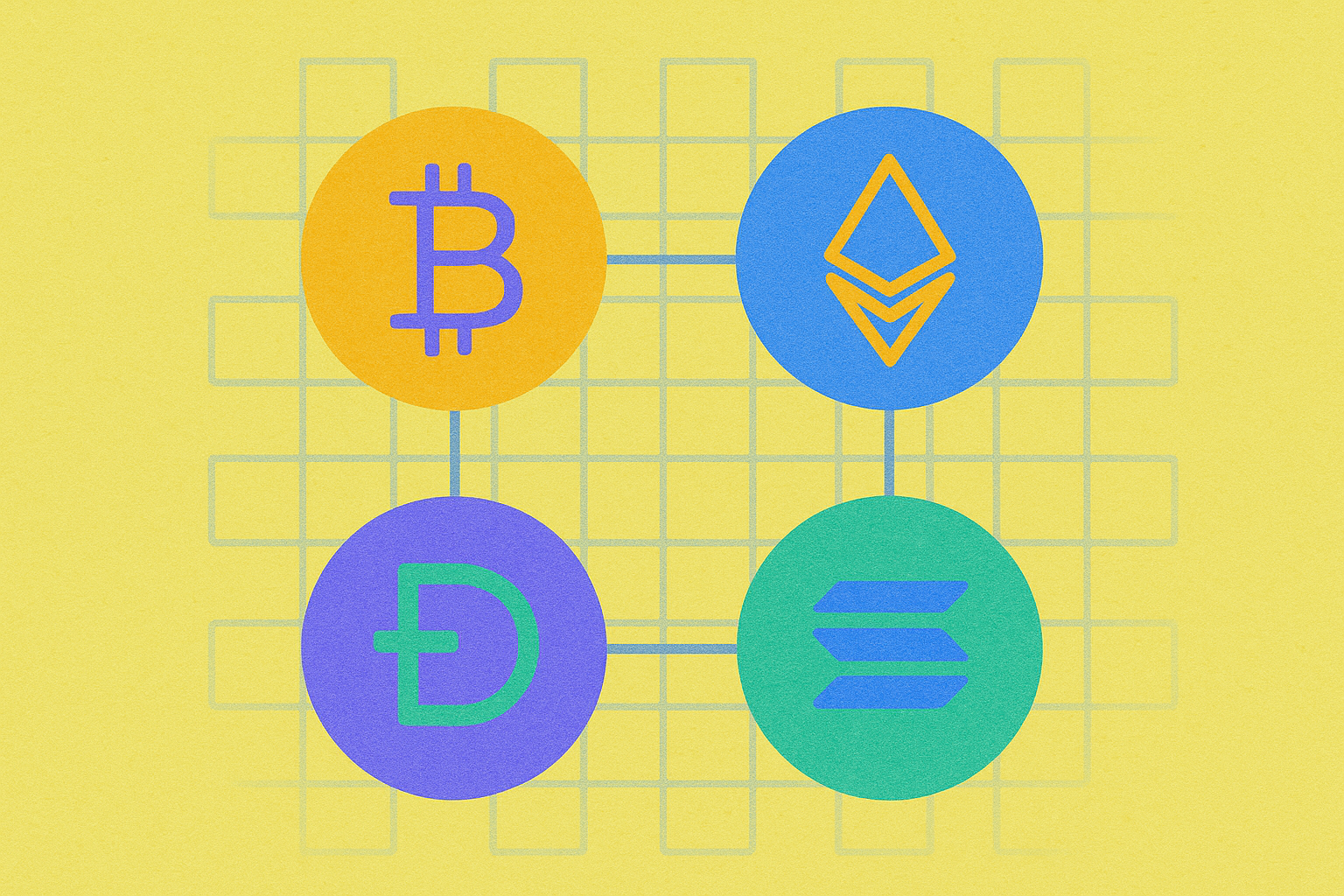
Fluid is a DeFi protocol delivering high-leverage trading infrastructure supporting up to 50x leverage for Bitcoin, Ethereum, DOGE, and SOL. The protocol operates through unified liquidity pools that combine lending, borrowing, and trading functions, eliminating traditional platform fragmentation and maximizing capital efficiency. Built on Arbitrum with $600 million TVL and 10-second market order execution, Fluid enables rapid position management for serious traders. The Instadapp-backed project generated $2 million revenue within one month of launch, demonstrating strong market adoption and institutional confidence. Access Fluid tokens through decentralized exchanges like Gate. With advanced smart contract architecture, cross-chain functionality, and proven security audits, Fluid represents a credible advancement in decentralized leverage trading for crypto investors seeking amplified market exposure.
Core Protocol Logic: Fluid's High-Leverage Trading Infrastructure Supporting Up to 50x Leverage for BTC, ETH, DOGE, and SOL
Fluid's architecture represents a sophisticated high-leverage trading infrastructure designed to maximize capital efficiency across multiple blockchain networks. At its foundation, the Fluid Core Protocol operates as a lending mechanism that enables traders to amplify their positions through collateralized borrowing, with support extending up to 50x leverage for BTC, ETH, DOGE, and SOL.
The protocol functions by pooling user capital into liquidity reserves, which serve as the backbone for leverage trading operations. When traders deposit collateral, they can borrow against it at predetermined ratios, enabling them to control positions significantly larger than their initial investment. This leverage multiplier mechanism requires robust risk management systems to maintain protocol solvency, utilizing real-time price feeds and automated liquidation processes to protect the underlying liquidity pools.
Fluid's multi-asset support demonstrates the breadth of its trading infrastructure. Bitcoin and Ethereum receive primary focus as the largest assets, while support for DOGE and SOL indicates a comprehensive approach to emerging trading pairs. This diversification across major cryptocurrencies and alternative assets reflects market demand for accessible, high-leverage derivatives.
As a top-tier DeFi liquidity provider, Fluid has achieved substantial market adoption, reaching $5.10 billion in total market size across chains. This scale validates the effectiveness of its high-leverage trading technology. The protocol operates within the Instadapp ecosystem, leveraging established infrastructure for security and operational reliability. By combining sophisticated leverage mechanisms with multi-chain functionality, Fluid's Core Protocol addresses a critical gap in decentralized finance for traders seeking amplified market exposure while maintaining protocol stability.
Use Cases and Market Adoption: Enabling 10-Second Market Order Execution with $600 Million Total Value Locked on Arbitrum
Arbitrum's emergence as a leading layer-2 solution has been instrumental in enabling high-performance trading infrastructure for leverage trading platforms. The network has accumulated over $600 million in total value locked, reflecting substantial institutional and retail participation in its DeFi ecosystem. Within this growing landscape, 10-second market order execution has become a critical differentiator, allowing traders to capitalize on time-sensitive opportunities with minimal latency.
Fluid's integration on Arbitrum exemplifies this technological advancement. The leverage trading technology deployed on the network enables users to execute complex trading strategies efficiently, whether trading Bitcoin and Ethereum or other digital assets. The 10-second execution window is particularly significant for margin traders who depend on rapid order fulfillment to manage risk exposure and capitalize on price movements.
This performance metric directly correlates with market adoption rates. As traders experience faster execution speeds through Arbitrum-based protocols, capital flows concentrate on the network, creating a virtuous cycle of liquidity and ecosystem growth. The $600 million TVL represents not merely numbers on a balance sheet but tangible evidence that Fluid and comparable leverage trading solutions have achieved meaningful market penetration among serious traders seeking reliable, fast execution paired with competitive leverage conditions.
Technical Innovation: Smart Contract Architecture and Execution Efficiency Bypassing Traditional Login and Wallet Connection Requirements
Fluid's innovative smart contract architecture fundamentally reimagines DeFi liquidity management by creating a unified layer that eliminates barriers inherent in traditional platforms. Unlike conventional protocols requiring wallet connections and login procedures, Fluid's design enables seamless access to lending, borrowing, and trading functions through integrated smart contracts that operate autonomously across blockchain networks. This architectural approach achieves superior execution efficiency by enabling cross-protocol capital reuse, transforming what would otherwise be idle deposits and collateral into actively productive assets.
The protocol's unified liquidity layer represents a structural departure from fragmented DeFi ecosystems where different functions compete for the same capital. By allowing lending, borrowing, and trading to reinforce one another simultaneously, Fluid's smart contract infrastructure maximizes capital productivity across multiple use cases. The removal of traditional login and wallet connection requirements streamlines user interaction while the underlying smart contract execution maintains robust security and operational transparency. This integration converts isolated liquidity pools into cohesive, interconnected systems where resources flow efficiently to their highest-utility applications, fundamentally advancing how DeFi protocols operate beyond conventional architectural limitations.
Development Roadmap and Team Background: Instadapp-Backed Project with Strong Track Record Generating $2 Million Revenue Within One Month of Launch
Fluid represents the latest evolution of Instadapp's decade-long commitment to advancing decentralized finance infrastructure. Instadapp, a multi-chain DeFi management platform, has established itself through pioneering integrations with industry-leading protocols including MakerDAO, Aave, and Compound. This extensive background in protocol innovation directly informed Fluid's architecture and launch strategy.
The partnership between Aave DAO and Instadapp, formalized through a $4 million investment in Instadapp tokens, underscores the institutional confidence in the team's capabilities. This alignment demonstrates that Fluid wasn't developed in isolation but emerged from proven expertise in building sophisticated DeFi solutions.
Fluid's early performance validates this track record. Within just one month of launch, the protocol generated $2 million in revenue, establishing itself as a credible player in the competitive lending space. This achievement reflects the team's ability to execute effectively and attract users to leverage trading opportunities across Bitcoin and Ethereum positions.
The protocol's development roadmap incorporates planned features and milestones scheduled across the next two years, demonstrating a structured approach to ongoing innovation. Post-launch metrics further showcase momentum, with the platform accumulating over $6 billion in total value locked and exceeding $120 billion in cumulative trading volume. These figures highlight user adoption and confidence in Fluid's leverage trading technology.
Instadapp's proven track record in DeFi development, combined with strategic backing from major protocols and Fluid's exceptional early revenue performance, positions the platform as a serious contender for users seeking advanced leverage trading capabilities and reliable lending infrastructure in the crypto ecosystem.
FAQ
What is Fluid crypto token and what are its main features in the DeFi ecosystem?
Fluid is a DeFi protocol optimizing capital efficiency and liquidity. Key features include unified borrowing and lending, advanced liquidation mechanisms, cross-chain support on Ethereum and Arbitrum, and reduced liquidity fragmentation for seamless asset utilization.
How does Fluid's leverage trading technology work for Bitcoin and Ethereum trading?
Fluid combines lending and trading in unified liquidity pools, enabling users to borrow against assets while trading. This maximizes capital efficiency and enhances leverage flexibility for Bitcoin and Ethereum positions.
Risks include funding costs, high volatility, margin calls, and potential liquidation losses. Platform technical failures may also occur. Implementing strict risk management and position sizing is essential for traders.
How do you buy and hold Fluid tokens, and what wallets support it?
Purchase Fluid tokens through decentralized exchanges using your Binance Web3 Wallet or other Web3-compatible wallets like MetaMask and Trust Wallet. Store your tokens securely in these wallets for long-term holding.
What makes Fluid's leverage trading different from traditional cryptocurrency exchanges?
Fluid integrates lending and trading in a unified liquidity pool, maximizing capital efficiency. Unlike traditional exchanges that separate these functions, Fluid enables seamless leverage trading with better rates and unique market opportunities.
Fluid's leverage trading technology is fully audited with verified smart contracts. The platform employs robust security measures, including safety checks and comprehensive protocols to protect user assets and ensure safe trading operations.
* The information is not intended to be and does not constitute financial advice or any other recommendation of any sort offered or endorsed by Gate.