This comprehensive guide introduces margin trading fundamentals for beginners, explaining how borrowed capital can amplify purchasing power and profit potential in financial markets. The article covers essential concepts including margin definitions, initial and maintenance requirements, and leverage mechanics on platforms like Gate. It details how margin trading operates step-by-step, from opening positions to managing liquidation risks. Readers will learn critical advantages—enhanced returns and capital efficiency—alongside significant disadvantages including amplified losses and forced liquidations. The guide emphasizes safe margin ratios, proper risk management strategies, and distinguishes margin trading from futures and spot trading. Ideal for novice traders seeking to understand leverage mechanisms, this resource provides practical frameworks for determining appropriate margin levels based on experience and risk tolerance, ultimately helping traders make informed decisions before engaging in leveraged
Summary
Margin trading essentially means purchasing securities (bonds, derivatives, options, stocks) with borrowed funds. The biggest advantage of margin trading is that it increases your purchasing power and enhances your profit potential. However, losses can also multiply in margin trading. When you sell securities held in a margin account, you must first repay the borrowed amount to your broker from the total proceeds. This means if you close your position at a loss, you may not recover your initial margin.
Margin trading has become an increasingly popular strategy among traders seeking to maximize their returns in financial markets. By leveraging borrowed capital, traders can amplify their market exposure and potentially generate higher profits. However, this enhanced opportunity comes with proportionally increased risks that require careful consideration and risk management strategies.
What Is Margin Trading?
Margin trading fundamentally represents the practice of purchasing securities (including bonds, derivatives, options, and stocks) using borrowed funds. In this trading approach, you only need to possess a certain percentage of the funds required to make the purchase yourself, as you can use "margin" to cover the remaining amount—meaning you don't need the entire sum. The current minimum fund requirement, known as the initial margin and established by FINRA (Financial Industry Regulatory Authority in the United States), stands at 50% of the purchase value.
In cryptocurrency markets, margin trading involves the process of borrowing from crypto exchanges and using these funds to purchase or trade more cryptocurrency. The primary advantage of margin trading is its ability to increase your purchasing power and elevate your profit rate. This is why margin trading is also referred to as leveraged trading.
The concept of margin trading allows traders to access larger positions than their available capital would normally permit. This mechanism has revolutionized how both retail and institutional investors approach market opportunities, enabling them to capitalize on market movements with enhanced efficiency. By understanding the fundamental principles of margin trading, traders can make informed decisions about when and how to employ this powerful financial tool.
What Is Margin in Trading?
In simple terms, margin represents the percentage of the total order value that a trader must commit. In other words, it's the credit that a crypto exchange provides to enable you to place larger orders. For instance, if you have $1,000 in your account and want to trade with 2x leverage, you can place orders up to $2,000 thanks to margin.
The purpose of margin trading is to amplify gains from successful trades. However, it also magnifies losses because borrowed funds must be repaid with interest even if the trade results in a loss. Therefore, it's crucial to use leverage only when you have a clear plan and confidence in the trade you're about to execute.
Understanding margin requirements is essential for effective risk management. Different exchanges and trading platforms may have varying margin requirements, and these can change based on market volatility and the specific assets being traded. Traders should always be aware of their margin levels and maintain adequate funds to avoid forced liquidations.
What Does Margin Buying Mean?
As mentioned above, margin is the amount of cryptocurrency you need to enter a leveraged position. Therefore, when making a margin purchase, what you're actually doing is borrowing to buy more assets than you could purchase with your available funds.
For example, let's say Bitcoin is trading at $10,000 and you only have $5,000 in your account. By entering 2x leverage, you can purchase $10,000 worth of Bitcoin. In this case, you need to deposit $5,000 as collateral, and the exchange lends you the remaining $5,000.
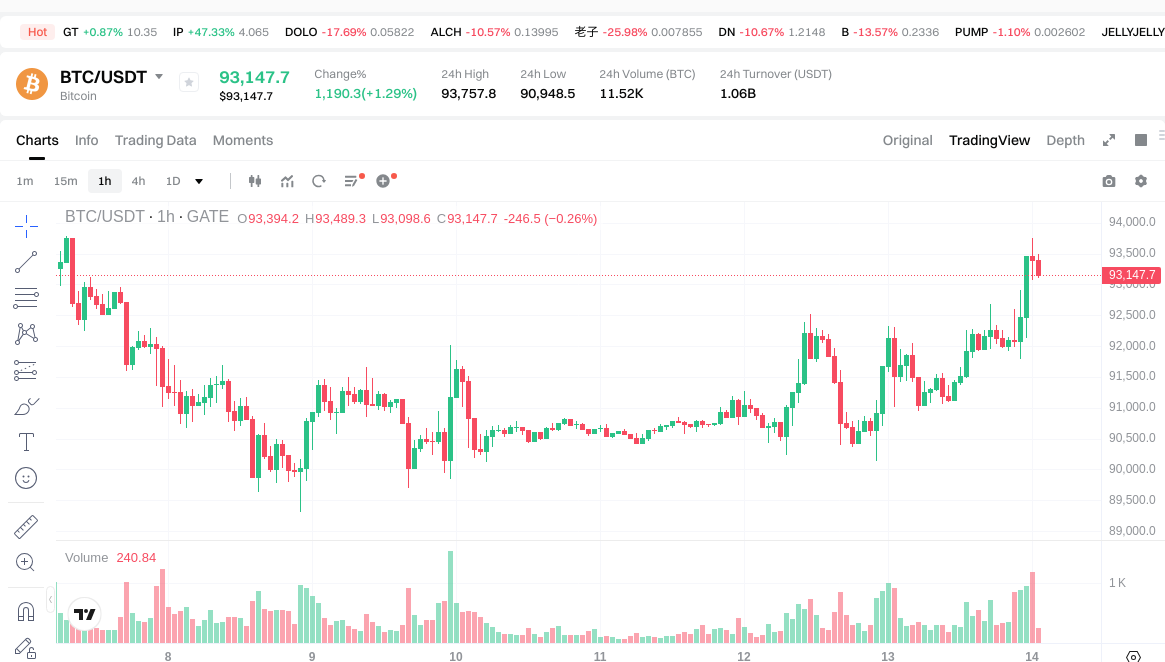
Margin buying enables traders to take advantage of market opportunities that would otherwise be beyond their immediate financial capacity. This mechanism has democratized access to larger trading positions, allowing smaller investors to compete more effectively in the market. However, it's important to remember that while margin buying can amplify profits, it equally amplifies potential losses, making proper risk assessment and management absolutely critical.
How to Conduct Margin Trading
For instance, if you want to purchase $1,000 worth of stock, you need to have at least $500 in your account. This is margin trading in its most basic sense. In reality, there are many more factors to consider when deciding to make a margin purchase (borrowing money) for the purpose of margin trading.
Let's say you want to buy $100,000 worth of Bitcoin but only have $2,000 in your account. Assuming you need a small collateral for the credit, this collateral could be as low as 1% of the position size if the leverage ratio is 100:1. Thus, the required margin would be 1% x $100,000 = $1,000. The remaining $1,000 in your account can be used to open additional trades.
Now that we've learned how much collateral is needed to open a position, let's examine together what happens when the Bitcoin price moves up or down. After opening your position, if the Bitcoin price increases by 10%, your account equity will also increase by 10% while your used margin remains the same. Conversely, if the Bitcoin price drops by 10%, your account equity will decrease by 10%. However, since your collateral value has decreased, you'll need to add more funds to maintain your current position size.
If Bitcoin's price drops by 20%, your position will be automatically liquidated by the exchange to prevent your account from going negative. This is why we strongly recommend not allocating your entire trading account to your margin account. Instead, we suggest using only a small portion of your account for margin trading. This way, even if the Bitcoin price drops by 50%, you'll still have some money left in your account to open new trades.
Successful margin trading requires not only understanding the mechanics but also implementing robust risk management strategies. This includes setting appropriate stop-loss orders, diversifying positions, and never risking more than a predetermined percentage of your total capital on any single trade.
How Margin Trading Works
You can trade perpetual contracts with leverage up to 100x. All you need to do is set aside a certain margin or portion of your funds to open a long or short position. The liquidation price is automatically set by our smart system according to your leverage level. If Bitcoin's price moves against your position and reaches the liquidation price, your position will be automatically closed to prevent your account from going negative.
The mechanics of margin trading involve a delicate balance between opportunity and risk. When you open a leveraged position, you're essentially controlling a larger amount of assets than your actual capital would allow. This amplification works in both directions—profits and losses are both magnified according to your leverage ratio. Understanding this fundamental principle is crucial for anyone considering margin trading as part of their investment strategy.
What Is a Safe Margin Ratio?
The margin you should use for your trading account depends on your risk tolerance and trading strategy. The lower the margin, the less risk you take. The good side of low margin is that there's little room for error. If you're new to trading, we recommend starting with a lower leverage ratio and gradually increasing leverage as you gain experience.
However, higher margin ratios also have their advantages. For example, if you're a more experienced trader and confident in your ability to predict market movements, you can open larger positions and earn more profit using a higher leverage ratio.
Determining the appropriate margin ratio is a highly personal decision that should be based on multiple factors including your trading experience, market knowledge, risk tolerance, and overall financial situation. Conservative traders might prefer ratios of 2:1 or 3:1, while more aggressive traders might use higher ratios. Regardless of your choice, it's essential to have a clear exit strategy and risk management plan in place.
Margin Account: To conduct margin trading, you need to have a separate margin account; you cannot use a standard cash account. This is similar to having separate accounts for your debit card and credit card. In a margin account, you can store the securities you purchased with margin.
Initial Margin: This is the amount of money you must have on hand to make a purchase. According to FINRA, this amount must be at least 50% of the total value of the purchase. Some brokers may require more, which will be agreed upon when creating the margin account.
Maintenance Margin: Also known as minimum maintenance or maintenance requirement, this is the minimum amount of your own money that must be in your margin account after a purchase is made. According to FINRA, this rate is 25% of the total value of the purchase. Again, some brokers may require more, ranging from 30% to 40%. If the value of the asset you purchased increases or decreases, your maintenance margin will increase or decrease accordingly.
Margin Calls: These occur when your own money in the margin account falls below the maintenance margin. This call is a warning to deposit money into the account to bring the amount to the maintenance margin level. If you don't do this, the broker may be forced to liquidate the securities held in the margin account.
Understanding these fundamental terms is essential for anyone engaging in margin trading. Each concept plays a critical role in how margin accounts function and how traders must manage their positions. Familiarizing yourself with these terms and their implications will help you navigate the complexities of margin trading more effectively and make more informed decisions about your trading activities.
Advantages and Disadvantages of Margin Trading
Advantages of Margin Trading
Margin accounts allow you to open larger positions than you could with only your own capital. This enhanced buying power enables traders to capitalize on market opportunities more effectively. Small market movements can result in large profits or losses, which means that even minor price fluctuations can generate significant returns when trading with leverage.
You can use stop-loss orders to limit potential losses, providing an important risk management tool. Since you only need to submit margin for trading, you don't need to hold a lot of cryptocurrency in your account, which improves capital efficiency. When you have a relatively small amount of money for trading, you can use margin to increase your returns or help diversify your portfolio, making it accessible to traders with limited capital.
The flexibility offered by margin trading allows traders to implement more sophisticated trading strategies and respond more quickly to market opportunities. This can be particularly valuable in volatile markets where timing is crucial.
Disadvantages of Margin Trading
Margin trading can also amplify losses significantly. When you sell securities held in a margin account, you'll need to first pay back the borrowed amount to your broker from the total proceeds. This means if you closed your position at a loss, you may not be able to recover your initial margin, potentially losing more than your initial investment.
As with any loan, interest is applied to margin trades and can accumulate over time, making margin trading more suitable for short-term rather than long-term investments. The exchange's margin requirements can limit the size of your position, potentially preventing you from taking advantage of certain opportunities.
You may be subject to margin calls if the value of your securities falls below the required maintenance margin. Since market movements are amplified with leverage, you may be forced to close a position when you're in profit due to margin requirements. The psychological pressure of trading with borrowed money can also lead to poor decision-making and emotional trading.
Margin Trading, Futures, and Leverage
Margin Trading: Margin trading and leverage are often used interchangeably, but they are not the same thing. Margin trading is a type of trading that allows you to purchase more cryptocurrency than you have available in your account with funds borrowed as a loan from a broker. In crypto exchange margin trading, traders can typically use 3 to 100 times leverage.
Leverage: Leverage is the ratio of borrowed funds to your own funds. For example, a leverage ratio of 100:1 means you're using $100 of borrowed money for every $1 of your own.
Futures: Futures are a different market. Futures contracts are a type of derivative, meaning they are based on the price of an underlying asset. Here, the underlying asset is typically the crypto spot price. Leverage in futures contracts is higher and offers different trading mechanics compared to traditional margin trading.
Understanding the distinctions between these related concepts is crucial for traders who want to make informed decisions about which trading instruments to use. Each has its own characteristics, risk profiles, and potential applications. While they all involve leverage to some degree, the specific mechanisms and regulatory frameworks can differ significantly.
In Conclusion, Is Margin Trading a Good Idea?
Margin trading can be a great way to increase your profits, but it can also multiply your losses if the market moves in the exact opposite direction of your prediction. Ultimately, it depends on your experience level and risk tolerance. If you're new to trading, it's generally not recommended to start with margin trading since the risks are higher. However, if you have some experience and understand the risks involved, margin trading can be a good way to increase your potential profit.
The decision to engage in margin trading should be made carefully, with full awareness of both the opportunities and risks involved. Successful margin traders typically combine market knowledge, disciplined risk management, emotional control, and continuous learning. They understand that while leverage can amplify gains, it equally amplifies losses, and they structure their trading activities accordingly. Before beginning margin trading, consider starting with a demo account, thoroughly educating yourself about market dynamics, and developing a comprehensive trading plan that includes clear entry and exit strategies, position sizing rules, and risk management protocols.
FAQ
What is margin trading? How does it differ from spot trading?
Margin trading uses borrowed funds with leverage to amplify trading gains, while spot trading uses only your own cash with no leverage. Margin trading offers higher returns but carries greater risk.
What does leverage ratio mean in margin trading? How to choose appropriate leverage multiples?
Leverage ratio is the proportion between your trading position size and margin deposit. Common ratios are 10:1, 50:1, or 100:1. Choose based on your risk tolerance and trading strategy. Higher leverage amplifies both profits and losses, so start conservatively.
What are the main risks of margin trading? How to prevent liquidation?
Main risks include liquidation and substantial losses. Prevent liquidation by setting stop-loss orders, using appropriate leverage ratios based on risk tolerance, and diversifying investments across multiple positions.
What is a Margin Call? How to respond to it?
A margin call is a demand to deposit additional funds or securities to maintain required account levels. If you fail to respond, your broker may forcibly liquidate positions. Promptly adding funds prevents forced asset sales.
Different trading platforms have varying requirements for margin trading. What are the main differences?
Different platforms set distinct margin requirements, including minimum deposit amounts and risk management rules. Key differences involve initial margin ratios, maintenance margin levels, and liquidation policies. Some platforms require higher collateral to prevent losses exceeding initial investments. Each exchange implements unique risk control measures and position limits for margin trading.
How are interest and fees calculated in margin trading?
Interest is calculated based on your margin amount and the exchange's interest rate. Fees typically include trading commissions and potential management fees. Both interest and fees vary depending on the exchange's specific rules and your account tier.
* The information is not intended to be and does not constitute financial advice or any other recommendation of any sort offered or endorsed by Gate.