Explore margin trading in the crypto market: understand how margin and leverage function, along with their advantages and potential risks. Get actionable risk management tips, real-world margin call scenarios, and proven strategies for safe trading on Gate. This complete guide is designed for traders at every experience level.
What Is Margin?
Margin is the practice of borrowing funds from a broker or exchange to acquire assets in amounts greater than a trader’s available capital. In essence, margin represents the portion of an asset’s purchase price that the trader pays with their own funds, while the remainder is covered by borrowed capital.
Leading cryptocurrency exchanges offer several forms of margin for trading digital assets. The most common include portfolio margin, single-currency margin, and multi-currency cross margin. Each type has distinct features and is suitable for different trading strategies and risk profiles.
Benefits of Margin Trading and Reasons for Its Popularity
To illustrate why seasoned crypto traders frequently use margin trading and leverage, consider the following hypothetical scenario. Imagine a trader anticipates a substantial price increase in Ether (ETH) in the near future. In standard spot trading without leverage, the trader could only purchase ETH using their available capital—for example, $1,000.
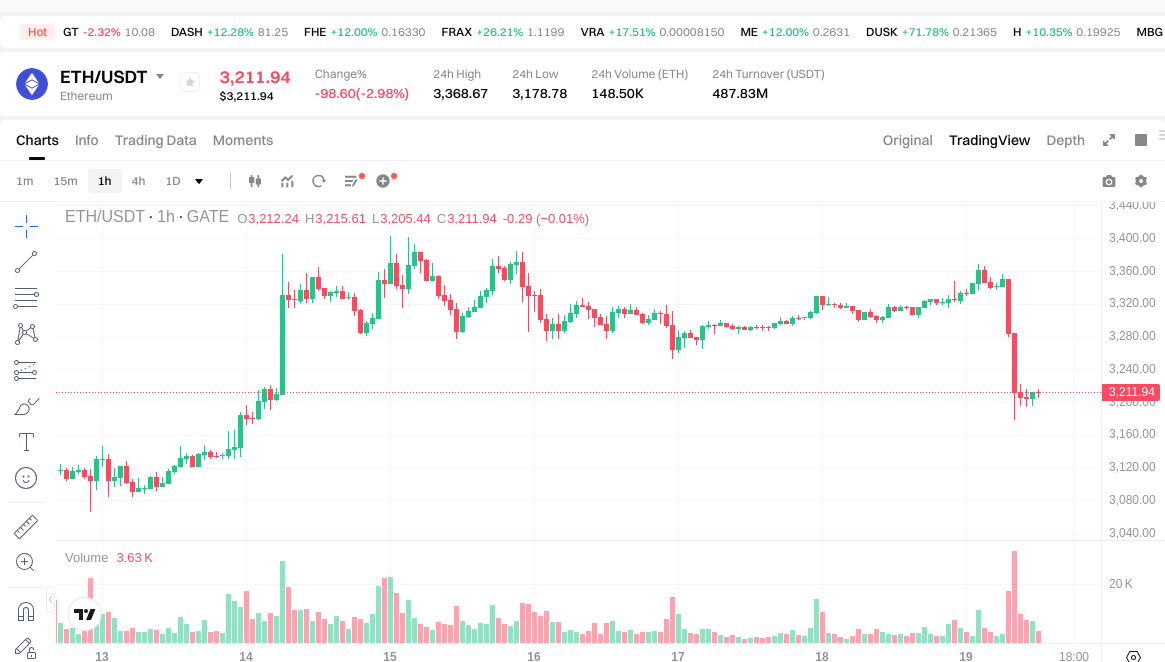
Margin trading, however, dramatically expands opportunities. By borrowing additional funds from a crypto exchange, traders can greatly increase their buying power. This means they can open significantly larger positions than their initial capital would otherwise allow. If their forecast proves correct and ETH appreciates, their potential profit will be much greater than with conventional trading.
It’s crucial to note that margin trading and leverage amplify both profit potential and loss risk in direct proportion to the leverage ratio. For instance, if a standard trade yields a 5% return, using 5:1 leverage could increase profits to 25% of the original capital.
Leverage and Its Ratios
Leverage is typically expressed as a ratio. In crypto trading, 5:1 leverage is most common, though some platforms offer higher ratios. With 5:1 leverage, a trader can borrow four additional dollars for every dollar of their own, multiplying their buying power by five.
Returning to the ETH example: with $1,000, a trader can buy $1,000 worth of ETH without leverage. With 5:1 leverage, the exchange lends $4,000, enabling the trader to purchase $5,000 in ETH. This magnifies potential profits if the asset’s price rises.
Using Margin Trading and Leverage in Trading Strategies
While the prospect of increasing returns is enticing, margin trading serves more than just profit-seeking. It has diverse practical applications across trading strategies, relevant for both novice and experienced market participants.
Short Positions
If a trader expects a cryptocurrency to decline in the short or medium term, margin trading enables opening a short position on that asset or token. This approach allows traders to profit from falling prices. Short positions are especially popular among those who analyze market trends and identify periods of corrections or bearish sentiment.
Hedging
Margin trading is also an effective tool for hedging an existing crypto portfolio. Hedging involves opening a position opposite to current portfolio holdings, helping to mitigate potential losses if the volatile crypto market moves against the trader. Hedging is particularly important for long-term investors aiming to protect assets from short-term volatility.
Risks of Margin Trading: The Downside of Leverage
While leverage can greatly amplify profits in crypto trading, it also increases potential losses and overall risk proportionally. The main challenge is that traders borrow funds to enlarge their market positions, but if the market moves unfavorably and the position value drops below a critical threshold (the minimum or maintenance margin), the exchange triggers a margin call.
A margin call is an exchange’s demand for immediate deposit of additional funds to maintain an open position. If the trader fails to meet this requirement on time, the exchange may forcibly close (liquidate) part or all of the position to cover the borrowed funds.
Margin Call in Practice
To clarify how margin calls work, here’s a practical example with ETH. Suppose a trader buys $5,000 worth of ETH using 5:1 leverage: $1,000 is their own capital, and $4,000 is borrowed from the exchange.
If ETH price drops by 20% after purchase, the position’s value falls to $4,000. If the exchange requires a minimum maintenance margin of 30%, a critical issue arises. The trader’s $1,000 equity is less than the required 30% margin ($1,200) of the current position value.
This situation triggers a margin call. To avoid forced liquidation, the trader must promptly deposit additional funds to meet margin requirements. Otherwise, the exchange will liquidate part or all assets to restore the minimum margin and cover the loan. This example underscores the importance of diligent risk management and avoiding excessive leverage in crypto trading.
Tips for Managing Volatility and Reducing Risk When Using Margin
Cryptocurrency markets are inherently volatile, and trading with leverage is especially unpredictable and risky. That’s why robust risk management is essential. Here are proven strategies to help minimize risk in margin trading.
Start Small: If you’re new to margin trading, start with small positions and low leverage (e.g., 2:1 or 3:1). This cautious approach allows you to gain experience with limited capital at risk.
Use Stop-Loss Orders (SLO): Always set stop-loss orders for every position. These automated orders close your position if the asset price falls below a set level, effectively limiting potential losses and protecting your capital.
Keep Your Margin Ratio Optimal: Successful margin trading requires restraint in leverage usage. Maintain a healthy balance between your position’s market value and required margin. A sufficient safety buffer provides maneuverability during temporary market downturns and helps prevent premature margin calls.
Control Your Emotions: Leverage trading can be psychologically challenging, especially in volatile markets with significant capital at risk. Develop a clear, detailed trading plan beforehand and adhere to it regardless of market conditions. Avoid impulsive decisions driven by fear or panic over short-term losses.
Should You Try Margin Trading?
Margin trading is a powerful tool for skilled, knowledgeable traders, but it carries notable risks and pitfalls. Before investing in margin trading, objectively assess your skill level, financial position, and risk tolerance.
Assess Your Skills Before Starting Margin Trading
Crypto markets are highly volatile, making specific skills essential for success in margin trading. Traders should be able to interpret price charts professionally, spot emerging trends, and make informed forecasts about future price movements.
Without these core analytical skills, traders may struggle with sudden volatility waves common in crypto. Combining analytical expertise with sound risk management strategies is key to trading safely with leverage and maintaining composure during market turbulence.
Understand How Leverage and Margin Requirements Work on Your Chosen Platform
Before trading with margin, thoroughly understand leverage mechanics and margin requirements for your chosen platform. Selecting a leverage ratio that matches your risk profile isn’t enough.
It’s equally important to grasp the platform’s specific liquidation triggers and the exact asset and fund requirements for maintaining your account. This detailed knowledge helps you avoid unexpected margin calls from sudden market volatility.
Additionally, consider the exchange’s interest rate or margin fee, and carefully calculate its impact on overall returns and portfolio growth over time.
Conclusion
For disciplined, well-prepared traders, margin trading can be a powerful way to increase profits and earn additional income in crypto markets. However, do not underestimate the risks of margin calls and forced liquidation.
Margin trading and leverage are double-edged tools, offering significant advantages and notable drawbacks. It’s essential to thoroughly understand their mechanics, associated risks, and proven volatility management methods in advance.
Continuously build your theoretical and practical skills, follow responsible trading principles, and begin with small positions and moderate leverage. Careful adherence to these precautions will allow you to steadily apply your growing expertise, succeed in margin trading, and increase your profits over time.
FAQ
What Is Margin and How Does It Work in Trading?
Margin is the collateral needed to open a leveraged position. It allows you to trade larger volumes with less initial capital. If your position value declines, you must replenish your margin.
How Can Leverage Be Used to Increase Profits?
Leverage lets you borrow funds to boost your trading volume and potential profits. Higher leverage means greater returns in favorable conditions. Start with low leverage and manage risk carefully.
What Risks Are Associated With Margin Trading?
Margin trading raises the risk of losses that can exceed your initial deposit. Sudden market moves may result in rapid capital loss. Position liquidation happens automatically when value drops below the margin call threshold.
How Is Margin and Required Capital Calculated?
Margin is calculated as the difference between opening and closing prices, multiplied by trading volume. Required capital is determined by leverage and position size. Formula: Required capital = Position size ÷ Leverage. For example, with 10x leverage on a $1,000 position, you need $100 margin.
What’s the Difference Between Margin and Leverage?
Margin is the minimum amount needed in your account to open a position. Leverage is a multiplier that increases your trading volume. Margin sets the minimum required capital, while leverage determines your market exposure.
What Is a Margin Call and How Can It Be Avoided?
A margin call is when your broker demands additional funds because your asset value fell below the minimum threshold. Avoid margin calls by monitoring margin usage, setting stop-losses, and keeping sufficient reserves in your account.
What Is the Optimal Leverage Ratio for Beginner Traders?
For beginners, leverage of 1:10 or 1:20 is recommended. This helps minimize risk while learning to trade. Start with lower leverage to protect your portfolio.
* The information is not intended to be and does not constitute financial advice or any other recommendation of any sort offered or endorsed by Gate.