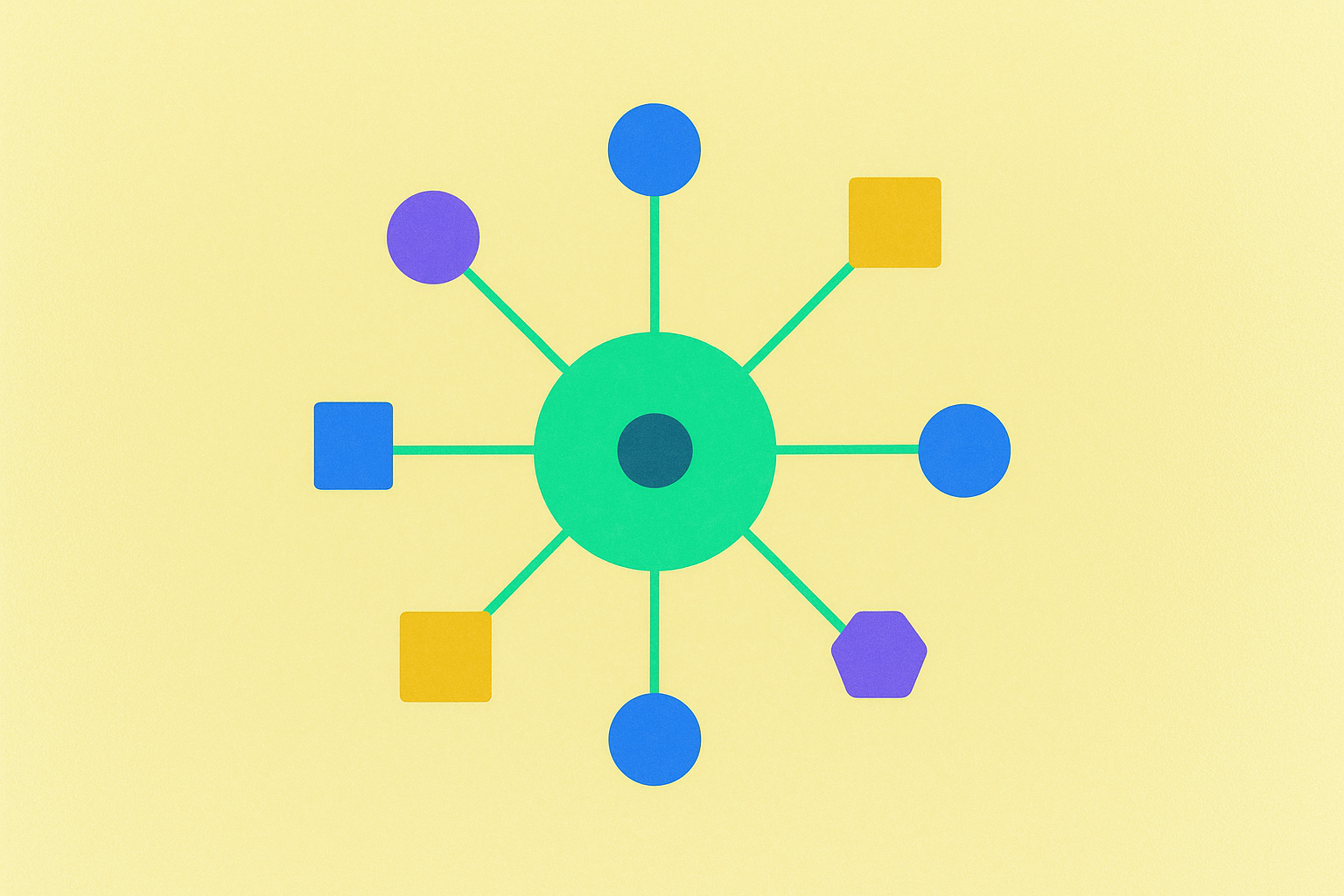
Polkadot emerges as a groundbreaking multi-chain blockchain platform designed to solve scalability and interoperability challenges facing Bitcoin and Ethereum. Built by the Web3 Foundation, it enables dozens of specialized blockchains (parachains) to communicate seamlessly while sharing security through a central relay chain, creating a decentralized Internet ecosystem. The platform employs heterogeneous sharding technology, allowing each parachain to optimize for specific use cases—from DeFi and gaming to supply chain management—while maintaining cross-chain interoperability through bridges and message passing protocols. Governance operates through a sophisticated Nominated Proof-of-Stake system involving validators, collators, nominators, and the council, ensuring decentralized decision-making. The DOT token functions as a governance, staking, and bonding mechanism with an inflationary model incentivizing network participation. With real-world applications spanning finance, identity management, and IoT, Pol
Introduction to Polkadot
Polkadot represents one of the most ambitious blockchain projects designed to create a user-friendly decentralized Internet of the future. Developed by the Swiss Web3 Foundation, the platform aims to build next-generation blockchains that are interoperable, scalable, and secure.
At its core, Polkadot is a scalable and customizable network of blockchains that seamlessly interact and communicate within a protected and secure ecosystem. This blockchain-focused project aims to create the next generation of the Internet with decentralized applications replacing centralized ones.
In a world where data value continues to grow, the Internet has become a channel through which large centralized organizations collect data from users. While most users provide data freely, the average user has no choice but to trust that their data will not be misused, lost, or stolen. The world of open and decentralized technology has come of age, proving that alternative decentralized online applications can be created where individual sovereignty matters more than personal data.
However, despite the numerous successes of Bitcoin as a peer-to-peer digital currency and Ethereum as a full-fledged virtual world computer, both systems quickly discovered limitations in their designs. This is why Polkadot emerged as a solution to the scalability problem facing the current generation of blockchains.
Understanding Polkadot's Core Concept
Polkadot is best described as an ecosystem of multiple blockchains (chains) interacting with each other in vibrant economic activity. Imagine a blockchain for a banking application interacting with another blockchain created for musicians, and yet another for supply chain management, all communicating and interacting in a decentralized manner.
Unlike standard single-chain blockchains, Polkadot consists of dozens of sub-blockchains with programmable building blocks for creating a new and better Internet. These next-generation Polkadot blockchain networks are specifically designed and united to create an interconnected ecosystem of scalable, easily upgradable, and transparent applications ready for large-scale adoption.
The platform's architecture enables different blockchains to transfer messages and value in a trust-free fashion, sharing their unique features while pooling their security. This multi-chain framework allows for the creation of specialized blockchains that can communicate with each other, solving the problem of blockchain isolation that has plagued earlier blockchain implementations.
How Polkadot Network Operates
Polkadot is a "sharded blockchain network" that uses a heterogeneous sharding model to connect multiple blockchains into one network, allowing them to exchange data with each other and process transactions with guaranteed security.
Heterogeneous Sharding Explained
In blockchain development, sharding refers to the horizontal partitioning of databases in a network into "shards" for scalability purposes. Given the limited bandwidth and execution time shortages characteristic of early blockchains, the sharding process breaks the blockchain network into separate databases to facilitate the overall workload on the network.
Traditionally, all nodes (computers) in a blockchain network store and process all important information, such as transaction history, wallet balance, and account data. While this design ensures blockchain security, it significantly slows down transaction processing, especially as more nodes join the network.
By dividing critical transaction information into shards, a blockchain can distribute processing responsibilities across the nodes of its network, thereby reducing overall latency and solving scalability issues. Polkadot's unique heterogeneous sharding ensures that each blockchain in the network can be optimized for a specific use case, providing more opportunities for innovation.
This approach allows different parachains to have different characteristics, such as varying block times, transaction fees, governance mechanisms, and consensus algorithms, while still maintaining the ability to communicate and share security through the relay chain. The heterogeneous nature means that unlike homogeneous sharding systems where all shards must follow the same rules, Polkadot's parachains can be highly specialized and customized for their specific applications.
The Polkadot Ecosystem Architecture
Relay Chain: The Heart of Polkadot
The Polkadot network is designed to create a base blockchain called the Relay Chain, which connects individual chains. The Relay Chain is responsible for network security and works to achieve consensus and interoperability between connected blockchains.
The Relay Chain serves as the central coordination hub, providing shared security for all connected parachains. It validates the state transitions of parachains and ensures that all transactions across the network are properly ordered and finalized. By centralizing security at the relay chain level, individual parachains don't need to bootstrap their own security from scratch, making it easier and more cost-effective to launch new blockchain projects.
Parachains: Specialized Blockchains
Individual or sovereign blockchains in the Polkadot network are called parachains, capable of hosting their own tokens and optimizing functionality according to their specific use cases. Parachains run in parallel with each other and help scale the system by distributing responsibilities for parallel operation. They achieve this parallel structure by paying for or leasing a slot in the Relay Chain.
Each parachain can be customized for specific applications, whether that's DeFi protocols, gaming platforms, identity management systems, or supply chain tracking. This specialization allows parachains to be highly efficient at their designated tasks while still benefiting from the security and interoperability provided by the Polkadot network. Parachains can also implement their own governance systems and economic models, providing flexibility for different project requirements.
Bridges: Connecting External Networks
Bridges in the Polkadot ecosystem are special internal blockchains that connect external blockchains (which do not use Polkadot's governance structure) to the Relay Chain. Through a bridge, Polkadot's parachain network can seamlessly interact with the Ethereum or Bitcoin blockchain as if they were local parachains.
These bridges enable cross-chain transfers of assets and data, allowing Polkadot to integrate with existing blockchain ecosystems. This interoperability is crucial for the broader adoption of blockchain technology, as it allows users and developers to leverage the strengths of multiple blockchain platforms without being locked into a single ecosystem.
Polkadot's Governance Structure
The Polkadot network is governed using a special Proof-of-Stake consensus protocol called "Nominated Proof-of-Stake" (NPoS). Its structure consists of validators, collators, fishermen, nominators, Council members, and a Technical Committee.
Network Participants and Their Roles
Validators contribute to the security of the Relay Chain by staking DOT tokens and participating in consensus with other validators to verify proofs from collators. They are responsible for validating parachain blocks and voting on consensus, playing a critical role in maintaining network security and integrity.
Collators maintain parachains by collecting transactions from parachains and sending confirmation of these transactions to validators. They produce parachain blocks and provide proofs to validators, acting as a bridge between individual parachains and the relay chain.
Nominators also stake DOT tokens and are responsible for the security of the Relay Chain by selecting trustworthy validators. This role allows token holders who may not have the technical expertise or resources to run a validator node to still participate in securing the network and earning rewards.
Fishermen (consisting of any full node of collators or parachains) monitor the network, tracking and reporting bad behavior by validators. They serve as an additional security layer, ensuring that validators act honestly and according to protocol rules.
Decision-Making Bodies
The governance structure of Polkadot also consists of Council members who represent passive stakeholders in the network's decision-making processes. The Council can propose referenda, veto dangerous or malicious proposals, and elect the technical committee.
There is also a Technical Committee consisting of developers who propose emergency referenda together with Council members. This committee can fast-track urgent technical upgrades or fixes when necessary, ensuring the network can respond quickly to critical issues.
This multi-layered governance approach ensures that the network can evolve and adapt over time through on-chain governance mechanisms, allowing stakeholders to have a direct say in the protocol's development and future direction.
The DOT Token: Utility and Economics
The DOT token has a total supply that follows an inflationary model designed to incentivize validators to participate and stake DOT. Unlike cryptocurrencies with hard-capped supplies, Polkadot uses an inflationary system that encourages active participation in network security.
Primary Functions of DOT
Staking is one of the primary purposes of the DOT token. Token holders can stake their DOT to support network security and earn rewards, whether by running a validator node or nominating trusted validators. This mechanism ensures that those who contribute to network security are compensated for their efforts.
The token is also used for governance, giving token holders full control over decision-making processes in the network. By electing Council members, token holders can participate in protocol changes, adding or removing parachains, and determining fee structures in the network. Every DOT holder has a voice in the network's evolution, making Polkadot a truly decentralized platform.
The DOT token is also used in Bonding, the process of confirming stakes when validators bond (stake) DOT tokens to add new parachains to the network or remove obsolete or redundant parachains. This mechanism ensures that only serious projects with committed stakeholders can secure parachain slots.
Token Distribution and Inflation
The token distribution model was designed to ensure broad participation while maintaining network security. The inflationary mechanism adjusts based on staking participation rates, incentivizing an optimal level of staking that balances security with liquidity. When staking participation is below the target level, inflation increases to encourage more staking; when it's above the target, inflation decreases.
This dynamic inflation model helps maintain network security while ensuring that there's sufficient liquidity for the token to be used in governance, bonding, and other network functions. The system is designed to be self-balancing, automatically adjusting incentives based on network needs.
The Evolution and Future of Polkadot
Polkadot's journey began with its initial coin offering, which successfully raised significant capital to fund development. The project underwent a redenomination process where the token supply was increased by a factor of 100, making the token more accessible to a broader range of users while maintaining the same overall value distribution.
This redenomination was a strategic decision to improve the token's usability and make it easier for users to participate in staking and governance without dealing with fractional amounts. The change increased the circulating supply from millions to over a billion tokens, but proportionally increased all holders' balances, so no value was lost in the process.
Real-World Applications and Use Cases
The future of Polkadot appears promising as the project has several real-world use cases. The platform's ability to coordinate numerous blockchains gives it the potential to rise to a higher level as popularity grows in the future. The technology enables various applications including:
-
Decentralized Finance (DeFi): Parachains can host specialized DeFi protocols that interoperate seamlessly, creating a more efficient and interconnected financial ecosystem.
-
Supply Chain Management: Different parachains can track various aspects of supply chains while sharing data securely and verifiably.
-
Identity and Credentials: Specialized identity parachains can provide decentralized identity solutions that work across multiple platforms and applications.
-
Gaming and NFTs: Gaming parachains can offer high-performance environments for blockchain games while maintaining interoperability with NFT marketplaces on other chains.
-
Internet of Things (IoT): Lightweight parachains can be designed specifically for IoT devices, enabling secure machine-to-machine communication and micropayments.
Technical Advantages and Innovations
Polkadot's unique features make it an important and attractive project for blockchain development and the crypto space. The platform offers several technical advantages:
-
Shared Security: New blockchains can launch with the same security guarantees as established networks, lowering the barrier to entry for new projects.
-
Scalability: The parallel processing capability of parachains allows the network to handle significantly more transactions than single-chain architectures.
-
Upgradeability: Parachains can upgrade without hard forks, allowing for seamless evolution and improvement over time.
-
Specialization: Different parachains can be optimized for specific use cases, rather than trying to be a one-size-fits-all solution.
Addressing Criticisms and Challenges
Critics have raised concerns that Polkadot's sharding process could lead to vulnerabilities. However, the project has emphasized the advantages of its sharding model by collaborating with other prominent projects, such as Chainlink, to implement its vision. The team continues to work on improving security measures and has implemented multiple layers of protection to ensure network integrity.
The cross-chain message passing system has been designed with security as a top priority, using cryptographic proofs to ensure that messages between chains cannot be tampered with or forged. Regular security audits and a bug bounty program help identify and address potential vulnerabilities before they can be exploited.
Long-Term Vision and Development
The long-term vision for Polkadot extends beyond just being a blockchain platform. The goal is to create a truly decentralized and user-owned Internet, where individuals have control over their data and digital identities. This vision aligns with the broader Web3 movement, which seeks to return power to users rather than centralizing it in the hands of large corporations.
Ongoing development focuses on improving the platform's capabilities, including increasing the number of parachains that can be supported, enhancing cross-chain communication protocols, and developing new tools for developers to build on the platform. The community-driven governance model ensures that the platform evolves in ways that benefit all stakeholders.
As blockchain technology continues to mature and find real-world applications, Polkadot's multi-chain architecture positions it well to serve as critical infrastructure for the next generation of decentralized applications and services. The platform's emphasis on interoperability, scalability, and shared security addresses many of the fundamental challenges that have limited blockchain adoption, making it a significant player in shaping the future of decentralized technology.
FAQ
What is Polkadot? How does it differ from Bitcoin and Ethereum?
Polkadot is a multi-chain platform enabling interoperability between different blockchains. Unlike Bitcoin(a payment network)and Ethereum(a single smart contract platform), Polkadot allows cross-chain communication and data sharing, offering superior scalability and decentralization through parallel processing.
What are the main uses of DOT tokens and what role do they play in the Polkadot ecosystem?
DOT tokens serve as governance, staking, and bonding mechanisms in Polkadot. They enable holders to vote on network upgrades, validate transactions through staking, and participate in parachain auctions, ensuring network security and decentralization.
How to buy and store DOT tokens? Which exchanges and wallets are supported?
Purchase DOT through decentralized exchanges (DEX) supporting DOT trading pairs. Store DOT securely in cryptocurrency wallets compatible with Polkadot network. Ensure wallet supports DOT native tokens for optimal security and functionality.
What is the cross-chain technology principle of Polkadot? Why is this important?
Polkadot uses XCMP (Cross-Chain Message Passing) to enable communication between parachains and the relay chain. This is important because it enables true interoperability, allowing different blockchains to exchange data and assets seamlessly, creating a unified multi-chain ecosystem.
Staking DOT tokens: What returns and risks are involved?
Staking DOT generates rewards based on network participation and validator performance. Returns typically range from 10-20% annually. Risks include slashing from validator misconduct, network technical issues, and market volatility affecting DOT value.
How does Polkadot's governance mechanism work? How do DOT holders participate in decision-making?
Polkadot's governance operates entirely on-chain. DOT holders can directly propose protocol changes and vote through blockchain mechanisms. All decisions are made transparently via built-in voting processes, ensuring decentralized governance.
What are the main parachain projects in the Polkadot ecosystem?
Major Polkadot parachain projects include Moonbeam, an Ethereum-compatible smart contract platform, and Bifrost, which provides liquidity for staked assets across chains. These projects drive DeFi and interoperability innovation.
Polkadot excels in interoperability and scalability through its relay chain architecture. Advantages include robust security, quick development via Substrate, and seamless cross-chain communication. Disadvantages include higher complexity, lower flexibility for customization, and steeper learning curve compared to some alternatives.
* The information is not intended to be and does not constitute financial advice or any other recommendation of any sort offered or endorsed by Gate.