This comprehensive guide introduces cryptocurrency spot trading as the most accessible method for buying and selling digital assets at current market prices with immediate settlement. Spot trading on centralized exchanges like Gate offers beginners a straightforward entry point through order book systems using limit or market orders, without the complexity of leverage or derivatives. The guide covers essential mechanics including fee structures (typically 0.1% for makers and higher for takers), platform comparison across CEX, DEX, OTC, and P2P options, and detailed risk analysis covering slippage, smart contract vulnerabilities, and emotional trading pitfalls. Key advantages include asset ownership, no liquidation risk, and simplified trading experience, while drawbacks involve capital intensity and limited leverage opportunities. By understanding order types, fee models, and implementing proper risk management strategies, traders can navigate spot markets effectively and minimize potential losses while build
Spot Trading in Crypto Explained
Spot trading in crypto refers to the process of buying or selling a cryptocurrency in exchange for another cryptocurrency or a traditional fiat currency. This trading method operates on the spot market, which implies instant delivery and an immediate exchange of one asset for another at current market prices. The term "spot" emphasizes the instantaneous nature of the transaction, distinguishing it from futures or derivatives trading where settlement occurs at a later date.
Most commonly, spot trading occurs on centralized exchanges, which offer user-friendly interfaces and easy ways to buy or sell cryptocurrencies. In typical spot trades, participants buy Bitcoin or another cryptocurrency using traditional currencies like the US dollar, Euro, or other fiat currencies. Conversely, selling Bitcoin or another crypto asset for cash also constitutes a spot trade. The fundamental characteristic that defines a spot trade, rather than a derivative trade, is that you're buying or selling the actual underlying asset with immediate delivery and settlement.
For example, when you purchase 0.5 BTC using $20,000 USD on a spot market, you immediately receive the Bitcoin in your wallet, and the exchange immediately debits the equivalent USD amount. This direct ownership and instant settlement mechanism makes spot trading one of the most straightforward methods for entering the cryptocurrency market.
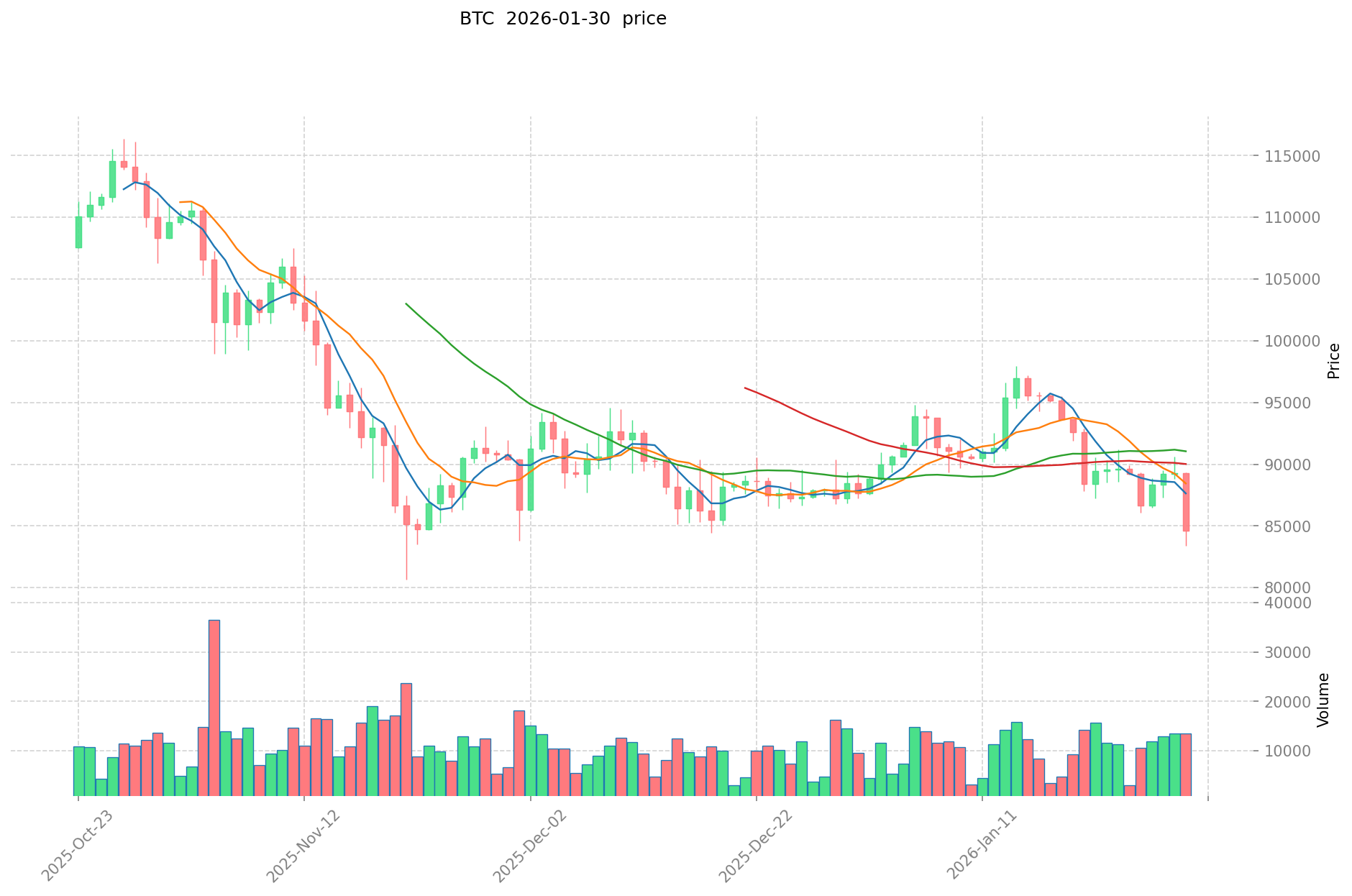
How Does Spot Trading in Crypto Work?
Spot trading operates through a sophisticated system called an order book, which serves as a comprehensive list of all open buy and sell orders on the exchange. The order book displays limit orders, which are fixed-price buy or sell orders for a given trading pair, organized by price levels. This system creates a transparent marketplace where buyers and sellers can see the depth of available liquidity at different price points.
When placing a trade on an advanced trading platform, traders have two primary options: limit orders or market orders. A limit order allows you to specify the exact price at which you want to buy or sell, and the order will only execute when the market reaches that price level. This gives traders precise control over their entry and exit points. On the other hand, a market order executes immediately at the prevailing market price by matching against existing orders in the order book, prioritizing speed of execution over price precision.
The order book matching engine works continuously to pair buy orders with sell orders. When a buyer's price meets or exceeds a seller's asking price, the trade executes automatically. This mechanism ensures fair price discovery and efficient market operations, as prices reflect the real-time supply and demand dynamics of the trading pair.
Crypto Spot Trading With Margin
Some exchanges offer margin trading capabilities, which significantly amplify both potential profits and risks. In a margin trade, you use your existing assets as collateral, referred to as margin, to borrow additional funds for trading. This leverage mechanism allows traders to control larger positions than their capital would normally permit.
For instance, with 5x margin trading, you can control up to $500 worth of cryptocurrency with only $100 worth of margin. If the trade moves in your favor, your profits are magnified by the leverage factor. However, it's crucial to understand that losses are equally magnified, and if the market moves against your position significantly, you may face liquidation, where the exchange automatically closes your position to prevent further losses.
Margin trading requires careful risk management, including setting stop-loss orders and maintaining adequate margin levels to avoid forced liquidation. While it offers opportunities for enhanced returns, it's generally recommended for experienced traders who understand the associated risks.
Order Book vs. OTC: Types of Crypto Spot Markets
In most cases, when using a centralized exchange for spot trades, transactions are facilitated through an order book system. This public order book displays all pending orders, creating transparency and allowing for efficient price discovery. However, another important method exists for executing large trades: over-the-counter (OTC) trading.
In an OTC trade, the transaction never appears on the public order book or transaction tape. OTC trades occur when two willing parties, often facilitated by an OTC desk, agree on a trade at a negotiated price. This method is particularly valuable for institutions, high-net-worth individuals, or anyone looking to move large amounts of cryptocurrency without affecting market prices. When a large buy or sell order hits the public order book, it can cause significant price slippage or market impact. OTC trading circumvents this issue by matching large buyers with large sellers privately.
OTC desks typically require minimum trade sizes and may offer better pricing for large volumes. They serve as intermediaries, maintaining relationships with both buyers and sellers and facilitating trades that would be difficult or costly to execute on public exchanges.
Compare Crypto Spot Trading Fees
For most order book trades, exchanges charge trading fees, which are typically calculated as a small percentage of the total trade amount. These crypto spot trading fees can accumulate quickly, particularly for active traders, taking a slice of profit with each transaction. Understanding fee structures is essential for calculating true trading costs and overall profitability.
Trading fees generally fall into two categories based on order type:
- Limit orders are also called maker orders because these orders add liquidity to the market by placing new orders in the order book. Makers typically receive lower fees as an incentive for providing liquidity.
- Market orders are also called taker orders because they remove liquidity from the market by immediately matching against existing orders. Takers usually pay higher fees due to the immediate execution service.
Major exchanges are known for competitive spot trading fees. For example, some leading platforms start their fees at 0.1% for most trading pairs, with additional discounts available based on trading volume tiers or if traders pay fees using the platform's native token. Volume-based fee structures reward active traders with progressively lower fees as their 30-day trading volume increases.
Spot Trading Fees for Popular Exchanges
| Exchange |
Maker Fee |
Taker Fee |
| Exchange A |
$0.00 |
$2.00 |
| Exchange B |
$1.00 |
$1.00 |
| Exchange C |
$6.00 |
$12.00 |
| Exchange D |
$2.50 |
$4.00 |
Note: Fees shown are representative examples and may vary based on trading volume and other factors.
Pros and Cons of Spot Trading in Crypto
Pros
- No risk of liquidation: Unlike margin or futures trading, spot trading cannot result in forced liquidation since you're not borrowing funds or using leverage
- Simpler trading experience: Spot trading is straightforward and easier to understand for beginners, without complex concepts like funding rates or expiration dates
- Availability of "quick buy" widgets: Many platforms offer simplified interfaces for instant purchases, making it accessible even for non-technical users
- You own the crypto you buy: Spot trading gives you actual ownership of the cryptocurrency, which you can withdraw to your personal wallet, stake, or use in DeFi applications
- Lower psychological pressure: Without leverage, traders face less stress and can hold positions through volatility without fear of liquidation
Cons
- Reduced profit opportunity without leverage: Gains are limited to the amount of capital you invest, whereas leveraged trading can multiply returns (and losses)
- Higher trading fees: Spot trading fees are often higher than futures trading fees on a percentage basis
- Short selling not available for spot trades: You can only profit from price increases unless you engage in margin trading
- Capital intensive: Building a substantial position requires significant capital without leverage
- Slower profit accumulation: For traders seeking quick gains, spot trading may feel slower compared to leveraged alternatives
Several types of platforms facilitate spot trading, each with distinct characteristics, advantages, and trade-offs:
-
CEX (Centralized Exchange): A centralized exchange acts as a trusted intermediary, allowing traders to buy or sell cryptocurrency using traditional fiat currencies like the US dollar or other cryptocurrencies. These platforms offer high liquidity, user-friendly interfaces, customer support, and often insurance for certain types of losses. However, they require users to trust the exchange with custody of their funds and personal information. Examples of services provided include fiat on-ramps, advanced trading tools, mobile apps, and sometimes additional services like staking or lending.
-
DEX (Decentralized Exchange): A decentralized exchange uses smart contracts to facilitate trades without a central intermediary. DEXs operate using liquidity pools, which are deposits of token pairs, with automated market maker (AMM) algorithms governing the exchange rate between the pool's tokens. This model offers greater privacy, no KYC requirements, and true self-custody of assets. However, DEXs typically have lower liquidity than centralized exchanges, may have higher transaction costs (gas fees), and can be more complex for beginners to navigate. Popular DEX protocols operate on various blockchain networks.
-
OTC (Over-the-Counter): Over-the-counter trades are privately negotiated exchanges typically used by large investors, institutions, or high-net-worth individuals. OTC desks facilitate large-volume trades without impacting public market prices, offer personalized service, and can provide better pricing for substantial orders. The minimum trade sizes are usually high, making this option unsuitable for retail traders with smaller capital.
-
P2P (Peer-to-Peer): Peer-to-peer exchanges refer to platforms where one person sells directly to or buys from another person, with the platform serving primarily as a matching service and escrow provider. P2P platforms offer flexibility in payment methods, including bank transfers, payment apps, or even cash transactions. They provide access to cryptocurrencies in regions with limited banking infrastructure or strict capital controls. However, P2P trading requires more time to find suitable counterparties and carries additional risks related to payment reversals or fraud.
Is Spot Trading Risky?
Spot crypto trading is considered riskier than traditional investments in stocks or bonds due to cryptocurrency's significantly higher price volatility. Digital assets can experience double-digit percentage swings within hours or days, creating both opportunities and risks for traders. However, among various cryptocurrency trading methods, spot trading on reputable exchanges is considered one of the safer approaches, as it doesn't involve leverage or complex derivatives that can amplify losses.
Several specific risks affect spot trading, and understanding these risks is essential for protecting your capital:
Slippage
The term slippage refers to the difference between the expected price of a trade and the actual executed price, resulting in receiving less value than anticipated. Slippage occurs most commonly with market orders, especially during periods of high volatility or when trading large amounts relative to available liquidity. For example, if you place a market order to buy $10,000 worth of a cryptocurrency when the displayed price is $100, but the order executes at an average price of $101 due to insufficient liquidity at $100, you've experienced 1% slippage.
You can avoid slippage entirely by using limit orders, which only execute at your specified price or better. Additionally, you can reduce slippage when using market orders by breaking large trades into smaller chunks, trading during high-liquidity periods, or using advanced order types like iceberg orders that hide the full size of your trade.
Smart Contract Risk
Decentralized exchanges use smart contracts to enable trading without a central intermediary, creating a trustless trading environment. While the larger, more established DEXs have undergone multiple security audits by reputable firms, smaller or newer decentralized exchanges may still contain vulnerabilities in their smart contract code. These vulnerabilities could potentially be exploited by malicious actors, leading to loss of funds.
Smart contract risks include bugs in the code, economic exploits that manipulate pricing mechanisms, or flash loan attacks that can drain liquidity pools. Even audited contracts aren't immune to risks, as new attack vectors are constantly being discovered. Traders should research the security history of any DEX before trading, start with small amounts when trying new platforms, and consider using established protocols with proven track records.
Emotional Trading
Statistical analysis shows that the majority of day traders lose money over time. Often, the primary culprit is emotional trading rather than disciplined, strategy-based trading. Emotional trading manifests in several ways: fear of missing out (FOMO) leading to buying at peaks, panic selling during dips, revenge trading after losses, or overtrading due to excitement.
Successful spot trading requires developing and following a trading plan, setting clear entry and exit criteria, implementing proper risk management with stop-losses, and maintaining emotional discipline even during volatile market conditions. Keeping a trading journal to track decisions and outcomes can help identify emotional patterns and improve decision-making over time.
Market Manipulation
Traders in crypto spot markets can be affected by market manipulation tactics employed by large holders (often called "whales") or unscrupulous actors. Whale manipulation includes tactics like spoofing (placing large orders to create false impressions of supply or demand, then canceling them), pump-and-dump schemes, or coordinated buying/selling to trigger stop-losses.
Another form of manipulation is wash trading, where the same entity acts as both buyer and seller to create artificial trading volume. This fake volume can mislead traders into believing a cryptocurrency has more liquidity or interest than it actually does. Trading on regulated or reputable exchanges with surveillance systems can help mitigate these risks, as can focusing on high-liquidity trading pairs where manipulation is more difficult.
Scam Tokens
Decentralized exchange spot trading introduces additional risks in the form of scam tokens, particularly on networks with low barriers to token creation. Some malicious tokens contain code that prevents traders from selling after making a purchase, effectively trapping their funds. These are sometimes called "honeypot" tokens.
Other scam mechanisms include tokens with hidden fees that drain value with each transaction, tokens that can be minted infinitely by the creator, or tokens with ownership functions that allow the creator to drain liquidity pools. Protecting yourself requires thorough research before buying unknown tokens, checking contract code on blockchain explorers, reviewing token audits, and being extremely cautious with tokens that promise unrealistic returns or have anonymous teams.
Exchange Insolvency
The history of cryptocurrency markets includes numerous cases of exchanges disappearing, becoming insolvent, or freezing withdrawals from the platform, sometimes with little or no warning. Exchange insolvency can result from hacking incidents, mismanagement of funds, fraud, or economic downturns that create liquidity crises.
Researching exchanges carefully before making a deposit is crucial. Consider factors such as the exchange's operational history, regulatory compliance status, security measures (cold storage practices, insurance coverage), proof of reserves, and reputation in the community. Many experienced traders follow the principle of not keeping more funds on exchanges than necessary for active trading, withdrawing the majority of holdings to personal wallets where they maintain full control of their private keys.
Conclusion
Spot trading refers to buying or selling cryptocurrencies at the current market price with immediate delivery and settlement. This straightforward trading method forms the foundation of cryptocurrency markets and remains the most accessible entry point for both new and experienced traders. Limit orders allow you to trade the spot market with precision by setting a specific price and waiting for the market to reach your target, while market orders provide immediate execution at prevailing prices.
The most popular way to spot trade is through centralized exchanges, which offer high liquidity, user-friendly interfaces, and comprehensive trading tools. These platforms serve millions of users worldwide and provide the infrastructure for efficient price discovery and trade execution. Other viable options include decentralized exchange (DEX) trading, which offers greater privacy and self-custody, as well as over-the-counter (OTC) and peer-to-peer (P2P) trades for specialized needs.
Understanding the mechanics of spot trading, including order types, fee structures, and associated risks, is essential for developing a successful trading strategy. Whether you're a long-term investor accumulating cryptocurrency holdings or an active trader seeking short-term profits, spot trading provides a transparent, relatively straightforward method for participating in the dynamic cryptocurrency market. By implementing proper risk management, conducting thorough research, and maintaining emotional discipline, traders can navigate the spot market while minimizing potential pitfalls.
FAQ
What is spot trading in crypto? What is the difference between spot trading and futures trading?
Spot trading is immediate purchase or sale of cryptocurrencies at current market prices. Futures trading involves contracts to buy or sell at predetermined prices in the future. Key differences: futures allow leverage while spot trading does not; spot trading provides asset ownership with full rights, whereas futures are derivative contracts. Futures offer higher profit potential but with greater risk.
How to conduct spot trading on an exchange? What are the specific steps?
Select a reliable exchange platform, create and verify your account, deposit funds, choose your desired cryptocurrency pair, set your order price and quantity, execute the buy or sell order, and manage your holdings in your wallet.
What are the advantages and risks of spot trading in crypto?
Advantages: Immediate settlement, low complexity, and high liquidity for quick transactions. Risks: Market volatility causes rapid price fluctuations, potential losses from sudden market movements, and exposure to liquidation during extreme price swings.
Is spot trading suitable for beginners? What should be noted?
Yes, spot trading suits beginners. Start with small amounts, learn market basics, use reliable platforms, manage risk wisely, and avoid emotional decisions. Begin with Bitcoin and Ethereum to understand trading fundamentals.
What is the difference between spot trading and margin trading?
Spot trading requires full payment upfront with no leverage, offering lower risk. Margin trading uses borrowed funds for higher potential returns but carries greater risk and requires active risk management.
What fees do I need to pay for spot trading in crypto?
Spot trading typically involves trading fees charged per transaction, usually calculated as a percentage of your trade amount. Some platforms may also charge deposit or withdrawal fees. The exact fee structure varies by platform and your trading volume.
* The information is not intended to be and does not constitute financial advice or any other recommendation of any sort offered or endorsed by Gate.