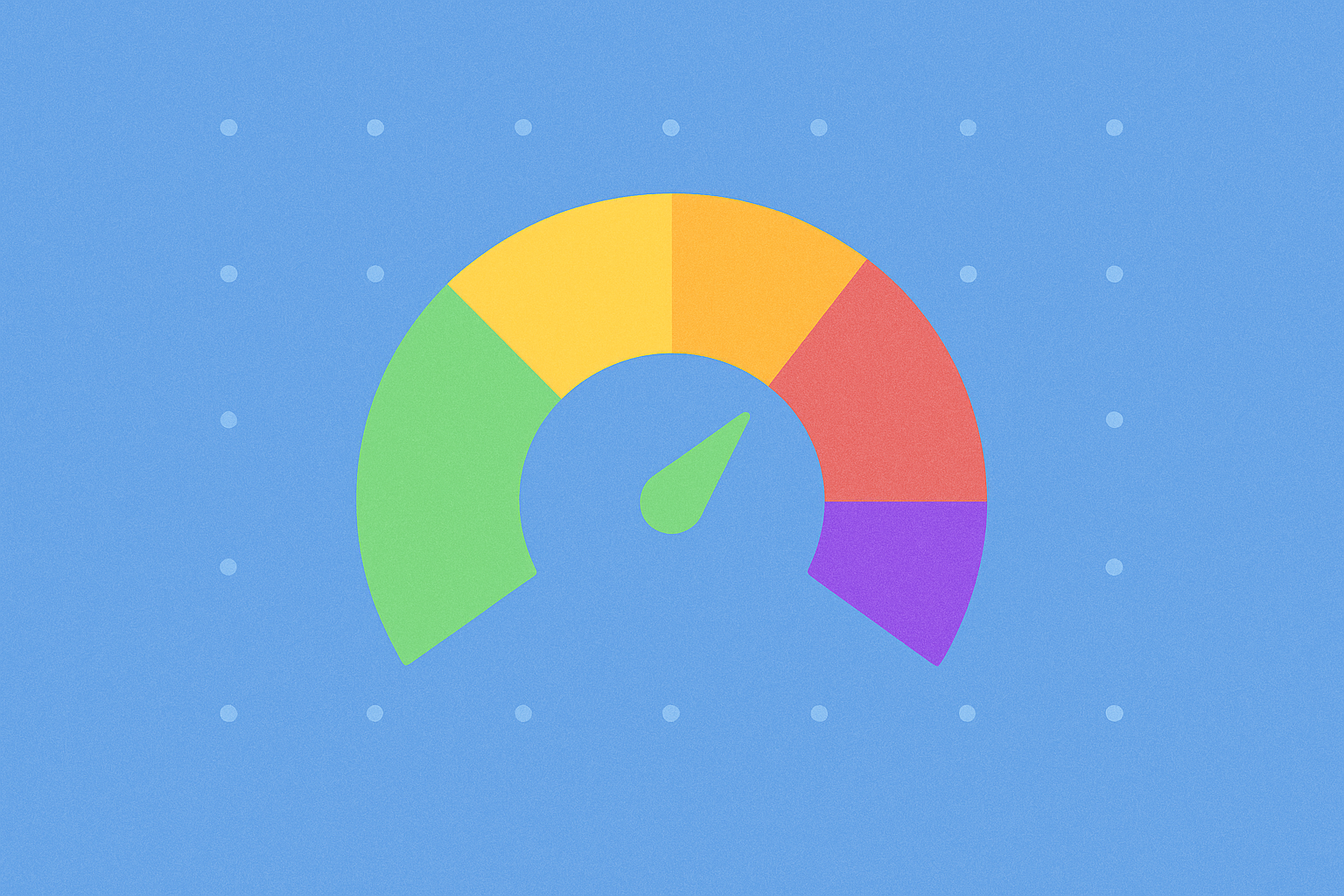
Discover how the Crypto Fear Index works, ranging from 0 to 100. Assess market sentiment, volatility, and trading volume on Gate. Leverage the index to guide your cryptocurrency trading and make informed choices about Bitcoin and altcoins.
Introduction
Although cryptocurrency trading demands clear reasoning and thorough research, human emotions remain a decisive factor in financial markets. The Crypto Fear & Greed Index evaluates the emotional responses of market participants and gauges overall sentiment in the crypto sector. This index is a robust analytical tool that crypto traders worldwide rely on to make well-informed and timely decisions when trading digital assets.
Summary
- The Crypto Fear & Greed Index is a specialized research instrument designed to assess market sentiment in the crypto space and understand the psychological state of market participants.
- This index rates market sentiment on a scale from 0 (extreme fear) to 100 (extreme greed), drawing on comprehensive data including volatility, trading volume, social media metrics, and trader survey results.
- Key strengths include helping crypto traders identify current market sentiment and uncover potential optimal points for buying and selling digital assets.
- The Crypto Fear & Greed Index is best used for short-term sentiment analysis, especially when combined with other research tools and technical analysis methods.
Origin of the Crypto Fear & Greed Index
The original Fear & Greed Index was developed by CNN’s business division to measure sentiment in traditional stock markets. Its purpose was to understand investor psychology and determine how much traders were willing to pay for stocks under various market conditions. The index revolves around two core human emotions—fear and greed—which fundamentally drive market behavior.
The Crypto Fear & Greed Index adapts this framework for the digital asset market, primarily reflecting Bitcoin price dynamics by measuring extremes of fear and greed. The indicator uses a scale from 0 to 100, with values near 0 signaling panic and values near 100 indicating excessive optimism. The index tracks bullish and bearish trends on a daily, weekly, and monthly basis, providing traders with timely, actionable insights.
How the Fear & Greed Index Is Calculated
The Fear & Greed Index combines several key indicators, each weighted within the overall calculation:
Volatility
Market volatility is the most significant indicator, accounting for 25% of the index. It compares current price volatility to average levels over the past 30 and 90 days. High volatility typically indicates market fear, as traders respond to sharp price swings. This metric helps assess how unstable the current market is compared to historical norms.
Market Momentum and Trading Volume
Market momentum tracks price increases or decreases over a specific period and factors in trading volume. Higher trading volume means more traders are active, which can signal strong sentiment—either bullish or bearish. This component represents about 25% of the index and helps determine the strength of the prevailing trend. Rising volumes with increasing prices suggest greed, while high volumes during price drops point to fear.
Social Media
Traders on platforms like X (formerly Twitter) and Reddit actively share financial insights and discuss market trends. The index monitors hashtags and Bitcoin mentions, as well as references to other cryptocurrencies, and compares activity to historical averages. Social media analysis contributes roughly 15% to the index. Sentiment analysis helps reveal whether the crypto community is generally optimistic or pessimistic.
Market Research
Surveys and market research are used to directly gauge sentiment in the crypto space. This factor accounts for about 15% of the index and typically involves weekly surveys of 2,000–3,000 participants. These surveys provide insight into traders’ views of the current market and their expectations for future developments.
Bitcoin Dominance
Bitcoin remains the largest and most influential virtual asset in the crypto market. Bitcoin’s dominance in market capitalization may signal market anxiety, as investors shift funds from altcoins to Bitcoin as a safer asset. Bitcoin dominance makes up about 10% of the index. An increasing share for Bitcoin often indicates investor caution.
Google Search Trends
Google Trends analyzes search queries reflecting user interest in cryptocurrencies and related topics. This component represents 10% of the index. Rising search interest in Bitcoin and other cryptocurrencies may signal growing market enthusiasm and greed, while declining search activity can point to apathy or fear.
Benefits of Using the Crypto Fear & Greed Index
- Gives experienced traders a clear snapshot of overall market sentiment, helping them make more balanced trading decisions during periods of uncertainty.
- Encourages traders to act more responsibly and rationally, helping to avoid emotional mistakes that frequently lead to losses.
- Serves as an effective resource for novice traders who lack the experience to independently assess market psychology.
- Provides a quick summary of market conditions without the need for complex analysis of multiple standalone indicators.
- Helps identify potential trend reversal points when the index reaches extreme levels.
Drawbacks of the Fear & Greed Index
- Not a reliable indicator for long-term crypto cycles, as it focuses on short-term sentiment that can shift rapidly.
- Does not account for other major coins and tokens in the crypto market, such as Ethereum, Solana, and other altcoins, which may limit its usefulness for diversified portfolios.
- Does not factor in fundamental events, such as potential bull runs after Bitcoin halving or major technological upgrades in blockchain networks.
- May produce misleading signals during low liquidity periods or when the market is subject to manipulation.
- Relies on the quality of input data, which can be skewed by social media bots or unreliable surveys.
Is the Crypto Fear & Greed Index Reliable?
Traders should not depend solely on the Crypto Fear & Greed Index for decisions regarding digital asset trading. Due diligence and supplementing strategies with targeted research, technical analysis, and fundamental analysis are essential. The index works best as an additional tool alongside other analytical methods.
Long-term investors may need to prioritize fundamental metrics such as technological advantages, development teams, project roadmaps, and real-world token utility. The Fear & Greed Index is most useful for swing traders and day traders operating in shorter timeframes.
Conclusion
The Crypto Fear & Greed Index is a dynamic, user-friendly indicator for assessing current sentiment in the cryptocurrency market. It is particularly valuable for swing traders and active market participants, but it only provides short-term sentiment snapshots, making it unsuitable for long-term investment forecasts and strategies.
For optimal results, use the Fear & Greed Index in combination with other analytical tools, including technical chart analysis, fundamental project analysis, and monitoring key crypto industry news. This comprehensive approach enables more prudent and profitable trading decisions.
FAQ
What is the Crypto Fear & Greed Index and how does it work?
The Crypto Fear & Greed Index measures market sentiment on a scale from 0 to 100. Scores near 0 indicate extreme fear; scores near 100 indicate extreme greed. The index analyzes factors such as volatility, price trends, social media activity, and blockchain hash rate. It helps traders evaluate market psychology and make informed decisions.
How should you interpret readings from the Fear & Greed Index?
The index ranges from 0 to 100. Values below 50 reflect market fear, which may signal undervalued assets. Values above 50 indicate greed and investor optimism, raising the possibility of an overheated market.
Can the Fear & Greed Index be used to forecast cryptocurrency prices?
Yes, the Fear & Greed Index helps forecast cryptocurrency price swings by measuring market sentiment. It highlights how optimistic or pessimistic traders are, which influences price movements. Accuracy varies, but it is a useful analytical tool.
What factors affect levels of fear and greed in the crypto market?
Price volatility, trading volume, search trends, and market participant behavior all impact fear and greed levels. These metrics reflect investor sentiment and risk tolerance.
How does the Fear & Greed Index assist with investment decisions?
The Fear & Greed Index reveals the market’s emotional state, helping investors avoid impulsive choices. When the index is low (fear), it may present a buying opportunity; when high (greed), caution is advised. It is a tool for making more rational and informed investments.
* The information is not intended to be and does not constitute financial advice or any other recommendation of any sort offered or endorsed by Gate.