This article provides a comprehensive analysis of Elon Musk's confirmed cryptocurrency holdings, focusing on Bitcoin, Ethereum, and Dogecoin, and examines how his strategic investments reflect a sophisticated understanding of the blockchain ecosystem. Discover why Musk champions Bitcoin as digital gold, recognizes Ethereum's smart contract potential, and champions Dogecoin as an accessible payment solution. The article explores how Musk's market-moving influence through social media has fundamentally shaped cryptocurrency adoption, from Tesla's corporate Bitcoin investments to SpaceX accepting Dogecoin transactions. Gain valuable insights into his investment philosophy that balances fundamental technology analysis with community-driven adoption factors. Perfect for investors seeking to understand cryptocurrency market dynamics through the lens of influential figures, this guide demonstrates how diversification across established assets and emerging alternatives, combined with genuine belief in underlying tech
Introduction
Elon Musk, the visionary billionaire entrepreneur and CEO of Tesla and SpaceX, has established himself as one of the most influential figures in the cryptocurrency ecosystem. His involvement in the crypto space extends far beyond casual interest—his tweets, public statements, and corporate decisions have repeatedly demonstrated the power to move markets and shape investor sentiment. When Musk endorses a cryptocurrency or makes a comment about blockchain technology, the effects ripple through the entire digital asset landscape, often triggering significant price movements and renewed public interest.
But beyond the headlines and market reactions, a fundamental question remains: which cryptocurrencies does Elon Musk actually own? Understanding Musk's personal crypto portfolio provides valuable insights into his investment philosophy and offers a window into how one of the world's most successful entrepreneurs approaches this emerging asset class. This article provides a comprehensive exploration of Musk's confirmed cryptocurrency holdings, examining not only what he owns but also why these particular assets align with his broader vision for technology and finance. We'll also analyze how his involvement has influenced market dynamics and what lessons investors can draw from his approach to digital assets.
Elon Musk's Confirmed Crypto Holdings
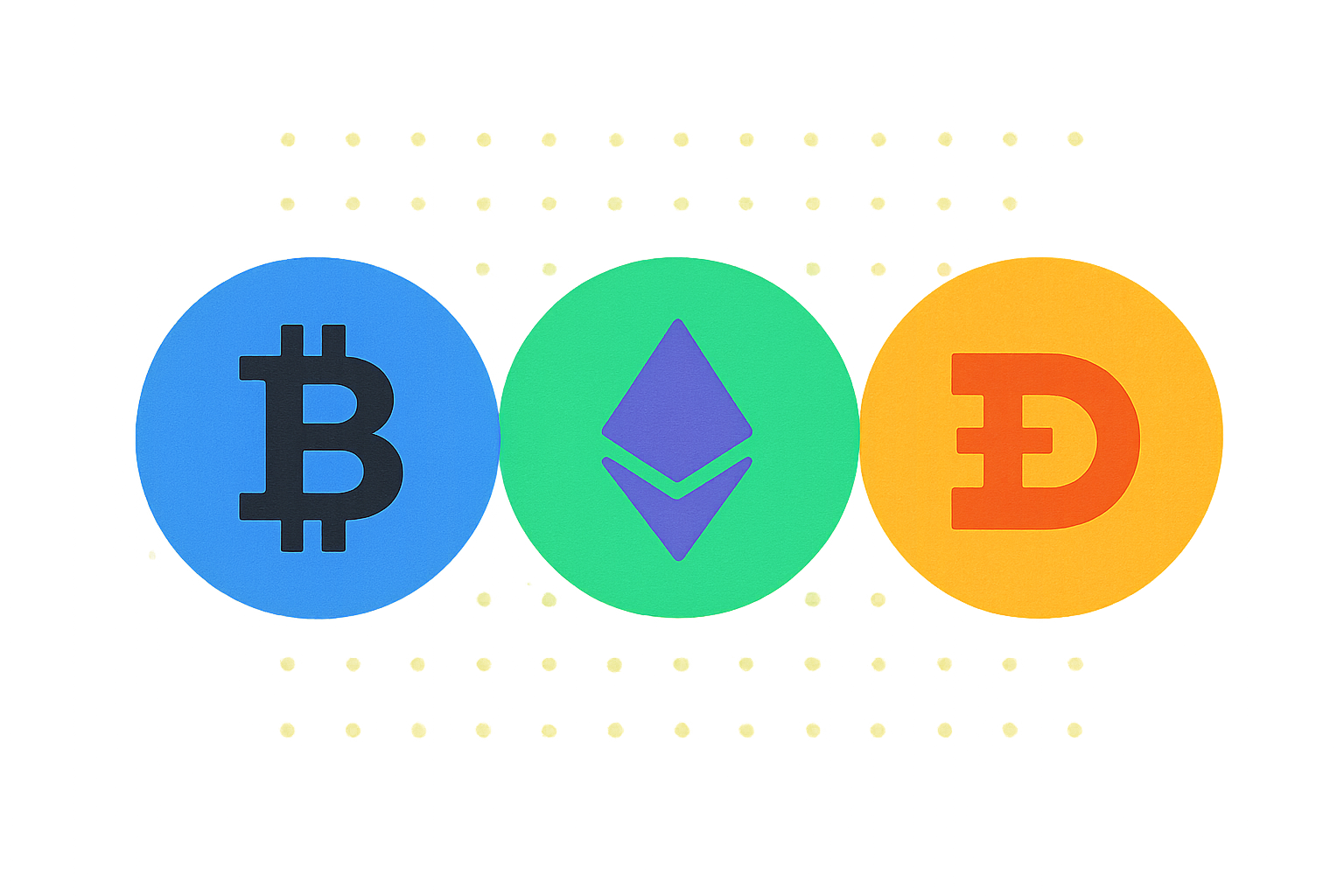
Elon Musk has publicly confirmed ownership of three major cryptocurrencies: Bitcoin (BTC), Ethereum (ETH), and Dogecoin (DOGE). This carefully curated portfolio represents a fascinating blend of established blockchain technology, smart contract platforms, and community-driven meme culture. Each of these assets serves a different purpose in the cryptocurrency ecosystem, and Musk's decision to hold all three reflects a nuanced understanding of the diverse opportunities within the digital asset space. His portfolio choices demonstrate both pragmatism in recognizing proven technologies and a willingness to embrace unconventional assets that capture public imagination.
Bitcoin (BTC)
Bitcoin, widely recognized as the first and most valuable cryptocurrency by market capitalization, occupies a prominent position in Musk's investment portfolio. As the pioneering blockchain technology that introduced the concept of decentralized digital currency, Bitcoin represents the foundation upon which the entire cryptocurrency industry has been built. Musk has publicly stated that his personal Bitcoin holdings are worth significantly more than his investments in Ethereum or Dogecoin, underscoring his confidence in Bitcoin's long-term value proposition.
The connection between Musk and Bitcoin extends beyond personal ownership. Tesla, one of Musk's flagship companies, made headlines when it invested substantially in Bitcoin, demonstrating corporate-level confidence in the cryptocurrency's potential as a treasury reserve asset. In recent years, Tesla has maintained a significant Bitcoin position, reflecting a strategic belief in cryptocurrency as a store of value. This corporate endorsement has helped legitimize Bitcoin in the eyes of traditional investors and has encouraged other companies to consider cryptocurrency as part of their financial strategy.
Bitcoin's appeal to Musk likely stems from several factors: its established network effect, its scarcity model with a fixed supply of 21 million coins, and its growing acceptance as "digital gold." The cryptocurrency's decentralized nature aligns with Musk's often-stated preference for systems that operate outside traditional centralized control. Furthermore, Bitcoin's increasing adoption by institutional investors and its integration into mainstream financial services suggest that Musk's conviction in this asset is grounded in fundamental analysis rather than mere speculation.
Ethereum (ETH)
Ethereum, the second-largest cryptocurrency by market capitalization, represents another cornerstone of Musk's crypto portfolio. While Musk has not disclosed the exact quantity of Ethereum he holds, his public acknowledgment of ownership signals recognition of Ethereum's unique value proposition within the blockchain ecosystem. Unlike Bitcoin, which primarily functions as a store of value and medium of exchange, Ethereum serves as a comprehensive platform for decentralized applications, smart contracts, and an entire ecosystem of innovative blockchain projects.
Ethereum's utility extends far beyond simple transactions. The platform enables developers to create complex decentralized applications (dApps) that can execute automatically based on predetermined conditions, eliminating the need for intermediaries in many traditional business processes. This programmability has made Ethereum the foundation for decentralized finance (DeFi), non-fungible tokens (NFTs), and countless other blockchain innovations. For an investor like Musk, who consistently seeks technologies that can disrupt established industries and create new paradigms, Ethereum's versatility makes it a logical investment choice.
The Ethereum network has undergone significant evolution, including a major transition to a proof-of-stake consensus mechanism, which dramatically reduced its energy consumption—a factor that likely appeals to Musk given his environmental concerns and Tesla's sustainability mission. Ethereum's ongoing development and its position as the primary platform for smart contract execution suggest that Musk views it not merely as a speculative asset but as fundamental infrastructure for the future of decentralized technology. The platform's ability to support complex financial instruments, digital identity systems, and autonomous organizations positions it as a key enabler of the Web3 vision that many technologists, including Musk, see as the internet's next evolution.
Dogecoin (DOGE)
Dogecoin holds a uniquely special place in both Musk's cryptocurrency portfolio and his public persona. Originally created as a lighthearted parody of Bitcoin, Dogecoin has evolved into a legitimate cryptocurrency with a passionate community and real-world utility, thanks in no small part to Musk's enthusiastic endorsement. Musk's relationship with Dogecoin has earned him the affectionate nickname "Dogefather" among the cryptocurrency community, and his influence on this particular asset has been nothing short of extraordinary.
What makes Dogecoin particularly interesting in Musk's portfolio is its origin as a meme coin—a cryptocurrency born from internet culture rather than serious technological ambition. Yet Musk has consistently championed Dogecoin, arguing that its inflationary supply model and low transaction fees make it more suitable for everyday transactions than Bitcoin. His support has transcended mere social media endorsements: both Tesla and SpaceX accept Dogecoin for certain transactions, including merchandise purchases and, in SpaceX's case, even mission bookings. This practical adoption demonstrates Musk's belief that Dogecoin can function as a legitimate medium of exchange, not merely a speculative asset.
Musk's tweets about Dogecoin have repeatedly triggered significant price movements, demonstrating the immense influence he wields in the cryptocurrency market. Whether posting memes, making playful comments, or discussing potential technical improvements to the Dogecoin network, Musk's communications have shown the power of social media influence in shaping market sentiment. His advocacy for Dogecoin also reflects a broader philosophy: that community engagement, accessibility, and widespread adoption may be more important for a cryptocurrency's success than pure technological sophistication. By embracing Dogecoin, Musk has challenged conventional wisdom about what makes a cryptocurrency valuable and has demonstrated that cultural resonance and community support can be powerful drivers of adoption.
Musk's Influence on the Crypto Market
Elon Musk's involvement in cryptocurrency extends far beyond passive ownership—his active engagement has fundamentally shaped market dynamics and influenced how millions of people perceive digital assets. His impact on the crypto market represents a unique case study in how individual influence, amplified by social media reach and entrepreneurial credibility, can create significant market movements and alter investment behaviors across the globe.
The most visible manifestation of Musk's influence has been the dramatic price surges that often follow his tweets and public statements. When Musk posts about Dogecoin, for example, the cryptocurrency frequently experiences substantial price increases within minutes, as traders and investors rush to respond to his endorsement. These "Musk effects" have become so predictable that some traders specifically monitor his social media activity for trading signals. This phenomenon demonstrates both the power of celebrity influence in cryptocurrency markets and the relatively immature nature of the asset class, where sentiment can drive prices as much as fundamental analysis.
Beyond individual price movements, Musk has played a significant role in legitimizing cryptocurrency adoption at the corporate level. Tesla's investment in Bitcoin and its brief acceptance of BTC for vehicle purchases represented a watershed moment for cryptocurrency, signaling that major corporations could view digital assets as viable treasury holdings and payment methods. This corporate endorsement encouraged other companies to explore cryptocurrency integration and helped shift the narrative from "cryptocurrency as speculative asset" to "cryptocurrency as legitimate financial tool." The fact that a company as prominent and forward-thinking as Tesla would allocate substantial resources to Bitcoin provided validation that resonated throughout the business world.
However, Musk's influence has not been without controversy. Critics argue that his market-moving tweets contribute to excessive volatility and create an environment where speculation overshadows genuine technological development. Some have accused him of market manipulation, though Musk has consistently maintained that he simply shares his genuine opinions and enthusiasm for cryptocurrencies he believes in. The regulatory scrutiny that has followed some of his more impactful statements highlights the complex questions surrounding social media influence, market manipulation, and the responsibilities of high-profile individuals in financial markets.
Musk's impact also extends to broader conversations about cryptocurrency's role in society. His concerns about Bitcoin's environmental impact led to Tesla suspending Bitcoin payments, triggering a market-wide discussion about proof-of-work mining and sustainability. His advocacy for Dogecoin's development has brought attention to questions about transaction fees, network scalability, and what characteristics make a cryptocurrency suitable for everyday use. Through both his investments and his public commentary, Musk has helped shape the agenda for cryptocurrency development and has influenced which issues the industry prioritizes.
Conclusion
Elon Musk's cryptocurrency portfolio—comprising Bitcoin, Ethereum, and Dogecoin—offers a fascinating window into how one of the world's most influential entrepreneurs approaches the emerging world of digital assets. His holdings reflect a sophisticated understanding that combines respect for established technologies like Bitcoin and Ethereum with a willingness to embrace unconventional assets like Dogecoin that capture public imagination and community support. This balanced approach demonstrates that successful cryptocurrency investment may require both fundamental analysis of technological capabilities and appreciation for cultural factors that drive adoption.
Musk's influence on the cryptocurrency market is undeniable and multifaceted. His ability to move markets with a single tweet demonstrates the power of individual influence in a relatively young asset class, while his corporate decisions regarding cryptocurrency adoption have helped legitimize digital assets in the eyes of traditional business leaders. However, this influence also serves as a reminder of the volatility and sentiment-driven nature of cryptocurrency markets, where prices can swing dramatically based on the statements of prominent figures.
For investors seeking to understand cryptocurrency markets, Musk's approach offers several valuable lessons. First, diversification across different types of cryptocurrencies—from established stores of value to smart contract platforms to community-driven meme coins—can provide exposure to various aspects of the blockchain ecosystem. Second, genuine belief in the underlying technology and use cases matters more than short-term price speculation. Third, the intersection of technology, community, and cultural resonance can create value in unexpected ways.
However, it's crucial for investors to approach cryptocurrency with caution, thorough research, and independent judgment. While Musk's portfolio and statements can provide insights, they should not be the sole basis for investment decisions. The cryptocurrency market remains highly volatile, regulatory frameworks continue to evolve, and technological developments can rapidly shift competitive dynamics. Whether you're a seasoned investor or a crypto-curious newcomer, understanding Musk's strategy should be just one element of a comprehensive approach to evaluating digital assets.
Looking ahead, Musk's continued involvement in cryptocurrency will likely remain a significant factor in market dynamics and public perception. As blockchain technology matures and cryptocurrency adoption expands, the interplay between technological development, institutional adoption, and influential advocates like Musk will continue to shape the trajectory of digital assets. By studying his approach—both its successes and its controversies—investors can gain valuable perspective on the evolving world of cryptocurrency and make more informed decisions about their own participation in this transformative asset class.
FAQ
Which cryptocurrencies does Elon Musk currently hold?
Elon Musk primarily holds Bitcoin and Ethereum. His companies have invested significantly in Bitcoin, and he has publicly supported Dogecoin. His exact current holdings remain private.
How much Bitcoin and Dogecoin does Elon Musk own?
Elon Musk's exact holdings remain private. He confirmed owning 0.25 BTC in 2018 and acknowledged holding Bitcoin, Ethereum, and Dogecoin in 2021. His current positions may have changed significantly.
Why does Elon Musk invest in cryptocurrencies?
Elon Musk invests in cryptocurrencies to capitalize on their growth potential and diversify his portfolio. His holdings include Bitcoin, Litecoin, Ethereum, and Dogecoin, demonstrating confidence in digital assets' future value and technological innovation.
What is the total value of Elon Musk's cryptocurrency portfolio?
Elon Musk's cryptocurrency portfolio is valued at over 11 billion USD as of 2026, primarily consisting of Bitcoin and Ethereum holdings accumulated through Tesla and personal investments.
How much influence does Elon Musk have on Dogecoin?
Elon Musk's tweets significantly impact Dogecoin's price and market volatility. His statements can trigger sharp price fluctuations, with historical movements showing 25% surges followed by notable declines. His social media activity remains a major driver of Dogecoin's market dynamics and trading volume.
Is Elon Musk still buying or selling cryptocurrency?
As of now, Elon Musk continues to hold Bitcoin, Ethereum, and Dogecoin, and has stated he will not sell his crypto holdings. There is no recent public indication of active buying or selling activities.
How does Elon Musk's crypto holdings affect market prices?
Musk's social media statements trigger significant price volatility, particularly for Bitcoin and Dogecoin. His endorsements can cause 15% average fluctuations within 24 hours, while trading volume surges 50-100%. His influence stems from investor sentiment and media amplification, making him a powerful market catalyst in crypto markets.
* The information is not intended to be and does not constitute financial advice or any other recommendation of any sort offered or endorsed by Gate.