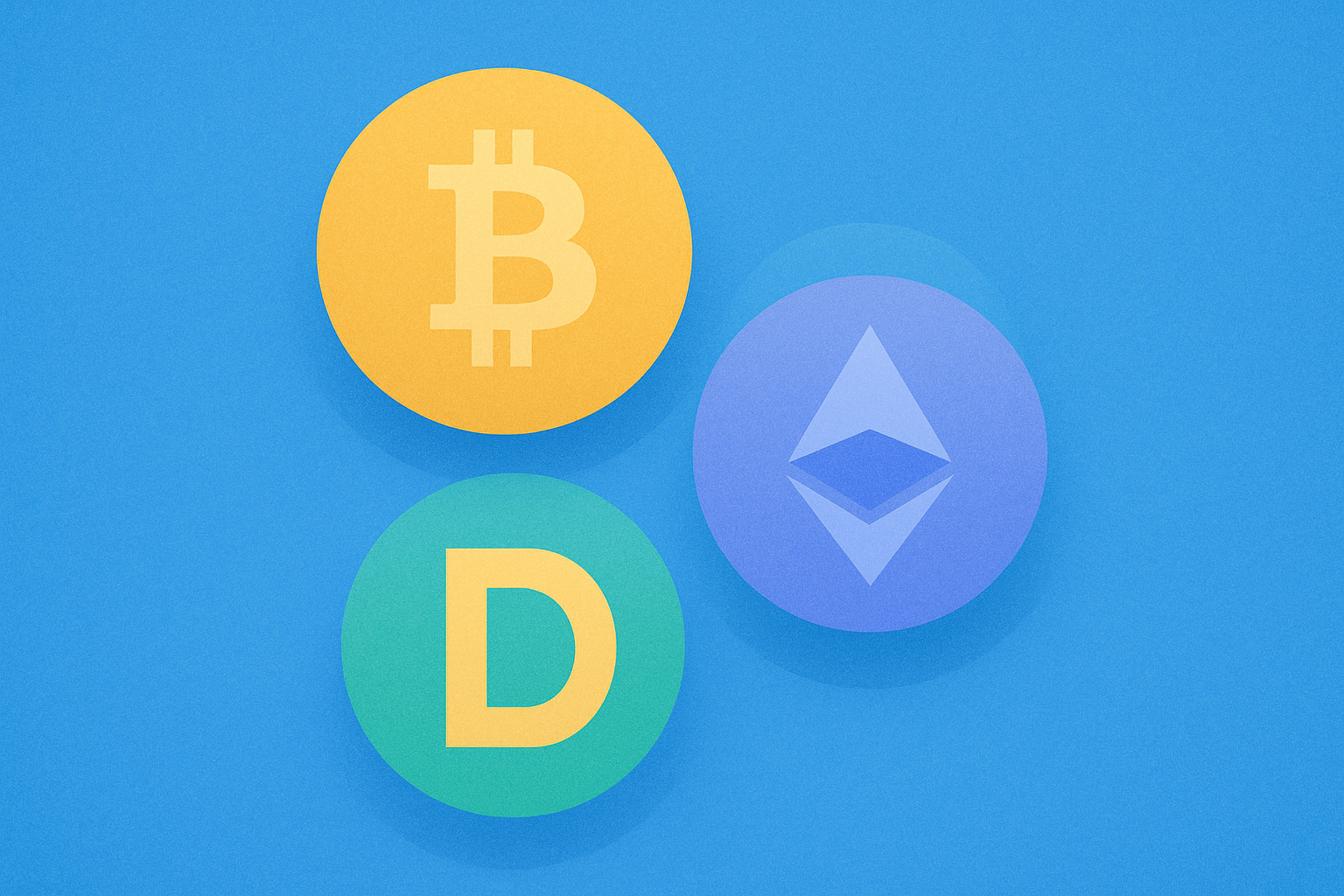
This article explores Elon Musk's cryptocurrency portfolio, focusing on his publicly confirmed holdings in Bitcoin, Dogecoin, and Ethereum. Through Tesla's corporate investments and personal endorsements, Musk has become a dominant force shaping digital asset valuations and market sentiment. The article examines each cryptocurrency's role in his portfolio—Dogecoin as his passionate advocacy focus, Bitcoin as a store of value through Tesla's $1.5 billion investment, and Ethereum for its smart contract innovation. It analyzes the "Musk Effect" on market volatility, demonstrates how his statements trigger significant price movements across Gate and other platforms, and provides investors with critical insights on navigating crypto markets beyond influencer-driven trading. Ultimately, the guide emphasizes independent research and diversified strategies as essential for successful cryptocurrency investment, while acknowledging both opportunities and risks in the volatile digital asset landscape.
Elon Musk's Cryptocurrency Holdings: An Overview
Elon Musk, the CEO of Tesla and SpaceX, stands as one of the most influential entrepreneurs of our time and a prominent figure in the cryptocurrency world. His statements and actions have consistently demonstrated a direct impact on the valuation of digital currencies, often triggering significant market movements within hours of his public comments. Understanding which cryptocurrencies Musk holds provides valuable insights for investors and market observers alike.
Musk has publicly confirmed his ownership of three major cryptocurrencies: Dogecoin (DOGE), Bitcoin (BTC), and Ethereum (ETH). These digital assets represent different segments of the crypto market and each possesses unique characteristics that align with various aspects of blockchain technology and financial innovation. His portfolio choices reflect both his personal interests in decentralized finance and his companies' strategic positioning in the digital economy.
Musk's Favorite Cryptocurrencies: Dogecoin, Bitcoin, and Ethereum
The three cryptocurrencies in Musk's portfolio each serve different purposes and represent distinct philosophies within the blockchain ecosystem. His public endorsements and investment decisions have significantly influenced the perception and adoption of these digital assets across global markets.
Dogecoin (DOGE) represents perhaps Musk's most passionate cryptocurrency advocacy. Originally created as a satirical commentary on the cryptocurrency boom, Dogecoin has transformed into one of the most discussed digital currencies, largely due to Musk's unwavering support. He has promoted Dogecoin numerous times through social media platforms, particularly Twitter, leading to substantial price increases that have sometimes exceeded 100% in single trading sessions. Musk has articulated his vision for Dogecoin as a potential payment method, citing its low transaction costs and the simplicity of its network architecture. The meme-based cryptocurrency's community-driven nature and accessible technology align with Musk's stated preference for democratic and user-friendly financial systems. In recent years, Musk has even suggested potential integration of Dogecoin into various business models, including possible payment options for Tesla merchandise and SpaceX ventures.
Bitcoin (BTC), the pioneering cryptocurrency that launched the entire digital asset revolution, also holds a significant position in Musk's portfolio. Tesla, under Musk's leadership, has made substantial investments in Bitcoin, with the company holding over 11,000 BTC in recent years, representing a value in the billions of dollars range. Musk has characterized Bitcoin as a store of value, drawing parallels to digital gold and highlighting its potential as a hedge against inflation and currency devaluation. The relationship between Musk and Bitcoin has been complex, marked by periods of strong advocacy followed by environmental concerns regarding the energy consumption of Bitcoin mining operations. Despite this volatility in stance, Bitcoin remains a core component of both Musk's personal holdings and Tesla's corporate treasury strategy, reflecting a long-term belief in the fundamental value proposition of decentralized digital currencies.
Ethereum (ETH) completes Musk's cryptocurrency trinity, though he discusses this asset less frequently in public forums. Ethereum has gained widespread popularity due to its smart contract functionality, which enables the creation and execution of self-executing agreements without intermediaries. This programmable blockchain serves as the backbone for decentralized applications (dApps), non-fungible tokens (NFTs), and decentralized finance (DeFi) protocols. Musk's ownership of Ethereum suggests an appreciation for the technological innovation and practical utility that extends beyond simple value transfer. The Ethereum network's transition to a proof-of-stake consensus mechanism has also addressed many of the environmental concerns that Musk has raised regarding cryptocurrency mining, potentially strengthening the alignment between his environmental advocacy and his cryptocurrency investments.
How Does Musk Influence the Crypto Market?
Elon Musk wields unprecedented influence over cryptocurrency markets, with his social media presence and public statements generating immediate and often dramatic market responses. This phenomenon, sometimes referred to as the "Musk Effect," has become a significant factor that traders and investors must consider when analyzing cryptocurrency price movements.
The Dogecoin Rally phenomenon exemplifies Musk's market-moving power. His tweets about Dogecoin have triggered massive price surges, with the cryptocurrency doubling or even tripling in value within days or hours of his endorsements. Notable examples include instances where simple memes or brief comments from Musk's Twitter account have generated billions of dollars in trading volume and market capitalization changes. This influence extends beyond immediate price impacts, as Musk's continued support has helped legitimize Dogecoin as more than just a meme currency, encouraging mainstream adoption and merchant acceptance.
Bitcoin Volatility has also been significantly affected by Musk's actions and statements. When Tesla announced its acceptance of Bitcoin as a payment method for vehicle purchases, the cryptocurrency's price experienced substantial appreciation, reinforcing Bitcoin's narrative as a viable medium of exchange. However, when Tesla subsequently suspended Bitcoin payments due to environmental concerns related to the energy-intensive mining process, the market experienced sharp corrections. These events demonstrated both the power of corporate adoption in driving cryptocurrency valuations and the sensitivity of crypto markets to environmental, social, and governance (ESG) considerations.
The broader implications of Musk's influence extend to market sentiment and investor behavior. His ability to move markets has sparked debates about the maturity and stability of cryptocurrency markets, raising questions about whether such influence from a single individual is healthy for the long-term development of decentralized financial systems. Regulatory bodies have also taken notice, with some authorities examining whether Musk's statements constitute market manipulation or require additional disclosure requirements.
What This Means for Cryptocurrency Investors
Elon Musk's involvement in cryptocurrency has generated both opportunities and challenges for investors navigating the digital asset landscape. His support for Dogecoin has undeniably popularized the cryptocurrency, introducing millions of new users to the concept of digital currencies and blockchain technology. Meanwhile, his investments in Bitcoin through Tesla have contributed significantly to the institutional legitimacy of digital assets, encouraging other corporations to consider cryptocurrency as a treasury reserve asset.
For investors, monitoring Musk's actions and statements remains important for understanding short-term market dynamics and potential volatility triggers. However, successful cryptocurrency investment requires moving beyond reactive trading based on influential figures' comments. Independent research, fundamental analysis of blockchain technology, and understanding the underlying value propositions of different cryptocurrencies are essential components of a sound investment strategy.
The cryptocurrency market remains inherently volatile and carries substantial risks, regardless of endorsements from high-profile individuals. Price swings of 20-30% within single trading sessions are not uncommon, and regulatory uncertainty continues to pose challenges for the industry. Investors should approach cryptocurrency investments with appropriate risk management strategies, including position sizing that reflects their risk tolerance and financial circumstances.
Diversification represents a crucial risk mitigation strategy in cryptocurrency investing. Rather than concentrating holdings in assets promoted by influential figures, investors should consider building portfolios that span different categories of cryptocurrencies, including established store-of-value assets, smart contract platforms, and emerging blockchain technologies. This approach helps balance exposure to different risk factors and technological innovations within the cryptocurrency ecosystem.
Ultimately, while Elon Musk's cryptocurrency holdings and statements provide interesting insights into one influential perspective on digital assets, investors must develop their own informed views based on thorough research, risk assessment, and alignment with their financial goals. The cryptocurrency market's long-term trajectory will be determined by technological advancement, regulatory developments, and widespread adoption rather than the opinions of any single individual, regardless of their influence or success in other domains.
FAQ
Elon Musk owns which cryptocurrencies and how much of each?
Elon Musk primarily owns Bitcoin and Dogecoin. Through Tesla, he holds approximately 9,720 BTC acquired in 2021. Personally, he has publicly stated holdings in Bitcoin, Ethereum, and Dogecoin, though exact amounts remain undisclosed. Dogecoin remains his most vocal cryptocurrency interest.
Does Elon Musk still own Bitcoin and Dogecoin?
Yes, Elon Musk continues to hold Bitcoin and Dogecoin. He has publicly expressed his support for both cryptocurrencies, with Dogecoin being his particular favorite. His holdings remain significant in the crypto space.
How much Bitcoin and Dogecoin does Elon Musk personally hold?
Elon Musk has publicly stated he owns Bitcoin, Dogecoin, and Ethereum. While exact holdings remain undisclosed, reports suggest he holds significant Dogecoin positions. The precise amounts fluctuate with market conditions and his trading activity.
What is Elon Musk's investment history in cryptocurrencies?
Elon Musk has been a notable cryptocurrency advocate since 2021. He publicly endorsed Bitcoin and Dogecoin, with Tesla purchasing approximately 1.5 billion dollars in Bitcoin. He has promoted Dogecoin as a payment method and expressed support for various crypto initiatives, making him one of the most influential figures in the crypto space.
How does Elon Musk's cryptocurrency holdings affect the crypto market?
Elon Musk's cryptocurrency holdings significantly influence market sentiment and price volatility. His public statements and transactions often trigger substantial trading volume fluctuations, particularly affecting Bitcoin and Dogecoin. His endorsements can boost market confidence, while his critiques may cause sharp corrections. His holdings represent substantial market influence through direct price discovery mechanisms.
* The information is not intended to be and does not constitute financial advice or any other recommendation of any sort offered or endorsed by Gate.