Uncover the facts about Dorian Nakamoto and the legends tied to Satoshi Nakamoto, the creator of Bitcoin. Delve into the true identity behind the first cryptocurrency, examine the various authorship claims, and assess their influence on the blockchain industry.
Satoshi Nakamoto: The Inventor of Bitcoin
Satoshi Nakamoto is the pseudonym used by the enigmatic creator of Bitcoin, whose identity remains a mystery. The origins of the first cryptocurrency trace back to the late 2000s, marking a turning point in the global financial system.
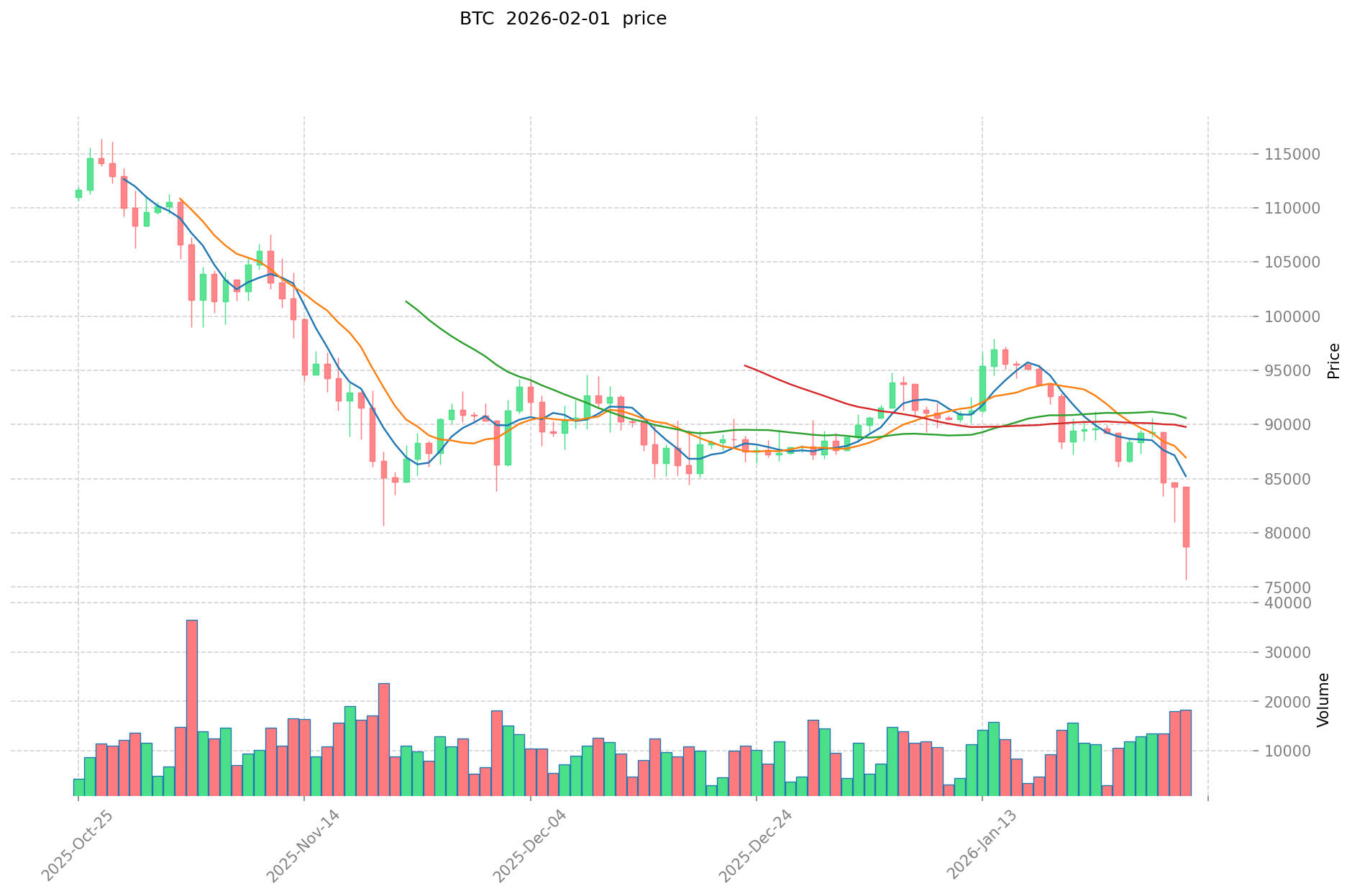
2007 – According to Satoshi’s own statements, this was when active development of the Bitcoin protocol began. It was a period of extensive cryptographic research and the conceptualization of decentralized digital currency.
August 2008 – Satoshi launched bitcoin.org using the anonymousspeech.com service. Leveraging this platform enabled Bitcoin’s creator to maintain total anonymity and keep personal information out of public reach.
October 2008 – Through a closed cryptography mailing list, Satoshi published the groundbreaking paper “Bitcoin: A Peer-to-Peer Electronic Cash System.” Many researchers initially assumed the author to be Japanese based on the name. Notably, the paper was written in impeccable, professional-grade English, fueling widespread theories about the creator’s real identity.
January 3, 2009 – This date marks the creation of the genesis block, establishing the foundation of the Bitcoin network. The first 50 bitcoins were mined and recorded in the blockchain’s inaugural block. This block featured a hidden message referencing The Times’ newspaper headline, underscoring the creator’s distrust of traditional financial systems.
January 9, 2009 – The official release of Bitcoin software version 0.1. This software became publicly available for download and use, initiating the project’s open development and attracting its first wave of crypto enthusiasts.
January 12, 2009 – The first-ever Bitcoin transaction took place. Satoshi Nakamoto sent coins to American programmer and cryptographer Hal Finney. This historic transaction demonstrated the system’s real-world viability.
February 6, 2010 – The launch of Bitcoin Market—the first official trading platform for Bitcoin. This event established the beginning of Bitcoin’s market value and the digital asset trading infrastructure.
May 22, 2010 – Florida programmer Laszlo Hanyecz made history by offering 10,000 bitcoins for two pizzas. This was the first documented use of bitcoin to purchase physical goods. The crypto community now celebrates this as “Bitcoin Pizza Day.”
2010 – Throughout this year, Satoshi Nakamoto, collaborating with other developers, continued to refine and enhance the Bitcoin protocol. He engaged in forum discussions, answered community questions, and implemented critical code changes.
April 23, 2011 – Satoshi Nakamoto published his final known message to the community, announcing his focus was shifting to other projects. Afterward, he vanished from public view, transferring control to other developers. His departure remains surrounded by secrecy and has sparked numerous theories about his motives.
Candidates for Nakamoto’s Legacy: Who Created Bitcoin?
For years, the crypto community and investigative journalists have sought to uncover Satoshi Nakamoto’s true identity. Several prominent experts in cryptography and information technology have been suggested as potential creators of Bitcoin.
1. Dorian Nakamoto
Dorian Prentice Satoshi Nakamoto is a Japanese-American physicist residing in California. At one point in his career, he worked on classified defense projects, adding credibility to suspicions about his involvement in Bitcoin’s creation. The coincidence of his name with the pseudonym of Bitcoin’s creator drew intense media scrutiny in 2014. However, Dorian Nakamoto has emphatically and repeatedly denied any connection, stating he first heard of Bitcoin only after reporters contacted him.
2. Craig Wright
Craig Steven Wright is an Australian scientist, entrepreneur, and computer science expert. In 2016, he publicly declared himself the inventor of Bitcoin and Satoshi Nakamoto. Wright produced certain cryptographic evidence, but much of the crypto community remained skeptical. He has aggressively defended his claims in multiple legal disputes, including high-profile cases involving early Bitcoin holdings. Despite his assertions, most experts and community members reject his claims due to the absence of irrefutable proof.
3. Nick Szabo
Nick Szabo is a prominent computer scientist, cryptographer, and legal scholar, known for his pioneering work in digital currencies. He introduced the smart contract concept, now foundational for many blockchain platforms. In 1998, Szabo proposed the BitGold protocol—a decentralized digital currency widely viewed as a direct forerunner to Bitcoin. Stylistic analysis of Szabo’s writings and Satoshi Nakamoto’s work shows significant similarities, fueling speculation about his involvement. Nonetheless, Nick Szabo has consistently denied being the creator of Bitcoin.
4. Hal Finney
Hal Finney was a legendary programmer and cryptographer, among the earliest Bitcoin enthusiasts and a key contributor to its early development. Finney publicly stated he was in direct contact with Satoshi Nakamoto, providing technical support and helping test the project in its infancy. He was the first person to receive a Bitcoin transaction, when Satoshi sent him coins on January 12, 2009. With the technical expertise to build Bitcoin and close involvement in its early stages, theories have emerged that he was either Satoshi himself or a member of the creator team. Hal Finney passed away in 2014 from ALS, taking with him many secrets of Bitcoin’s formative years.
5. Elon Musk
Elon Musk is one of today’s most influential entrepreneurs and an active voice in the cryptocurrency community. His companies, such as Tesla and SpaceX, have demonstrated interest in cryptocurrencies and blockchain technology. Musk has frequently commented on Bitcoin and other digital assets on social media, often moving markets. Some researchers have speculated that Musk’s technical prowess, passion for cutting-edge technology, and history of launching revolutionary projects make him a plausible Satoshi Nakamoto candidate. However, Musk himself has denied these theories, stating he is not Bitcoin’s creator.
Satoshi’s Legacy
Satoshi Nakamoto’s place in history is secured as the creator of the first successful decentralized digital currency, sparking the era of cryptocurrencies and blockchain technology. His revolutionary vision transformed how people perceive money, financial systems, and technological possibilities.
The crypto community continues to embrace Nakamoto’s founding philosophy and vision for Bitcoin. Core principles such as decentralization, transparency, limited issuance, and resistance to censorship remain foundational for countless blockchain projects.
A defining aspect of Satoshi’s legacy is his voluntary departure from the project and retreat from public view. This move reinforced Bitcoin’s decentralized ethos and proved the system could operate independently of its creator. Many subsequent blockchain projects have taken this approach as an example.
Blockchain research and analysis suggest the creator of Bitcoin still controls a significant cache of coins. Experts estimate Satoshi’s holdings at roughly 1 million bitcoins, distributed across various addresses that have been dormant since mining. At current market values, these assets could be worth billions of dollars, making Satoshi Nakamoto one of the largest crypto holders.
Nakamoto’s philosophical legacy extends far beyond technology. His work has inspired the launch of thousands of alternative cryptocurrencies, the evolution of smart contract technology, decentralized finance (DeFi), and numerous other blockchain innovations. The idea of programmable money and an intermediary-free financial system continues to reshape the world economy.
The enigma of Satoshi Nakamoto’s identity remains one of the greatest mysteries in modern technology. His decision to stay anonymous was likely a conscious effort to safeguard Bitcoin’s decentralized nature and prevent the concentration of power in a single individual. This legacy continues to inspire developers, investors, and crypto enthusiasts worldwide.
FAQ
Who is Satoshi Nakamoto and why did he create Bitcoin?
Satoshi Nakamoto is the pseudonymous creator of Bitcoin, developed in 2008. He launched the first decentralized currency to eliminate the need for intermediaries in financial transactions. Satoshi vanished in 2010, leaving his authorship unverified.
What is Satoshi Nakamoto’s true identity and has it ever been revealed?
Satoshi Nakamoto’s real identity remains unknown. Despite numerous attempts to uncover it, none have succeeded. The creator of Bitcoin chose to remain anonymous.
When was Bitcoin created and what was Satoshi Nakamoto’s original purpose?
Bitcoin was created in 2009. Satoshi Nakamoto released the white paper to establish a decentralized payment system that enables transactions without intermediaries or banks.
Where is Satoshi Nakamoto now and why did he disappear?
Satoshi Nakamoto’s current location is unknown. He disappeared in 2011 after notifying Gavin Andresen that he was moving on to other projects. Since then, there has been no verified contact. His identity remains one of the greatest mysteries in the crypto industry.
How many bitcoins does Satoshi Nakamoto own and why doesn’t he sell them?
Satoshi Nakamoto is believed to own around 1 million bitcoins, valued at approximately $50 billion. He has not sold them, choosing to remain anonymous and avoid impacting the market.
What theories exist about who Satoshi Nakamoto really is?
Satoshi Nakamoto’s identity remains unresolved. Various theories propose different programmers and cryptographers as candidates, but none are confirmed. Bitcoin’s creator disappeared in 2010, leaving only his work and correspondence. There is no official confirmation of his identity.
* The information is not intended to be and does not constitute financial advice or any other recommendation of any sort offered or endorsed by Gate.