This article examines cryptocurrency investment risks through William Shatner's cautionary stance on Bitcoin, characterizing it as speculation rather than legitimate investment. The piece explores market volatility, political risks, and regulatory uncertainty that create a gambling-like environment for investors. While acknowledging cryptocurrency's demonstrated value, Shatner warns of dramatic price fluctuations and politicization affecting Bitcoin markets. The article discusses blockchain tokenization trends in entertainment and provides practical guidance for beginner investors on risk assessment and portfolio diversification. With emphasis on due diligence and realistic expectations, it positions cryptocurrency investments as high-risk assets suitable only for capital investors can afford to lose, referencing alternatives like Ethereum and Cardano on platforms such as Gate for those seeking diversified blockchain exposure.
Shatner's Skepticism Towards Bitcoin
In a recent interview with Altcoin Daily, renowned Star Trek actor William Shatner expressed notable skepticism regarding investments in Bitcoin, characterizing the digital asset as a form of gambling rather than a sound investment strategy. Shatner's candid remarks reflect a growing concern among traditional investors and public figures about the speculative nature of cryptocurrency markets.
 His perspective highlights the ongoing debate between cryptocurrency enthusiasts and skeptics about whether digital assets represent legitimate investment opportunities or merely high-risk speculation.
The actor's comments carry particular weight given his cultural influence and his previous engagement with blockchain technology. Shatner has not been entirely dismissive of the crypto space, having previously participated in NFT projects, which makes his cautionary stance on Bitcoin investments particularly noteworthy. His warning serves as a reminder that even those familiar with blockchain technology recognize the inherent risks associated with cryptocurrency investments.
Cryptocurrency Market Volatility and Political Risks
During the interview, Shatner acknowledged that cryptocurrencies have demonstrated genuine value over the past several months, indicating some recognition of the market's legitimacy. However, he emphasized that Bitcoin remains heavily politicized and carries significant risk factors that potential investors should carefully consider. The political dimension of Bitcoin has become increasingly prominent, with regulatory discussions and government policies significantly impacting market sentiment and price movements.
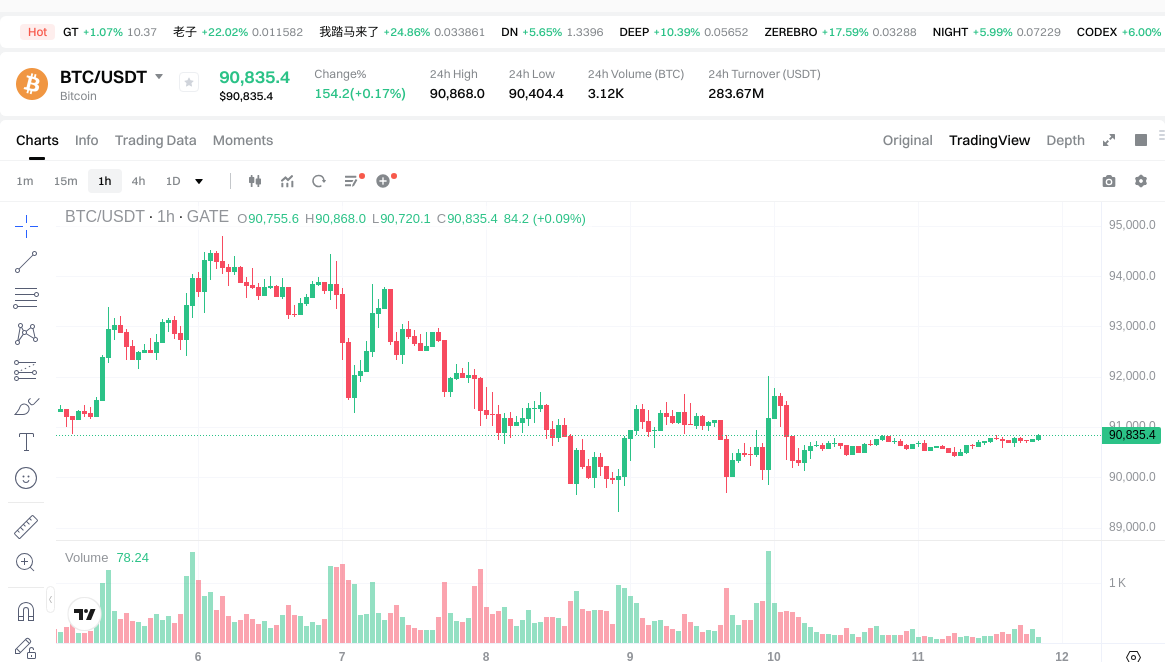
The volatility of cryptocurrency markets presents substantial challenges for investors seeking stable returns. Bitcoin's price fluctuations can be dramatic, with values sometimes changing by double-digit percentages within short timeframes. This unpredictability, combined with regulatory uncertainty across different jurisdictions, creates an environment that Shatner likens to gambling rather than traditional investing. The political nature of cryptocurrency regulation adds another layer of complexity, as government actions and policy announcements can trigger rapid market reactions.
Star Trek Tokenization Speculation
In a lighter moment during the interview, Shatner humorously speculated about the potential tokenization of Star Trek intellectual property. He suggested that those controlling the rights to the iconic franchise would likely pursue tokenization opportunities if they perceived profit potential. This observation reflects the broader trend of entertainment properties exploring blockchain-based monetization strategies, including NFTs and branded tokens.
The concept of tokenizing major entertainment franchises has gained traction in recent years, with various intellectual properties launching digital collectibles and blockchain-based fan engagement platforms. Shatner's comment, while made in jest, touches on a legitimate business consideration for entertainment companies exploring new revenue streams through blockchain technology. The intersection of popular culture and cryptocurrency represents an evolving landscape where traditional media properties seek to leverage digital assets for fan engagement and monetization.
Investment Risks and Cautions
Shatner's overall message serves as a cautionary tale for potential cryptocurrency investors, particularly those new to the space. His gambling comparison underscores the speculative nature of Bitcoin investments and the importance of understanding associated risks before committing capital. Unlike traditional investments backed by tangible assets or established financial instruments, cryptocurrencies derive value primarily from market sentiment and adoption rates, making them inherently more volatile.
Potential investors should approach cryptocurrency markets with appropriate due diligence, understanding that significant losses are possible alongside potential gains. The lack of comprehensive regulatory frameworks in many jurisdictions means investors may have limited recourse in cases of fraud or platform failures. Shatner's warning aligns with financial advisors' general recommendations that cryptocurrency investments should represent only a small portion of a diversified portfolio, and individuals should never invest more than they can afford to lose.
The actor's perspective reminds us that even as blockchain technology and digital assets continue to evolve and gain mainstream attention, fundamental investment principles remain relevant. Understanding risk tolerance, conducting thorough research, and maintaining realistic expectations are essential practices for anyone considering cryptocurrency investments.
FAQ
Why did William Shatner warn against Bitcoin investments?
William Shatner cautioned against Bitcoin investment, describing it as gambling. He believed Bitcoin prices were excessively high and expressed concern about recommending it to loved ones due to volatility risks.
What difference does William Shatner believe exists between Bitcoin investment and gambling?
William Shatner views Bitcoin investment as essentially gambling due to its extreme volatility and high risk. He considers current Bitcoin purchases as excessively risky investments rather than sound financial decisions, equating the speculative nature of crypto trading to gambling activities.
Is Bitcoin investment really as risky as gambling?
Bitcoin is highly volatile but not pure gambling. You own a real asset with fluctuating value. While risk is significant, Bitcoin has evolved into a legitimate store of value with growing institutional adoption and utility.
Is celebrities' negative views on cryptocurrency credible?
Not necessarily. Celebrities' negative views often stem from lack of understanding rather than technical analysis. Bitcoin's adoption by institutions and continued development demonstrate its legitimacy. Individual skepticism doesn't invalidate crypto's technological fundamentals and market maturation.
How should beginner investors assess the risks of Bitcoin investments?
Beginner investors should evaluate Bitcoin risks by analyzing market volatility, understanding regulatory changes, assessing personal risk tolerance, diversifying portfolios, researching project fundamentals, and monitoring trading volume trends. Start with small investments while learning market dynamics.
Besides Bitcoin, what are safer cryptocurrency investment options?
Ethereum, Ripple, and Cardano offer stronger fundamentals and security. Ethereum's upgrades enhance scalability, Ripple serves institutional finance, and Cardano uses scientific methods. Polkadot and Solana also provide diversified blockchain ecosystems with growing adoption and transaction volumes.
* The information is not intended to be and does not constitute financial advice or any other recommendation of any sort offered or endorsed by Gate.