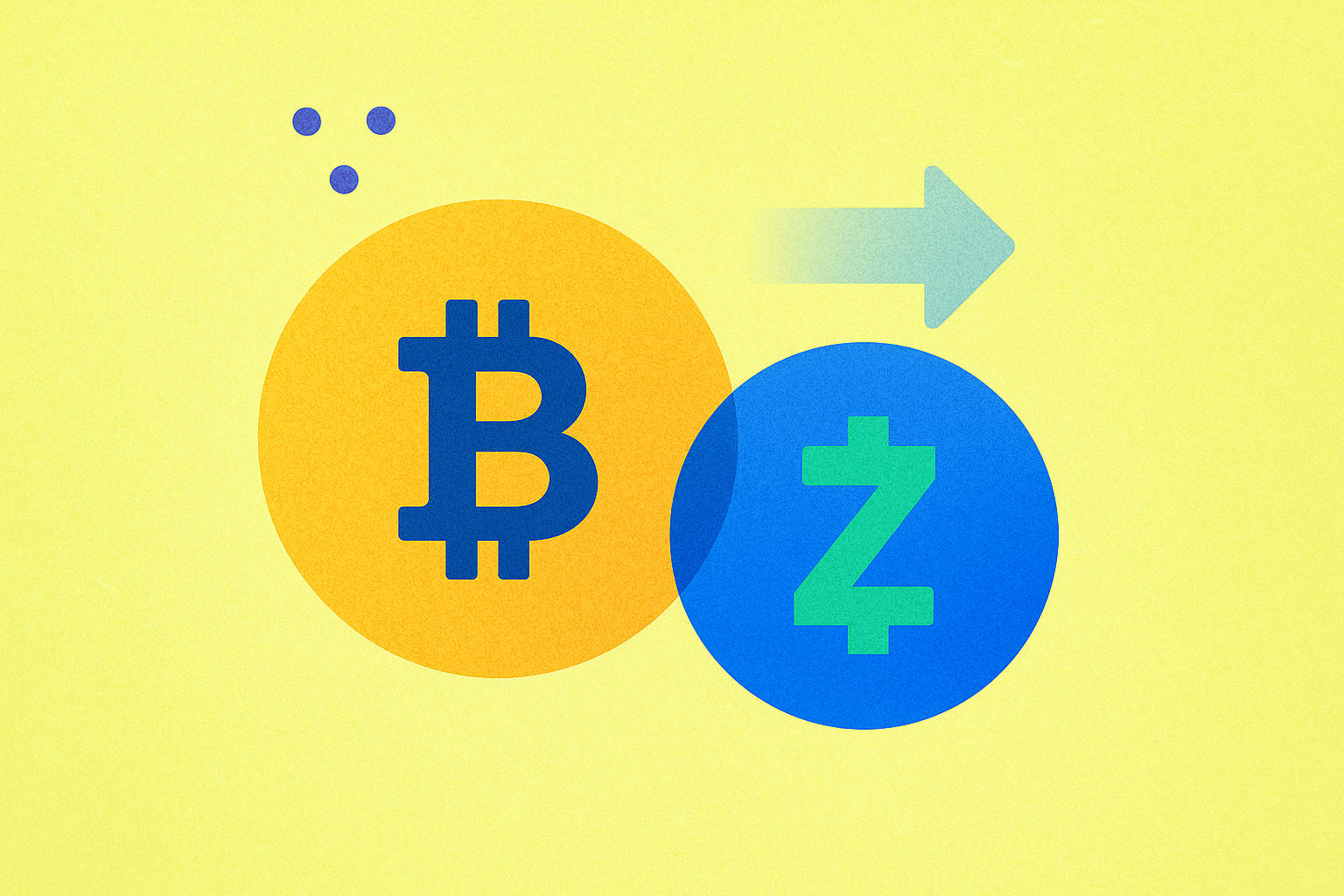
In-depth analysis of Arthur Hayes’ Maelstrom portfolio strategy. Discover why ZEC has rapidly risen to become the second most liquid asset after Bitcoin, learn about the long-term benefits of holding privacy-oriented assets, and explore key selection methods for standout tokens that every Web3 investor needs to know.
Arthur Hayes and the Maelstrom Portfolio: An Overview
Arthur Hayes, the co-founder of a major cryptocurrency trading platform, stands out as a highly influential investor in the digital asset industry. His family office, Maelstrom, is known for its strategic asset allocation and long-term investment outlook. The Maelstrom portfolio centers on Bitcoin (BTC) and invests in high-potential crypto projects, featuring adaptive asset management that responds to evolving market trends.
Hayes regularly shares his perspectives on cryptocurrency market movements, and shifts in his portfolio composition serve as key signals for market participants. Maelstrom’s investment strategy emphasizes technological innovation, privacy, and decentralization, selecting assets that meet these core criteria.
The Rise of ZEC and Its Role in the Portfolio
Recently, Arthur Hayes announced that Zcash (ZEC) has surged to become the second-largest liquid asset in the Maelstrom portfolio, second only to Bitcoin (BTC). This milestone, driven by a sharp increase in ZEC’s price, marks a significant turning point in the portfolio’s asset allocation strategy.
ZEC’s climb to the number two spot indicates Hayes’s strong confidence in the Zcash project and its underlying technology. With ZEC now representing the portfolio’s second-largest holding after Bitcoin, it plays a pivotal role in Maelstrom’s investment approach. This shift reflects not only ZEC’s rising market value but also a robust belief in its future prospects.
Key Factors Behind ZEC’s Price Surge
Several important factors have fueled Zcash’s price rally. As a privacy-focused cryptocurrency, Zcash has attracted increased attention amid growing concerns about data protection. ZEC’s signature technology, Zero-Knowledge Proofs, is widely recognized as an innovative solution that enables transaction anonymity while preserving transparency.
Moreover, the broader recovery in the crypto market has further boosted ZEC’s price. Investors are expanding their focus beyond blue-chip assets like Bitcoin and Ethereum, channeling capital into technically advanced altcoins—a trend that has benefited ZEC. The entry of more institutional investors has also improved ZEC’s liquidity and elevated its market valuation.
When influential figures such as Arthur Hayes publicly disclose their investments in ZEC, it can bolster market sentiment and potentially drive the price even higher.
Future Outlook and Investor Insights
ZEC’s emergence as the second-largest liquid asset in the Maelstrom portfolio offers critical insights for crypto investors. Hayes’s investment decisions reflect his view of ZEC’s long-term growth potential and suggest privacy-centric cryptocurrencies could attract mounting interest in the years ahead.
By considering diversified allocations to technologically advanced projects like ZEC, investors can enhance their portfolio risk management and maximize potential returns. However, given the high volatility of the crypto market, investment decisions should always be approached with caution.
Maelstrom’s evolving asset allocation mirrors broader market trends, and privacy-focused digital assets like ZEC are likely to become increasingly important investment themes. Closely monitoring Arthur Hayes’s moves can help investors identify market directions and emerging opportunities.
FAQ
What is ZEC (Zcash)? What are its main features and uses?
Zcash (ZEC) is a decentralized, privacy-oriented cryptocurrency that leverages zk-SNARK zero-knowledge proof technology for anonymous transactions. It has a capped total supply of 21 million coins and supports selective disclosure for compliance and auditing. ZEC is primarily used for privacy-protected transactions and as a store of value.
What is Arthur Hayes’s Maelstrom investment fund? What is its core investment strategy?
The Maelstrom fund, managed by Arthur Hayes, is a high-risk vehicle focused on Bitcoin and emerging DeFi tokens. For 2026, it has adopted an “almost maximum risk” strategy, aggressively increasing exposure to altcoins.
Why has ZEC become the second-largest holding in the Maelstrom portfolio?
Fueled by strong privacy-focused narratives, ZEC’s price soared to $750, hitting its highest level since 2018. This rapid appreciation propelled ZEC to become the second-largest liquid position in the Maelstrom portfolio.
How does ZEC differ from other privacy coins like Monero?
ZEC uses zk-SNARKs, while Monero relies on ring signatures and RingCT. ZEC offers optional privacy, whereas Monero defaults to private transactions. Monero faces stricter regulatory scrutiny, while ZEC enjoys broader trading accessibility.
What is ZEC’s current market position and growth outlook?
ZEC maintains a stable market position and delivers unique value driven by privacy demand. Through 2026, wider adoption and a more favorable regulatory environment are expected to support steady growth. Rising demand for anonymous transactions will likely continue to fuel ZEC’s momentum.
What risks should investors consider when investing in ZEC?
Key risks of investing in ZEC include price volatility, regulatory shifts, and cybersecurity threats. Diversifying holdings and using secure wallets can help mitigate these risks. Staying informed on market trends and regulatory developments is essential.
* The information is not intended to be and does not constitute financial advice or any other recommendation of any sort offered or endorsed by Gate.