OpenClaw Ignites the AI Agent Revolution
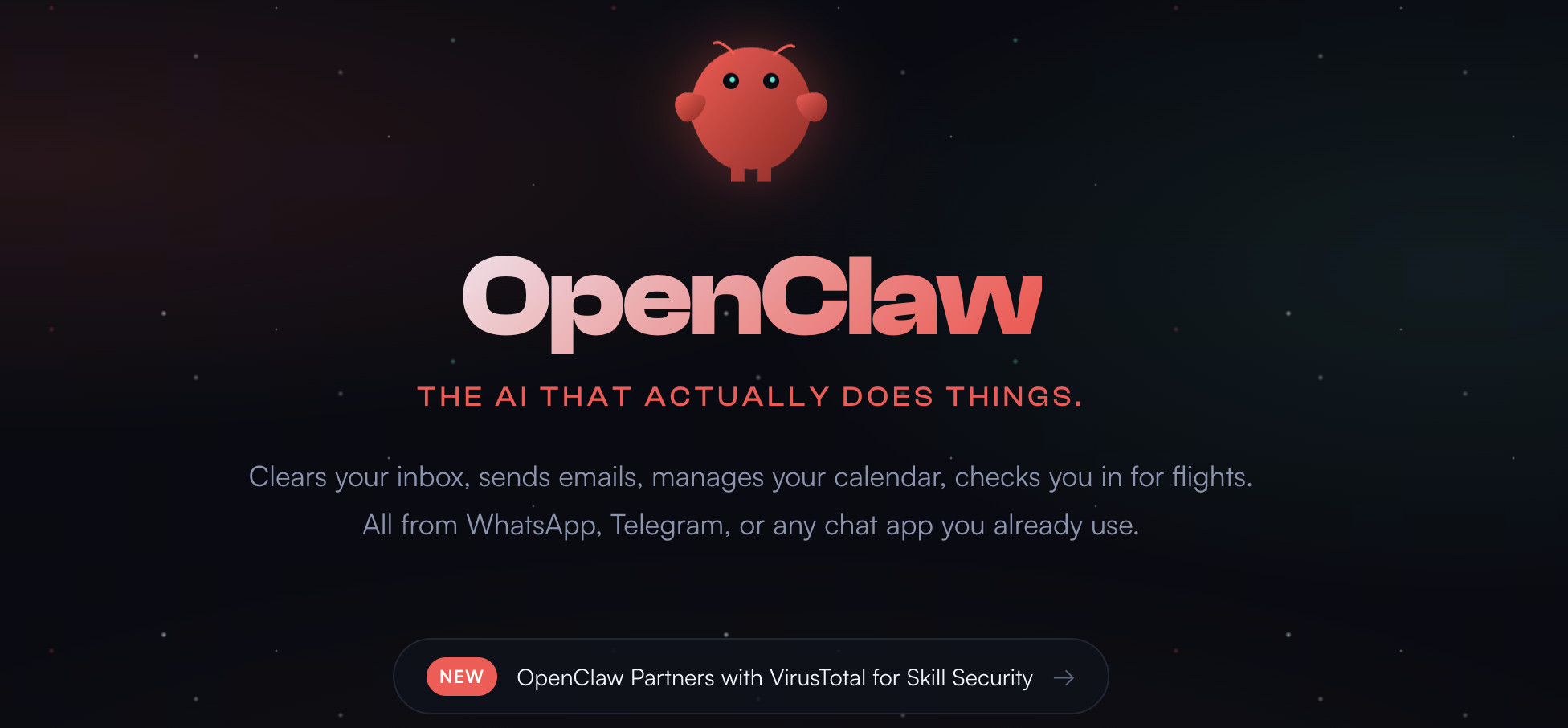 Image credit: OpenClaw Official Website
As 2026 begins, the AI industry's top buzzword is no longer “large model parameters”—it’s AI Agent. Leading the charge is OpenClaw, an open-source, autonomous AI assistant that executes tasks through natural language commands, from managing files and sending emails to calling APIs and handling online services. Unlike traditional AI tools focused solely on content generation, OpenClaw delivers true operational execution.
This breakthrough rapidly captured the developer community’s attention. In just a few months, the project amassed hundreds of thousands of stars on GitHub, ranking as one of the fastest-growing open-source AI initiatives in recent memory.
Riding this wave of enthusiasm, a growing number of tech companies have pivoted toward this space, with major cloud providers rolling out one-click deployment services for OpenClaw. The age of the AI Agent is accelerating.
From “Conversational AI” to “Executable AI”: A New Paradigm Shift
For the past two years, conversational large models dominated AI. Users interacted with ChatGPT, Claude, and others to:
-
Ask questions
-
Generate text
-
Write code
Yet, AI’s role remained confined to advice and content generation. With OpenClaw’s arrival, the focus shifts: AI now directly integrates into workflows.
Consider these applications:
Here, AI steps up from assistant to “digital employee.” Some industry experts have even speculated that in the future, users may not interact with software directly—instead, AI Agents will operate software systems on their behalf.
If this trend continues, apps could evolve into APIs accessed by Agents.
Such a shift would fundamentally reshape the software industry.
“Raising Crawfish”: How AI Tech Went Viral
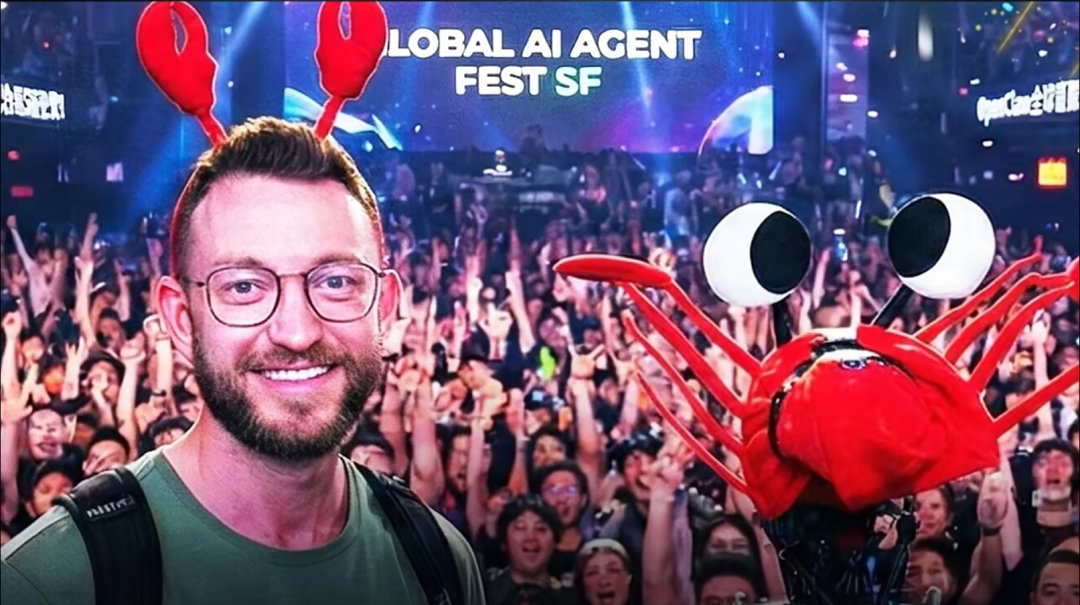
In Chinese online communities, OpenClaw is playfully dubbed “Little Crawfish,” and training or optimizing an AI Agent is called “raising crawfish.”
This culture-driven meme has turbocharged technical discourse. At offline events, hundreds line up to claim “their own AI Agent.” Meanwhile, a robust ecosystem has quickly emerged around OpenClaw, including:
Some AI professionals liken this movement to the 2017 blockchain ICO craze or the 2021 NFT boom. The key difference: this wave is led by productivity tools, not financial speculation.
Security & Risk: Search Poisoning and Malware Threats
Every technology craze carries risks. Recently, security researchers uncovered hackers leveraging OpenClaw’s popularity by poisoning search results to distribute malware. Attackers created fake GitHub repositories that surfaced in search engine results, tricking users into downloading bogus “OpenClaw installers.”
Once executed, these programs can infect systems with:
-
Credential stealers
-
Proxy malware
-
Crypto asset theft tools
Security researchers warn that simply hosting malicious code on GitHub can alter AI search rankings, misleading users into unsafe downloads.
This event highlights a new challenge: security risks in the AI search era. When AI generates search results, verifying the credibility of sources becomes even more complex.
The AI Agent Economy: Emerging Organizational Models
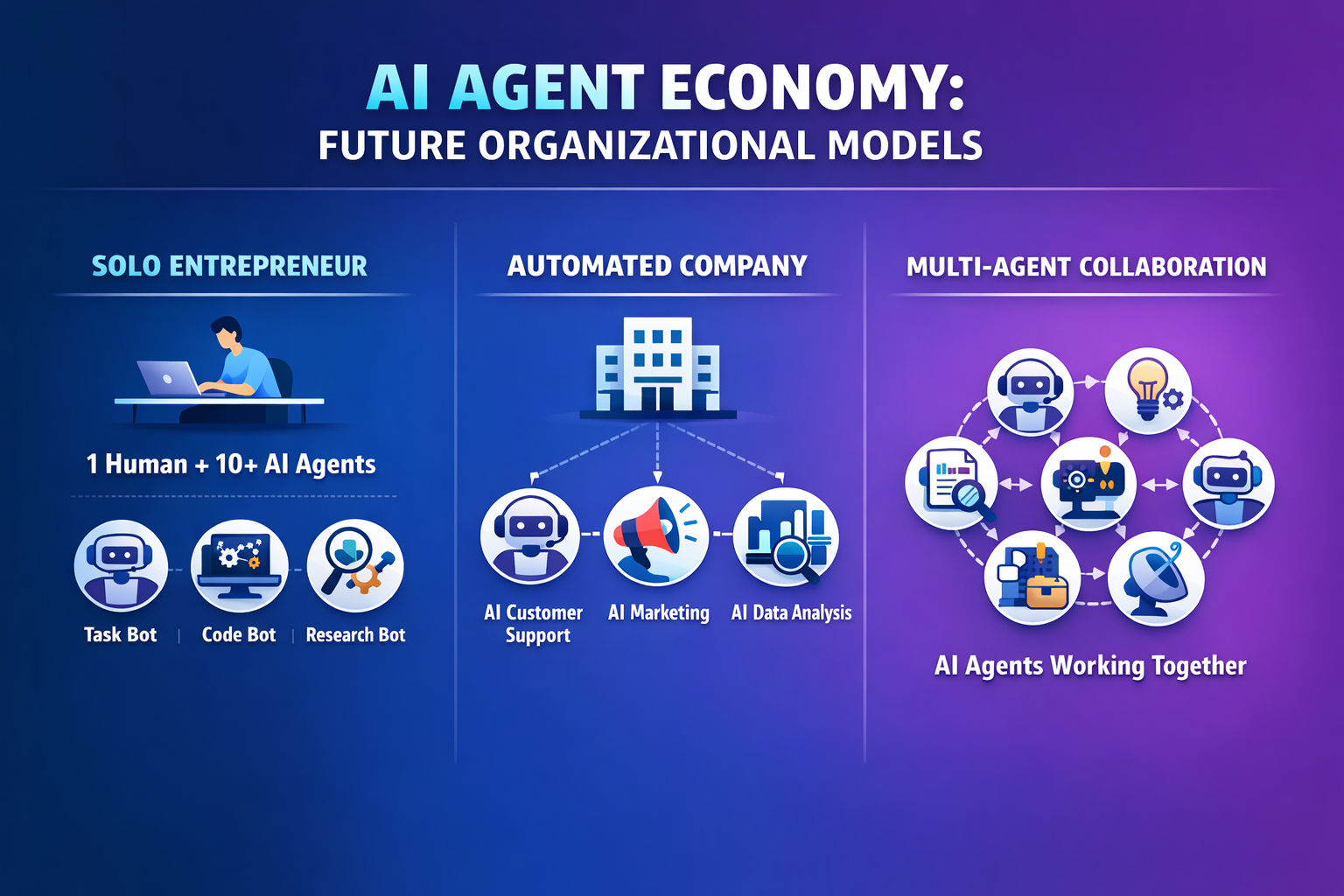
OpenClaw’s real significance lies beyond the tool itself—it signals a new Agent Economy.
In this model:
Potential future scenarios include:
One-Person Companies
A single entrepreneur, aided by dozens of AI Agents, can accomplish what once required a full team.
Automated Enterprises
AI manages:
-
Customer service
-
Marketing
-
Data analytics
-
Operations
Multi-Agent Collaboration
Multiple AI Agents work together to complete complex projects.
Some researchers envision a future where social networks emerge for AI-to-AI interaction.
For example, on Elys, large numbers of AI Agents already communicate and collaborate autonomously.
As this model evolves, human economic activity may shift toward a hybrid of human decision-making and AI execution.
AI + Crypto: Building the Foundation for Digital Trust
As AI Agents proliferate, a new challenge arises: trust. When AI generates much of the internet’s content, how do we verify:
-
Content provenance
-
Identity authenticity
-
Data ownership
This is why leading technologists believe the convergence of AI and crypto will become increasingly vital.
Blockchain technology offers:
For AI-to-AI transactions, these features could become foundational infrastructure.
Examples include:
-
AI-powered automated payment APIs
-
Microtransactions between Agents
-
Data access permissions management
The Road Ahead in the AI Era
The OpenClaw phenomenon has revived an essential question: as AI takes on more tasks, what remains uniquely human?
In the future, the rarest skills won’t be technical. They’ll be:
-
Judgment
-
Creativity
-
Storytelling
AI can code, generate content, and execute processes—but it still relies on humans to:
-
Set objectives
-
Design systems
-
Evaluate risks
AI executes the world; humans chart its course.
Conclusion
From the “raising crawfish” trend surrounding OpenClaw to AI Agents entering real-world production, we are witnessing a pivotal moment in AI’s evolution.
If the past decade belonged to mobile internet and social platforms, the next decade is poised to belong to AI Agents and the automated economy.
The question is no longer whether AI will change the world—it’s how humanity will redefine its role as AI takes on more of our work.
That may be the most profound reflection prompted by the OpenClaw phenomenon.