As Web3 projects evolve beyond financial applications and into real-world consumer use cases, the significance of tokenomics becomes increasingly pronounced. The long-term value of a project hinges not only on its technology and user base, but also on whether its token can effectively integrate with genuine business scenarios.
STAY, the core token of the Staynex social travel platform, is purpose-built around the principle of "real consumer demand drives long-term value." By unifying membership equity, booking rewards, and platform income buyback mechanisms within a single token model, STAY serves as both an internal incentive and a vital bridge connecting user equity to platform growth.
STAY Tokenomics: Total Supply, Distribution, and Use Cases
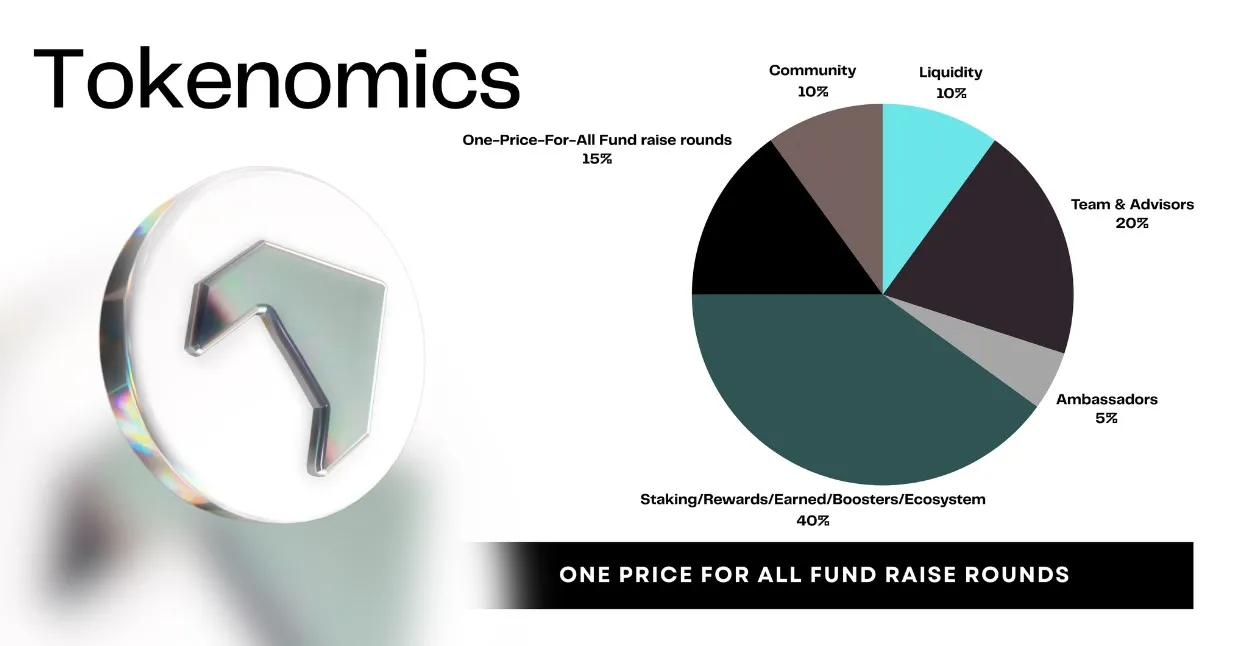
STAY is the core utility token of the Staynex platform, with a total supply of 100 billion tokens. Its primary function is to link user spending behavior to the platform’s equity system.
On traditional travel platforms, users typically receive credits or coupons after booking, which are mostly short-term promotional tools and do not create lasting asset value. STAY is fundamentally different—it acts not only as a reward mechanism but also as a key credential for entering the Staynex membership ecosystem.
By holding and staking STAY, users gain access to higher-tier membership equity, including booking rebates, exclusive discounts, and platform-specific rewards. This means demand for STAY comes from both the trading marketplace and authentic membership and consumption needs within the platform ecosystem. This structure enhances the token’s practical utility and establishes a foundation for sustained demand.
How Does STAY Support the Ocean Club Membership System?
Ocean Club is Staynex’s membership tier system and a major source of STAY token demand. Users achieve membership tiers by staking a specified amount of STAY, with each tier offering distinct booking rebate ratios and exclusive equity. As users advance through tiers, they receive higher reward ratios and additional platform benefits.
This mechanism positions STAY as more than just a reward token—it is central to the platform’s equity system. To access higher-tier equity, users must hold and stake STAY long-term, driving ongoing demand. Unlike traditional platforms where membership status is tied to spending, Staynex links membership equity to on-chain assets, giving membership both asset attributes and incentivizing long-term engagement with the ecosystem.
How Does the STAY Reward Mechanism Work?
Within Staynex, users earn STAY rewards for hotel bookings and participation in ecosystem activities. This reward mechanism transforms user spending into accumulative on-chain assets, adding extra value to every platform transaction.
From the platform perspective, this model boosts user engagement and repeat bookings. Users are motivated not only by travel services but also by STAY rewards and membership equity, fostering ongoing ecosystem participation. When combined with the membership system, the reward mechanism creates a positive cycle—consumption, reward, staking, and equity upgrades—strengthening overall user retention.
How Does Shield Protocol Support STAY’s Value?
Staynex has integrated Shield Protocol to feed a portion of platform income back into STAY’s value. Officially, 20% of net income is allocated to buybacks, token burns, and liquidity pool locking. This mechanism allows platform growth to directly impact the token’s supply-demand dynamics.
Buybacks increase marketplace demand, token burns reduce circulating supply, and liquidity locking mitigates market volatility. Together, these elements form a closed value loop, ensuring STAY’s long-term value is shaped by both market sentiment and platform income growth.
This distinguishes STAY from tokens driven solely by market speculation. Its value is fundamentally tied to platform business growth, creating a direct link between token performance and platform operations.
What Is the Core Value of the STAY Tokenomics Model?
The core of STAY’s tokenomics is the dual engine of "ecosystem-driven demand and platform income buybacks." Ecosystem demand is reflected in users’ need to hold and stake STAY for membership equity, while platform income buybacks reinforce token value as the platform grows.
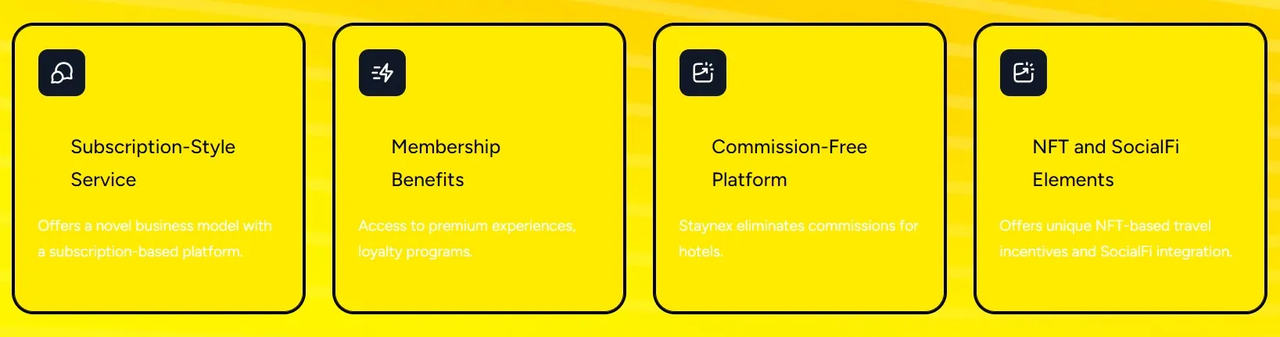
This model balances practical usage with value capture. Users require STAY for membership equity, while platform income growth enhances token scarcity through buybacks and burns. Together, they make STAY not just a reward mechanism, but a value asset deeply integrated with platform business expansion.
For Web3 projects, a token model anchored in real business activity strengthens the connection between tokenomics and platform ecosystem.
What Are the Risks and Limitations of the STAY Tokenomics Model?
Although STAY’s token model is clearly defined through membership staking and income buybacks, its effectiveness relies on platform user growth and revenue performance. If booking activity is low, the buyback mechanism’s impact may be limited. Sustained staking demand also depends on the continued appeal of platform equity.
Moreover, the Web3 travel sector is still in its early stages. User adoption and marketplace competition could influence the token model’s effectiveness. Ongoing observation of platform operations will be necessary to determine whether STAY’s token mechanism delivers sustained results.
Summary
STAY is the core value asset of the Staynex Web3 social travel ecosystem, with its tokenomics model centered on membership equity, platform rewards, and income buyback mechanisms. The Ocean Club membership system drives stable ecosystem demand for STAY, while Shield Protocol ensures long-term value support through platform income.
This dual mechanism—membership equity-driven demand and income growth-supported value—positions STAY as more than a utility token. It is the essential link connecting user equity and platform growth.
FAQs
What Are the Main Uses of the STAY Token?
STAY is primarily used for Ocean Club membership staking, platform reward acquisition, and equity redemption. It also captures ecosystem value through buyback and burn mechanisms.
How Does Ocean Club Increase STAY Demand?
Users must stake STAY to attain higher-tier membership equity, so the membership system continually incentivizes users to hold and lock STAY, increasing token demand.
How Does Shield Protocol Support STAY’s Value?
Shield Protocol allocates 20% of platform net income to buybacks, burns, and liquidity locking—strengthening STAY’s long-term value by boosting demand and reducing supply.
Why Is STAY’s Value Linked to Platform Growth?
Because the platform dedicates part of its income to STAY buybacks, changes in platform revenue directly affect the token’s value mechanics.