What Is SaitamaInu?
SaitamaInu is an ERC-20 token launched on the Ethereum blockchain, trading under the symbol SAITAMA. Classified as a “meme coin,” SAITAMA focuses on community culture and lightweight applications. The token uses smart contracts for on-chain accounting and settlement, allowing users to send, receive, and hold SAITAMA in compatible wallets.
A token is a transferable digital asset on the blockchain. ERC-20 is the most common token standard on Ethereum. Smart contracts are self-executing code rules, and gas fees are the network costs required to process transactions on Ethereum.
SaitamaInu (SAITAMA) Price, Market Cap, and Circulating Supply
As of January 20, 2026, SAITAMA is priced at $0.000265, with a circulating supply of 877,691,270 tokens. Both the total and circulating supply are 877,691,270 SAITAMA, with a maximum supply capped at 1,000,000,000 tokens. The circulating market capitalization is approximately $232,218.52, while the fully diluted market cap is around $264,578.82.
View SAITAMA/USDT price
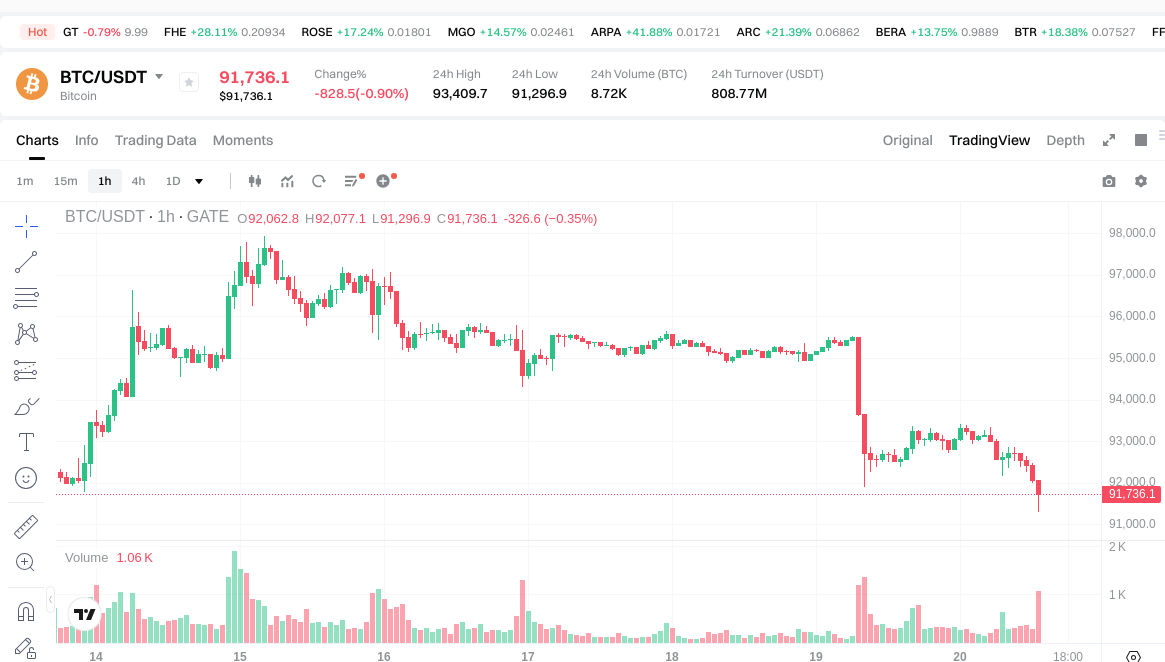
The price changed by -1.1356% in the last hour, +50.2796% over 24 hours, +77.0763% over 7 days, and +52.0357% in 30 days. The 24-hour trading volume is about $19,272.89 across two trading pairs.
Circulating supply refers to the amount of tokens available for trading in the market. Market cap equals price multiplied by circulating supply. Fully diluted market cap estimates total valuation based on the maximum supply. The data indicates a relatively small scale and limited liquidity, so orders may face slippage and execution delays.
Who Created SaitamaInu (SAITAMA), and When?
SAITAMA was launched on July 7, 2024 within the Ethereum ecosystem. According to public information, it is a community-driven project; however, the team's detailed identities are not disclosed on the official website (source: saitamaeth.com as of January 20, 2026).
Such community tokens are typically initiated by anonymous or semi-anonymous teams and later maintained by the community for promotion and application. Transparency of information and contract permissions are important aspects to monitor.
How Does SaitamaInu (SAITAMA) Work?
SAITAMA follows the ERC-20 standard, with smart contracts governing issuance, transfers, and balance management. When users initiate a transfer, the transaction is bundled and recorded on-chain by the Ethereum network, requiring a gas fee. The maximum supply is set at 1 billion tokens, with both total and circulating supply currently at 877,691,270—meaning some tokens may be held or controlled by contracts or designated addresses.
If the contract retains admin privileges, the team may be able to modify fees, blacklist addresses, or mint/burn tokens. If ownership has been renounced (known as “ownership renounced”), rules cannot be changed thereafter. Always review contract code and blockchain explorer annotations to verify actual permissions before investing.
What Can You Do With SaitamaInu (SAITAMA)?
Primary use cases include:
- Trading and Portfolio Management: Buy or sell SAITAMA in supported trading pairs or make small-scale portfolio adjustments.
- Community Engagement: Participate in social activities, voting, or tipping—actual features depend on available community tools.
- Micropayments: For peer-to-peer transfers and settlements if the recipient accepts ERC-20 tokens; consider Ethereum gas fees.
These are core token functions. If more utilities or partnerships develop in the future, its use cases may expand.
Wallets and Extensions Supporting SaitamaInu (SAITAMA)
As an ERC-20 token, SAITAMA can be managed using Ethereum-compatible wallets—both browser extension wallets and mobile wallets are supported. Always input the correct contract address when adding the token to avoid counterfeit versions. Use Ethereum block explorers like Etherscan to check holder addresses, transactions, and contract details.
For enhanced security during long-term holding, consider hardware wallets to keep private keys offline. Seed phrases (mnemonics) are critical for wallet recovery and must be stored offline—never photographed or saved online.
Main Risks and Regulatory Considerations for SaitamaInu (SAITAMA)
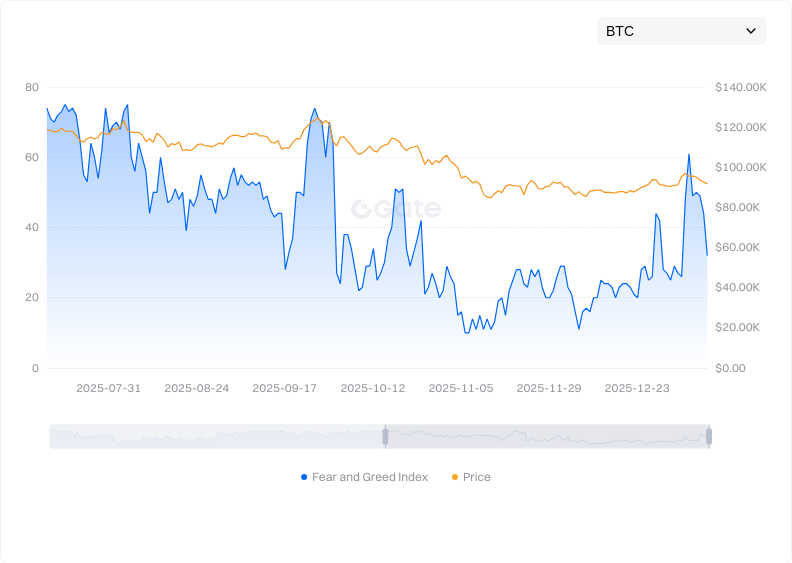
- Price Volatility: Small-cap assets are more susceptible to large trades impacting price significantly in short periods.
View SAITAMA Fear & Greed Index
- Liquidity Risk: Limited trading pairs and low volume may result in high slippage and order execution delays.
- Contract & Permissions: If admin privileges exist or there are flaws in the contract code, extra risks may arise.
- Phishing & Key Security: Fake websites, airdrop scams, and counterfeit contracts are common; loss of private keys or seed phrases is irreversible.
- Regulation & Platform: Different jurisdictions have compliance requirements for token trading; always ensure account security and be aware of custodial risks when using any platform.
Risks cannot be fully eliminated; only invest amounts you can afford to lose and perform due diligence with robust risk controls.
How to Buy and Securely Store SaitamaInu (SAITAMA) on Gate
Step 1: Register a Gate account and complete KYC verification (“Know Your Customer”) for compliance and account privileges.
Step 2: Deposit funds—top up your Gate account or transfer common assets like USDT or ETH to prepare for trading.
Step 3: Search for trading pairs—look up “SAITAMA” in Gate’s spot trading section. If available, review order book depth, recent trades, and fee structure before placing your order.
Step 4: Place your trade—start with small trial orders to manage slippage and execution risk. Use limit orders to avoid chasing volatility; once executed, check your balance in the assets page.
Step 5: If SAITAMA isn’t listed for spot trading on Gate yet, use Gate’s Web3 features to connect with Ethereum and swap USDT or ETH for SAITAMA via decentralized exchange. Always obtain the contract address from official sources to avoid buying counterfeit tokens and set reasonable slippage on the swap page.
Step 6: Withdraw to your own wallet—prepare an Ethereum-compatible wallet address; test with a small transfer first before sending large amounts. Transfers require Ethereum gas fees; transact when network congestion is low for better cost efficiency.
Step 7: Secure storage—keep your private keys and mnemonic phrases offline only; enable two-factor authentication; consider hardware wallets. Regularly review wallet permissions and revoke unnecessary contract approvals.
How Does SaitamaInu (SAITAMA) Differ from Shiba Inu (SHIB)?
Both are Ethereum-based tokens but differ in positioning and scale. SaitamaInu has a capped supply of 1 billion tokens, with relatively smaller market size and lower trading volume—making it more dependent on community outreach and future development.
Shiba Inu (SHIB) was launched earlier with a larger community presence and brand recognition. SHIB has established an ecosystem including decentralized exchange functions and NFTs, offering greater liquidity and broader market coverage. SHIB’s overall supply vastly exceeds SAITAMA’s cap, making its valuation dynamics more complex.
For investors, SAITAMA represents an early-stage community meme token with higher growth potential but greater risk; SHIB is considered a more mature meme coin ecosystem. Choose based on your risk tolerance and assessment of each project’s community and development.
SaitamaInu (SAITAMA) Summary
SaitamaInu is a community-driven ERC-20 token on Ethereum with a maximum supply of 1 billion tokens. Its market cap and volume remain modest; price movements and liquidity are highly sensitive. The token’s primary uses are trading and community engagement—simple to use but requires understanding gas fees and on-chain operations. With significant short-term volatility observed in recent data, investors should carefully verify contract permissions, token distribution, and community activity before investing—using trial orders and test transfers to minimize execution risks. When purchasing via Gate, confirm if spot pairs are available; for Web3 swaps always verify contract addresses and set reasonable slippage. For long-term holding, use hardware wallets with strong key management practices—and stay updated via official channels to adjust strategies dynamically as the ecosystem evolves.
FAQ
Is Saitama Inu Suitable for Beginners?
As a meme coin, Saitama Inu carries high risk levels—not suitable as a primary investment for those with low risk tolerance or beginners. Its price is highly volatile and liquidity may be unstable. Beginners should understand its mechanics and risks first—and only use discretionary funds if participating. Trading on reputable platforms like Gate can reduce scam risks but always do your own research before investing; avoid blindly chasing hype.
Where Is the Safest Place to Store Saitama Inu Tokens?
The storage security hierarchy is: self-custody wallets (such as MetaMask or hardware wallets) > reputable exchanges (like Gate) > smaller platforms. Self-custody gives you full control over private keys—the highest security—but requires careful handling of your mnemonic phrases. For frequent short-term trading, holding on major exchanges like Gate is acceptable; for larger long-term holdings, transfer to a self-custody wallet. In all cases, back up your private key/mnemonic phrase securely to prevent loss.
What Is Saitama Inu’s Tokenomics? Is There a Risk of Inflation?
Saitama Inu adopts a burn mechanism to counteract inflation—a portion of each transaction is automatically burned to reduce supply and support token value in theory. However, meme coin value is primarily driven by community hype and speculative sentiment rather than fundamentals—making it highly sensitive to market moods. Long-term value retention depends on ongoing community engagement and real utility development. Monitor project updates and burn statistics regularly—don’t rely solely on tokenomics when evaluating value.
What Makes Saitama Inu Unique Compared to Other Meme Coins?
Saitama Inu features both burn and reflection mechanisms—automatically burning tokens with each transaction while rewarding long-term holders—setting it apart from typical meme coins. Compared with Shiba Inu (SHIB), which already boasts a comprehensive ecosystem, Saitama Inu is younger but potentially has greater growth potential. Consider community size, team activity level, and ecosystem progress—not just price or superficial similarities—when making decisions.
What Should I Watch Out for When Buying Saitama Inu on Gate?
First, ensure you’re buying from the correct contract address—meme coins are prone to imitators/scams; next, check liquidity levels and bid-ask spreads—low liquidity can cause slippage losses; finally set appropriate price alerts to avoid panic during volatility spikes. After purchase, move tokens promptly into a self-custody wallet instead of leaving them on an exchange long-term. If you encounter any issues or anomalies, contact Gate’s official support for confirmation.
Key Terms for Saitama Inu (SAITAMA)
- Meme Coin: A cryptocurrency themed around internet culture or viral community trends; typically highly speculative and community-driven.
- Token Burn: Permanently removing tokens from circulation to increase the relative value of remaining tokens by reducing total supply.
- Liquidity Pool: A smart contract mechanism where users provide equal values of two tokens to support trading pairs while earning transaction fees.
- Reflection Mechanism: A system that redistributes part of every transaction fee automatically to all holders as an incentive for long-term holding.
- Decentralized Exchange (DEX): A smart contract-based trading platform where users swap tokens directly without central custody.
- Slippage: The percentage difference between expected order price and actual executed price due to market fluctuations during order processing.
References & Further Reading on Saitama Inu (SAITAMA)
-
Official Website / Whitepaper:
-
Development / Documentation:
-
Authoritative Media / Research: