

Trade
Basic
Futures
Futures
Hundreds of contracts settled in USDT or BTC
TradFi
Gold
Trade global traditional assets with USDT in one place
Options
Hot
Trade European-style vanilla options
Unified Account
Maximize your capital efficiency
Demo Trading
Futures Kickoff
Get prepared for your futures trading
Futures Events
Participate in events to win generous rewards
Demo Trading
Use virtual funds to experience risk-free trading
Earn
Launch
CandyDrop
Collect candies to earn airdrops
Launchpool
Quick staking, earn potential new tokens
HODLer Airdrop
Hold GT and get massive airdrops for free
Launchpad
Be early to the next big token project
Alpha Points
Trade on-chain assets and enjoy airdrop rewards!
Futures Points
Earn futures points and claim airdrop rewards
Investment
Simple Earn
Earn interests with idle tokens
Auto-Invest
Auto-invest on a regular basis
Dual Investment
Buy low and sell high to take profits from price fluctuations
Soft Staking
Earn rewards with flexible staking
Crypto Loan
0 Fees
Pledge one crypto to borrow another
Lending Center
One-stop lending hub
VIP Wealth Hub
Customized wealth management empowers your assets growth
Private Wealth Management
Customized asset management to grow your digital assets
Quant Fund
Top asset management team helps you profit without hassle
Staking
Stake cryptos to earn in PoS products
Smart Leverage
New
No forced liquidation before maturity, worry-free leveraged gains
GUSD Minting
Use USDT/USDC to mint GUSD for treasury-level yields

More


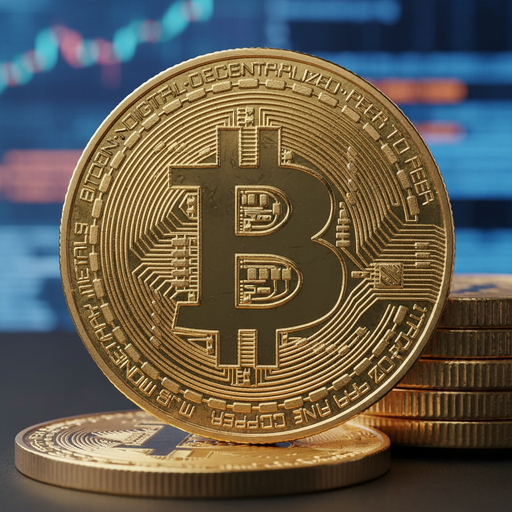




#BitcoinWeakensVsGold
Over the past few weeks, global financial markets have been buzzing with one key narrative: Bitcoin is weakening against Gold. This shift has reignited the long-standing debate between digital assets and traditional safe havens. For years, Bitcoin supporters have promoted it as “digital gold,” but recent market movements suggest that, at least for now, investor confidence is tilting back toward physical gold.
Gold prices have been climbing steadily, driven by rising geopolitical tensions, concerns over global economic slowdown, and expectations of future interest rate cuts by major central banks. Historically, gold has always been the first choice during uncertainty. It has thousands of years of trust behind it, no counterparty risk, and universal acceptance. In contrast, Bitcoin—while innovative and revolutionary—is still a relatively young asset and remains highly sensitive to market sentiment.
One major reason behind Bitcoin’s underperformance versus gold is risk aversion. When markets become nervous, investors typically reduce exposure to volatile assets. Bitcoin, despite maturing over the years, is still viewed as a high-risk, high-reward investment. As liquidity tightens and institutional investors rebalance portfolios, capital often flows out of crypto and into safer instruments like gold and government bonds.
Regulatory uncertainty has also played a role. Ongoing discussions around crypto regulations in major economies continue to create short-term pressure on Bitcoin. Any hint of stricter rules, taxation, or compliance requirements tends to spook investors. Gold, on the other hand, is largely immune to regulatory shocks, which further strengthens its appeal in turbulent times.
Another important factor is the strengthening of gold’s inflation-hedge narrative. While Bitcoin was initially marketed as a hedge against inflation, real-world data has shown mixed results. During recent inflationary cycles, gold has demonstrated more consistent performance, while Bitcoin has often moved in line with tech stocks, behaving more like a risk asset than a hedge.
However, this does not mean Bitcoin’s long-term story is over. Many analysts argue that Bitcoin is simply going through a cyclical phase. Crypto markets are known for sharp drawdowns followed by powerful recoveries. Network fundamentals, adoption, and scarcity (with a fixed supply of 21 million coins) still support Bitcoin’s long-term value proposition. In contrast, gold’s upside is usually more gradual and limited.
For investors, the current Bitcoin vs Gold dynamic highlights the importance of diversification. Rather than viewing this as a zero-sum game, smart money often holds both—using gold for stability and Bitcoin for growth potential. Market cycles change, narratives shift, and assets rotate in and out of favor.
In conclusion, Bitcoin weakening against gold reflects today’s cautious market mood, not necessarily a permanent loss of faith in crypto. Gold is winning the safe-haven battle for now, but Bitcoin’s role as a disruptive, long-term asset remains intact. The real question is not which asset will win forever, but how investors can balance both to navigate an uncertain financial future