

Trade
Basic
Futures
Futures
Hundreds of contracts settled in USDT or BTC
TradFi
Gold
Trade global traditional assets with USDT in one place
Options
Hot
Trade European-style vanilla options
Unified Account
Maximize your capital efficiency
Demo Trading
Futures Kickoff
Get prepared for your futures trading
Futures Events
Participate in events to win generous rewards
Demo Trading
Use virtual funds to experience risk-free trading
Earn
Launch
CandyDrop
Collect candies to earn airdrops
Launchpool
Quick staking, earn potential new tokens
HODLer Airdrop
Hold GT and get massive airdrops for free
Launchpad
Be early to the next big token project
Alpha Points
Trade on-chain assets and enjoy airdrop rewards!
Futures Points
Earn futures points and claim airdrop rewards
Investment
Simple Earn
Earn interests with idle tokens
Auto-Invest
Auto-invest on a regular basis
Dual Investment
Buy low and sell high to take profits from price fluctuations
Soft Staking
Earn rewards with flexible staking
Crypto Loan
0 Fees
Pledge one crypto to borrow another
Lending Center
One-stop lending hub
VIP Wealth Hub
Customized wealth management empowers your assets growth
Private Wealth Management
Customized asset management to grow your digital assets
Quant Fund
Top asset management team helps you profit without hassle
Staking
Stake cryptos to earn in PoS products
Smart Leverage
New
No forced liquidation before maturity, worry-free leveraged gains
GUSD Minting
Use USDT/USDC to mint GUSD for treasury-level yields

More






Gold Breaks Through $5,000 as Market Sentiment Shifts Away from Digital Assets
Gold has achieved a historic milestone, surpassing $5,000 per ounce for the first time in market history. The precious metal reached $5,080 during recent trading sessions as investors globally reassess their portfolio positioning amid escalating uncertainties. This breakthrough marks a dramatic reversal in traditional asset valuations, with significant implications for how capital is being deployed across different markets.
The gold market’s remarkable ascent reflects deepening concerns about geopolitical tensions and potential fiscal policy disruptions. Trade disputes have intensified, with threats of substantial tariffs creating additional headwinds for investor confidence. Additionally, anticipation of a potential US government shutdown has further accelerated capital flows toward assets perceived as safe havens. Over the past year, gold has climbed an impressive 83% from previous levels, with January alone accounting for a 17% surge.
Gold Outpaces Traditional Safe-Haven Instruments
While investors traditionally turned to US Treasury securities during periods of uncertainty, market dynamics have fundamentally shifted. The combination of tariff threats and shutdown risks has made global investors increasingly reluctant to hold Treasuries. Instead, capital has concentrated heavily in precious metals, with gold emerging as the primary beneficiary of this reallocation strategy.
Goldman Sachs, one of the world’s most influential investment banks, has substantially raised its outlook for the yellow metal. The bank elevated its year-end gold price target from $4,900 to $5,400 per ounce, citing surging participation from private wealth managers and institutional investors seeking enhanced portfolio diversification. These sophisticated investors view gold as essential protection against the erosion of purchasing power as government debt burdens expand globally.
The Cryptocurrency Contrast: Bitcoin’s Struggling Performance
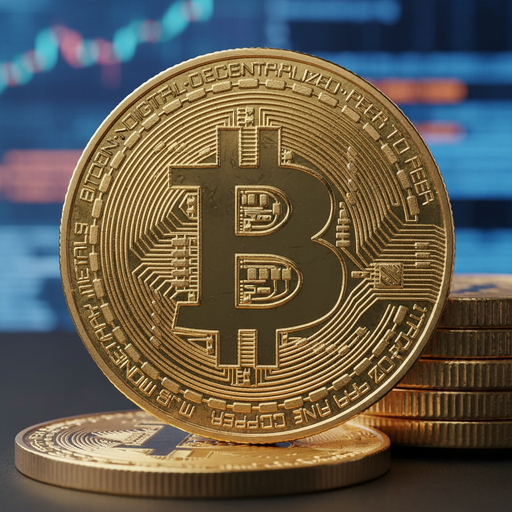
Digital assets have moved in the opposite direction, with Bitcoin experiencing significant headwinds. The cryptocurrency has retreated to approximately $76,600, marking a steep descent from its October peak of $126,000. This represents roughly a 39% decline from those elevated levels and has entirely eliminated all gains accumulated during 2026. Over the trailing twelve months, Bitcoin has posted a negative return of approximately 25%, starkly contrasting with gold’s impressive appreciation.
Ethereum similarly faces mounting pressure, trading near $2,290 after declining substantially from its August all-time high of $4,950. The broader cryptocurrency market’s underperformance has thrown into sharp relief the divergence between digital assets and physical precious metals as investment vehicles during uncertain economic periods.
The Precious Metals Ecosystem Strengthens
Beyond gold, other precious metals have participated meaningfully in the rally. Silver surged past $107 per ounce recently, representing a 48% gain year-to-date after breaking through the $100 threshold. Platinum has similarly benefited from defensive positioning, accumulating more than 40% gains this year as investors broaden their allocation across the precious metals complex.
This widespread strength across multiple metals reflects not merely commodity speculation, but rather a fundamental reassessment of how investors should structure portfolios during periods of heightened macroeconomic uncertainty. Robin Brooks from the Brookings Institution characterized these movements as “breathtaking and profoundly scary,” emphasizing that the precious metals rally signals deeper anxieties about global debt sustainability and currency stability.
Market Dynamics and Forward Expectations
Analysts from major trading venues like BTSE have highlighted the mechanics driving these flows. The confluence of shutdown risks and the Federal Reserve’s steady interest rate stance—amid stronger economic growth and employment metrics—has created an unusual market environment. Capital that would typically gravitate toward Treasuries faces skepticism due to elevated geopolitical risks, pushing investors toward tangible assets like gold as a wealth preservation mechanism.
The shift toward precious metals has also been reinforced by major geopolitical developments, including regional power transitions and territorial policy discussions. Gold has demonstrated remarkable responsiveness to these headline events throughout the year, rallying approximately 65% in 2025 before adding another 15% so far in 2026.
The institutional move toward gold has proven so decisive that the precious metal reached the historic $5,000 milestone before Ethereum could achieve it—a result that settled a Polymarket wager placed months earlier on which asset would reach that level first. This symbolic victory underscores the magnitude of capital reallocation from speculative digital assets toward established precious metal markets in this new risk environment.