


Futures
Hundreds of contracts settled in USDT or BTC
TradFi
Gold
One platform for global traditional assets
Options
Hot
Trade European-style vanilla options
Unified Account
Maximize your capital efficiency
Demo Trading
Futures Kickoff
Get prepared for your futures trading
Futures Events
Join events to earn rewards
Demo Trading
Use virtual funds to experience risk-free trading
Launch
CandyDrop
Collect candies to earn airdrops
Launchpool
Quick staking, earn potential new tokens
HODLer Airdrop
Hold GT and get massive airdrops for free
Launchpad
Be early to the next big token project
Alpha Points
Trade on-chain assets and earn airdrops
Futures Points
Earn futures points and claim airdrop rewards


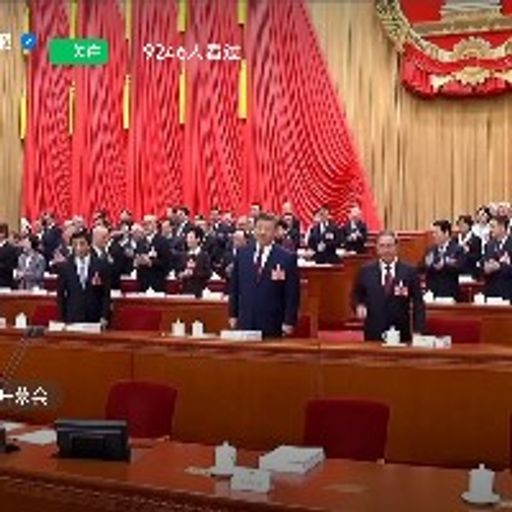




France approves the 2026 budget amid political instability
On February 3rd, the French parliamentary majority successfully approved the budget allocations for the upcoming year, overcoming a serious political crisis that for several weeks undermined international investors’ confidence in the French economy. This outcome marked a significant moment for the Le Corne government, which managed to emerge victorious through diplomatic tactics and strategic compromises.
Parliamentary Confrontation and Voting Results
The developments unfolded dramatically during two consecutive votes of no confidence. The first resolution, proposed by the left wing of the National Assembly, received 260 votes against the 289 needed to overthrow the minority government. The second attempt, launched by far-right forces, was even weaker — only 135 votes. Both attempts to ignite a new political crisis failed, allowing the budget approval process to proceed as planned.
Economic Concessions and the New Fiscal Reality
The government’s victory came at a high cost: Le Corne and his cabinet were forced to make significant concessions to the opposition. The cancellation of some expenditures and the expansion of the tax burden altered the initial contours of the budget plan. The inevitable result was that the state budget deficit this year is expected to reach 5%, exceeding initial strategic estimates. Despite this, the approval of the budget means that Le Corne has overcome the obstacle that his predecessors, who were forced to resign due to conflicts with Parliament over strict fiscal reforms, could not avoid.