

Trade
Basic
Futures
Futures
Hundreds of contracts settled in USDT or BTC
TradFi
Gold
Trade global traditional assets with USDT in one place
Options
Hot
Trade European-style vanilla options
Unified Account
Maximize your capital efficiency
Demo Trading
Futures Kickoff
Get prepared for your futures trading
Futures Events
Participate in events to win generous rewards
Demo Trading
Use virtual funds to experience risk-free trading
Earn
Launch
CandyDrop
Collect candies to earn airdrops
Launchpool
Quick staking, earn potential new tokens
HODLer Airdrop
Hold GT and get massive airdrops for free
Launchpad
Be early to the next big token project
Alpha Points
Trade on-chain assets and enjoy airdrop rewards!
Futures Points
Earn futures points and claim airdrop rewards
Investment
Simple Earn
Earn interests with idle tokens
Auto-Invest
Auto-invest on a regular basis
Dual Investment
Buy low and sell high to take profits from price fluctuations
Soft Staking
Earn rewards with flexible staking
Crypto Loan
0 Fees
Pledge one crypto to borrow another
Lending Center
One-stop lending hub
VIP Wealth Hub
Customized wealth management empowers your assets growth
Private Wealth Management
Customized asset management to grow your digital assets
Quant Fund
Top asset management team helps you profit without hassle
Staking
Stake cryptos to earn in PoS products
Smart Leverage
New
No forced liquidation before maturity, worry-free leveraged gains
GUSD Minting
Use USDT/USDC to mint GUSD for treasury-level yields

More





#HongKongPlansNewVAGuidelines
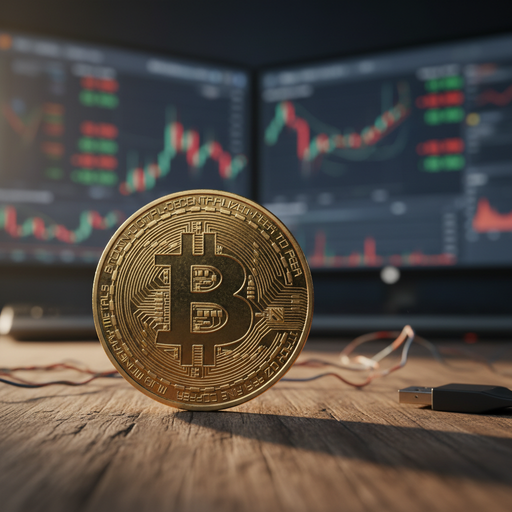
Hong Kong’s plan to introduce new Virtual Asset (VA) guidelines marks a crucial step in establishing the city as a regulated and innovation-friendly hub for digital assets. For years, Hong Kong has sought to balance its role as a global financial center with the rapid growth of crypto markets. The proposed VA guidelines aim to create clarity for exchanges, token issuers, and service providers, addressing areas such as licensing requirements, compliance standards, custody protocols, and investor protection. By formalizing these rules, Hong Kong signals that it is committed to integrating virtual assets into the mainstream financial ecosystem while mitigating risks associated with fraud, money laundering, and operational failures.
Timing plays a critical role. The global crypto landscape is experiencing accelerated adoption, with governments and regulators worldwide racing to define standards. Hong Kong’s move comes at a moment when investors are seeking regulated jurisdictions for safer exposure, and projects are looking for reliable markets with clear legal frameworks. The guidelines are expected to increase institutional confidence, attract professional investors, and encourage exchanges to adopt rigorous governance and operational practices. This is particularly important in a region historically viewed as a bridge between global finance and Asian markets, positioning Hong Kong to compete with Singapore and other crypto-forward jurisdictions.
The guidelines will likely affect multiple aspects of the VA ecosystem. Exchanges will need to meet licensing thresholds and implement robust compliance programs, token projects may be subject to disclosure requirements, and custodians will be expected to maintain high standards for asset security and segregation. These measures aim to reduce systemic risks while fostering innovation. For investors, this means that participation in Hong Kong’s VA markets could become safer and more transparent, with reduced exposure to scams, operational risks, and legal uncertainty.
From a strategic perspective, the introduction of clear VA guidelines encourages long-term, sustainable market participation. Projects that proactively align with the guidelines will gain credibility and visibility, while those that fail to comply may face operational restrictions or limited market access. For institutional investors, regulated frameworks provide a pathway to deploy capital with confidence, opening doors to larger liquidity pools and more sophisticated trading strategies. In effect, Hong Kong’s guidelines serve not only as a regulatory measure but also as a market signal, encouraging professionalization, trust, and adoption.
My advice to market participants is to approach these developments with both caution and opportunity in mind. For traders, understanding the operational and compliance requirements of exchanges under the new guidelines will be essential. For project teams, aligning tokenomics, governance, and transparency with expected regulatory standards will not only ensure compliance but also enhance market reputation. Observing how Hong Kong balances innovation with risk management can provide insights for strategy, timing, and long-term positioning across Asia’s crypto markets.
#HongKongPlansNewVAGuidelines represents a significant step toward regulatory clarity, market maturity, and institutional readiness. The guidelines are likely to attract serious investors, strengthen trust in exchanges, and promote sustainable growth across the VA ecosystem. Participants who anticipate, adapt, and align with these guidelines will benefit from safer engagement, better market positioning, and a competitive edge in one of Asia’s most important crypto jurisdictions.