


Futures
Access hundreds of perpetual contracts
TradFi
Gold
One platform for global traditional assets
Options
Hot
Trade European-style vanilla options
Unified Account
Maximize your capital efficiency
Demo Trading
Futures Kickoff
Get prepared for your futures trading
Futures Events
Join events to earn rewards
Demo Trading
Use virtual funds to experience risk-free trading
Launch
CandyDrop
Collect candies to earn airdrops
Launchpool
Quick staking, earn potential new tokens
HODLer Airdrop
Hold GT and get massive airdrops for free
Launchpad
Be early to the next big token project
Alpha Points
Trade on-chain assets and earn airdrops
Futures Points
Earn futures points and claim airdrop rewards


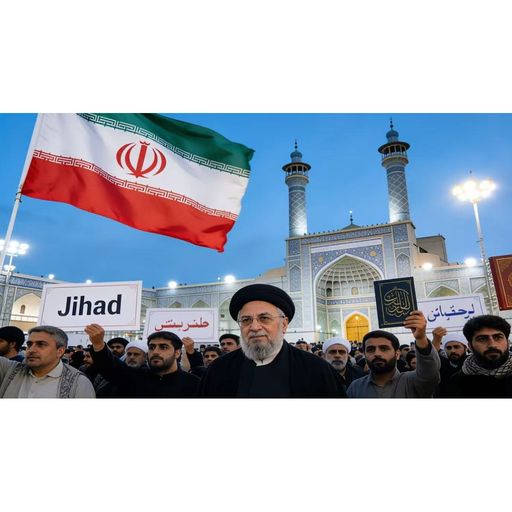


#USIranTensionsImpactMarkets #USIranTensionsImpactMarkets 🌍💥📈🛢️💰
Escalating tensions between the United States and Iran are sending ripples across global financial markets, impacting energy, equities, currencies, and safe-haven assets. Geopolitical uncertainty tends to increase volatility, forcing investors to reassess risk exposure, liquidity positioning, and potential supply disruptions.
🛢️ Energy Markets:
Fear of disruptions in Middle Eastern oil exports has pushed crude prices higher, affecting broader commodities and inflation expectations. Traders react not just to confirmed events but also to the potential escalation that could threaten critical shipping lanes and production facilities.
📊 Equities:
Risk-averse investors rotate from cyclical and volatile sectors into defensive equities such as consumer staples, healthcare, and utilities. Technology and growth stocks, more sensitive to global trade and financing conditions, often face pressure during heightened geopolitical risk.
💎 Safe-Haven Assets:
Gold, the U.S. dollar, and government bonds have gained as investors seek stability. Prices rise and yields fall as demand for low-risk stores of value increases. Short-term capital flows typically favor these instruments amid uncertainty.
🌐 Global Supply Chains:
Heightened risk may affect shipping insurance costs, freight schedules, and international trade flows. Companies exposed to sensitive regions could adjust procurement, logistics, and operations in response to evolving geopolitical conditions.
🧠 Investor Psychology:
Even the perception of conflict can trigger outsized market reactions. Volatility spikes, margin pressures increase, and trading intensifies as investors price in uncertainty.
💱 Currency Markets:
The U.S. dollar often strengthens during geopolitical tension, while regional and emerging market currencies may weaken. Portfolio rebalancing and capital flight amplify these moves.
📈 Crypto Markets:
Bitcoin and altcoins may react sharply to risk-on or risk-off sentiment. Safe-haven demand could temporarily favor stablecoins, while high-beta tokens may retrace.
⚖️ Balancing Risks:
Strong corporate earnings, resilient economic data, and liquidity support can temper pessimism, but investors must remain vigilant. Risk management, hedging, and strategic allocation are cr
ucial during geopolitical uncertainty.
In summary, U.S.–Iran tensions underscore the interconnected nature of geopolitics and markets. Energy, equities, currencies, and crypto all feel the impact, and investor behavior reflects a mix of fear and opportunity. Monitoring developments closely is essential for navigating potential market shifts.
🌍💥📈🛢️💰
#
$BTC