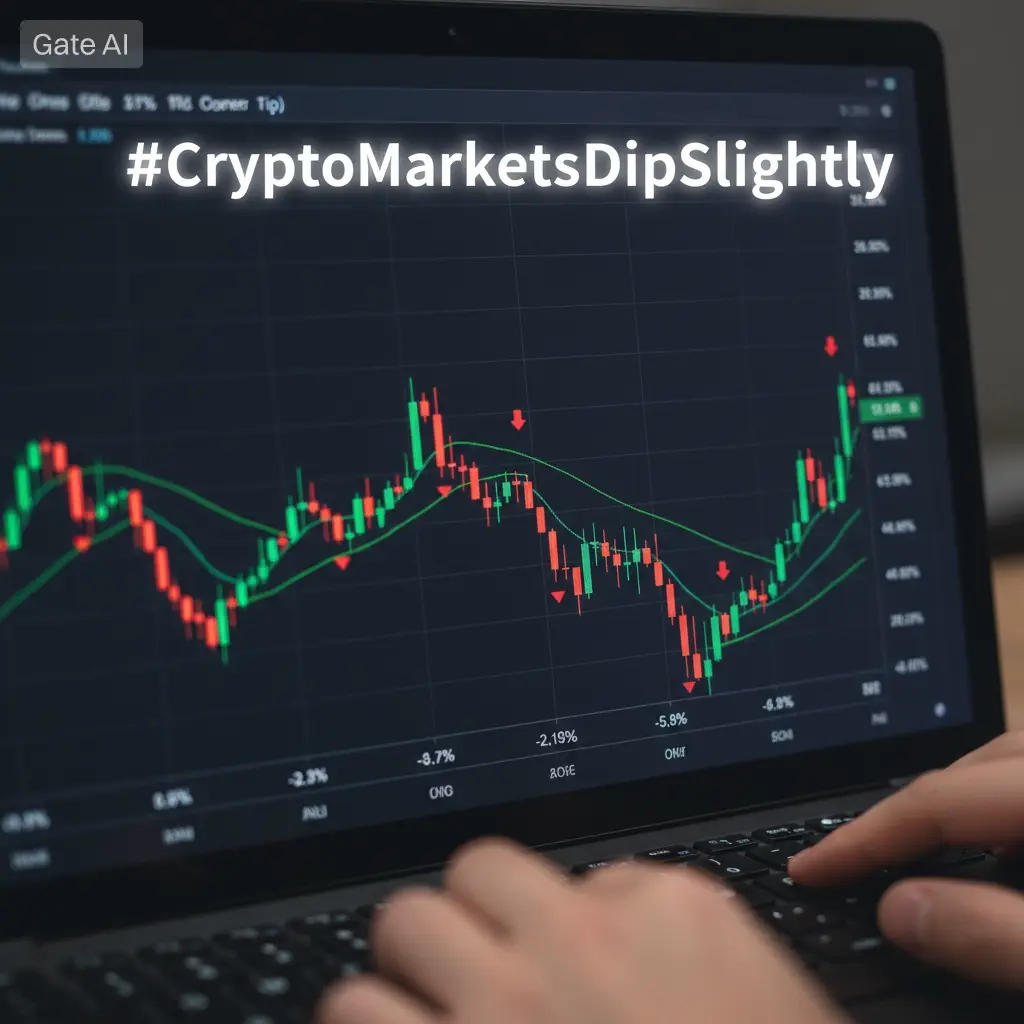
# FebNonfarmPayrollsUnexpectedlyFall

936.25K
#FebNonfarmPayrollsUnexpectedlyFall ⚡📊💹🪙🌍
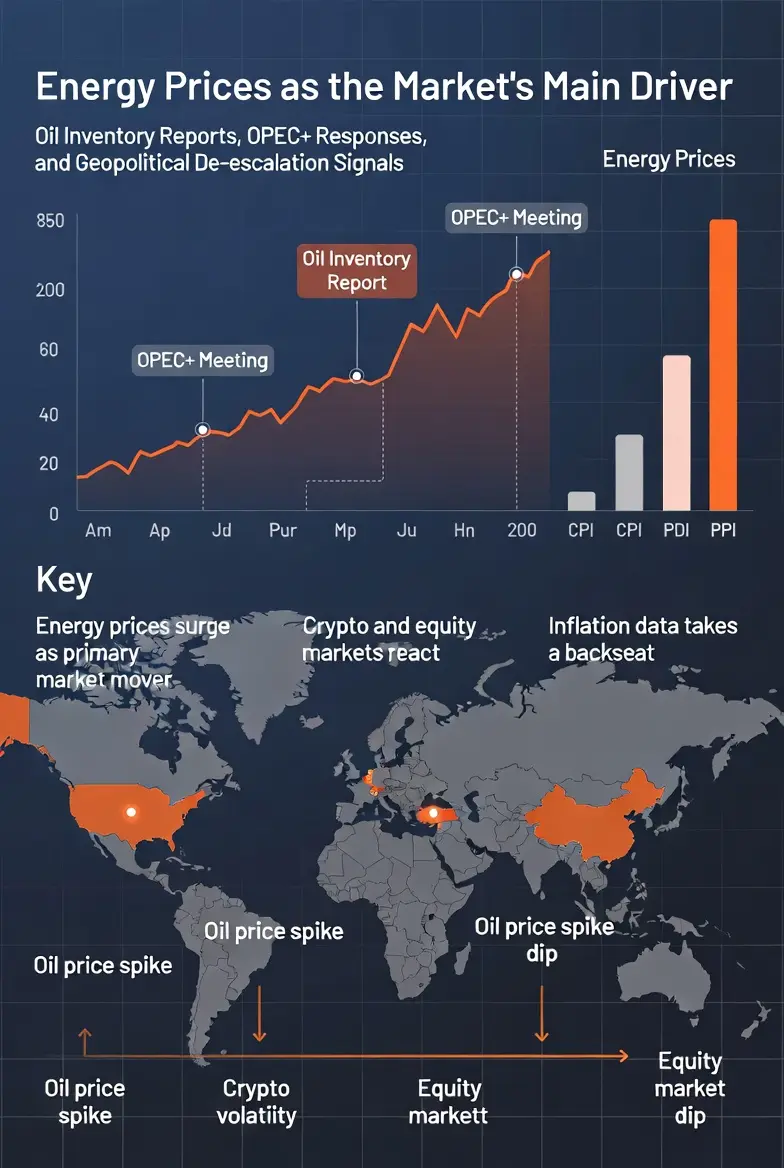
This week, the macro narrative has decisively shifted toward energy dynamics, with soaring oil prices commanding attention and overshadowing traditional inflation metrics like CPI, PPI, and Fed commentary. The rapid surge in crude is no longer just a commodity story—it has become the primary driver influencing global liquidity, market sentiment, and risk appetite. Rising energy costs create second-order effects across consumer prices, corporate margins, transportation, and logistics, keeping inflationary pressures alive even if headline CPI shows m
BTC2,63%
ETH3,88%
post-image
  • Reward
  • 6
  • Repost
  • Share
MasterChuTheOldDemonMasterChuvip:
2026 Go Go Go 👊
View More
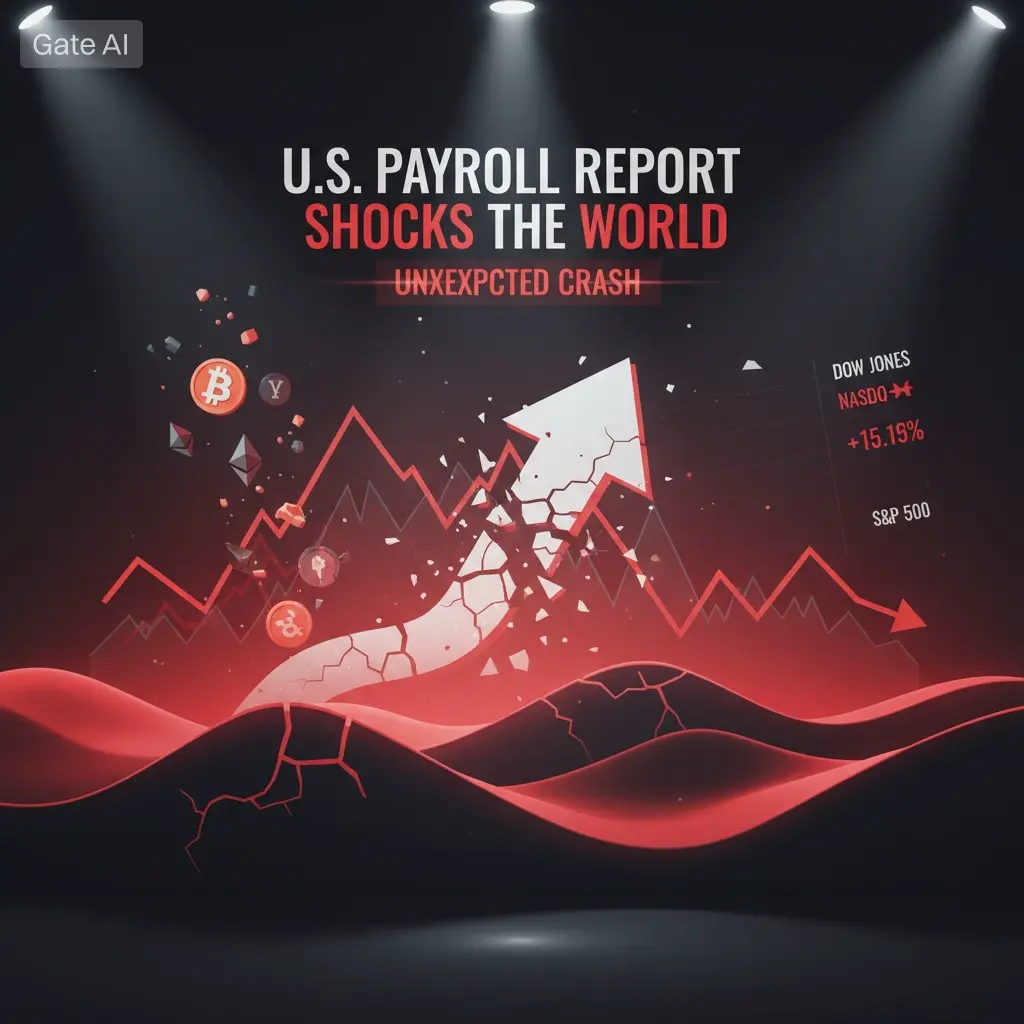
#FebNonfarmPayrollsUnexpectedlyFall — U.S. Jobs Data Signals Market Caution 🇺🇸📉
4
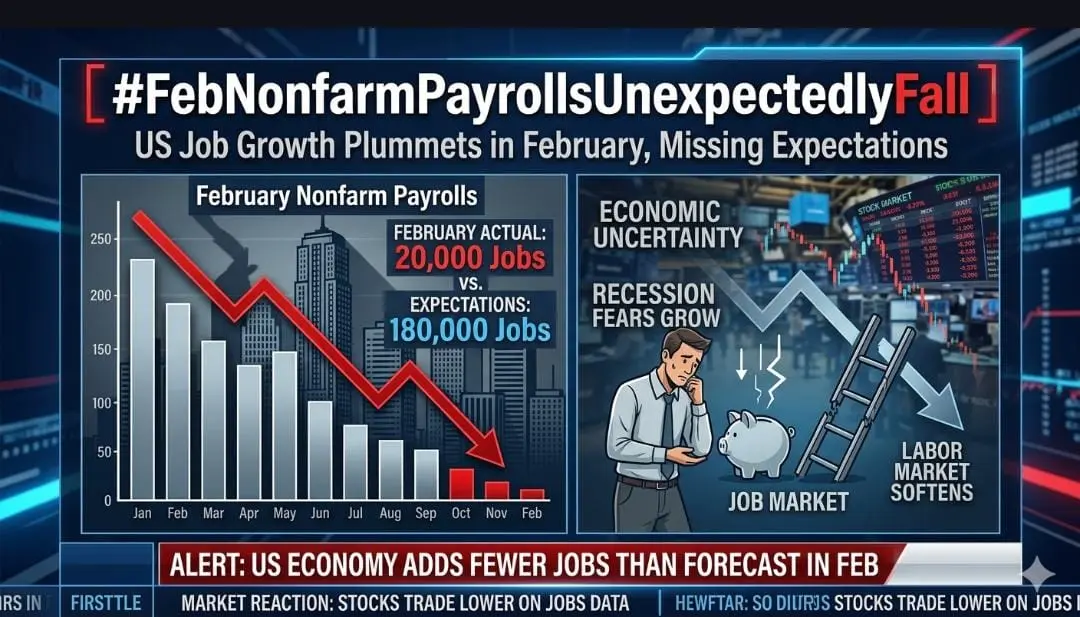
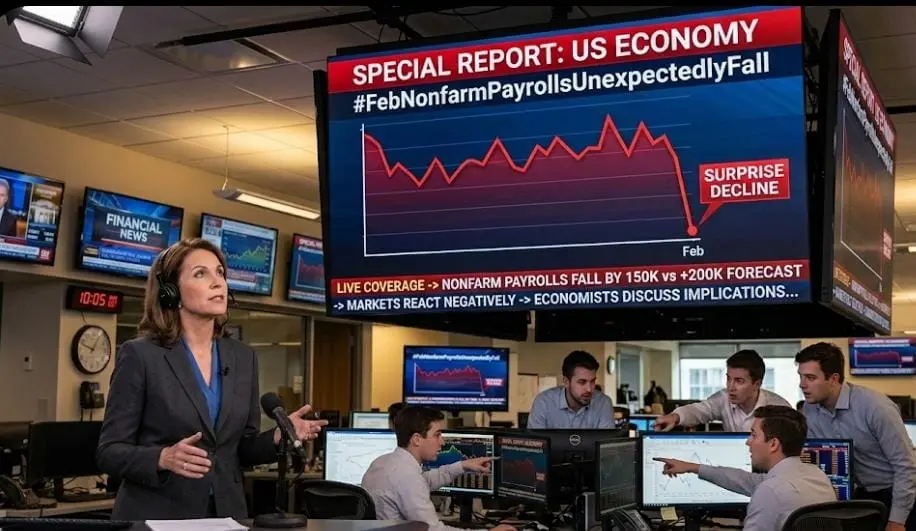
The latest U.S. employment report shows that February Nonfarm Payrolls unexpectedly fell, contrasting with analysts’ forecasts of moderate gains. This development has triggered caution across global equity and crypto markets, as investors reassess economic growth, inflation expectations, and Federal Reserve policy.
Dragon Fly Official notes that unexpected employment drops often in
fluence market sentiment immediately, affecting risk appetite and sh
ort-term trading behavior.
📊 Key Data Highlights
• Nonfarm p
BTC2,63%
ETH3,88%
post-image
post-image
post-image
post-image
  • Reward
  • Comment
  • Repost
  • Share
Macro Focus This Week: Energy Prices Become the Market’s Main Driver, While Inflation Data Takes a Back Seat
This week’s macro narrative has shifted decisively toward energy dynamics. While CPI, PPI, and Fed commentary typically dominate, the rapid escalation in oil prices has taken center stage, overshadowing upcoming inflation prints. Energy cost shocks can have second-round effects on consumer prices, producer margins, and transportation/logistics, potentially keeping inflationary pressures alive even if headline CPI moderates.
For crypto, persistent high energy prices strengthen the dollar
post-image
  • Reward
  • 10
  • Repost
  • Share
Mawenvip:
LFG 🔥
View More
#FebNonfarmPayrollsUnexpectedlyFall
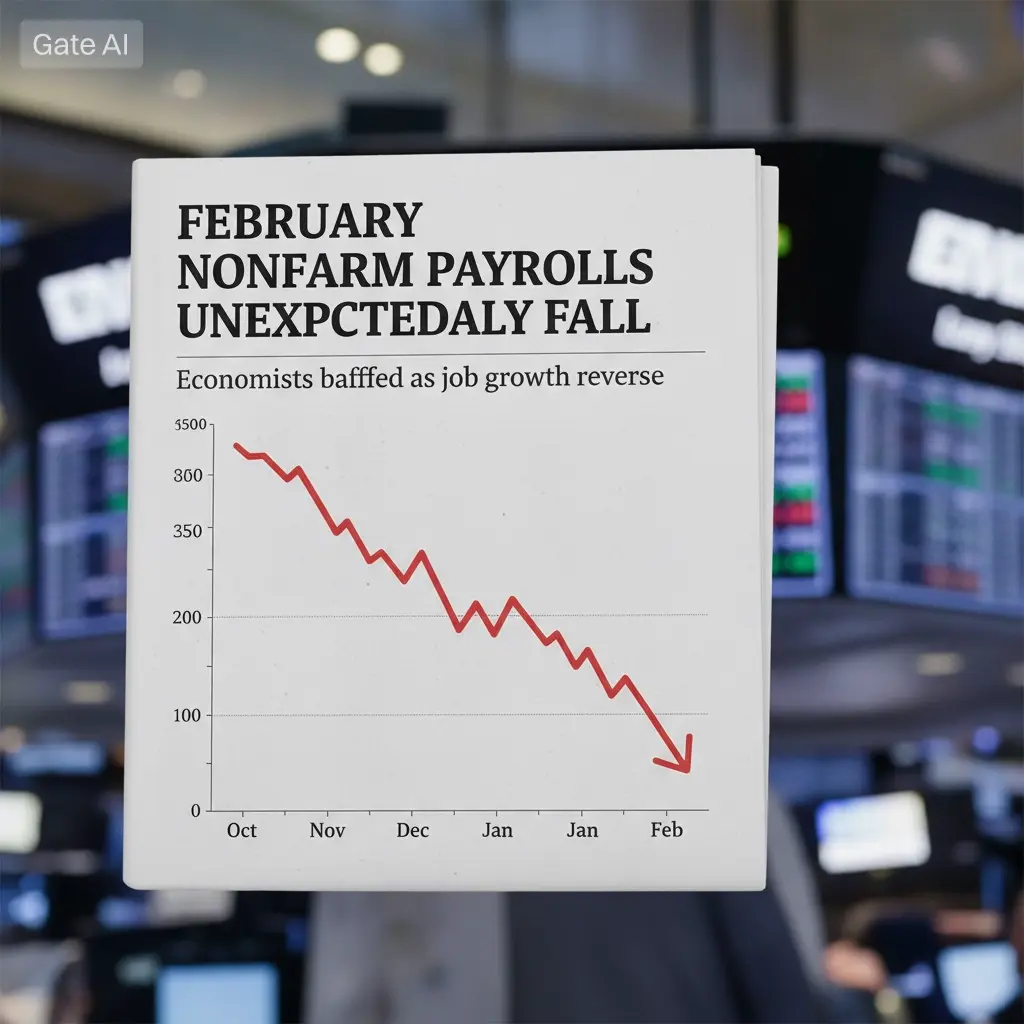
Global markets were caught off guard after the latest U.S. labor data revealed a surprising slowdown in job creation. February’s Nonfarm Payrolls report, one of the most closely watched indicators of economic health, delivered numbers that fell short of market expectation instantly triggering debate among economists, investors, and policymakers about what this could mean for the trajectory of the U.S. economy in 2026.
The Nonfarm Payrolls (NFP) report measures the number of jobs added across most sectors of the U.S. economy, excluding agriculture and a few
BTC2,63%
ETH3,88%
post-image
post-image
post-image
  • Reward
  • 2
  • Repost
  • Share
CryptoEyevip:
LFG 🔥
View More
Is it finally time to catch the falling knife or are we just getting started?
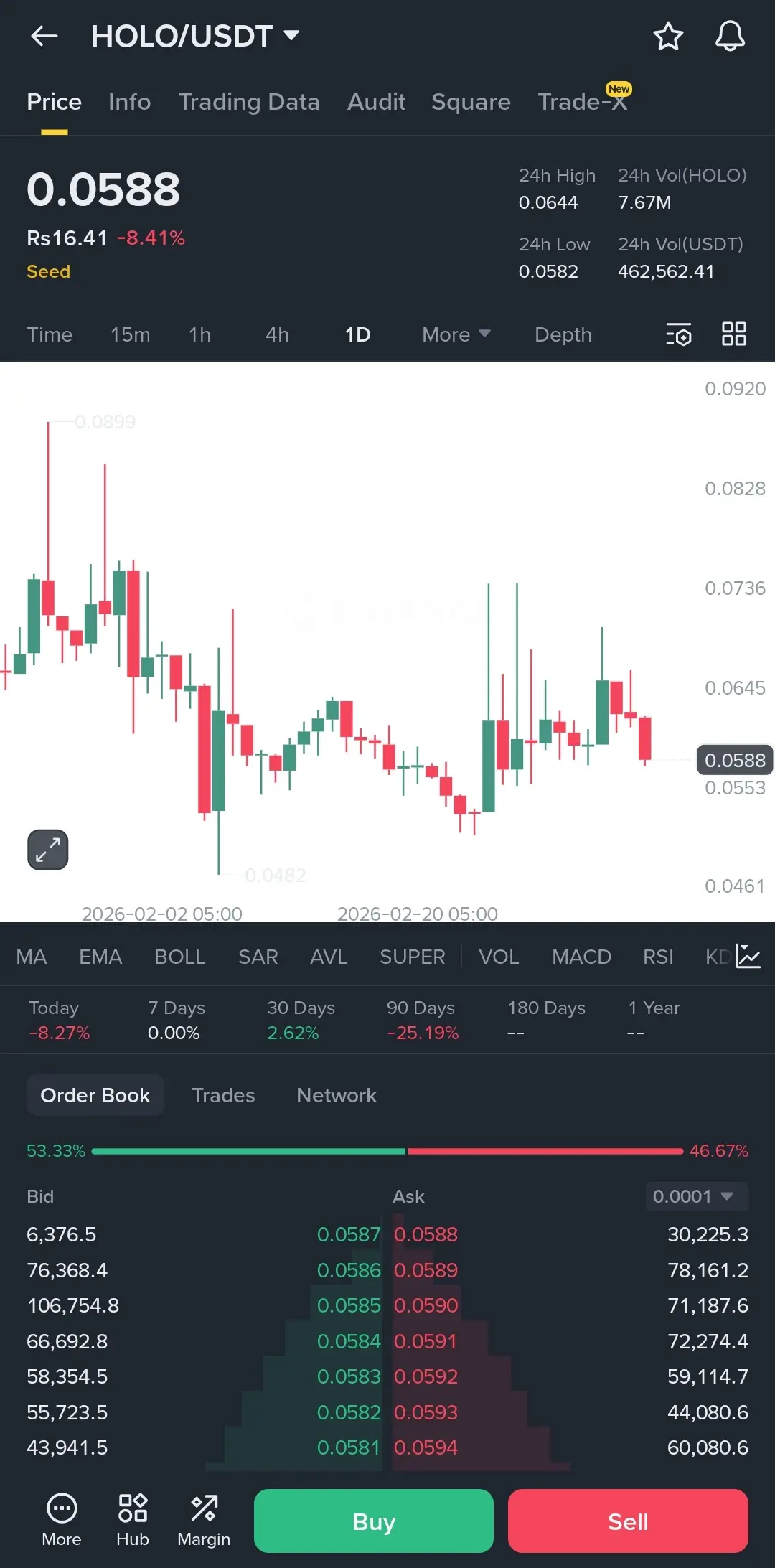
$HOLO ‌ is looking pretty heavy right now at 0.0588. We just saw an 8% dip today and it’s clearly struggling to find its footing after that recent rejection near the 0.0730 level.
If you look at the daily candles, we’re sitting right on a minor support zone, but there’s zero buy pressure showing up in the volume. Most of the orders in the book are leaning towards the sell side.
If we don't hold 0.0580, the next stop looks like 0.0550 or lower. I’m staying patient on this one. No point in rushing a trade when the tr
HOLO0,11%
post-image
post-image
  • Reward
  • Comment
  • Repost
  • Share
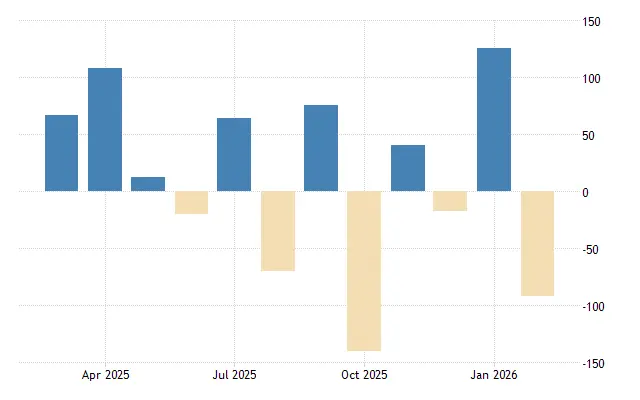
#OilPricesSurge US Jobs Shock: February payrolls unexpectedly fell by 92,000, while unemployment rose to 4.4%. Analysts expected job growth, making this report a major macro surprise.#
🔍 What caused the drop?
• Large healthcare strike and severe winter storms disrupted hiring
• Weakness in manufacturing and information services
• Previous job data revised downward, showing a slower labor market trend
📊 Market Reaction:
Traders are split between recession fears and hopes that weaker data could push the Federal Reserve toward earlier rate cuts.#FebNonfarmPayrollsUnexpectedlyFall #CryptoMarkets
BTC2,63%
PAXG-0,44%
post-image
post-image
  • Reward
  • 3
  • Repost
  • Share
dragon_fly2vip:
2026 GOGOGO 👊
View More
#FebNonfarmPayrollsUnexpectedlyFall
The latest U.S. Non-Farm Payrolls report delivered a major surprise to global markets. Instead of showing steady job growth, February data revealed an unexpected decline in employment, signaling potential cracks in the U.S. labor market.
This shift matters because the labor market has been one of the strongest pillars supporting the U.S. economy during the high-interest-rate cycle. A sudden drop in payroll growth raises concerns about slowing economic momentum.
From a macro perspective, weaker employment data can increase expectations that the Federal Reser
BTC2,63%
ETH3,88%
post-image
post-image
  • Reward
  • 3
  • Repost
  • Share
QueenOfTheDayvip:
LFG 🔥
View More
#FebNonfarmPayrollsUnexpectedlyFall 📉
The February Freeze: 92,000 Jobs Vanish
US Labor Market Stumbles — Payrolls Shrink by 92K as Unemployment Hits 4.4% Amid Strikes and Storms
The latest report from the Bureau of Labor Statistics (BLS), released Friday (March 6), delivered what many analysts are calling a macro shockwave.
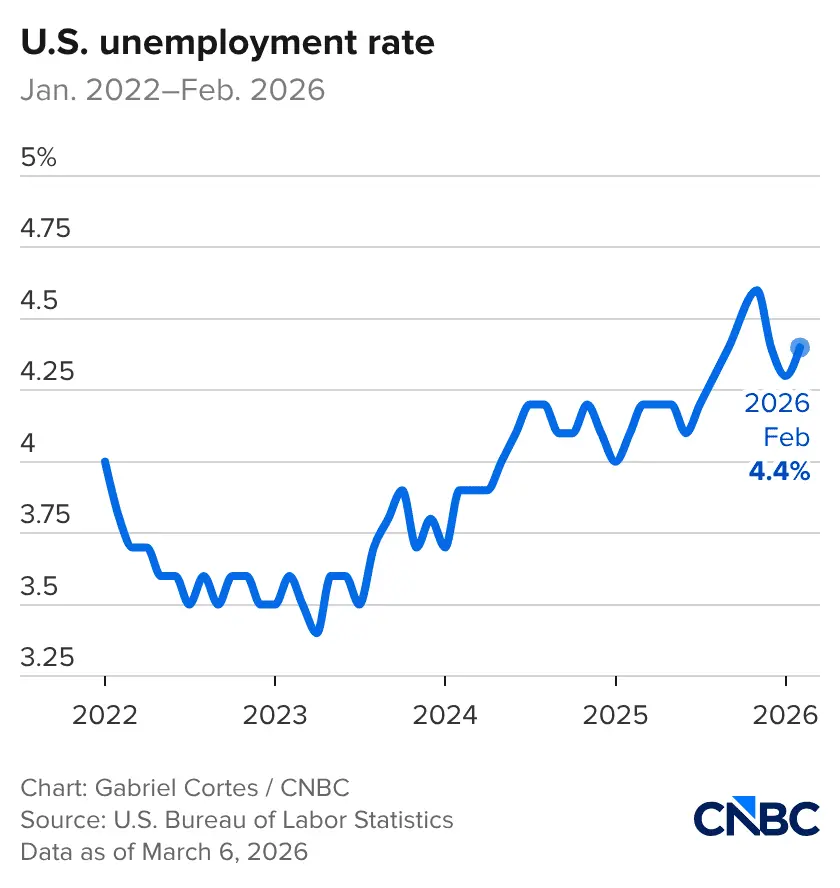
While forecasts expected a modest gain of 50,000–60,000 jobs, the economy instead lost 92,000 positions — marking the first negative payroll print since the localized shocks of late 2024.
🔍 3 Critical Factors Behind the Miss
1️⃣ The "Strike Effect" & Weather
A massive Kai
BTC2,63%
PAXG-0,44%
post-image
post-image
post-image
  • Reward
  • 7
  • Repost
  • Share
Surrealist5N1Kvip:
Thank you for the information, 🤗🌹❤️Thank you for the information, 🤗🌹❤️
View More
#FebNonfarmPayrollsUnexpectedlyFall 🔎 Why the Market is in "Observation Mode"
Geopolitical Resilience: Following the joint U.S.-Israeli strikes on Iran earlier this week, BTC initially dipped toward $63,000 before a massive recovery. The market is now waiting to see if de-escalation holds or if another "weekend shock" is incoming.
The NFP Aftermath: Friday's Jobs Report has traders split. While a "weak" report usually fuels rate-cut hopes (bullish for BTC), it also raises the specter of a recession, causing investors to keep their "dry powder" in stablecoins like USDT or XAUT (Tether Gold).
T
BTC2,63%
XAUT-0,42%
ETH3,88%
post-image
  • Reward
  • 11
  • Repost
  • Share
Ryakpandavip:
2026 Go Go Go 👊
View More
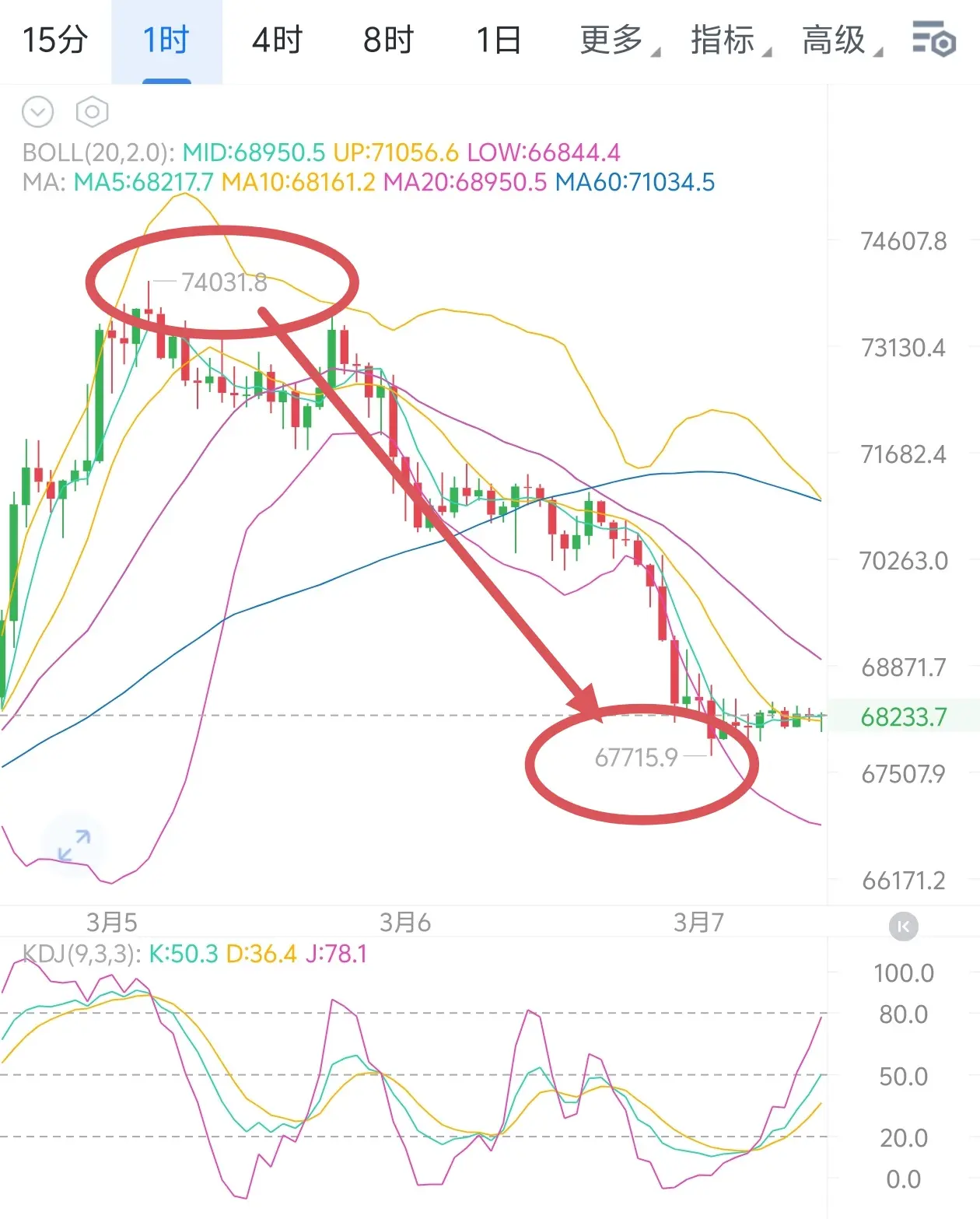
💥Immediately following the data release, Bitcoin dropped below the psychological level of $70,000, falling as low as the $68,700-$69,000 range on some exchanges. This movement mirrored a general sell-off in stocks and risky assets. Investors shifted to "risk-off" positions as the weak employment data was interpreted as a recession signal. Oil prices rising above $90 due to tensions with Iran fueled stagflation fears, while the short-term strengthening of the dollar put pressure on BTC. However, this decline was limited; Bitcoin recovered during the day, trading near $70,000, and the total cap
BTC2,63%
post-image
post-image
post-image
User_anyvip
💥One of the most critical indicators of the US economy, nonfarm payrolls data, came as a major surprise with the February 2026 report released on March 6, 2026. According to data published by the US Bureau of Labor Statistics (BLS), total nonfarm employment decreased by 92,000 people in February. Economists had expected an increase of approximately 50-60,000 people. This unexpected decline, combined with the rise in the unemployment rate from 4.3% to 4.4%, strengthened signals of a cooling in the American labor market and resonated across a wide spectrum, from Wall Street to the Fed.
💥This decline is not just a one-month data point; it also represents a continuation of the weak trend that has been ongoing since the last quarter of 2025. The January 2026 data was revised downwards from 130,000 to 126,000, while the increase in December 2025 was also pulled into negative territory. Thus, the end of 2025 paints a much more fragile picture than previously thought. The healthcare sector, which has long been a driving force behind job growth, suffered a net loss in February due to strike activities. The nurses' strike in California, in particular, directly impacted employment in the sector. Construction and transportation/storage sectors were also hit by harsh winter weather conditions. Information technology and the federal government were already on a downward trend.
⏬Markets reacted immediately to this data. On Friday, the day the report was released, the Dow Jones index lost between 1.2% and 1.9%, while the S&P 500 and Nasdaq experienced similar losses. Bond yields initially fell but later recovered; the dollar showed mixed performance. Investors are concerned that this weak employment picture will fuel recession fears.
☝️Especially with the tensions in the Middle East stemming from Iran, and oil prices exceeding $91, stagflation scenarios have been brought back to the forefront. On the one hand, unemployment is rising, and on the other hand, energy costs are increasing; This dilemma is putting the Fed in a difficult position.
🔎From an analytical perspective, the February report seriously undermines hopes for a "soft landing." The labor market, which has been sustained by the health and social welfare sectors throughout 2025, is now showing broad-based weakness. Although average hourly earnings increased by 0.4% monthly to $37.32, this increase, while consistent with the inflation target, is outweighed by the psychological impact of job losses. Uncertainty regarding the Fed's interest rate policy has deepened: On the one hand, weak employment data fuels expectations of an early rate cut, while on the other hand, the oil shock could reignite inflation. Analysts state that the Fed will maintain its "data-dependent" stance, but this report increases the likelihood of a possible rate cut in June 2026.
Globally, the impact was felt immediately. European and Asian stock markets also opened negatively, while emerging markets were under pressure due to the strengthening dollar. For energy-importing countries like Turkey, the rise in oil prices poses additional risks in terms of both inflation and current account deficit. Investors will now be closely watching the March and April reports; while a single bad month may not necessarily mean a trend reversal, consecutive revisions and sector-specific losses are sounding the alarm. As a result, this data, circulating under the hashtag ✍️#FebNonfarmPayrollsUnexpectedlyFall, has put the first quarter of 2026 in a "wait and see" mode. While the US economy still has a strong foundation, this unexpected drop in employment sends a clear message to policymakers and investors: the labor market is cooling, and this cooling could reshape both domestic and global economic balances. The next report will show whether this decline is a temporary weather event and strike effect, or the beginning of a deeper slowdown. For now, uncertainty remains the biggest enemy of the markets.
repost-content-media
  • Reward
  • 11
  • Repost
  • Share
YamahaBluevip:
Diamond Hands 💎
View More
Load More

Join 40M users in our growing community

⚡️ Join 40M users in the crypto craze discussion
💬 Engage with your favorite top creators
👍 See what interests you
  • Pin