In-depth analysis of a major BTC short position with 20x leverage on Gate. Discover key risk management strategies for crypto margin trading, along with crucial market signals tailored for traders and investors.
Transaction Overview
A wallet recently executed a major transaction in the cryptocurrency market, depositing $5.35 million into a decentralized trading platform. Leveraging 20x margin, the wallet owner opened a significant short position on Bitcoin.
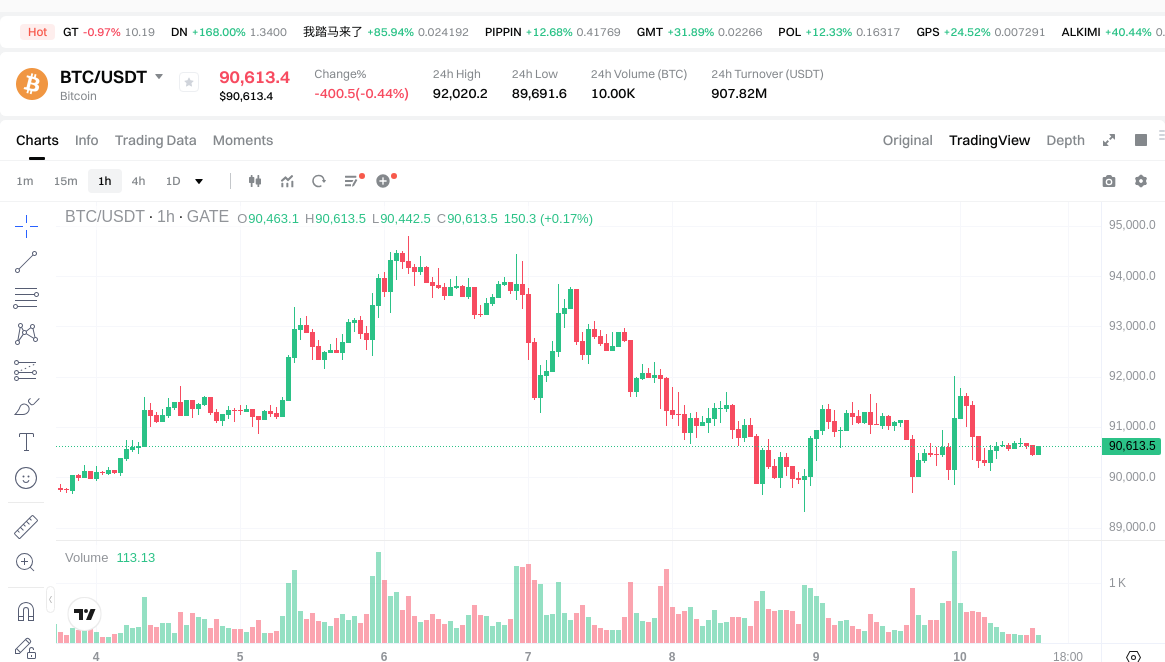 Transactions of this scale attract considerable attention from market participants and analysts, as they often signal prevailing market sentiment and strategic expectations for BTC price movements.
Such activity highlights the increasing sophistication of the crypto derivatives market and the accessibility of advanced trading tools for participants. High leverage enables traders to amplify potential gains, but it also substantially increases exposure to risk.
Position Details
The open short position is currently valued at $43.53 million, according to blockchain monitoring systems. A short position is a trading strategy where the trader bets on a decline in asset price. In this case, the wallet owner is speculating on a drop in Bitcoin's value and seeks to profit from downward price movement.
With 20x leverage, each dollar invested allows the trader to control $20 worth of position. This means an initial investment of $5.35 million gives control over more than $43 million in position size. However, such high leverage also means even minor adverse price movements can lead to significant losses or forced liquidation.
Market Context
This decisive action underscores ongoing activity in the cryptocurrency market and deliberate positioning by participants. Bitcoin has recently exhibited heightened volatility, creating opportunities for both long and short strategies. Major traders and institutional investors actively deploy derivatives for risk management or speculative purposes.
Opening a short position of this magnitude may reflect bearish sentiment toward BTC's short-term price trajectory. This outlook might be driven by technical signals, macroeconomic factors, regulatory developments, or other market events. Tracking large positions like these helps market participants gauge sentiment and anticipate possible price movements.
Risks and Strategy
Trading with high leverage entails considerable risk. At 20x margin, a 5% unfavorable price move can wipe out the initial deposit entirely. For short positions, if Bitcoin's price rises instead of falling, losses can be amplified dramatically due to the leverage used.
Professional traders typically implement robust risk management strategies when operating with high leverage, including stop-loss orders, portfolio diversification, and vigilant position monitoring. Opening such a large position demands deep market expertise, technical and fundamental analysis, and readiness to react quickly to changing conditions.
Decentralized trading platforms allow users to access high leverage without lengthy verification processes, attracting both retail and institutional traders. However, this ease of access also requires heightened responsibility and risk awareness from participants.
FAQ
What is a short position? How do you open a short position in BTC trading?
A short position is a bet that BTC's price will decline. Traders borrow BTC and sell it at the current market price, aiming to repurchase it later at a lower price. You open a short position by borrowing on margin from the platform and then selling the asset.
What does 20x leverage mean in trading? What are the risks and potential rewards?
Trading with 20x leverage magnifies both profits and losses. Success can yield substantial returns; failure can result in heavy losses. This instrument is intended for experienced traders.
Why do traders open large short positions on BTC? What market signals does this send?
Large short positions indicate bearish expectations for BTC's future price. Traders anticipate a near-term decline and seek profit from falling prices. This signals negative market sentiment and potential correction.
How does liquidation occur in margin trading, and how can it be avoided?
Liquidation happens when account margin falls below the required minimum due to losses. To avoid liquidation, maintain sufficient margin, use stop-loss orders, and keep position sizes proportionate to your capital.
When a new wallet suddenly opens a large position, what does it usually signal? What is the market impact?
A new, large position often signals impending price movement and draws market attention. This activity can trigger BTC volatility and prompt other traders to reassess their strategies. Such moves frequently precede significant short-term price swings.
What are the main risk management strategies traders use when opening short positions on BTC?
Traders typically use minimal leverage, set strict stop-loss orders, and monitor positions closely. The primary risk is a short squeeze, where a sharp rise in BTC's price forces traders to close positions at a loss.
* The information is not intended to be and does not constitute financial advice or any other recommendation of any sort offered or endorsed by Gate.