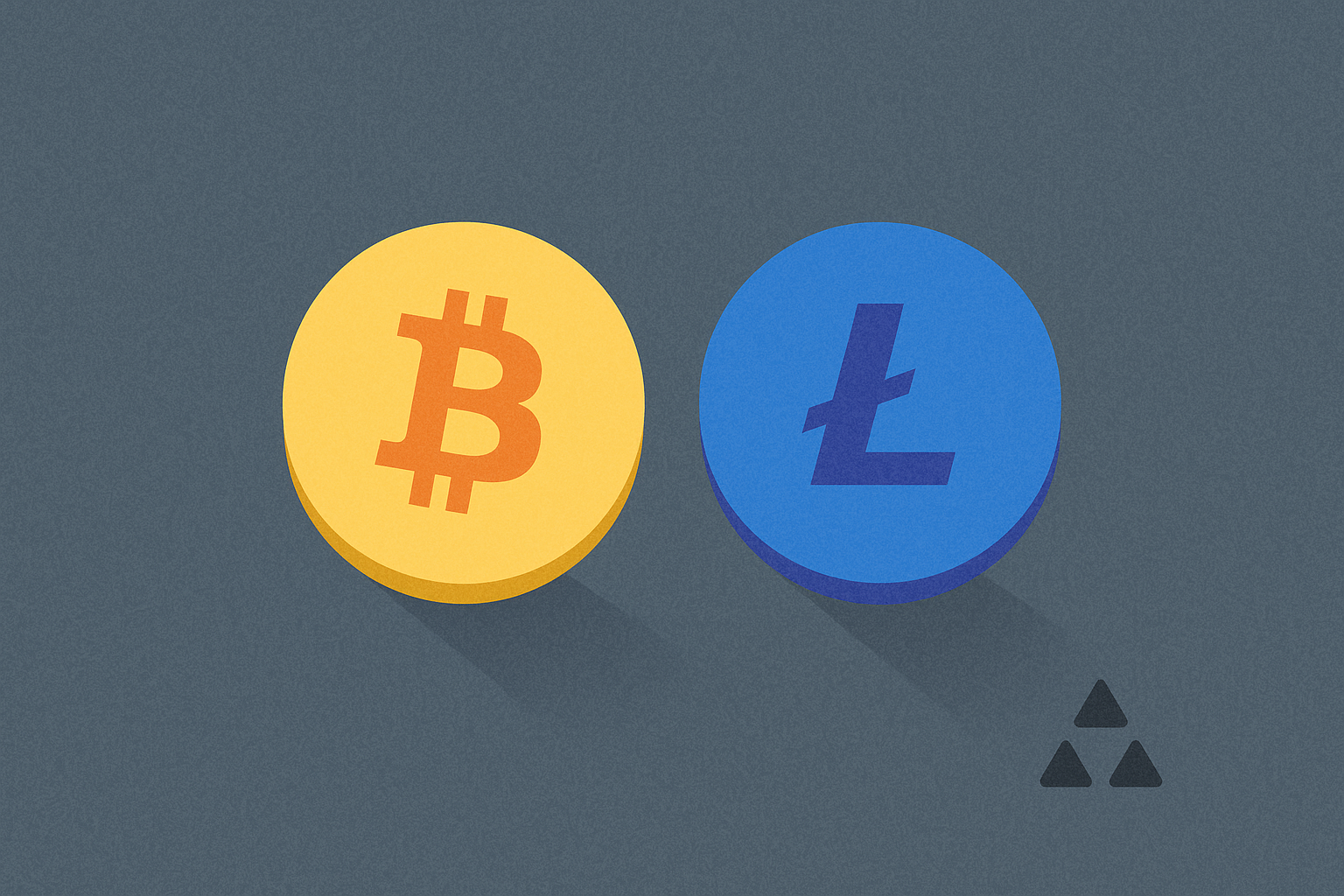
This article explores Charlie Lee's candid insights on Litecoin's creation and development journey, revealing surprising perspectives on cryptocurrency entrepreneurship. Lee shares that creating Litecoin, despite its market success, did not substantially increase his personal wealth and characterized the experience as "a major headache" due to significant responsibilities and pressures. Most notably, he suggests that a simpler strategy—purchasing Bitcoin, implementing robust security, and remaining anonymous—might have yielded superior financial returns with less stress. The article examines the risk-reward dynamics between cryptocurrency entrepreneurship and strategic long-term investment, offering valuable lessons for both aspiring entrepreneurs and investors. Through Lee's reflections, readers gain critical perspective on why straightforward holding strategies focused on established cryptocurrencies like Bitcoin may prove more effective than pursuing new projects or seeking breakthrough opportunities in th
Background on Charlie Lee and Litecoin
Charlie Lee is widely recognized as the creator of Litecoin, one of the earliest and most established cryptocurrencies in the digital asset ecosystem. Launched in 2011, Litecoin was designed as a "lite" version of Bitcoin, offering faster transaction times and a different hashing algorithm. As a former Google engineer, Lee brought technical expertise to the cryptocurrency space, and Litecoin quickly gained traction as one of the leading alternative cryptocurrencies. Over the years, Litecoin has maintained its position among the top cryptocurrencies by market capitalization, demonstrating resilience in a highly competitive and volatile market.
Despite the project's longevity and recognition within the crypto community, Lee has been remarkably transparent about both the successes and challenges associated with creating and maintaining a major cryptocurrency project. His willingness to share honest insights provides valuable lessons for entrepreneurs and investors in the blockchain space.
Charlie Lee's Candid Reflections on Litecoin Creation
In a recent statement, Charlie Lee shared surprisingly frank perspectives about the financial and personal impact of creating Litecoin. Contrary to what many might assume about cryptocurrency founders, Lee revealed that creating Litecoin did not significantly increase his personal wealth. He characterized the experience as "a major headache," highlighting the substantial challenges, responsibilities, and pressures that come with founding and maintaining a prominent cryptocurrency project.
These challenges likely included managing community expectations, addressing technical issues, navigating regulatory uncertainties, and dealing with the constant scrutiny that comes with being a public figure in the cryptocurrency space. The responsibilities of maintaining a decentralized project while being its most recognizable figurehead created unique pressures that extended far beyond simple technical development.
Lee's candid admission offers a rare glimpse into the reality that creating a successful cryptocurrency project involves significant personal costs and ongoing commitments that may not translate directly into proportional financial rewards. This transparency stands in stark contrast to the often glamorized narratives surrounding cryptocurrency founders.
The Alternative Investment Strategy: Holding Bitcoin
Perhaps most surprisingly, Lee suggested that a more profitable strategy might have been to simply invest in Bitcoin, secure it properly, and remain anonymous. This statement carries significant weight coming from someone who successfully created one of Bitcoin's most prominent alternatives. By comparing his entrepreneurial path with a passive investment approach, Lee implied that the latter strategy could have generated superior financial results with considerably less stress and public exposure.
The strategy Lee described—buying Bitcoin, implementing robust security measures, and maintaining anonymity—represents a fundamentally different approach to participating in the cryptocurrency ecosystem. Rather than taking on the responsibilities of project creation, community management, and public leadership, this approach focuses on long-term holding of an established asset. For context, Bitcoin has experienced substantial appreciation over the past decade, and early investors who maintained their positions have often seen remarkable returns.
This perspective raises important questions about the risk-reward calculus of cryptocurrency entrepreneurship versus strategic investment. While creating a new project offers the potential for innovation and community impact, Lee's reflection suggests that the simplest strategies can sometimes prove most effective from a purely financial standpoint.
Implications for Cryptocurrency Investors
Charlie Lee's reflections carry important implications for both aspiring cryptocurrency entrepreneurs and investors. For entrepreneurs, his candid assessment serves as a reality check about the challenges and potential financial outcomes of creating cryptocurrency projects. The path of innovation and project creation, while potentially rewarding in non-financial ways, may not always lead to the greatest personal wealth accumulation.
For investors, Lee's statement reinforces the potential value of straightforward, long-term holding strategies focused on established cryptocurrencies like Bitcoin. Rather than seeking the next breakthrough project or attempting to create new tokens, a disciplined approach of acquiring and securely holding proven assets may offer compelling risk-adjusted returns. This strategy also avoids the regulatory scrutiny, public pressure, and ongoing responsibilities that come with project leadership.
Furthermore, Lee's emphasis on anonymity highlights an often-overlooked aspect of cryptocurrency investment: the value of privacy and the potential drawbacks of public visibility in the space. High-profile figures in cryptocurrency often face intense scrutiny, criticism, and even security risks that anonymous holders can avoid.
Ultimately, Lee's reflections provide a valuable counterpoint to the entrepreneurial narratives that often dominate cryptocurrency discourse, reminding participants that sometimes the most effective strategies are also the simplest ones.
FAQ
Why did Charlie Lee create Litecoin?
Charlie Lee created Litecoin to address Bitcoin's transaction speed and fee limitations, providing a faster, lightweight decentralized payment network for efficient digital transactions.
What are the main differences between Litecoin and Bitcoin?
Litecoin has faster transaction confirmation times and higher transaction throughput than Bitcoin. Litecoin blocks are generated every 2.5 minutes compared to Bitcoin's 10 minutes, enabling quicker settlements and greater network capacity for processing transactions.
What is Charlie Lee's investment strategy for Bitcoin?
Charlie Lee maintains a strong long-term conviction in Bitcoin's value. While he divested his Litecoin holdings, he has not publicly disclosed a specific Bitcoin investment strategy, but emphasizes Bitcoin's fundamental importance and long-term potential in the crypto ecosystem.
What are the technical innovations of Litecoin?
Litecoin's key innovations include faster block generation (2.5 minutes), Scrypt mining algorithm, Lightning Network integration for instant payments, and enhanced privacy protocols, enabling superior transaction speed and efficiency compared to Bitcoin.
How does Charlie Lee view the future development of cryptocurrency?
Charlie Lee believes cryptocurrency's future depends on mainstream market breakthrough. He emphasizes that tech giants' acquisitions of crypto platforms and major innovations are key catalysts for achieving mass adoption and widespread market penetration.
What is the positioning and role of Litecoin in the blockchain ecosystem?
Litecoin serves as Bitcoin's complement, focusing on practical applications and accessibility. It features reduced mining difficulty, enabling broader miner participation, and offers faster transaction speeds for improved real-world usability and payment efficiency.
* The information is not intended to be and does not constitute financial advice or any other recommendation of any sort offered or endorsed by Gate.