Complete Avalanche Protocol Guide for Web3 Investors. Explore Avalanche’s cutting-edge consensus, outstanding scalability (4,500+ TPS), AVAX staking, and DeFi use cases. Review a side-by-side comparison with Ethereum and discover the benefits of this high-performance blockchain platform.
The Importance of Consensus Mechanisms in Blockchain Technology
The consensus mechanism is the backbone of blockchain technology, ensuring that transactions and data remain verified, consistent, and immutable in a decentralized network. This critical component allows thousands of nodes to reach agreement without a central authority. As the blockchain ecosystem matures and grows more complex, demand for efficient, scalable, and secure consensus mechanisms becomes even more crucial. Classic challenges—such as the blockchain trilemma of balancing decentralization, security, and scalability—require innovative solutions, exemplified by Avalanche.
The Origin of the Avalanche Protocol
The Avalanche protocol was created by a research team led by Cornell University professor Emin Gün Sirer, a recognized authority in cryptography and distributed systems. This major breakthrough was first introduced in the 2018 whitepaper, "Avalanche: A New Family of Consensus Protocols." The document unveiled a novel approach to consensus, blending the strengths of classical and Nakamoto protocols while addressing their limitations. The aim was to build a system capable of processing thousands of transactions per second without sacrificing decentralization or security.
The Team Behind Avalanche
Ava Labs, led by visionary Emin Gün Sirer, is the organization developing the Avalanche protocol. The team features top talent: Kevin Sekniqi (co-founder and COO), Maofan Ted Yin (lead protocol architect), and Stephen Buttolph (senior blockchain engineer). Drawing from both academic excellence and hands-on blockchain development experience, this multidisciplinary group transformed cutting-edge theory into a robust, high-performance platform that competes with established industry solutions.
The Evolution of the Avalanche Protocol
Launched in September 2020, the Avalanche mainnet marked a new era for blockchain technology. Since then, the team has delivered a series of key upgrades—including Ethereum Virtual Machine (EVM) compatibility, which lets developers seamlessly deploy Ethereum-based smart contracts and DApps on Avalanche. This interoperability greatly expanded its ecosystem.
In recent years, Avalanche raised $230 million in a private AVAX token sale and secured an additional $60 million in further funding. The platform also entered a strategic partnership with SK Planet in Korea, launching the dedicated UPTN subnet. These milestones highlight Avalanche’s ongoing growth and increasing institutional adoption.
Consensus Mechanism
Avalanche’s core consensus protocol leverages the Snowball, Slush, and Avalanche algorithms, forming a pioneering family of protocols. The platform uses a directed acyclic graph (DAG) to process multiple transactions in parallel at scale. Nodes conduct repeated random sampling, querying other nodes about their preferred outcomes, and adjust their preferences and confidence accordingly. This iterative method achieves transaction finality within seconds—unlike traditional systems that can take minutes or hours. Each round exponentially increases the likelihood of convergence, providing robust network security.
Subnets and Custom Blockchains
Avalanche enables the creation of subnets—validator groups dedicated to securing a set of blockchains. This modular design is a significant breakthrough in blockchain architecture. Each subnet can run its own consensus mechanism, virtual machine, and custom rules, granting developers unmatched flexibility. Custom blockchains within subnets can target specific use cases, such as enterprise applications with strict access controls or high-throughput DeFi apps. This structure also allows resource isolation, ensuring congestion in one application doesn’t impact others.
Validators and Staking
Validators lock AVAX tokens as collateral to participate in network security and transaction validation. Avalanche uses a Proof of Stake (PoS) system, where a validator’s chance of selection depends on the amount staked. Running a validator node requires a minimum of 2,000 AVAX for a period of 2 weeks to 1 year. Users who don’t operate their own node can delegate tokens to existing validators, contributing to network security and earning proportional rewards. This wide participation helps maintain high security standards.
Avalanche Features
Scalability and Performance: Avalanche’s innovative consensus mechanism and DAG-based transaction structure enable high throughput—thousands of transactions per second. Transaction finality is reached in under 2 seconds, delivering a user experience on par with traditional payment systems, even during heavy network activity.
Decentralization and Security: A Proof of Stake model and extensive validator set ensure both decentralization and robust security. Unlike PoW systems that tend toward centralization, Avalanche keeps validators geographically dispersed. Slashing mechanisms penalize malicious actors, further strengthening economic security.
Flexibility and Customization: Subnets and custom blockchains let developers build highly tailored solutions, selecting their own virtual machines, programming languages, and governance rules—while still benefiting from Avalanche’s core security and interoperability.
Cross-Chain Interoperability: Avalanche natively enables seamless communication and asset transfers across its X-Chain, P-Chain, and C-Chain, and extends interoperability to other ecosystems like Ethereum via bridges.
Sustainability and Energy Efficiency: Avalanche’s consensus uses dramatically less energy than Proof of Work systems. Its energy footprint is a fraction of Bitcoin’s or Ethereum 1.0’s, addressing environmental concerns while upholding strong security.
The Three Blockchains of Avalanche
Platform Chain (P-Chain): P-Chain manages validators, staking, and subnet creation for the Avalanche network. It coordinates the ecosystem, tracks validator metadata, staking periods, and subnet assignments. New subnets are created here, and validators register for consensus participation.
Contract Chain (C-Chain): C-Chain is Avalanche’s EVM-compatible smart contract blockchain. Developers can deploy smart contracts and DApps with minimal adjustments from Ethereum, benefitting from lower fees and faster confirmations. C-Chain supports popular Ethereum tools like Truffle, Hardhat, and MetaMask.
Exchange Chain (X-Chain): X-Chain is a decentralized asset exchange platform for creating, trading, and managing digital assets on Avalanche. Using the core Avalanche consensus, it offers near-instant finality and is optimized for asset transfers, including custom tokens and NFTs.
Avalanche Technology Suite
Consensus Mechanism
Snowball: A probabilistic consensus protocol built on "confidence." Nodes accumulate confidence in a specific outcome through repeated sampling, and once a threshold is reached, the decision is finalized. This ensures fast convergence and resilience to Byzantine attacks.
Slush: A streamlined version of Snowball, where nodes update their preference based on the majority of sampled responses. While basic, Slush demonstrates Avalanche’s foundational principles and serves as the conceptual base for advanced protocols.
Avalanche: Avalanche’s primary consensus mechanism uses a DAG structure for transactions, where each transaction references multiple parents. This enables parallel processing of non-conflicting transactions—maximizing throughput without compromising consistency or security.
Avalanche Subnets and Custom Blockchains
Subnets are validator groups that collaborate to secure a set of blockchains. This structure provides resource isolation, customizable consensus, flexible access control, and regulatory compliance. Each subnet can set its own validation requirements—ideal for both private enterprise and public DeFi scenarios. Validators may join multiple subnets, fostering a dynamic validation marketplace.
Avalanche Validators and Staking
Validators secure the network by validating transactions and must stake at least 2,000 AVAX for a set period. Staking rewards scale with the amount and duration staked, encouraging long-term commitment. Users can delegate AVAX to validators (minimum 25 AVAX required), and rewards are predictable and transparent, with annual yields varying by network conditions.
AVAX: The Avalanche Native Token
AVAX is the multi-purpose utility token powering the Avalanche ecosystem:
Staking: Validators and delegators must stake AVAX to secure the network and earn rewards. Economic incentives are aligned with network security—malicious validators risk losing their stake.
Governance: AVAX holders vote on protocol proposals and updates, enabling decentralized, community-driven evolution.
Fees: AVAX pays for transaction and network fees. Fee-burning reduces total supply over time, creating deflationary pressure that can drive long-term value.
Cross-Chain Transactions: AVAX bridges value and interoperability across X, P, and C chains within the Avalanche ecosystem.
Avalanche: Advantages and Disadvantages
Advantages
Scalability and Performance: Avalanche can handle thousands of transactions per second with finality in under 2 seconds, even under heavy load, thanks to its parallel architecture.
Decentralization and Security: With thousands of globally distributed validators, Avalanche achieves high decentralization and robust security. Its probabilistic consensus makes 51% attacks economically impractical.
Flexibility and Customization: Subnets allow developers to tailor blockchains to unique requirements, while still enjoying the security of Avalanche’s core ecosystem.
Cross-Chain Interoperability: Native cross-chain asset and data transfer capabilities support complex, interconnected apps and new innovation pathways.
Sustainability and Energy Efficiency: Low energy consumption addresses environmental concerns and supports long-term sustainability.
Expanding Ecosystem: A thriving developer community, strategic partnerships, and institutional adoption underscore Avalanche’s vitality.
Disadvantages
Competition with Other Blockchains: Avalanche competes directly with established Layer 1s like Ethereum, Solana, and Polkadot, requiring ongoing innovation to attract developers and users.
Security Concerns: While theoretically robust, new technology always risks undiscovered vulnerabilities. Subnet complexity introduces additional attack surfaces.
Regulatory Hurdles: Regulatory uncertainty in many regions challenges institutional adoption and may restrict certain use cases, especially in finance.
Adoption and Network Growth: Despite growth, Avalanche must continue to attract developers, users, and capital to rival larger platforms. Network effects are crucial for long-term success.
Avalanche Use Cases
Avalanche’s high throughput and low fees make it ideal for decentralized exchanges, lending, stablecoins, and yield farming. Projects like Trader Joe, Pangolin, and Benqi show Avalanche DeFi’s viability. Fast finality improves user experience, while low fees support economically viable microtransactions. Subnets also enable regulatory-compliant DeFi, supporting institutional adoption.
Non-Fungible Tokens (NFTs)
Custom blockchains and subnets allow creators to launch unique NFT solutions and marketplaces, with custom rules, automated royalties, and interoperability across Avalanche. Low minting fees and fast transactions enhance user experience, while EVM compatibility makes it easy to migrate Ethereum NFT projects.
Enterprise Solutions
Avalanche’s flexibility and customization suit enterprise use cases demanding high security, privacy, and performance. Private subnets can implement strict access controls, compliance, and performance requirements. Use cases include supply chain, identity verification, asset tokenization, and B2B payments. Permissioned blockchains benefit from public network security—a unique advantage.
Internet of Things (IoT)
High throughput, low latency, and energy efficiency make Avalanche ideal for IoT. Devices can execute microtransactions, store sensor data immutably, and run smart contracts for automation. Dedicated subnets can be optimized for IoT, supporting resource-constrained devices.
Gaming and Virtual Worlds
Avalanche’s performance, low fees, and cross-chain interoperability appeal to gaming and virtual world developers. Players can truly own in-game NFT assets, trade them across decentralized markets, and use them in different games. Fast finality eliminates wait times, and subnets enable custom in-game economies. Avalanche’s scalability supports large multiplayer games with thousands of live transactions.
Create an Avalanche Wallet
To join the Avalanche ecosystem, first set up a secure wallet:
- Go to the official wallet site: wallet.avax.network
- Click "Create a new wallet" to begin
- Follow prompts to generate your wallet and save your recovery (seed) phrase
- Store your recovery phrase offline in multiple secure places
- Never share your recovery phrase—anyone with it has full access to your funds
Get AVAX Tokens
Crypto Exchanges: Buy AVAX on major exchanges. Open an account, complete KYC, deposit fiat or crypto, and purchase AVAX. Transfer your tokens to your Avalanche wallet for full control.
Exchange Services: Use decentralized exchange platforms to swap other cryptocurrencies for AVAX. Cross-chain bridges let you bring assets from Ethereum and other blockchains to Avalanche for AVAX swaps.
Faucets and Airdrops: Community initiatives sometimes offer small AVAX amounts for free so new users can experiment with the platform—enough for a few transactions and exploration.
Staking and Validator Participation
To secure the network and earn rewards:
- Access Avalanche staking through your wallet
- Log in securely
- Choose "Add a validator" (requires 2,000 AVAX minimum) or "Add a delegator" (25 AVAX minimum)
- If delegating, pick a validator by commission rate, uptime, and reputation
- Specify your stake amount and staking period (2 weeks to 1 year)
- Confirm and pay any fees—your tokens will be locked for the chosen period, and rewards will accrue
Develop on Avalanche
For developers building on Avalanche:
- Go to the developer docs at docs.avax.network
- Familiarize yourself with Avalanche architecture, consensus, and dev tools—know the differences between X-Chain, P-Chain, and C-Chain
- Use tutorials, guides, and examples from Avalanche's GitHub
- Join the developer community on Discord, Telegram, or forums for collaboration
- Set up your environment with Truffle, Hardhat, or Remix for C-Chain development
- Test apps on the Fuji testnet before deploying to mainnet
- Explore Avalanche grant programs for development funding
Conclusion
Avalanche delivers an innovative blockchain platform that uniquely blends scalability, customization, and cross-chain interoperability. With its advanced Snowman consensus, robust subnet and custom blockchain support, and rapidly growing ecosystem, Avalanche is set to make a major impact in the blockchain sector.
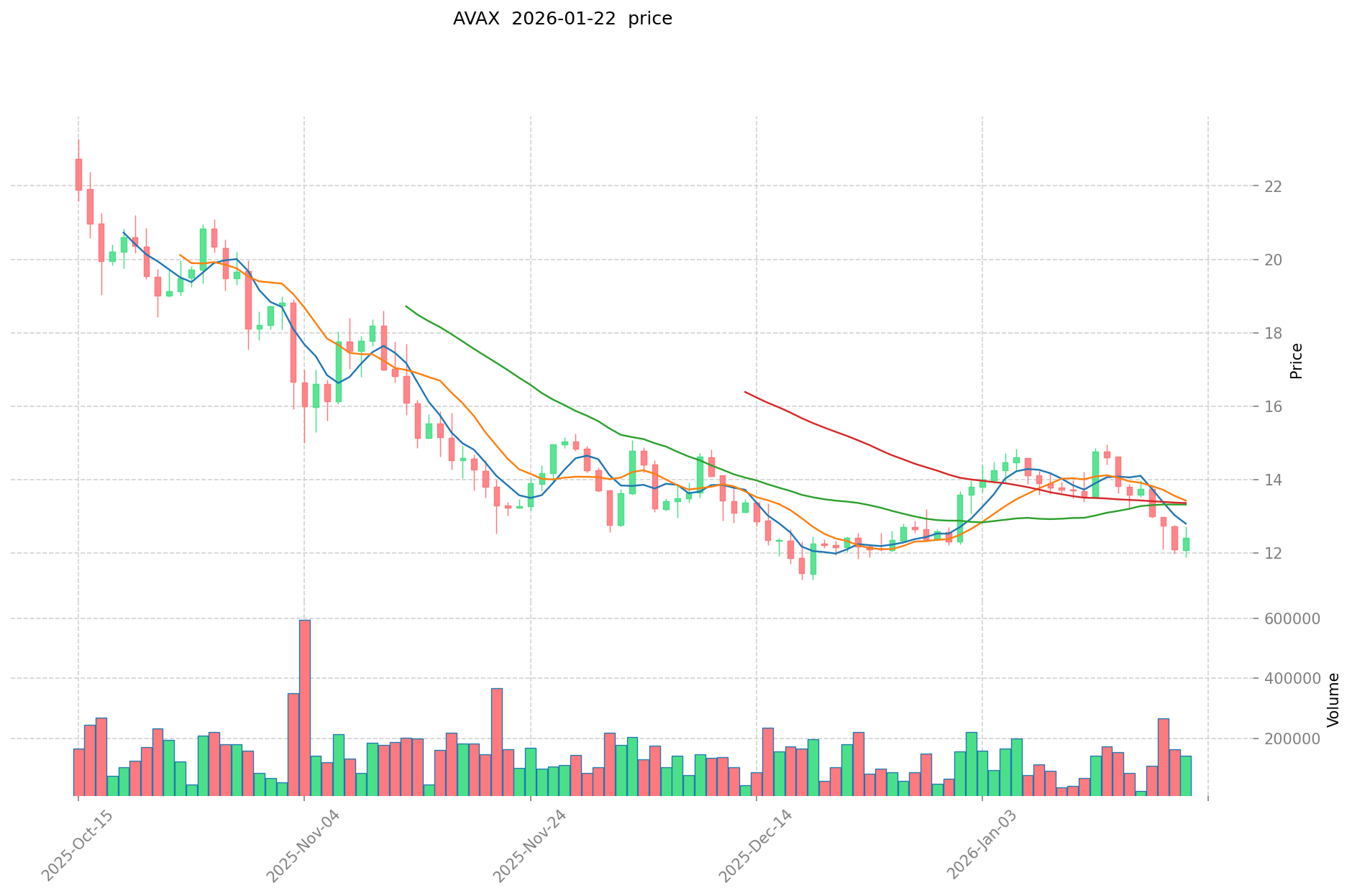
Avalanche directly addresses the first-generation blockchain challenges of scalability, decentralization, and security. By supporting thousands of transactions per second with near-instant finality—while maintaining a highly decentralized and secure network—Avalanche proves these limitations can be overcome.
Mass adoption of blockchain in DeFi, NFTs, enterprise, IoT, and gaming will be accelerated by platforms like Avalanche that provide the performance, flexibility, and security real-world applications demand.
As the ecosystem expands with new projects, partnerships, and technical advances, Avalanche is emerging as next-generation infrastructure for decentralized applications. For developers, investors, and users seeking a high-performance, flexible blockchain, Avalanche deserves attention and offers compelling opportunities in a rapidly evolving industry.
FAQ
What is Avalanche (AVAX)? How is it different from Bitcoin and Ethereum?
Avalanche is a high-performance blockchain that delivers fast, inexpensive transactions. Unlike Bitcoin (for payments) and Ethereum (for smart contracts), Avalanche combines speed, scalability, and decentralization with a novel consensus, processing thousands of transactions per second.
AVAX powers the Avalanche network and pays transaction fees. Buy AVAX on exchanges, then store it in a secure wallet like MetaMask or Ledger to control your private keys.
What is Avalanche’s consensus mechanism, and how does it compare to other blockchains?
Avalanche uses a unique Proof of Stake (PoS) system with three parallel chains (C-Chain, P-Chain, X-Chain). Its advantages include ultra-fast finality (under two seconds), high scalability (over 4,500 TPS), low energy use, and stronger decentralized security than competitors.
Develop contracts using Remix IDE or Hardhat. Configure MetaMask for Avalanche C-Chain. Deploy with standard Ethereum tools—Avalanche is EVM-compatible. Fund your wallet with AVAX for low gas fees.
What is AVAX’s tokenomics and supply model?
AVAX has a maximum supply of 720 million tokens. The model combines token burning (via transaction fees) and staking rewards to balance inflation. About 430 million tokens are currently in circulation, creating a sustainable deflationary mechanism.
* The information is not intended to be and does not constitute financial advice or any other recommendation of any sort offered or endorsed by Gate.