This article challenges the traditional Bitcoin halving cycle theory, arguing that global liquidity is the true primary driver of Bitcoin price movements. Analyst Ran Neuner contends that the four-year halving cycle relies on insufficient historical data and masks the stronger correlation between Bitcoin prices and central bank monetary policy. The analysis incorporates key macroeconomic indicators like PMI and central bank balance sheet expansions to explain Bitcoin volatility more accurately than halving events alone. Retail investors relying solely on halving narratives face significant risks, as institutional investors leverage broader macroeconomic analysis for trading advantages on Gate and other platforms. The article advocates for a comprehensive market approach, emphasizing liquidity conditions and monetary policy over simplified halving-focused strategies for successful Bitcoin investment decisions.
Ran Neuners Kritik am Bitcoin-Halving-Zyklus
Ran Neuner, ein angesehener Krypto-Analyst und prominenter YouTuber, hat eine kontroverse These aufgestellt, die die traditionelle Sichtweise auf Bitcoin-Marktzyklen grundlegend infrage stellt. In seinen jüngsten Analysen argumentiert Neuner, dass die weit verbreitete Annahme, wonach die Marktzyklen von Bitcoin primär durch seine vierjährigen Halving-Ereignisse bestimmt werden, auf einer zu schmalen Datenbasis beruht und möglicherweise irreführend ist.
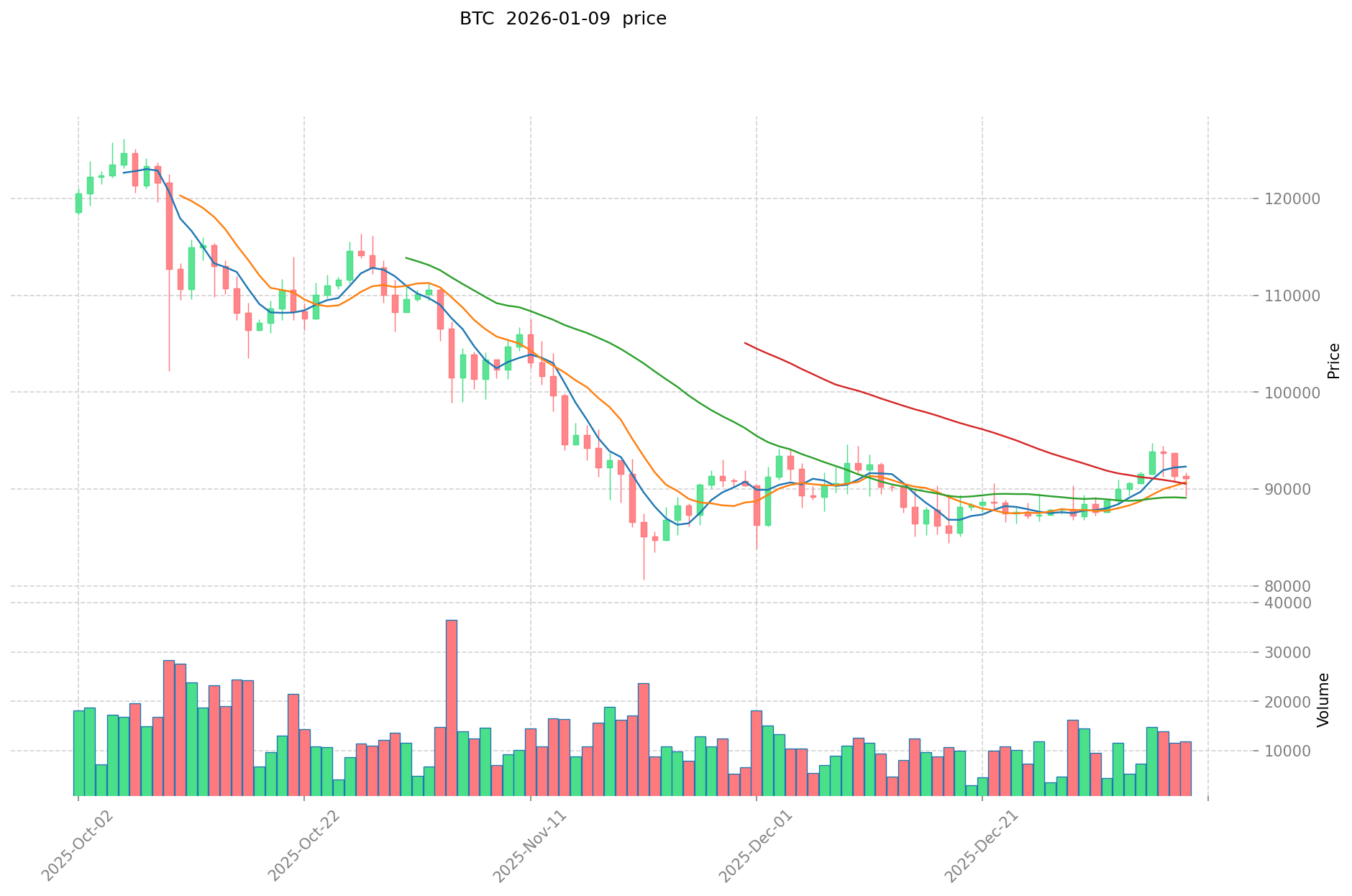
Neuner betont, dass die Halving-Theorie lediglich auf drei historischen Datenpunkten basiert, was statistisch gesehen eine unzureichende Grundlage für verlässliche Prognosen darstellt. Er warnt davor, dass Anleger, die ihre Investitionsentscheidungen ausschließlich auf diesen Zyklus stützen, erhebliche Risiken eingehen und möglicherweise wichtige Marktbewegungen falsch interpretieren könnten.
Die Rolle der globalen Liquidität bei Bitcoin-Preisbewegungen
Im Zentrum von Neuners Argumentation steht die These, dass die globale Liquidität der entscheidende Faktor für Bitcoin-Preisschwankungen ist. Er verweist darauf, dass historische Daten eine deutlich stärkere Korrelation zwischen Bitcoin-Preisbewegungen und Veränderungen in der weltweiten Geldmenge zeigen als mit Halving-Ereignissen.
Die globale Liquidität wird maßgeblich durch die Geldpolitik der Zentralbanken beeinflusst. Wenn Zentralbanken wie die Federal Reserve oder die Europäische Zentralbank ihre Bilanzen ausweiten und Liquidität in die Märkte pumpen, steigt tendenziell auch der Bitcoin-Preis. Umgekehrt führen Maßnahmen zur Liquiditätsverknappung, wie Zinserhöhungen oder quantitative Straffung, häufig zu Preisrückgängen bei Bitcoin und anderen risikobehafteten Anlagen.
Neuner erklärt, dass diese Zusammenhänge sich über mehrere Marktzyklen hinweg konsistent beobachten lassen und eine weitaus solidere Grundlage für Marktanalysen bieten als die Halving-Theorie.
Der Einkaufsmanagerindex (PMI) als Indikator für Bitcoin-Trends
Ein weiterer zentraler Aspekt von Neuners Analyse ist die Bedeutung des Einkaufsmanagerindex (PMI) für die Bitcoin-Marktdynamik. Der PMI ist ein wichtiger Wirtschaftsindikator, der die Aktivität im verarbeitenden Gewerbe misst und als Frühindikator für die allgemeine Wirtschaftslage gilt.
Neuner hat festgestellt, dass Bitcoin-Preisbewegungen häufig mit Veränderungen im PMI korrelieren. Ein steigender PMI deutet auf wirtschaftliche Expansion hin, was typischerweise mit erhöhter Risikobereitschaft der Investoren und steigenden Bitcoin-Preisen einhergeht. Ein fallender PMI hingegen signalisiert wirtschaftliche Abschwächung und führt oft zu Kapitalabflüssen aus risikoreichen Anlagen wie Bitcoin.
Diese Korrelation unterstreicht Neuners These, dass Bitcoin zunehmend als Teil des globalen Finanzsystems betrachtet werden sollte, dessen Wertentwicklung stark von makroökonomischen Faktoren abhängt, anstatt als isoliertes Asset mit eigenem, vom Halving bestimmten Zyklus.
Risiken für Privatanleger durch die Halving-Fokussierung
Neuner warnt eindringlich davor, dass Privatanleger, die ihre Investitionsstrategie ausschließlich am Halving-Zyklus ausrichten, erhebliche Nachteile erleiden könnten. Er befürchtet, dass diese Anleger dazu neigen könnten, ihre Bitcoin-Bestände zu ungünstigen Zeitpunkten zu verkaufen, insbesondere wenn ihre Erwartungen bezüglich des Halving-Zyklus nicht erfüllt werden.
Besonders problematisch sieht Neuner die Situation, in der Privatanleger ihre Krypto-Assets zu niedrigen Preisen an institutionelle Investoren veräußern. Institutionelle Akteure verfügen über umfangreichere Analysewerkzeuge und berücksichtigen die von Neuner hervorgehobenen makroökonomischen Faktoren wie Liquidität und PMI in ihren Entscheidungen. Dies verschafft ihnen einen erheblichen Informationsvorteil gegenüber Privatanlegern, die sich auf vereinfachte Halving-Narrative verlassen.
Neuner empfiehlt daher, dass Anleger ein umfassenderes Verständnis der Marktdynamik entwickeln und neben dem Halving-Zyklus auch Liquiditätsbedingungen, Zentralbankpolitik und makroökonomische Indikatoren in ihre Analysen einbeziehen sollten.
Fazit: Liquidität als Haupttreiber der Bitcoin-Marktdynamik
Zusammenfassend argumentiert Ran Neuner überzeugend, dass die globale Liquidität und nicht der vierjährige Halving-Zyklus der primäre Treiber für Bitcoin-Preisbewegungen ist. Seine Analyse basiert auf der Beobachtung, dass historische Preisentwicklungen von Bitcoin deutlich stärker mit Veränderungen in der Geldpolitik, den Bilanzen der Zentralbanken und wirtschaftlichen Indikatoren wie dem PMI übereinstimmen.
Für Investoren bedeutet dies, dass eine erfolgreiche Bitcoin-Anlagestrategie ein tieferes Verständnis makroökonomischer Zusammenhänge erfordert. Anstatt sich ausschließlich auf Halving-Ereignisse zu konzentrieren, sollten Anleger die Liquiditätsbedingungen im globalen Finanzsystem, die Geldpolitik der wichtigsten Zentralbanken und relevante Wirtschaftsindikatoren im Auge behalten.
Neuners Perspektive fordert die Krypto-Community auf, ihre Analysemethoden zu überdenken und einen ganzheitlicheren Ansatz zu verfolgen, der Bitcoin als integralen Bestandteil des globalen Finanzsystems betrachtet, dessen Wertentwicklung von denselben makroökonomischen Kräften beeinflusst wird wie traditionelle Anlageklassen.
FAQ
What is Bitcoin's four-year cycle theory, and how does it work?
Bitcoin's four-year cycle theory refers to the halving event occurring approximately every four years, where mining rewards are cut in half. This reduces the supply of newly created Bitcoin, creating scarcity that historically correlates with price appreciation. Major halving events occurred in 2012, 2016, 2020, and 2024.
Why does Ran Neuner refute Bitcoin's four-year cycle pattern?
Ran Neuner argues that global liquidity and PMI, rather than halving events, drive Bitcoin's market cycles. He dismisses the four-year cycle myth as based on insufficient historical data and emphasizes liquidity as the true market driver.
How much impact does liquidity have on Bitcoin price?
Liquidity significantly influences Bitcoin price movements. Higher trading volume strengthens price stability and reduces volatility, while lower liquidity can amplify price swings. However, short-term price deviations often diverge from liquidity trends due to internal market dynamics and sentiment shifts.
Is liquidity more important than Bitcoin halving cycles when analyzing Bitcoin price?
Yes, liquidity is typically more important than halving cycles. While halving cycles have psychological impact, liquidity directly influences market supply and demand dynamics, making it the primary driver of Bitcoin price movements.
How does Ran Neuner's liquidity theory explain Bitcoin's historical price fluctuations?
Ran Neuner argues that global liquidity, rather than the traditional halving cycle, is the primary driver of Bitcoin price movements. Changes in liquidity directly impact market prices, making it a more accurate framework for understanding historical volatility.
* The information is not intended to be and does not constitute financial advice or any other recommendation of any sort offered or endorsed by Gate.