Explore BlockDAG technology, a groundbreaking innovation reshaping how cryptocurrency networks operate. This article demystifies BlockDAG's unique graph-based structure, highlighting its advantages over traditional blockchains like improved scalability, efficiency, and security. Discover how BlockDAG addresses critical industry challenges and learn about its real-world applications. Ideal for crypto enthusiasts, developers, and investors seeking insights into advanced blockchain solutions. Stay ahead in the evolving crypto landscape with BlockDAG's transformative potential.
What is BlockDAG in the Crypto Industry?
BlockDAG represents a groundbreaking innovation in blockchain technology that is transforming how cryptocurrency networks process transactions and maintain security. As the crypto industry faces increasing challenges related to scalability and efficiency, BlockDAG emerges as a compelling alternative to traditional blockchain architectures, offering unique solutions that address these fundamental limitations.
Understanding BlockDAG
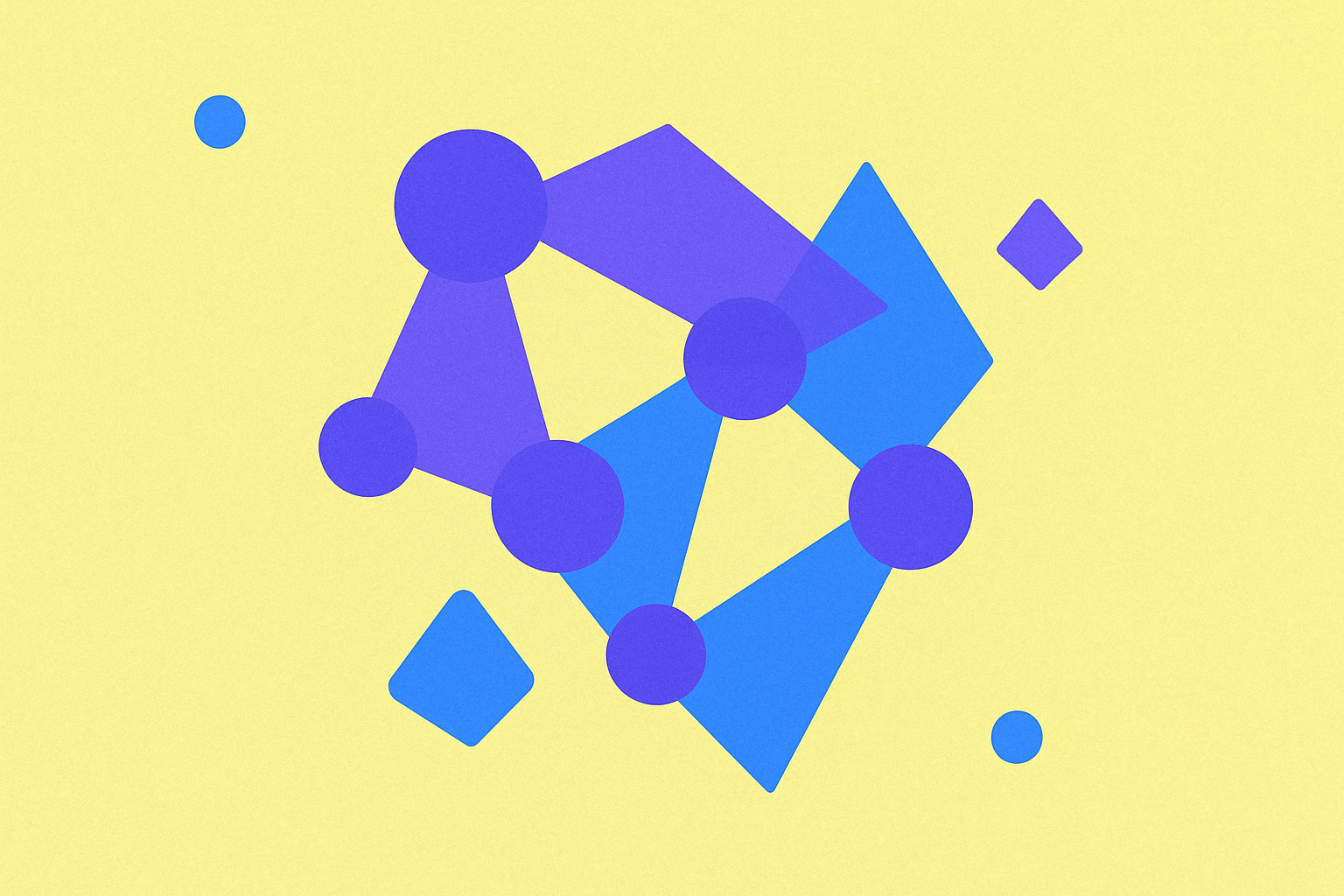
BlockDAG, which stands for Block Directed Acyclic Graph, is an advanced data structure that fundamentally reimagines how blockchain networks are organized. Understanding what is a BlockDAG begins with recognizing that unlike conventional blockchains that rely on a single, linear chain of blocks, BlockDAG implements a more sophisticated graph-based architecture. In this structure, each block can reference multiple previous blocks simultaneously, creating a complex web of interconnected transactions rather than a simple chain.
This graph-based approach provides significant advantages in terms of flexibility and processing capability. For example, while Bitcoin's blockchain processes blocks sequentially, a BlockDAG network can process multiple blocks in parallel, similar to how a river delta flows through multiple channels simultaneously rather than a single stream. This architectural difference enables the network to handle transactions more efficiently and adapt to varying network conditions.
How Does BlockDAG Work?
To fully grasp what is a BlockDAG, it's essential to understand its operational mechanism, which is built on the principle of directed acyclic graphs, where blocks form a network of connections without creating circular references. In a BlockDAG network, when a new block is created, it contains references to one or more parent blocks, establishing directional relationships that move forward in time without looping back.
This structure allows network nodes to make independent decisions about which blocks to reference and which transactions to prioritize. For instance, if multiple transactions occur simultaneously, the network can process them in parallel rather than queuing them sequentially. This eliminates the bottleneck created by the need for a single global consensus mechanism found in traditional blockchains.
The validation process in BlockDAG networks operates differently from conventional blockchains. Instead of requiring all nodes to agree on a single chain of blocks, nodes can work on different parts of the graph simultaneously, contributing to a more distributed and efficient consensus process. This decentralized approach enhances both the speed and reliability of transaction confirmation.
Benefits of BlockDAG
When exploring what is a BlockDAG, understanding its benefits is crucial. BlockDAG technology offers several compelling advantages that address critical challenges in the cryptocurrency industry. The most significant benefit is improved scalability. By enabling parallel processing of transactions, BlockDAG networks can achieve substantially higher transaction throughput compared to traditional linear blockchains. This capability is essential for supporting the growing demand for blockchain applications and addressing the scalability limitations that have hindered various blockchain networks.
Another crucial advantage is enhanced security against double-spending attacks. In BlockDAG networks, the parallel confirmation of transactions makes it exponentially more difficult for malicious actors to manipulate the transaction history. An attacker would need to control multiple branches of the graph simultaneously, which requires significantly more computational resources than attacking a linear blockchain. This multi-dimensional security approach provides stronger protection for network integrity.
Additionally, BlockDAG networks demonstrate improved efficiency in terms of confirmation times. Because transactions can be processed simultaneously rather than waiting in a queue, users experience faster confirmation times, making BlockDAG-based systems more practical for real-world applications such as point-of-sale payments and microtransactions.
The Future of BlockDAG
The future of BlockDAG technology appears increasingly promising as the cryptocurrency industry seeks solutions to its most persistent challenges. Several pioneering projects have been implementing BlockDAG architecture to enhance their network performance and expand their capabilities. Notable examples include IOTA, which uses a DAG structure called the Tangle for Internet of Things applications, and SPECTRE, which focuses on high-speed transaction processing.
As blockchain technology continues to mature, BlockDAG is likely to play an increasingly important role in the ecosystem. The technology's ability to scale efficiently while maintaining security makes it particularly attractive for enterprise applications, decentralized finance platforms, and high-volume transaction systems. Furthermore, ongoing research and development in this field continue to refine BlockDAG implementations, addressing remaining challenges and unlocking new possibilities.
The adoption of BlockDAG technology may also influence the development of hybrid systems that combine the best features of traditional blockchains and DAG structures, creating even more versatile and powerful distributed ledger solutions.
Conclusion
Understanding what is a BlockDAG is essential for anyone involved in the cryptocurrency space. BlockDAG represents a significant evolutionary step in blockchain technology, offering transformative solutions to the scalability, efficiency, and security challenges that have constrained traditional blockchain networks. By implementing a graph-based structure that enables parallel transaction processing, BlockDAG provides a more flexible and scalable alternative to linear blockchain architectures.
The key innovations of BlockDAG—including improved scalability through parallel processing, enhanced security against double-spending attacks, and faster transaction confirmation times—position it as a crucial technology for the future of the cryptocurrency industry. As projects like IOTA and SPECTRE demonstrate the practical applications of BlockDAG, the technology continues to gain recognition and adoption.
For cryptocurrency enthusiasts, developers, and investors, understanding what is a BlockDAG and how this technology works is essential for navigating the evolving landscape of blockchain innovation. As the industry continues to mature and demand for efficient, scalable blockchain solutions grows, BlockDAG stands poised to play a central role in shaping the next generation of decentralized systems and applications.
FAQ
What exactly is BlockDAG?
BlockDAG is an advanced blockchain technology using a Block Directed Acyclic Graph structure to process data more efficiently than traditional blockchains, significantly improving scalability and transaction speed.
How does BlockDAG differ from traditional blockchain?
BlockDAG uses a directed acyclic graph structure instead of a linear chain, enabling parallel block processing and higher transaction throughput. This improves scalability and confirmation speed compared to traditional blockchain's sequential block validation.
What are the main advantages of BlockDAG technology?
BlockDAG technology offers superior scalability, significantly higher throughput, and enhanced security compared to traditional blockchain. It enables faster transaction processing and greater network efficiency.
What are the real-world applications of BlockDAG?
BlockDAG powers sports partnerships, global hackathons, and next-generation blockchain infrastructure. It enhances transaction processing and scalability for widespread enterprise and consumer applications in the emerging super app ecosystem.
* The information is not intended to be and does not constitute financial advice or any other recommendation of any sort offered or endorsed by Gate.