This comprehensive guide explores JOMO (Joy Of Missing Out) in cryptocurrency and digital life contexts. Emerging as the psychological antithesis to FOMO during market corrections, JOMO represents contentment from avoiding excessive market volatility and social pressure. The article traces Bitcoin's market cycle—from explosive bull runs near $70,000 to subsequent corrections—examining how investor psychology shifted from anxiety-driven participation to relief-based withdrawal. By contrasting FOMO and JOMO mentalities, it reveals distinct risk approaches and emotional impacts. The guide provides actionable strategies for transforming FOMO into JOMO through risk awareness, education, and market cycle understanding. Ultimately, it advocates transcending both extremes through informed decision-making based on cryptocurrency's fundamental technology value rather than speculation. The FAQ section addresses practical implementation challenges and integration with mindful living practices.
To understand what the acronym JOMO means and why it has become increasingly relevant in the cryptocurrency community, we must first examine its predecessor and the market conditions that gave rise to it.
For nearly three years, the cryptocurrency market experienced an unprecedented bull run, with digital assets reaching valuations that seemed unimaginable just a few years prior. Bitcoin, as the flagship cryptocurrency and market leader, serves as the perfect symbol for this phenomenon. After hovering in the lower $10,000 price range for an extended period, Bitcoin embarked on a remarkable ascent that saw it approach the $70,000 mark.
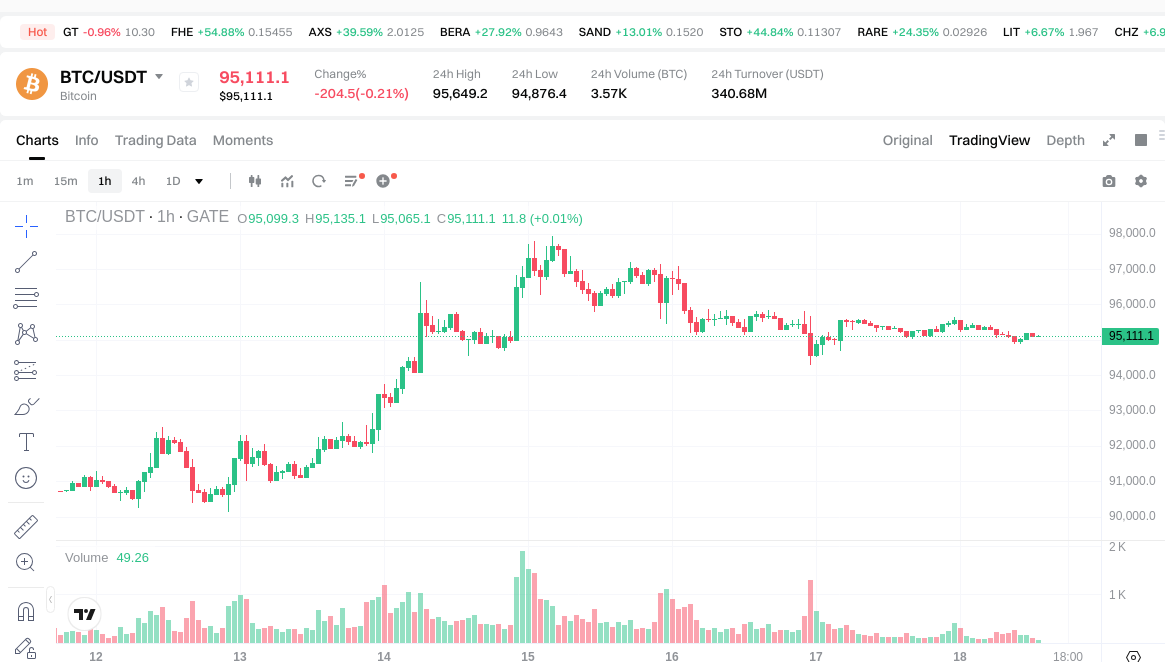 This extraordinary price movement created a psychological phenomenon that swept through both experienced investors and newcomers alike.
It was during this explosive growth period that the acronym FOMO entered the mainstream lexicon of the crypto community. The fear of missing out became palpable as individuals watched Bitcoin's value multiply, creating wealth-building opportunities that seemed to materialize overnight. Social media platforms buzzed with success stories, and the anxiety of being left behind in this digital gold rush became a driving force behind many investment decisions.
However, the fundamental principle of market cycles remained unchanged. Bitcoin's meteoric rise eventually reached its peak, and as with all assets that experience parabolic growth, a correction followed. The subsequent price decline marked a significant shift in market sentiment and introduced a new psychological phenomenon into the crypto vocabulary.
What Is JOMO?
The acronym JOMO stands for "joy of missing out," representing a complete reversal of the FOMO mentality that dominated the bull market. This concept emerged as a response to the significant market corrections that followed the cryptocurrency boom. Bitcoin, which had nearly touched the $70,000 threshold, experienced substantial retracements in subsequent market cycles, leading to a fundamental shift in investor psychology.
JOMO represents more than just relief at avoiding losses; it embodies a sense of satisfaction and vindication felt by those who chose to remain on the sidelines during periods of extreme market volatility. These individuals found themselves experiencing genuine joy and relief as they watched the market turbulence unfold without their capital being at risk. The stress, anxiety, and sleepless nights that often accompany significant portfolio drawdowns became experiences they were grateful to have avoided.
This phenomenon reflects a deeper understanding of market dynamics and personal risk tolerance. Those experiencing JOMO often recognize that the emotional and financial costs of participating in volatile markets may outweigh the potential gains, especially when considering the psychological burden of watching substantial paper profits evaporate during corrections.
FOMO vs JOMO
The contrast between FOMO and JOMO represents two fundamentally different approaches to cryptocurrency investment and market participation, each reflecting distinct psychological states and risk appetites.
FOMO, or the fear of missing out, manifests during bull markets and periods of rapid asset appreciation. It is characterized by anxiety-driven decision-making, where investors feel compelled to enter positions to avoid missing potential gains. This psychological state often leads to buying at market peaks, driven more by emotion than rational analysis. The fear becomes particularly acute when witnessing others profit from investments, creating a sense of urgency that can override careful consideration of risk factors.
JOMO, conversely, represents a state of contentment and satisfaction with remaining outside of volatile markets. Those experiencing JOMO find happiness in avoiding the stress and potential losses associated with cryptocurrency investing, particularly during bear markets or periods of extreme volatility. This mindset acknowledges that the cryptocurrency market's inherent volatility and susceptibility to dramatic corrections can pose significant risks to both financial wellbeing and mental health.
The Bitcoin market cycle that began in 2021 provides a clear illustration of these contrasting psychological states. After Bitcoin reached its peak of approximately $69,000 in November 2021, the subsequent correction created a clear divide between those caught in the downturn and those who had remained cautious. The individuals who stayed out of the market during this period exemplify the JOMO mentality, as their decision to remain on the sidelines protected them from substantial financial losses and the emotional distress that accompanies watching portfolio values decline.
How To Turn FOMO Into JOMO?
The concepts of JOMO and FOMO have transcended their cryptocurrency origins to become part of broader popular culture, representing universal psychological experiences that extend far beyond financial markets. In contemporary usage, FOMO often describes the anxiety and stress associated with feeling perpetually left out of experiences, opportunities, or social events. This constant state of anxiety can take a significant toll on mental health and overall wellbeing.
Transforming FOMO into JOMO requires a fundamental shift in perspective and the development of emotional intelligence around decision-making. The first step involves acknowledging a simple truth: it is impossible to participate in every opportunity or experience everything life offers. Once this reality is accepted, the focus can shift from what is being missed to what is being gained through selective participation.
In the context of cryptocurrency investing, this transformation involves several key strategies. First, developing a clear understanding of personal risk tolerance and investment goals helps create boundaries that prevent emotion-driven decisions. Second, recognizing that missing a particular market movement does not equate to missing all future opportunities can alleviate the pressure to constantly be invested. Third, cultivating an appreciation for the benefits of sitting on the sidelines—such as reduced stress, preserved capital, and the ability to wait for better entry points—can transform the perception of "missing out" into a positive choice.
Additionally, education plays a crucial role in this transformation. Understanding market cycles, volatility patterns, and the historical behavior of cryptocurrencies can help investors recognize that opportunities are cyclical rather than once-in-a-lifetime events. This knowledge reduces the urgency that fuels FOMO and supports a more measured, strategic approach to market participation.
More FOMO or JOMO?
When examining Bitcoin's historical price patterns and market cycles, the data suggests that periods of growth and correction tend to alternate over time. This cyclical nature means that future price appreciation remains within the realm of possibility. However, this perspective—focused solely on price speculation—represents only one dimension of understanding Bitcoin and the broader cryptocurrency ecosystem.
The original vision behind Bitcoin's creation, as outlined in Satoshi Nakamoto's whitepaper, centered on solving specific problems related to financial transactions, decentralization, and monetary sovereignty. Bitcoin was designed as a peer-to-peer electronic cash system, not primarily as a speculative investment vehicle. This fundamental purpose often gets overshadowed by the focus on price movements and investment returns.
Investors and observers who concentrate exclusively on Bitcoin's price trajectory may be missing the larger picture of what cryptocurrencies represent and the problems they aim to solve. The technology underlying Bitcoin and other cryptocurrencies—blockchain—offers potential solutions for transparency, security, and decentralization across numerous industries beyond finance.
Therefore, perhaps the most mature approach involves moving beyond both the FOMO and JOMO mentalities entirely. Instead of oscillating between fear of missing out and joy in avoiding participation, a more balanced perspective focuses on understanding the fundamental value proposition of cryptocurrency technology. This approach involves evaluating cryptocurrencies based on their utility, technological innovation, and potential to address real-world problems, rather than solely on price speculation.
By embracing this more nuanced understanding, individuals can make informed decisions about cryptocurrency participation based on genuine interest in the technology and its applications, rather than being driven by emotional responses to market movements. This shift in perspective allows for engagement with the crypto ecosystem in a way that aligns with personal values and risk tolerance, free from the psychological extremes of either FOMO or JOMO.
FAQ
What is JOMO (Joy Of Missing Out)? How does it differ from FOMO?
JOMO is the joy of intentionally missing out on activities. Unlike FOMO (fear of missing out), which stems from anxiety about missed experiences, JOMO represents the contentment and freedom found in stepping back from constant social engagement and digital connectivity.
How to practice JOMO in daily life? What are specific methods?
Practice JOMO by reducing social media usage and focusing on personal interests. Set phone-free periods daily, engage in activities you enjoy, use time-blocking to prioritize meaningful tasks, and practice mindful disconnection from digital noise to experience genuine life fulfillment.
What positive impacts does JOMO have on mental health and life well-being?
JOMO reduces anxiety and social pressure by shifting focus to personal values. It promotes self-care, authenticity, and meaningful connections. By rejecting constant comparison, JOMO increases life satisfaction and emotional well-being.
People pursue JOMO to escape social media pressure and anxiety. They seek genuine connections, quality experiences, and mental peace by intentionally disconnecting from constant digital updates, prioritizing real-world relationships and personal well-being over digital trends.
What challenges or difficulties might you face when practicing JOMO?
Practicing JOMO faces challenges including social pressure, habit resistance, and digital distraction temptation. It requires sustained conscious effort to prioritize personal well-being over constant social comparison and FOMO-driven behavior patterns.
What is the relationship between JOMO and digital detox, mindful living?
JOMO connects with digital detox and mindful living by encouraging people to reduce technology dependency and enhance life quality. All three promote stepping away from screens, returning to nature and inner peace, reducing anxiety, and increasing happiness through intentional living choices.
How to balance JOMO and normal social life needs?
Balance JOMO with social life by prioritizing authentic connections over quantity. Set clear boundaries on social media, attend events that genuinely interest you, and schedule intentional downtime. Listen to your needs—sometimes socializing energizes you, sometimes solitude restores you. Both are valid and necessary.
* The information is not intended to be and does not constitute financial advice or any other recommendation of any sort offered or endorsed by Gate.