This comprehensive guide addresses cryptocurrency transaction timing to help traders maximize profits while minimizing emotional decision-making losses. Learn when to sell during market greed, after significant gains, or when fundamental issues emerge, and when to avoid panic selling during market corrections. The article covers three essential strategies—selling all at once, gradual selling, and short selling—plus three technical indicators including MACD, RSI, and Bollinger Bands for identifying optimal exit points. Discover step-by-step instructions for selling on Gate exchange, from account verification through fund withdrawal. Whether you're a long-term holder or short-term trader, this guide provides actionable frameworks and risk management strategies to develop a disciplined personal selling plan aligned with your investment goals.
Summary
Selling your cryptocurrency at the wrong time can result in direct losses or cause you to miss out on significant potential gains. Making emotional decisions during market volatility is one of the most common mistakes traders make. Panic selling, especially when the market crashes but the fundamentals of your cryptocurrency remain unchanged, is typically not a wise choice. It's crucial to maintain a balanced approach and avoid becoming overly attached to any crypto project, even when fundamental issues arise. Understanding when to hold and when to sell is essential for successful cryptocurrency trading.
Traders often find themselves buying high and selling low due to emotional decision-making. Driven by greed and fear, they purchase cryptocurrencies at peak prices, then sell at a loss when prices begin to decline. This pattern of behavior has cost countless investors substantial amounts of money and highlights the importance of developing a rational, strategy-based approach to cryptocurrency trading.
When Should You Sell Cryptocurrency?
When the Market Is Greedy
As Warren Buffett famously said: "Be fearful when others are greedy, and greedy when others are fearful." This timeless wisdom applies perfectly to cryptocurrency markets. When the market becomes greedy, everyone rushes to buy, causing prices to skyrocket rapidly. This is precisely when you should consider taking profits and selling portions of your holdings.
The Fear and Greed Index is an easy-to-use indicator that measures market sentiment. When this index shows extreme greed, it often signals that a price correction may be imminent.
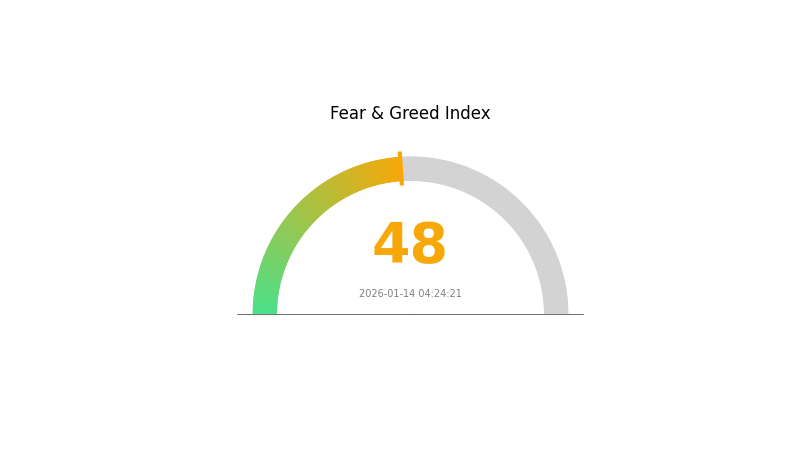 During these periods, it's wise to be cautious and consider reducing your exposure to volatile assets. Market euphoria rarely lasts forever, and those who sell during peak greed often protect themselves from subsequent downturns.
After Achieving Significant Gains
Cryptocurrencies are highly volatile assets, which means gains can evaporate quickly if not secured. Short-term traders typically set profit targets of 5% or 10% and execute sales once these thresholds are reached. This disciplined approach helps lock in profits before market reversals occur.
Even if you're a long-term holder, it's prudent to take at least some profits when your cryptocurrency has appreciated significantly. This strategy, known as profit-taking, allows you to realize actual gains rather than just paper profits. Consider selling a portion of your holdings to secure returns while maintaining exposure to potential future growth.
When Fundamental Negatives Emerge for the Coin
If a cryptocurrency project appears in the news for negative reasons related to leadership, finances, or technology, selling may be your best option. Fundamental problems can severely impact a project's long-term viability and price performance. Don't become emotionally attached to any cryptocurrency project to the point where you ignore warning signs.
Examples of fundamental negatives include: regulatory issues, security breaches, team departures, failed technological implementations, or loss of major partnerships. When these issues arise, it's important to objectively reassess your investment thesis and consider whether the project can recover.
When the Coin Remains Stagnant for an Extended Period
If a cryptocurrency's price has remained relatively stable for a long time or is slowly declining, the project may have lost the momentum it once had. In the fast-moving crypto space, stagnation often indicates that market interest has shifted elsewhere. This could be an appropriate time to reallocate your capital to more promising projects with stronger growth potential.
Stagnation doesn't always mean a project is failing, but it does suggest that your capital might generate better returns elsewhere. Evaluate whether the project is still actively developing, whether its community remains engaged, and whether there are catalysts on the horizon that could drive future growth.
Situations When You Should NOT Sell Your Cryptocurrency
You should avoid panic selling at all costs. When the entire market crashes and prices plummet, but nothing fundamental has changed with your cryptocurrency holdings, you must resist the urge to sell out of fear. Market-wide corrections are normal and often present buying opportunities rather than selling signals.
A price drop should never be your sole reason for selling. If you hold a legitimate cryptocurrency with promising fundamentals and strong use cases, its price will likely recover over time. Many successful cryptocurrency investors have built wealth by holding through market downturns rather than selling at the bottom.
Remember that cryptocurrency markets are cyclical. Bear markets eventually give way to bull markets, and those who maintain conviction in quality projects during difficult times are often rewarded. Before selling during a downturn, ask yourself: Has anything fundamentally changed with this project, or is this simply market-wide volatility?
Various Cryptocurrency Selling Strategies
1. Selling Everything at Once
This strategy involves liquidating all your cryptocurrency holdings as quickly as possible to convert them to fiat currency. This approach can be applied when the market shows clear signs of a downtrend or when you need immediate access to cash. While this method provides certainty and eliminates further downside risk, it also means you'll miss any potential recovery or upside movement.
Selling everything at once is most appropriate when you've identified fundamental problems with your holdings or when you believe a prolonged bear market is beginning. However, this all-or-nothing approach lacks flexibility and can lead to regret if the market reverses shortly after your sale.
2. Gradual Selling (Dollar-Cost Averaging Out)
Gradual selling involves liquidating your cryptocurrency holdings in smaller portions over time rather than all at once. This strategy reduces risk by averaging out your selling price across different market conditions. If the market suddenly reverses and begins rising, you'll be able to sell each subsequent portion at increasingly higher prices.
This approach is less risky than selling everything at once but may result in lower overall returns if the market continues declining. Gradual selling is ideal for those who want to reduce exposure while maintaining some upside potential. You might sell 25% of your holdings at four different price points, for example, ensuring you don't exit entirely at a market bottom.
3. Short Selling
Short selling is the practice of selling a cryptocurrency you believe will decrease in value, with the intention of buying it back at a lower price later. This advanced strategy allows traders to profit from declining markets but carries significant risk. If the price rises instead of falling, losses can be substantial and theoretically unlimited.
Short selling requires a deep understanding of market dynamics, technical analysis, and risk management. It's generally recommended only for experienced traders who can monitor their positions closely and have the capital to cover potential losses. Many cryptocurrency exchanges offer short selling through margin trading or futures contracts.
Three Useful Technical Indicators for Determining When to Sell Cryptocurrency
1. MACD Indicator (Moving Average Convergence Divergence)
The MACD is a trend-following indicator that measures the difference between two moving averages of a cryptocurrency's price. This powerful tool helps identify momentum shifts and potential trend reversals. When the MACD line crosses above the signal line, it generates a buy signal; when it crosses below, it generates a sell signal.
Traders often use MACD in conjunction with other indicators to confirm selling decisions. A bearish MACD crossover, especially when occurring at overbought levels, can be a strong signal to consider taking profits or reducing positions. The MACD histogram, which shows the distance between the MACD line and signal line, can also provide early warnings of momentum changes.
2. RSI Indicator (Relative Strength Index)
The RSI helps determine when a cryptocurrency is overbought or oversold by measuring the speed and magnitude of price movements. This oscillator ranges from 0 to 100, with readings above 70 typically indicating overbought conditions and readings below 30 indicating oversold conditions.
When RSI reaches or exceeds 70, it suggests the cryptocurrency may be overvalued and due for a correction, making it a potential selling opportunity. However, during strong uptrends, RSI can remain in overbought territory for extended periods, so it's important to use this indicator alongside other analysis tools. Divergences between RSI and price can also signal potential reversals worth paying attention to.
3. Bollinger Bands
Bollinger Bands are a volatility indicator that measures how far a cryptocurrency's price deviates from its moving average. The indicator consists of three lines: a middle band (moving average) and two outer bands that represent standard deviations from the middle band. When price touches or exceeds the upper Bollinger Band, it indicates the asset may be overbought and due for a pullback.
Price breaking through Bollinger Bands signals a change in volatility and can indicate potential selling opportunities. When bands contract (squeeze together), it often precedes significant price movements, while band expansion indicates increased volatility. Traders often sell when price reaches the upper band and shows signs of reversal, as this suggests the current upward momentum may be exhausting.
How to Sell Cryptocurrencies
1. Research Cryptocurrency Exchanges
Begin by researching and selecting a reputable cryptocurrency exchange where you'll execute your sale. Consider factors such as trading fees, withdrawal fees, supported cryptocurrencies, liquidity, security features, and user interface. Major exchanges typically offer better liquidity, which means you can sell larger amounts without significantly impacting the market price. Compare multiple platforms to find one that best suits your needs and offers competitive fee structures.
2. Create and Verify an Account
Once you've selected an exchange, create an account by providing your email address and creating a secure password. You'll then need to complete the KYC (Know Your Customer) verification process, which typically requires submitting identification documents such as a passport or driver's license, and sometimes proof of address. This verification process can take anywhere from a few minutes to several days, depending on the exchange and verification tier you're pursuing.
3. Deposit Your Cryptocurrency
After your account is verified, you'll need to deposit the cryptocurrency you wish to sell. Navigate to the deposit section of the exchange, select the appropriate cryptocurrency, and carefully copy the deposit address provided. Return to your personal wallet, initiate a withdrawal to this address, and double-check that the address is correct before confirming the transaction. Depending on network congestion, deposits can take anywhere from a few minutes to several hours to arrive.
4. Place Your Sell Order
Once your cryptocurrency appears in your exchange account, navigate to the trading section and select the appropriate trading pair (for example, BTC/USD or ETH/USDT). Choose your order type: a market order will sell immediately at the current market price, while a limit order allows you to specify the price at which you want to sell. Enter the amount of cryptocurrency you wish to sell, review all details carefully, and confirm your order.
5. Withdraw Your Funds
After your sell order is executed, the proceeds will appear in your exchange account balance. You can then withdraw these funds to your bank account or preferred payment method. Navigate to the withdrawal section, select your withdrawal method, enter the amount you wish to withdraw, and confirm the transaction. Be aware that withdrawal processing times and fees vary by exchange and payment method, ranging from instant to several business days.
FAQ
When Is the Right Time to Sell Your Bitcoin?
The best time to sell Bitcoin is during market peaks following historical cycles. Based on 4-year patterns, 2026 presents an optimal window as previous highs occurred in 2018 and 2022. Monitor price momentum and trading volume for confirmation signals.
How to judge if cryptocurrencies have reached the top and should be sold?
Monitor key on-chain indicators like MVRV ratio. When MVRV exceeds 3.5, it typically signals market peak as holders show high profits and tend to sell. Also reference Ahr999 index for comprehensive market timing analysis.
Should you sell all your cryptocurrencies at once or in batches?
Batch selling is recommended. It reduces risk, allows you to capture multiple price levels, and prevents emotional decision-making. This dollar-cost-averaging approach on the sell side helps maximize returns while minimizing potential losses from poor timing.
Not necessarily. Consider your investment strategy and risk tolerance. You might sell gradually to lock in profits while maintaining some exposure, or rebalance your portfolio based on your overall financial goals rather than selling all at once.
Should you sell all your cryptocurrencies in a bear market?
No. Instead of selling everything, consider holding, diversifying your portfolio, and using stop-loss strategies to navigate downturns while maintaining a long-term perspective and market discipline.
What tax issues should be considered when selling cryptocurrencies?
Selling crypto triggers capital gains taxes based on holding period. Short-term gains (under one year) are taxed at ordinary income rates (10-37%), while long-term gains (over one year) qualify for lower rates (0%, 15%, or 20%). Maintain accurate transaction records and report all sales to tax authorities to avoid significant penalties and audits.
What signals in technical analysis indicate you should sell?
Key sell signals include shooting stars, bearish engulfing patterns, and high-volume red candles. Declining transaction volume, broken support levels, and negative divergences in RSI or MACD also suggest potential downtrends warranting sale consideration.
What is the difference in selling strategies between long-term holders and short-term traders?
Long-term holders focus on accumulating value over years, selling only when reaching predetermined targets or life milestones. Short-term traders execute frequent trades based on technical analysis and market volatility, capitalizing on price fluctuations within days or weeks.
Should you panic sell when others are panicking?
No. Panic selling locks in losses at market bottoms. Stay rational, avoid emotional trading, and maintain your long-term strategy during volatility.
How to develop a personal cryptocurrency selling plan?
Define your profit targets and stop-loss levels based on your investment goals. Set a predetermined exit strategy before entering positions. Track market trends, rebalance portfolio periodically, and maintain discipline to avoid emotional decisions during price volatility.
* The information is not intended to be and does not constitute financial advice or any other recommendation of any sort offered or endorsed by Gate.