

Trade
Basic
Futures
Futures
Hundreds of contracts settled in USDT or BTC
Options
HOT
Trade European-style vanilla options
Unified Account
Maximize your capital efficiency
Demo Trading
Futures Kickoff
Get prepared for your futures trading
Futures Events
Participate in events to win generous rewards
Demo Trading
Use virtual funds to experience risk-free trading
Earn
Launch
CandyDrop
Collect candies to earn airdrops
Launchpool
Quick staking, earn potential new tokens
HODLer Airdrop
Hold GT and get massive airdrops for free
Launchpad
Be early to the next big token project
Alpha Points
NEW
Trade on-chain assets and enjoy airdrop rewards!
Futures Points
NEW
Earn futures points and claim airdrop rewards
Investment
Simple Earn
Earn interests with idle tokens
Auto-Invest
Auto-invest on a regular basis
Dual Investment
Buy low and sell high to take profits from price fluctuations
Soft Staking
Earn rewards with flexible staking
Crypto Loan
0 Fees
Pledge one crypto to borrow another
Lending Center
One-stop lending hub
VIP Wealth Hub
Customized wealth management empowers your assets growth
Private Wealth Management
Customized asset management to grow your digital assets
Quant Fund
Top asset management team helps you profit without hassle
Staking
Stake cryptos to earn in PoS products
Smart Leverage
NEW
No forced liquidation before maturity, worry-free leveraged gains
GUSD Minting
Use USDT/USDC to mint GUSD for treasury-level yields

More


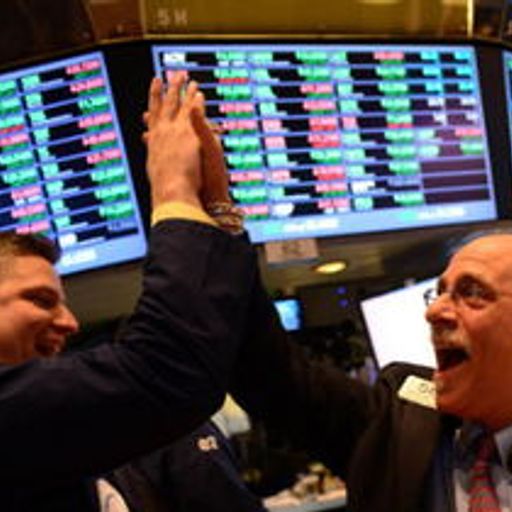



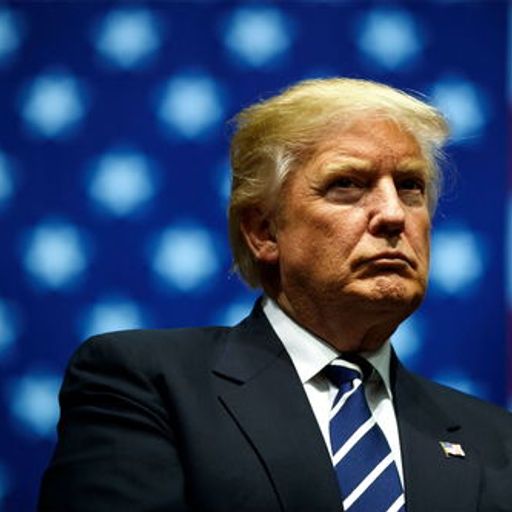
Treasury Secretary's Hedge Fund Tactics: How Bessent Uses the Japanese Bond Market Crisis to Shift Global Political Focus
January 21, US Treasury Secretary Scott Bessent’s series of actions in Davos has sparked an interesting question: why has the historic volatility in the Japanese bond market suddenly become the focus of global financial markets? According to the latest news, Bessent is reshaping the global financial narrative in the style of a hedge fund veteran, amplifying Japanese bond market risks to divert attention from the Trump administration’s geopolitical agenda.
The “Six Sigma” Crisis in the Japanese Bond Market
According to reports, Japanese government bond (JGB) fluctuations have reached extreme levels. Specifically:
These figures are indeed alarming. But the question is: are these fluctuations a natural market response, or are they artificially amplified as a focus shift?
Bessent’s “Pressure Valve” Tactics
From hedge fund manager to Treasury Secretary mindset shift
Bessent pointed out in an interview that Japanese bond volatility has reached an “extreme” of “six sigma” levels, which is quite interesting in itself. As a Treasury Secretary with hedge fund roots, he knows how to leverage extreme data to attract market attention.
According to analysis, his operational logic is:
The effect of pressure is immediate
According to reports, after Bessent publicly pressured Japan, Japanese Finance Minister Satsuki Katayama quickly promised at Davos to stabilize the debt structure through fiscal adjustments and strategic support. Subsequently, Japan’s long-term government bond yields noticeably retreated.
This process took less than 24 hours. From this perspective, Japan has already been incorporated into the US-led risk management framework.
The Deep Logic of the Global Triangular Relationship
Japan: Used as a “pressure valve”
Japan’s debt-to-GDP ratio of 200% and extreme aging population make it the most vulnerable link in the global financial market. Bessent’s pressure on Japan not only demonstrates US financial influence but also provides more political space for the Trump administration to handle European issues.
South Korea: Used as a “funding source”
According to reports, despite Seoul’s promise of hundreds of billions of dollars in investment to the US, Bessent only offered symbolic verbal support. The Korean won briefly rebounded but quickly fell back, without substantial protection. This forms a stark contrast.
Europe: Becomes a battleground for trade negotiations
The Trump administration threatened to impose heavy tariffs on Europe in exchange for support on Greenland. By shifting market focus to the Japanese bond market, Bessent gained valuable political buffer time for these tariff threats.
Indirect Impact on the Cryptocurrency Market
Bessent’s Changing Attitude Toward Bitcoin
According to related information, Bessent recently explicitly defined Bitcoin as a “store of value” asset in an interview, reaffirming that the US will not sell Bitcoin but instead build a strategic reserve. This statement is no coincidence.
As the global financial order is actively reshaped by the US, the flow of safe-haven funds will also change accordingly. Bitcoin, as an emerging safe-haven asset, is beginning to gain initial recognition from mainstream finance.
Reallocation of Global Funds
Against the backdrop of Japanese bond market turmoil, Europe’s tariff threats, and Korea’s lack of substantial protection, global safe-haven seeking funds may reconsider asset allocation. This is an extension of what Bessent called “in the context of sluggish Chinese economy, funds are eager to seek safe-haven outlets”—the global demand for safe assets is rising.
The Shift in the Financial Landscape by 2026
US Unilateralism Reshaping
Bessent’s series of statements in Davos—from Japanese bonds to Greenland, from tariff policies to Bitcoin strategic reserves—point in the same direction: the US is actively reshaping the global financial order, not passively responding.
Personal opinion
From a hedge fund practitioner’s perspective, Bessent’s combination of tactics is quite clever. He amplifies Japanese bond risks to divert political attention, pressures Japan to demonstrate US control, and differentiates between Japan and Korea to reinforce US dominance. This is not only a financial operation but also a geopolitical reordering.
Summary
Bessent uses the Japanese bond market crisis to shift global political focus, reflecting that the US is actively reshaping the global financial order. Japan is used as a “pressure valve” to demonstrate US financial control, Korea as a “funding source” without substantial protection, and Europe as a battleground for tariff negotiations. In this new order, the flow of global safe-haven funds is changing, and Bitcoin as an emerging safe-haven asset is gaining recognition from mainstream finance.
For investors concerned with macro risks and capital flows, the key to 2026 is understanding this new global financial landscape—where the US is no longer just a market participant but actively shaping market rules.