

Trade
Basic
Futures
Futures
Hundreds of contracts settled in USDT or BTC
TradFi
Gold
Trade global traditional assets with USDT in one place
Options
Hot
Trade European-style vanilla options
Unified Account
Maximize your capital efficiency
Demo Trading
Futures Kickoff
Get prepared for your futures trading
Futures Events
Participate in events to win generous rewards
Demo Trading
Use virtual funds to experience risk-free trading
Earn
Launch
CandyDrop
Collect candies to earn airdrops
Launchpool
Quick staking, earn potential new tokens
HODLer Airdrop
Hold GT and get massive airdrops for free
Launchpad
Be early to the next big token project
Alpha Points
Trade on-chain assets and enjoy airdrop rewards!
Futures Points
Earn futures points and claim airdrop rewards
Investment
Simple Earn
Earn interests with idle tokens
Auto-Invest
Auto-invest on a regular basis
Dual Investment
Buy low and sell high to take profits from price fluctuations
Soft Staking
Earn rewards with flexible staking
Crypto Loan
0 Fees
Pledge one crypto to borrow another
Lending Center
One-stop lending hub
VIP Wealth Hub
Customized wealth management empowers your assets growth
Private Wealth Management
Customized asset management to grow your digital assets
Quant Fund
Top asset management team helps you profit without hassle
Staking
Stake cryptos to earn in PoS products
Smart Leverage
New
No forced liquidation before maturity, worry-free leveraged gains
GUSD Minting
Use USDT/USDC to mint GUSD for treasury-level yields

More





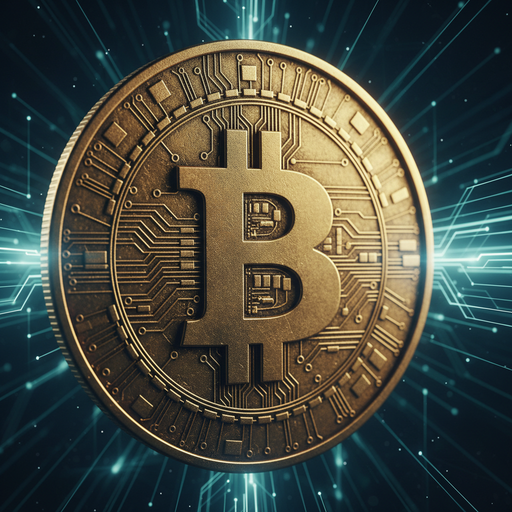
#BiggestCryptoOutflowsSince2022 #BiggestCryptoOutflowsSince2022
The recent data showing some of the largest crypto outflows since 2022 has caught my attention, and it’s worth reflecting on what this means beyond headlines. When we talk about outflows at this scale, we are not talking about random fluctuation we are witnessing a shift in sentiment, capital rotation, and investor psychology that can shape market structure for months or even years.
Outflows at this level typically indicate that participants are reallocating risk, de‑risking positions, or seeking liquidity elsewhere. Since 2022, the landscape has changed dramatically: regulatory scrutiny has increased, macroeconomic pressures have shifted, and institutions that once drove inflows have become more cautious. For many investors, this is not simply a technical event it’s evidence of reassessment and reevaluation.
We should separate short‑term emotion from long‑term strategy. Massive outflows can trigger headlines about imminent crashes or market panic, but history shows that redistribution of capital often precedes new phases of opportunity. When strong hands exit or rebalance, it can clear the way for a healthier foundation where valuation aligns more closely with real adoption and utility.
The psychology behind big outflows is rooted in risk management. Traders and institutions reduce exposure when broader economic signals become uncertain or when correlations with traditional markets tighten. Capital preservation becomes the priority. This is not inherently bearish, but it does signal caution. It means participants are asking deeper questions about valuation, timing, and conviction.
For long‑term investors, volatility and outflows are not just challenges they are part of the cycle. They create dislocations that reveal true value and reveal who is committed to the underlying technology versus who is chasing short‑term moves. Markets with real fundamentals survive stress. Those without do not.
From my perspective, these outflows should be viewed as a critical inflection point, not a final destination. They reveal sentiment, but sentiment is not destiny. The crypto market has weathered significant shifts before, and each cycle has brought a more mature ecosystem in its wake.
The key going forward will be how participants respond: whether they interpret these flows as panic or as a moment to reassess, adapt, and build with clearer conviction. The greatest opportunities often emerge not when the headlines are rosy, but when clarity returns after a period of volatility.
This is a moment of transition. How we interpret it will influence not just short‑term positioning, but long‑term perspective on digital assets and their role in global finance.