

Trade
Basic
Futures
Futures
Hundreds of contracts settled in USDT or BTC
TradFi
Gold
Trade global traditional assets with USDT in one place
Options
Hot
Trade European-style vanilla options
Unified Account
Maximize your capital efficiency
Demo Trading
Futures Kickoff
Get prepared for your futures trading
Futures Events
Participate in events to win generous rewards
Demo Trading
Use virtual funds to experience risk-free trading
Earn
Launch
CandyDrop
Collect candies to earn airdrops
Launchpool
Quick staking, earn potential new tokens
HODLer Airdrop
Hold GT and get massive airdrops for free
Launchpad
Be early to the next big token project
Alpha Points
Trade on-chain assets and enjoy airdrop rewards!
Futures Points
Earn futures points and claim airdrop rewards
Investment
Simple Earn
Earn interests with idle tokens
Auto-Invest
Auto-invest on a regular basis
Dual Investment
Buy low and sell high to take profits from price fluctuations
Soft Staking
Earn rewards with flexible staking
Crypto Loan
0 Fees
Pledge one crypto to borrow another
Lending Center
One-stop lending hub
VIP Wealth Hub
Customized wealth management empowers your assets growth
Private Wealth Management
Customized asset management to grow your digital assets
Quant Fund
Top asset management team helps you profit without hassle
Staking
Stake cryptos to earn in PoS products
Smart Leverage
New
No forced liquidation before maturity, worry-free leveraged gains
GUSD Minting
Use USDT/USDC to mint GUSD for treasury-level yields

More


Trending Topics
View More295.78K Popularity
25.88K Popularity
46.34K Popularity
12.12K Popularity
452.87K Popularity



Pin
Market in a stagnation zone: where experienced investors are rushing to
The current market situation presents a paradoxical picture: amid short-term stagnation, investor concern about long-term economic prospects is growing. According to Jin10, most analysts have revised their forecasts for interest rate cuts upward, while the threat of tariff-driven inflation becomes increasingly real. In this atmosphere of uncertainty, a clear and notable trend emerges: the investment community is actively shifting toward traditional assets, primarily precious metals.
When rates fall and inflation rises
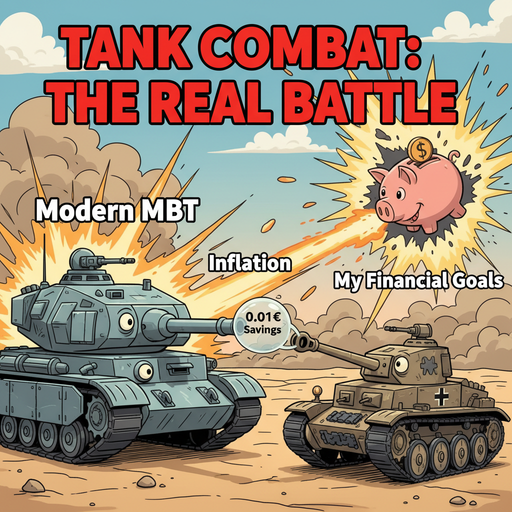
The paradox of the current moment lies in conflicting signals in the financial markets. On one hand, expectations for interest rate reductions have been significantly weakened, which would typically create favorable conditions for risky assets. On the other hand, the prospect of inflation caused by new tariffs looms over the economy as a threat. This uncertainty generates stagnation in speculative capital activity and prompts even experienced market participants to reconsider their priorities.
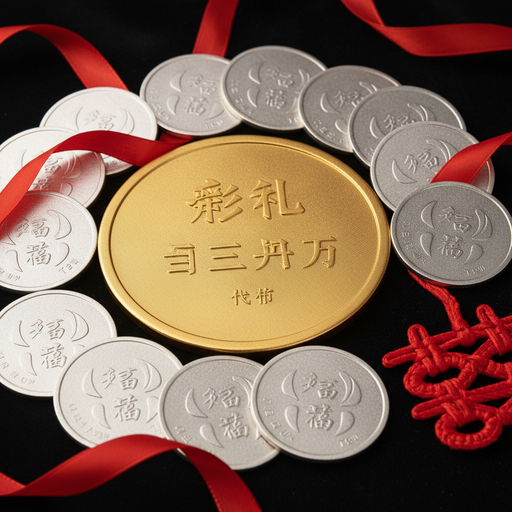
Gold as a safe haven: an investment protection strategy
In the calm before a potential storm, investors turn to a proven strategy—hedging their portfolios through gold purchases. This approach reflects not only concerns about future volatility but also a deep understanding of macroeconomic risks. Experienced market players see precious metals as a reliable refuge when stock markets stagnate amid currency fluctuations and central bank actions.
Macroeconomic shift: what the data shows
Market data clearly demonstrate a significant flow of capital into traditional assets, especially precious metals. This trend is no coincidence—it reflects a cautious and measured approach by the investment community to expectations of future market fluctuations. The increasing redistribution of macroeconomic capital indicates that even in current stagnation, investors are preparing their portfolios for the anticipated challenges of upcoming periods.