


Project Genie creates an interactive world causing gaming stocks to plummet, GTA parent company: the public has misconceptions about creation
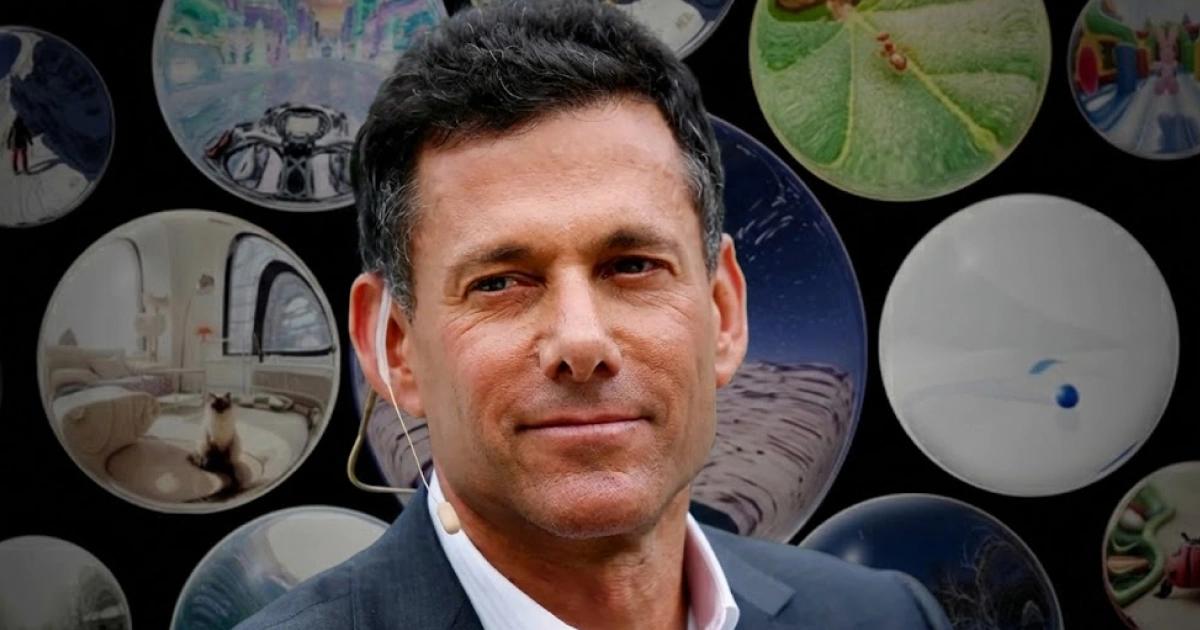
Google Launches Project Genie, Real-Time Generation of Interactive Virtual Worlds from Prompts. The technology once sparked panic in gaming stocks, causing Unity’s stock price to plummet 35%, but TakeTwo’s CEO believes the public misunderstood the difference between tools and popular works.
Google Launches Project Genie, Generating Interactive Worlds with a Single Sentence
Recently, Google introduced “Project Genie,” an experimental prototype based on the Genie 3 universal world model. Currently, it is available for testing by Google AI Ultra subscribers in the United States. Its core function allows users to generate a lively, expandable environment automatically through simple prompts or by uploading images.
Unlike traditional static 3D scenes, when users move or interact within the virtual world, Genie 3 can generate the path ahead in real-time and simulate physical reactions and dynamic changes.
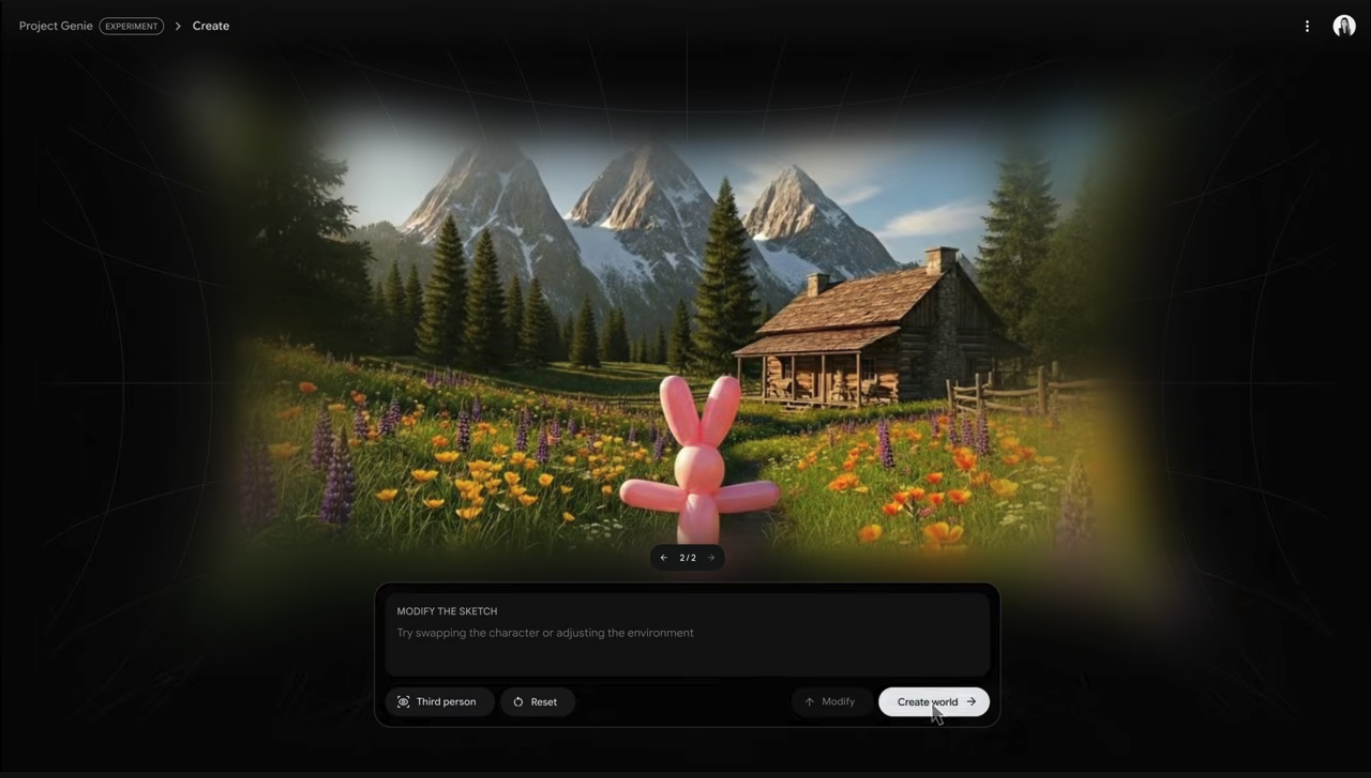
Image Source: Google DeepMind Google Launches Project Genie, Generating Interactive Worlds with a Single Sentence
Many people compare the launch of Project Genie to existing game engines, sparking discussions across social media.
According to VGC, some users have started sharing videos of the interactive worlds they created with Project Genie, with some content even featuring copyrighted characters, such as Pokémon from Nintendo.
Some AI technology supporters believe that as tools like Project Genie for generating interactive worlds continue to evolve, the demand for traditional game developers in the future gaming market could significantly decrease.
Project Genie Sparks Market Panic, Unity Stock Price Once Dropped 35%
Following the launch of Project Genie, investors reacted to social media discussions, initially worried that this technology might impact the existing gaming industry, especially user-generated content (UGC). As a result, many gaming stocks declined.
For example, Unity, a game engine developer, saw its stock price plunge from $38.40 to a low of $27.80, a 35% drop on the same day. Other well-known gaming companies like CD Projekt (developer of The Witcher 3), Nintendo, Roblox, and Take Two (publisher of GTA) also saw their stock prices decline.
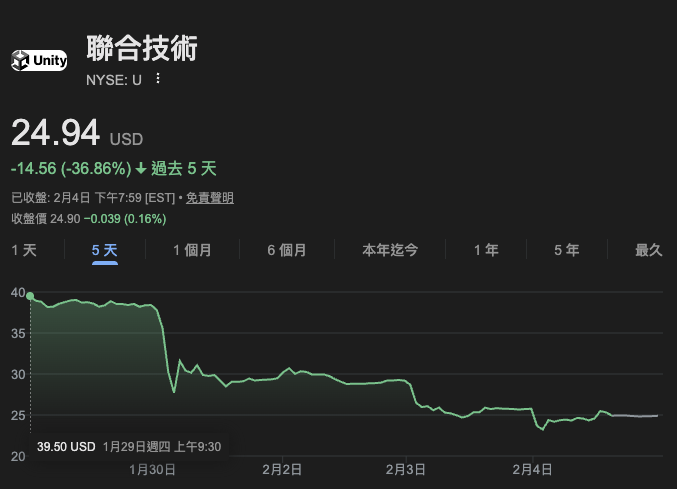
Image Source: Google Finance Project Genie Sparks Market Panic, Unity Stock Price Once Dropped 35%
In response, Unity CEO Matthew Bromberg stated that the development of large-scale world models is a positive accelerator for the industry, not a risk.
He pointed out that the current results of these models are still probabilistic and non-deterministic, making them unsuitable for games requiring consistent and repeatable player experiences. However, if integrated with Unity’s engine, generated content can be transformed into fully controllable simulated environments.
Take Two: Public Confuses Tools with Works
Take Two CEO Strauss Zelnick is also optimistic about Project Genie. The company began exploring machine learning and artificial intelligence 25 years ago and is now actively embracing new AI technologies to boost efficiency and creativity.
In an interview with IGN, Zelnick responded that he does not believe Genie threatens the company’s business and is instead excited about the prospects these new tools bring.
Zelnick believes that the current market panic stems from the misconception that “tools” are equivalent to “works.” He emphasizes that no tool can allow someone to create a competitive commercial product with just a single button press. Even if creators use AI tools to assist their work, they still need to conceive the core concepts, characters, and structure of the game themselves.
He stated, “I will never underestimate the importance of human talent, even with excellent tools.” Because great tools are not meant to replace humans but to unleash human talent and achieve great things.
Further Reading:
Is AI Unbearably Smelly? Larian: AI-Generated Text Quality Is Poor and Won’t Be Used in Divinity
Generative AI Enters Gaming! Capcom Uses It to Inspire Monster Hunter Wilderness Art, SEGA and Cygames Are Also Using It