


In-Depth Analysis of Fluent: How to Make Every Virtual Machine a Lego Brick?

This report is authored by Tiger Research. Each blockchain has its own Lego bricks. Fluent aims to explore what happens when all these bricks can be assembled on the same baseplate.
Key Highlights
- The arms race for performance is nearing its end; cross-virtual machine composability will be the next main battleground.
- Fluent’s hybrid execution technology integrates EVM, SVM, and Wasm into a single chain, completely eliminating cross-chain bridges.
- A good chain doesn’t necessarily attract good applications. Fluent is building its own reputation layer, Prints, to demonstrate its value.
1. The Performance Race Is Over, The Next Battle Has Begun
The competition for blockchain infrastructure started with performance—faster, cheaper, higher throughput. Today, this race has largely concluded. There are dozens of public chains on the market, and outside extreme financial scenarios, performance is no longer the bottleneck.
Looking back, the true leap forward in blockchain has never come from performance but from composability. The summer of DeFi in 2020 is the strongest proof: lending protocols and exchange functions stacking on top of each other, liquidity mining layered above layers. Lego-style modular assembly was the biggest secret of that summer.
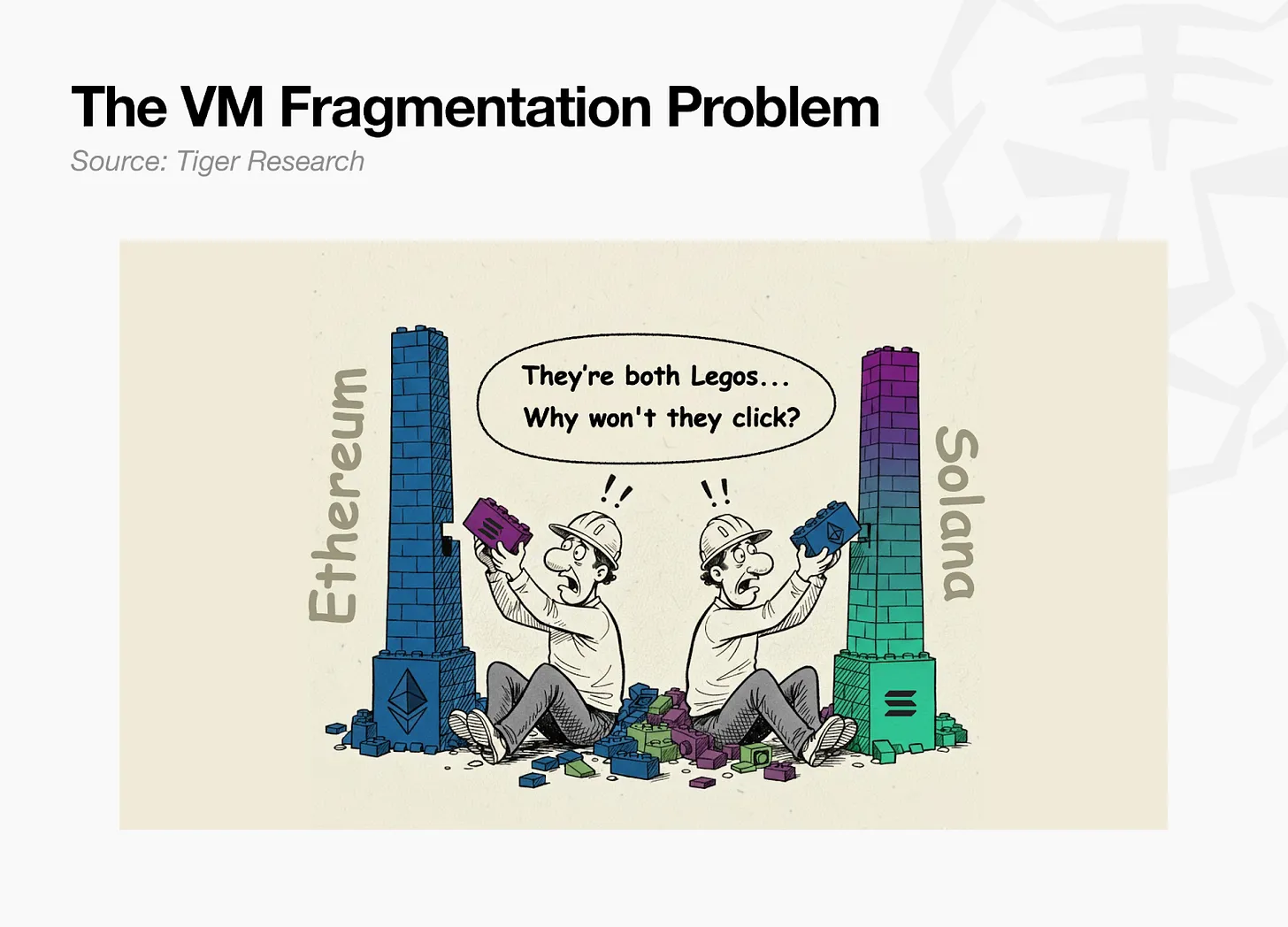
However, this kind of composability faces an invisible barrier—it only works within the same virtual machine. Ethereum’s bricks cannot be embedded into Solana, and Solana’s bricks cannot be inserted into Ethereum. This barrier between virtual machines is precisely the chain of constraints that Fluent set out to break from the very beginning.
2. The Lego Baseplate in Fluent’s Mind
Fluent is a project designed specifically to eliminate virtual machine boundaries. Its core solution is called “Hybrid Execution”—allowing applications running on different virtual machines to operate collaboratively on the same chain.
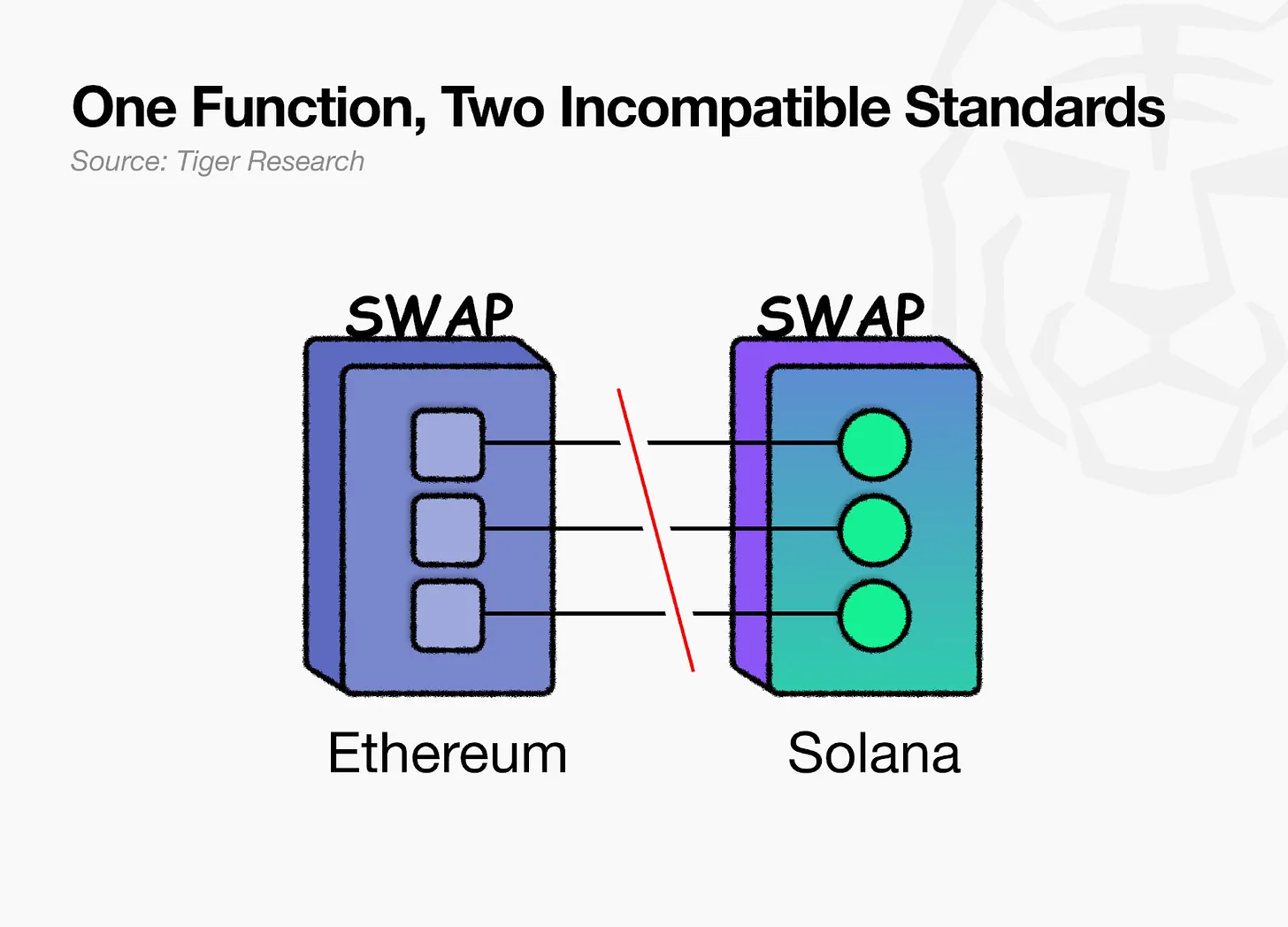
To illustrate with Lego: Ethereum’s bricks are square, Solana’s bricks are round. Both have their strengths, but their sizes are inherently incompatible. Even if you want to connect a lending app on Ethereum with a trading app on Solana, they can only stay in their own boxes, unable to connect.
Fluent is that unified standard baseplate. As an Ethereum Layer 2, it inherits Ethereum’s security foundation while establishing a separate execution layer. Architecturally, Fluent is similar to other Ethereum Layer 2s like Arbitrum and Base—until the execution phase, where it reveals its true difference.
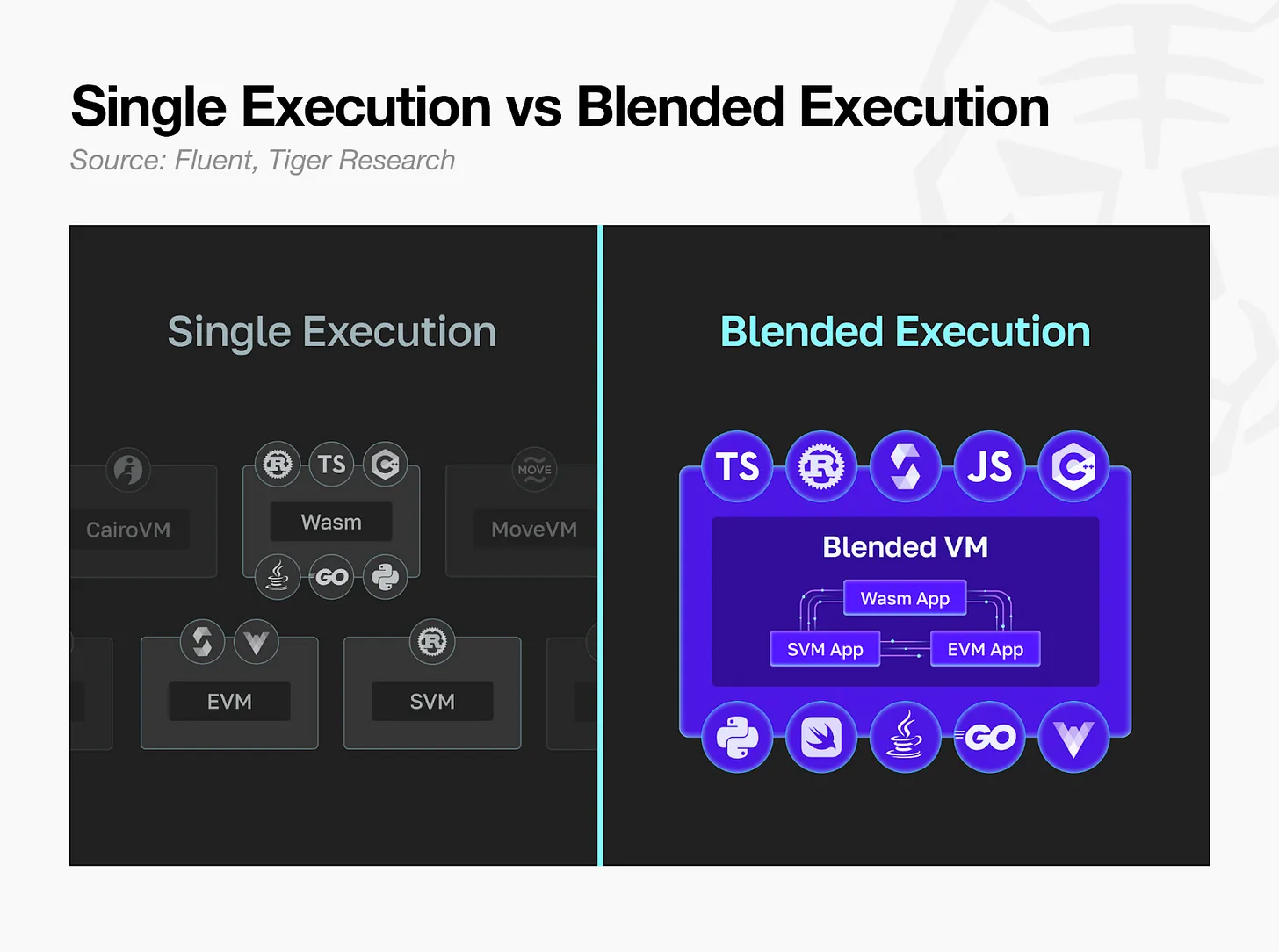
The only difference is this: inside Fluent, contracts written for EVM, SVM, and Wasm coexist on the same chain, sharing the same state. Wasm (WebAssembly) was originally designed to run high-performance programs in browsers, capable of compiling code written in Rust, C++, TypeScript, and other languages into a unified, portable format.
Fluent uses Wasm as a medium, compiling all contracts into a common format called rWasm (a streamlined version of Wasm). Regardless of whether the bricks are square or round, they are all converted into the same standard, enabling free assembly on the same baseplate. This means Solidity contracts can directly call functions in Rust contracts—no cross-chain bridges, no message relays, all within a single transaction. Fluent calls this “Hybrid Execution.”
Currently, hybrid execution between EVM and Wasm is live on the testnet; support for SVM has completed development and is in performance optimization.
3. Speaking Through Prints
The question arises: can building a good chain automatically attract high-quality applications?
The answer is: no.
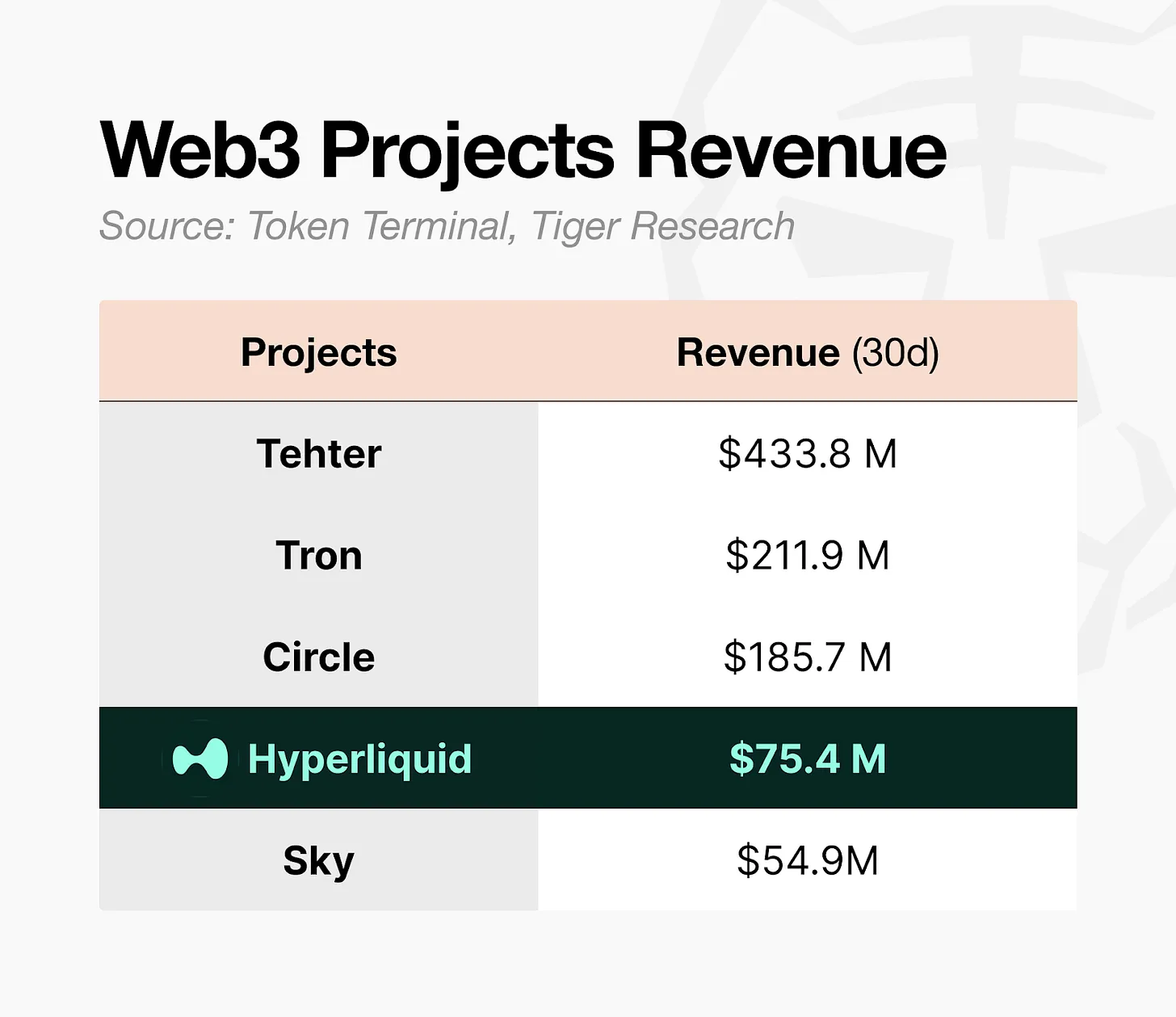
Hyperliquid is a vivid example. Its self-built perpetual contract DEX has become one of the most prominent success stories in crypto. The Web3 market landscape changed dramatically before and after Hyperliquid’s emergence. Previously, teams relied on subsidy programs to recruit external developers for flagship applications; afterward, a new paradigm quietly took shape: building in-house, using results to endorse themselves.
Seizing the opportunity, Fluent is developing a product called Prints. Prints is a “Reputation Aggregator” that consolidates scattered trust data from across the internet, identifying genuine users and trustworthy entities. In short, it’s a reputation platform for the information age—collecting scores from multiple platforms into one view.
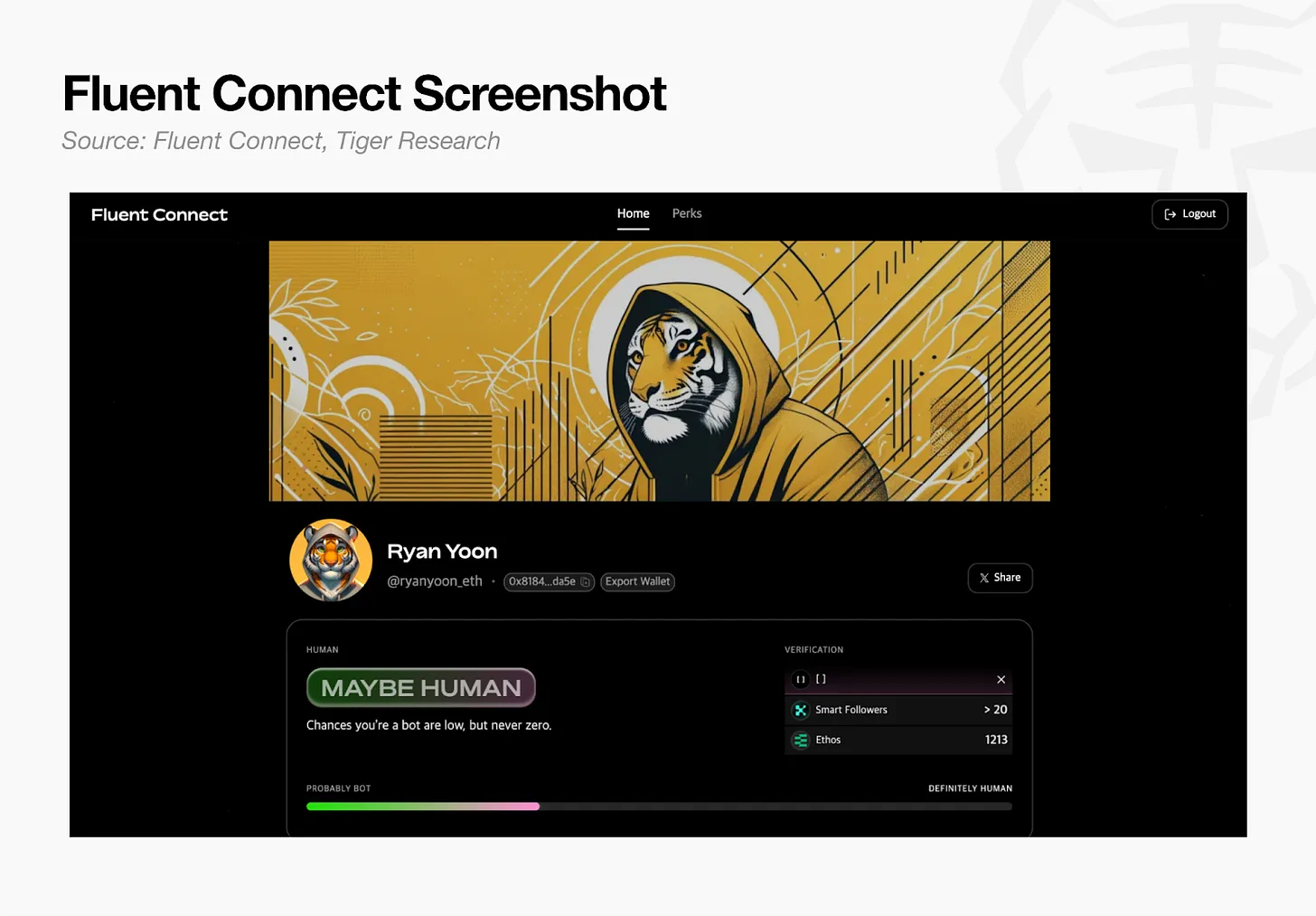
Currently, Prints has integrated Ethos trust scores, Kaito’s intelligent follower data, and Talent Protocol’s developer ratings. Single metrics are easy to manipulate, but forging multiple dimensions simultaneously becomes exponentially harder.
For users, Prints is a Web3 reputation resume—demonstrating their credibility across various fields on a single page. For developers, it’s a reputation tool that can be directly embedded into applications.
Built on Prints, Fluent has also launched Fluent Connect: developers can access reputation data, filter users matching specific profiles, and use the “Perks” feature to distribute early access or token benefits to targeted users. Essentially, it’s a precise matchmaking platform connecting developers with genuine users.
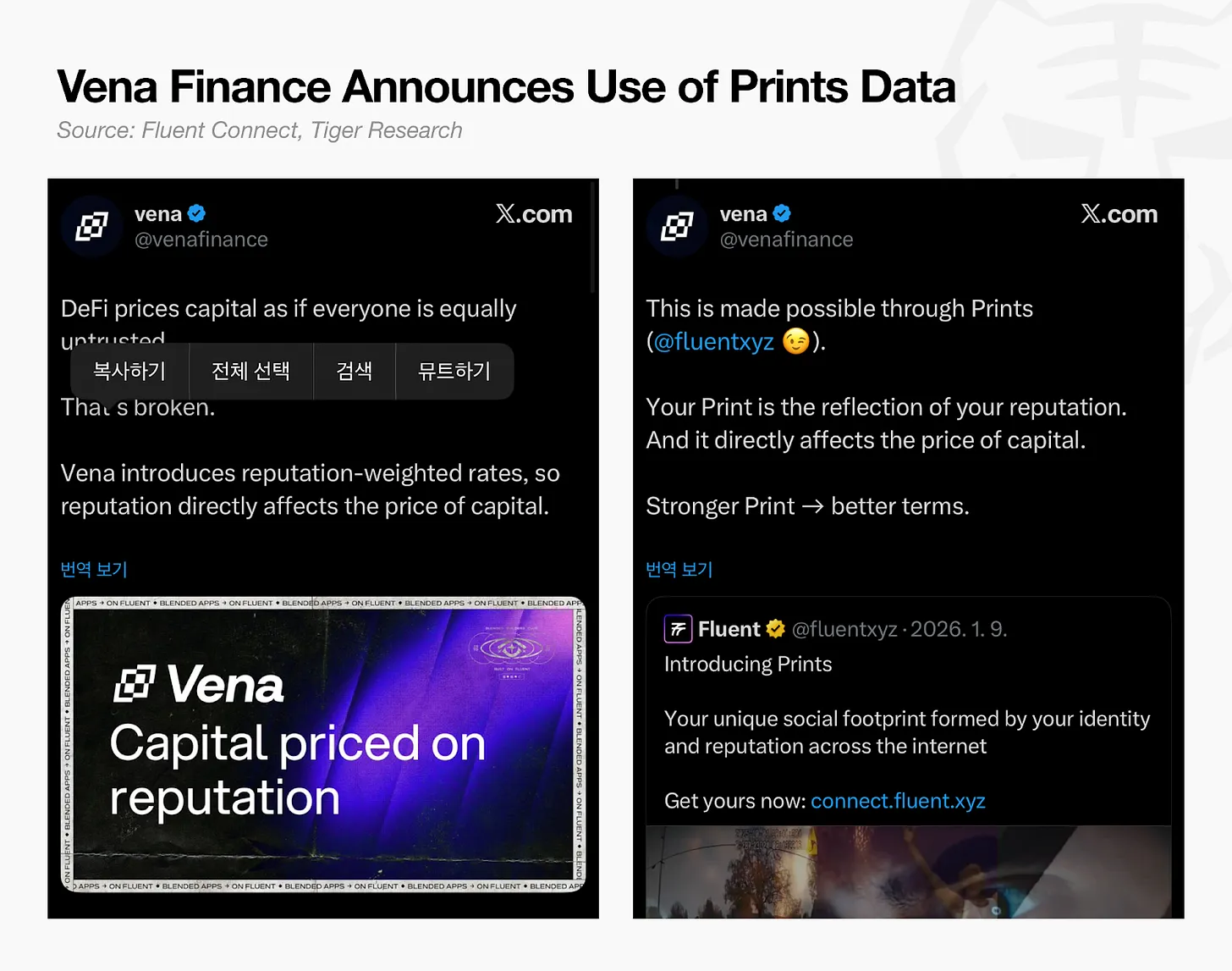
Third-party adoption has already begun. Vena Finance announced it will introduce a reputation-based interest rate mechanism using Prints data, offering better borrowing terms to high-credit users. Since launch, about 40,000 users have registered, and API development for developers is underway.
Of course, Prints currently relies heavily on external services and has no independent reputation signals. To address this, Fluent has established an internal feedback scoring system and plans to incorporate additional data such as market prediction performance, yield strategy history, and AI agent reputation.
4. Ecosystem Map
Prints is still in its growth phase; becoming a complete reputation system will take time. Fluent is not waiting passively but is advancing in parallel—incubating external developers to build the ecosystem. Leading this effort is Fluent’s accelerator program: Blended Builders Club (BBC).
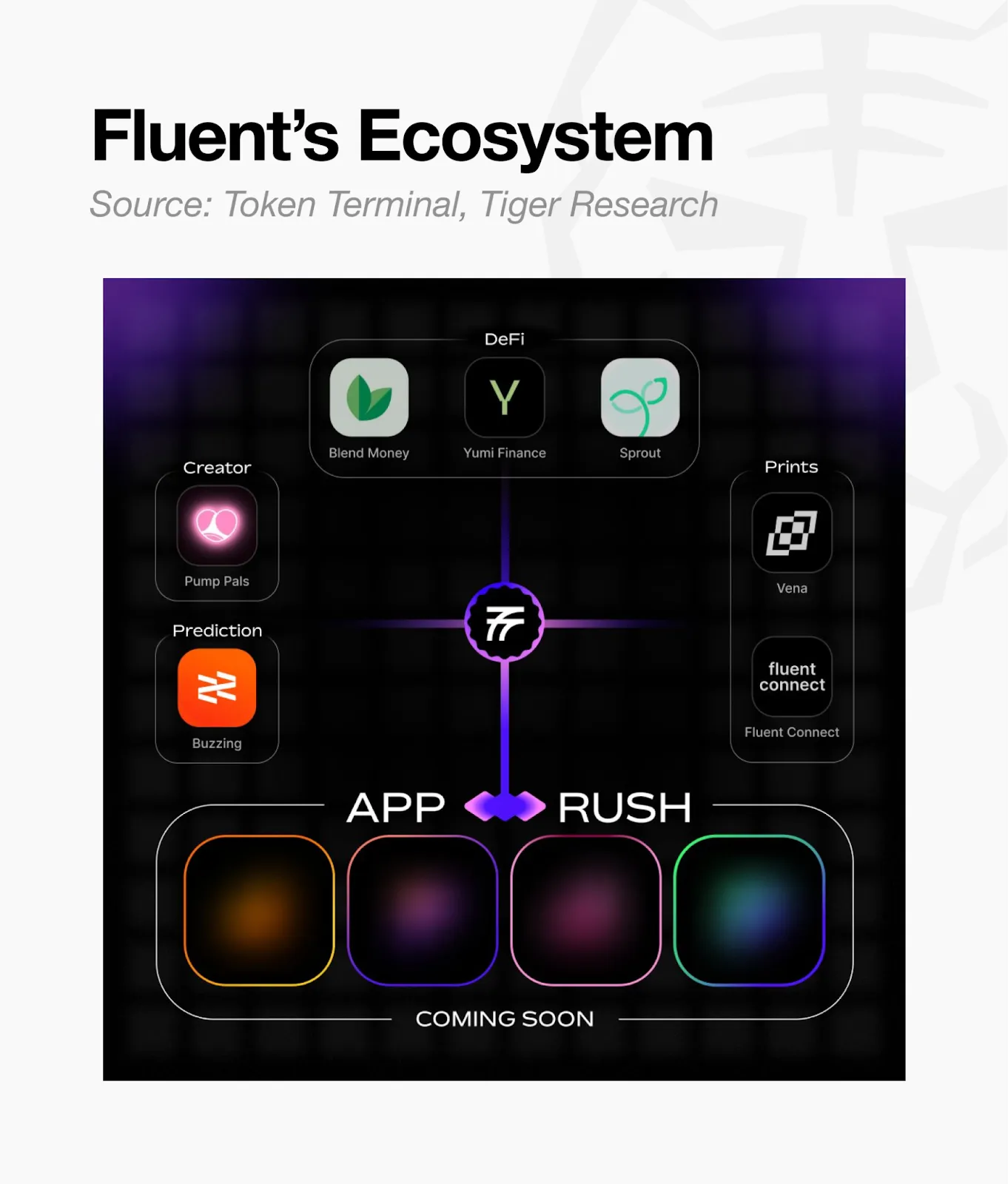
The first five teams selected are:
- Pump Pals: a social trading platform enabling community-driven collaborative trading
- Sprout: an automated yield optimization platform that intelligently matches investment strategies based on user risk preferences
- Buzzing: a prediction market platform where users can create markets and bet freely
- Yumi Finance: on-chain credit infrastructure embedding credit scores into crypto cards, supporting buy-now-pay-later
- Blend Money: an on-chain savings platform where users deposit in local currency, and the system automatically executes yield strategies and currency hedging
Among them, Pump Pals, Sprout, and Buzzing have completed testnet user testing. Notably, Fluent’s approach to testnets differs from most chains: usually, testnets are just airdrop farms where users mechanically perform meaningless tasks, and teams misinterpret inflated data as real demand.
Fluent redefines testnets as “feedback collection grounds”: real user opinions reach the development team directly, driving product iteration; users providing high-quality feedback earn reputation points in Prints and gain priority access to future benefits. Applications are not launched all at once but are rolled out in waves every few weeks, ensuring each team receives sufficient and focused feedback.
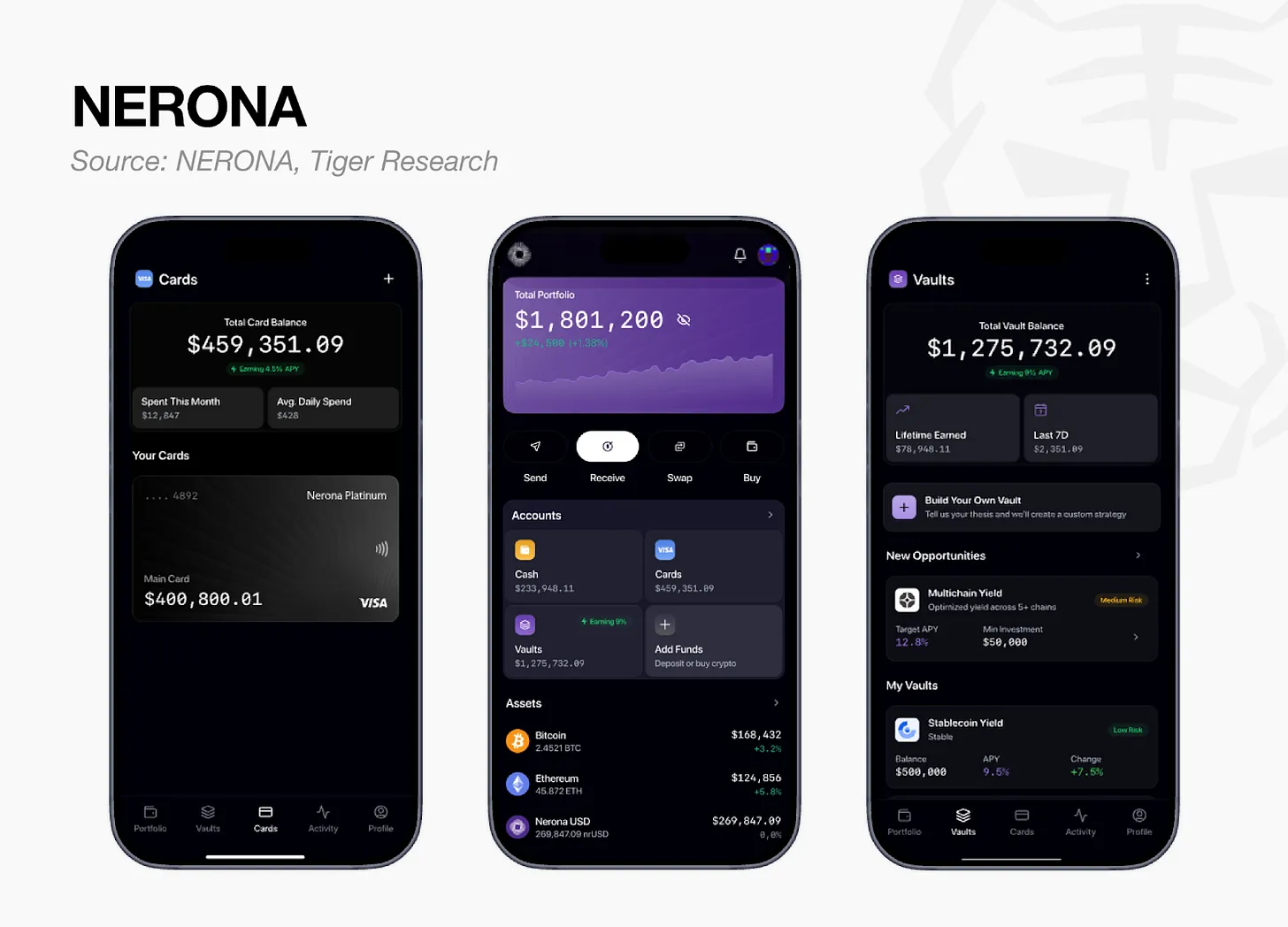
Beyond BBC, more ecosystem forces are emerging. Nerona is an on-chain asset management platform integrating mobile apps, crypto cards, staking yields, and lending functions. Previously, these features were scattered, with funds often idle; Nerona consolidates them to keep capital in motion. Coupled with Prints’ reputation data, the platform can offer differentiated interest rates and service terms based on user credit profiles—similar to Vena Finance’s reputation interest rate mechanism.
5. Fluent’s Vision
Fluent is advancing three main initiatives simultaneously.
First, the chain itself. Hybrid execution enables EVM, SVM, and Wasm applications to freely compose on the same chain. The technical direction is clear: EVM-Wasm hybrid execution is stable on the testnet. But SVM integration is still being optimized, and whether all three virtual machines can operate seamlessly on the mainnet remains to be seen.
Second, Prints. Its design to aggregate multi-dimensional reputation signals and cross-verify is compelling—single metrics can be faked, but forging multiple dimensions simultaneously is exponentially more difficult. However, the current set of signals is limited and mostly relies on external services. Whether Prints can develop its own reputation signals and establish an internal verification loop remains to be seen over time.
Third, the ecosystem. BBC is nurturing developers, and projects like Vena Finance and Nerona are attempting to tie reputation to financial terms. But most projects are still early-stage or conceptual. How they will achieve genuine user growth remains to be observed.
Fluent is still in its early days, but from the start, it has designed an integrated structure combining chain, product, and ecosystem—this already sketches the outline of a complete form. Early execution has shown results: hybrid execution is running on the testnet, and services based on Prints are beginning to materialize.
In the previous cycle, dozens of Layer 2s emerged, mostly relying on performance metrics to attract attention, ultimately becoming deserted chains. Whether Fluent can break this cycle depends on the number of real users and on-chain activity after mainnet launch—these will be the most honest indicators.