


Cryptocurrency scams target dating apps, $327,000 USDT seized
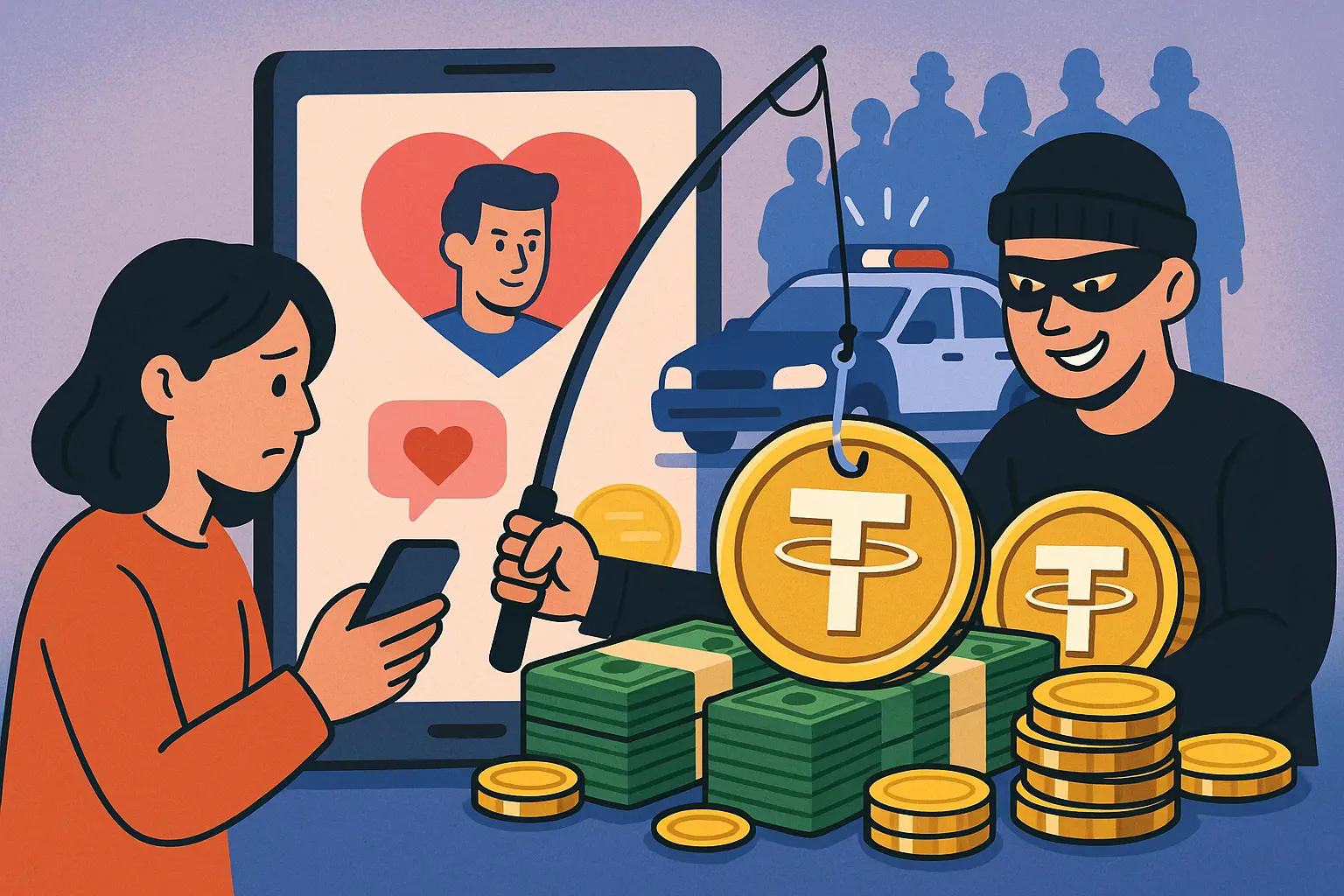
The U.S. District Attorney’s Office in Boston has officially filed a civil forfeiture lawsuit on Monday to recover $327,829.72 in Tether (USDT). The victim from Massachusetts was defrauded through a dating app by a scammer claiming to be “Linda Brown.” The investigation began in fall 2024, and authorities characterized the case as an “online romance scam.”
Case Details: Love Scam and Crypto Investment Fraud Tactics
According to prosecutors, the scam follows the “Pig Butchering” fraud pattern—perpetrators cultivate emotional trust with victims over time before introducing false investment opportunities.
The specific process of the scam is as follows:
Emotional Building: “Linda Brown” connected with the Massachusetts victim via a dating app, maintaining communication for several weeks to establish trust.
Introducing Investment Opportunities: After gaining sufficient trust, she claimed access to exclusive cryptocurrency investment channels to encourage the victim to transfer funds.
Fraudulent Fund Transfer: Posing as a legitimate investment, she persuaded the victim to transfer funds into wallets controlled by herself and accomplices.
Money Laundering: The stolen funds were layered through multiple crypto wallets, eventually exchanged for USDT, leveraging its stablecoin properties to reduce traceability.
Exposure of the Scam: When the victim attempted to withdraw from the platform, the withdrawal was denied, revealing they had fallen victim to a cryptocurrency scam.
The Role of USDT in Romance Scams and Broader Law Enforcement Context
The lawsuit primarily targets assets in USDT, reflecting the rising trend of stablecoin usage in crypto scams. Compared to more volatile cryptocurrencies like Bitcoin, USDT offers a more stable store of value and facilitates anonymous transfers on-chain, making it a common “landing point” for layered laundering of scam funds.
The timing of this announcement also serves as a warning. It coincides with a Valentine’s Day warning issued by the Ohio District Attorney’s Office, titled “Cupid Won’t Ask for Cryptocurrency,” cautioning consumers about scams where criminals establish relationships via social media and messaging apps to solicit crypto funds.
From a broader law enforcement perspective, the Federal Trade Commission (FTC) has reported that love scams caused losses exceeding $1 billion in a single year; the FBI ranks crypto-related investment scams as the largest category of financial crime in losses.
Frequently Asked Questions
What is “Pig Butchering” crypto scam? How is it related to this case?
Pig Butchering scams are long-term love investment schemes: scammers spend extensive time building emotional bonds (“raising the pig”), then introduce fake investment opportunities (“butchering the pig”) to steal large sums before disappearing. In this case, “Linda Brown” engaged the victim over weeks to build trust before introducing crypto investment opportunities, fitting this pattern precisely. Therefore, U.S. law enforcement is taking more aggressive legal actions.
Why has USDT become a common tool for crypto scam laundering?
USDT’s stablecoin nature makes it less affected by market fluctuations, allowing scammers to preserve the value of their funds while waiting. Its high on-chain liquidity and ease of exchange across multiple platforms facilitate layering and eventual cash-out. Compared to holding volatile assets like Bitcoin, USDT reduces the risk of value loss during laundering, making it a preferred choice for scam-related fund transfers.
How can victims identify crypto scams on dating apps?
Key signs include: strangers quickly introducing crypto investment opportunities, promising unusually high returns through “special channels,” urging remittances while providing reasons to delay withdrawal, and requesting transfers to external wallets outside recognized platforms. U.S. law enforcement advises caution with any online investment involving crypto, especially when approached by strangers.
Related Articles
U.S. Department of Justice charges Paxful founder; the company has pleaded guilty and will pay a $4 million fine
U.S. Court Rules: Uniswap is Not Responsible for Scam Tokens; Open-Source Smart Contracts Are Neutral Tools
Uniswap Token Scam Collective Lawsuit Wins, Open Source Developers' Indemnity Established
CFTC appoints former federal prosecutor David Miller to lead enforcement, strengthening cryptocurrency regulation
U.S. prosecutors seek to seize $327,000 USDT in connection with "Pig Butchering" crypto scam case