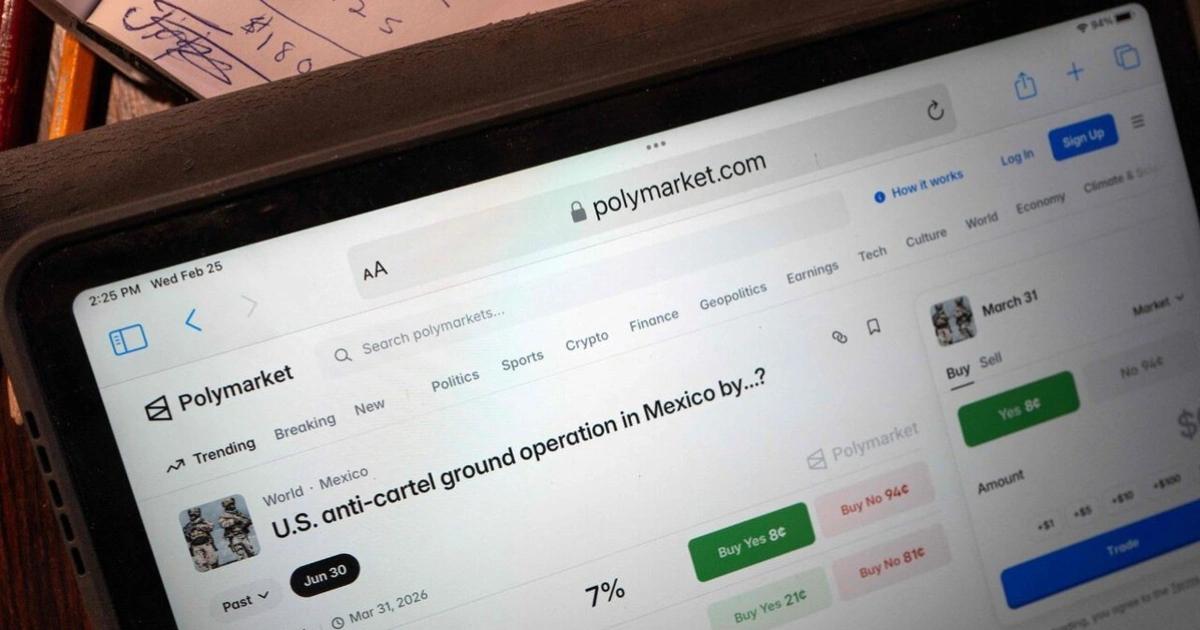
Polymarket’s redesigned homepage introduces a carousel and Breaking News, transforming capital flows into real-time probability news, challenging traditional media narratives.
When traders open Polymarket, a familiar yet unfamiliar scene appears: the top of the homepage no longer features a simple list of markets but displays high-heat event cards in a horizontal carousel.
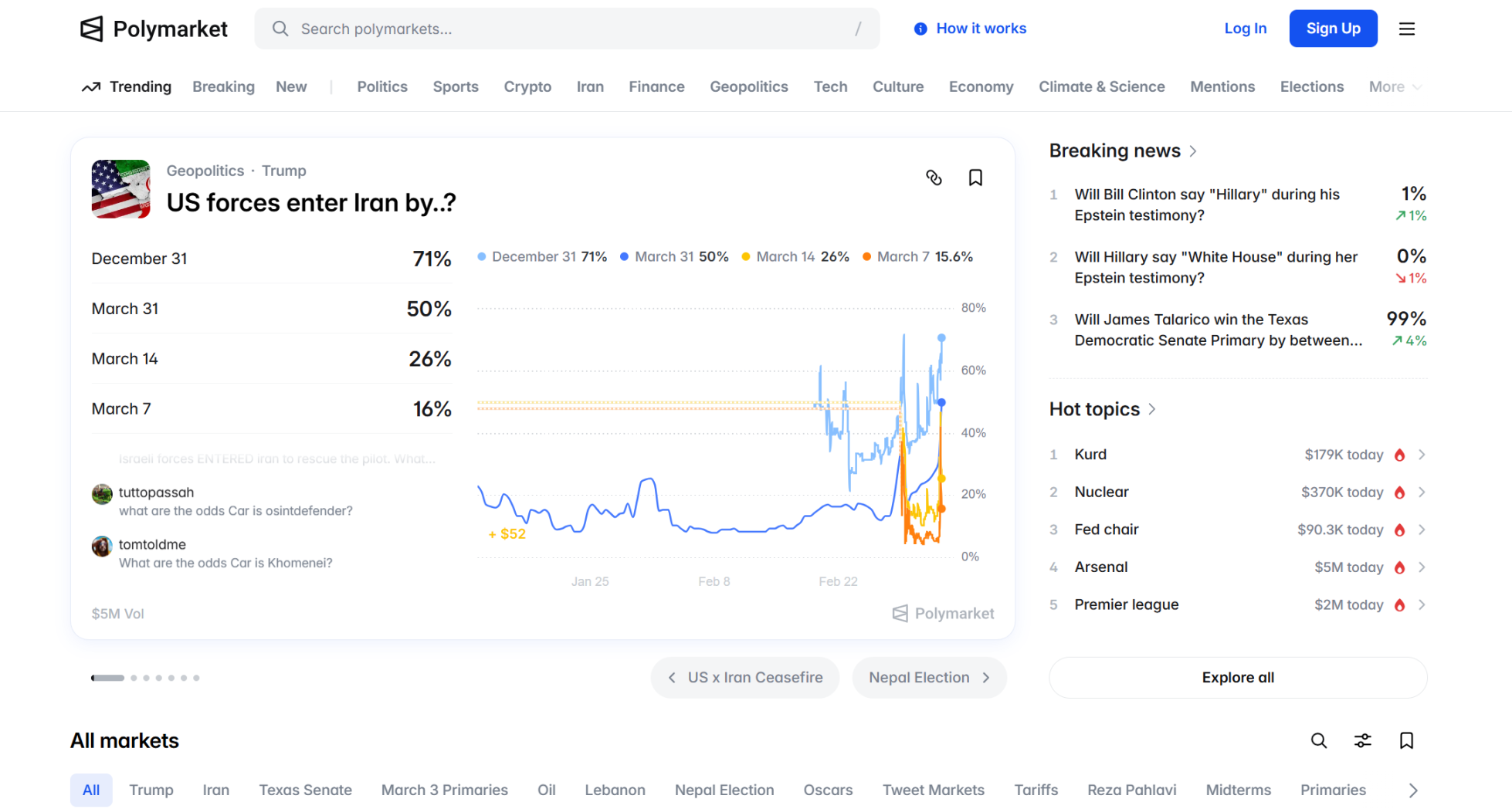
Image source: Polymarket
If you observe carefully, you’ll notice there are seven carousel slots, with popular or latest prediction markets showcased, including politics, military, sports matches, and even Bitcoin 5-minute price movement predictions, with real-time comments and betting amounts displayed.
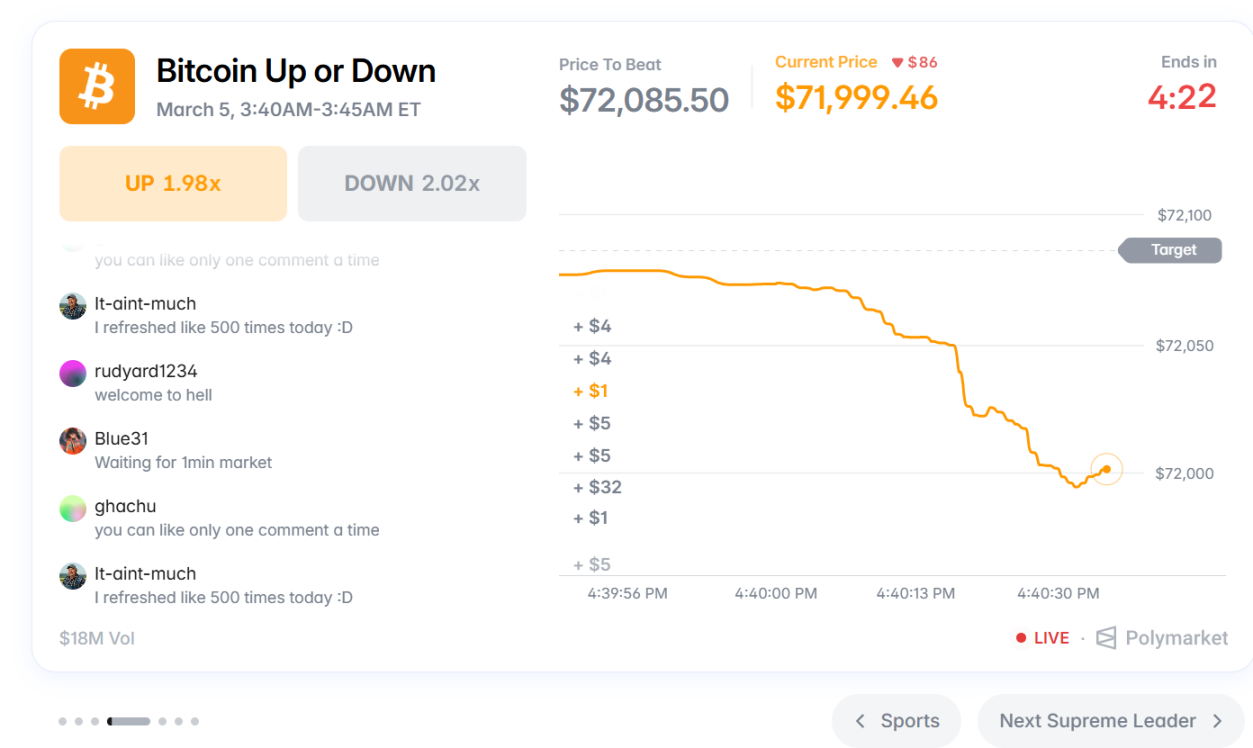
Image source: Polymarket
Each item shows today’s trading volume and an up/down arrow, with a visual style similar to Reuters’ website, rather than a typical crypto trading platform. This layout pushes the original core “All markets” list down to the second screen.

Image source: Reuters
This update by Polymarket isn’t just for aesthetics; it likely aims to redefine what news is. It is evolving from a betting platform where speculators “place bets” into a 24/7 real-time news terminal built on capital flow as an underlying protocol.
The “headline” logic behind the carousel images
The main visual on Polymarket’s new homepage no longer features a dense list of trading pairs but a large news section with a dynamic line chart.
Taking the currently promoted “Tottenham Hotspur vs Crystal Palace” as an example, the visual focus is no longer on “Buy/Sell” buttons but on the curve representing the fluctuation of win probabilities. Psychologically, this sends a signal: data changes themselves are news.
For traditional media, sports news is post-game reports; for Polymarket, news is the live (or even pre-game) fluctuations in win probabilities caused by injuries, weather, or capital inflows. This “real-time prediction” granularity is beyond what any traditional news site can offer.
Another noteworthy design element is the “Breaking News” section on the right side.
Here, we see various political events, with a prominent green percentage increase indicator. In traditional media, “breaking news” often means “something has already happened”; but in Polymarket’s context, a significant jump in probability itself is breaking news.
This addresses a core pain point of modern information overload: too much data. While analysts on Twitter debate endlessly, Polymarket’s sidebar provides a “dehydrated” conclusion. Behind every percentage is real money at stake. Compared to expert opinions, market odds often reflect closer to the truth.
Real Money Hot Topics
Below Breaking News, Polymarket added a “Hot Topics” module.
You’ll see keywords like Federal Reserve Chair, nuclear energy, with today’s trading volumes next to them. This is essentially a “value ranking” of global hot topics.
Trending topics on X can be artificially boosted; but on Polymarket, hotness is driven by dollar volume. When trading volume for “Iran situation” or “nuclear deal” surges, it signals to global observers that significant events are happening in these sectors, capable of influencing capital flows worldwide. This is no longer just prediction; it’s real-time pricing of global risks.
Moving Beyond “Gambling” Labels
Why is Polymarket doing this?
In recent years, prediction markets have been seen as fringe in the crypto industry, often labeled as “illegal gambling.” But since 2024’s global elections and geopolitical conflicts, everything has changed. Polymarket’s data has frequently appeared in The New York Times and on professional traders’ screens.
This UI update is a proactive move to align more with mainstream narratives. It tells users: you don’t have to be a trader; you can treat this as your primary news source.
Want to know who will win the election? Don’t watch debates—check the odds here. Curious if the Federal Reserve will cut rates? Don’t rely solely on analysts—look at the capital flows. Wondering if a war will end? The Yes/No curves here are more honest than diplomatic statements.
We are entering a “post-truth era,” where narratives are manipulated and positions precede facts. Polymarket, through this media-like design language, is turning scattered, chaotic global events into quantifiable, trackable, tradable clean data streams. This UI facelift symbolizes its challenge to traditional news portals. Future news sites may no longer need editors—just highly liquid, in-depth markets. Polymarket has already presented a prototype of this future.
When probability data becomes the default homepage content, ordinary users, media, and research institutions will all “look to the market first.” This means prediction markets are no longer niche crypto tools but foundational infrastructure for real-time coverage across sports, politics, geopolitics, and crypto.
- This article is reprinted with permission from:《Foresight News》
- Original title:《Polymarket New Website Redefines News Media》
- Original author: Ma He, Foresight News
Disclaimer: The information on this page may come from third parties and does not represent the views or opinions of Gate. The content displayed on this page is for reference only and does not constitute any financial, investment, or legal advice. Gate does not guarantee the accuracy or completeness of the information and shall not be liable for any losses arising from the use of this information. Virtual asset investments carry high risks and are subject to significant price volatility. You may lose all of your invested principal. Please fully understand the relevant risks and make prudent decisions based on your own financial situation and risk tolerance. For details, please refer to
Disclaimer.


