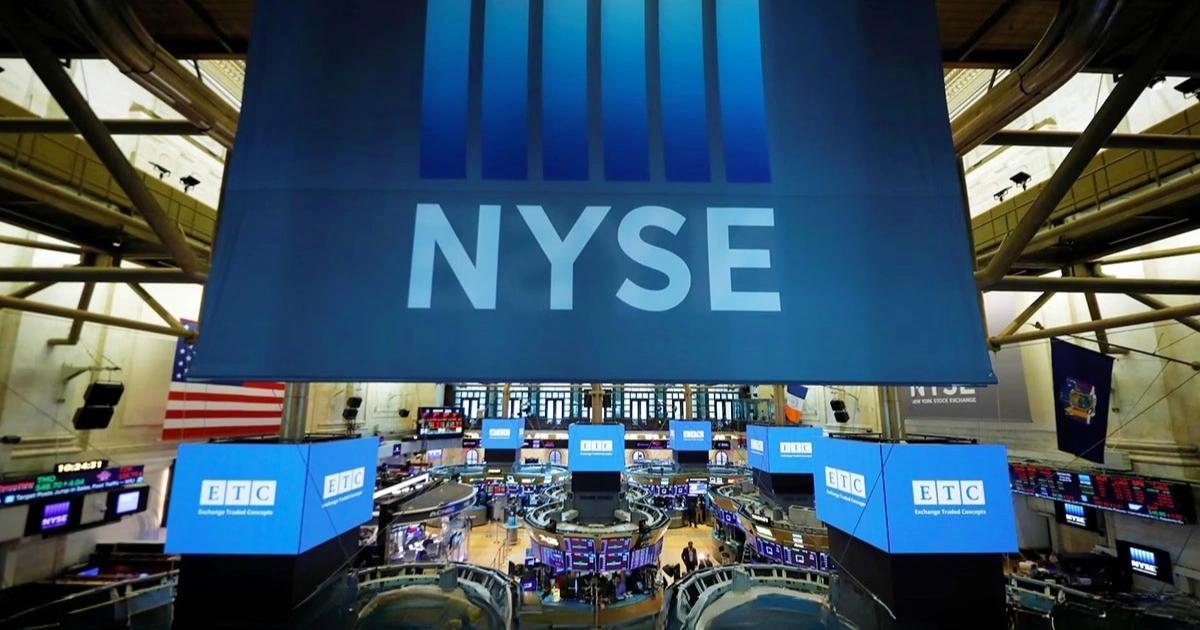
The United States fully removes the cap of 25,000 contracts on crypto ETF options, aligning market practices with traditional commodity ETFs, significantly expanding institutional hedging and strategic trading opportunities.
The U.S. crypto ETF market has once again seen major regulatory easing. NYSE Arca and NYSE American have officially submitted rule changes to the U.S. Securities and Exchange Commission (SEC), removing the long-standing limit of 25,000 contracts on Bitcoin and Ethereum spot ETF options, with SEC approval granted for immediate effect.
This adjustment not only brings crypto ETF derivatives closer to the standards of traditional ETFs but also opens up more flexible hedging and strategic trading space for institutional investors, with market liquidity expected to further improve.
NYSE joins the easing trend: crypto ETF option restrictions officially lifted
According to federal notices, NYSE Arca and NYSE American have submitted rule amendments to remove the original 25,000-contract limit on Bitcoin and Ethereum spot ETF options. The SEC has also waived the usual 30-day review period, allowing the new rules to take effect immediately upon submission.
This change covers 11 mainstream crypto ETFs, including BlackRock’s iShares Bitcoin Trust (IBIT), Fidelity’s Wise Origin Bitcoin Fund (FBTC), ARK 21Shares Bitcoin ETF (ARKB), and products from Grayscale and Bitwise focusing on Bitcoin and Ethereum.
In addition to removing the position cap, the exchanges have also lifted restrictions on FLEX options trading for these products, allowing market participants to customize strike prices and expiration dates, enhancing strategic flexibility.
From cautious testing to full openness: market maturity drives regulatory adjustments
Looking back to November 2024, when crypto ETF options first launched, regulators set the 25,000-contract limit due to risk management considerations. At the time, the market generally viewed this cap as conservative.
Bloomberg senior ETF analyst Eric Balchunas noted that on the first day of IBIT options trading, despite the limit, nearly $1.9 billion in notional exposure was created, demonstrating strong market demand.
Meanwhile, Kbit CEO Ed Tolson also stated that compared to the approximately $40 billion open interest in Bitcoin futures and perpetual contracts at the time, the limit was not overly strict. However, compared to other commodity ETFs like gold and silver, crypto ETF regulations appeared inconsistent.
U.S. exchanges follow suit: regulatory consistency established
NYSE was not the first to act. Earlier this year, major U.S. options markets began easing restrictions:
- Nasdaq ISE and Nasdaq PHLX: submitted applications in January
- MIAX: followed suit in the same month
- MEMX: joined in February
- Cboe: proposed a version in March
With NYSE Arca and NYSE American completing the final step, all major U.S. options exchanges have now removed the restriction, leading to more uniform market rules.
The SEC also stated that these changes do not introduce new regulatory issues, as similar mechanisms are already in place on other exchanges.
Dynamic position limits: potentially exceeding 250,000 contracts
Under the new system, crypto ETF options position limits will be adjusted dynamically based on each exchange’s existing framework, trading volume, and outstanding shares.
High-liquidity large ETFs could see their limits raised to 250,000 contracts or more, far exceeding the previous fixed cap, significantly expanding market operational space.
Maximum benefit for institutional funds: comprehensive upgrade in hedging and structured products
This easing has profound implications for institutional investors. Removing position limits enables more effective execution of advanced strategies, including:
- Large-scale hedging operations
- Basis trading
- Portfolio overlay strategies
Additionally, the opening of FLEX options allows institutions to customize contract terms, a feature already common in traditional ETFs like SPDR Gold Trust (GLD) and iShares Silver Trust (SLV).
Next step: IBIT cap could rise to 1 million contracts
Notably, Nasdaq ISE is currently pushing a more aggressive proposal to raise IBIT options position limits to 1 million contracts. This proposal is still under SEC review and has entered its fifth revision.
If approved, IBIT would further approach the scale and flexibility of the largest equity ETFs, strengthening its market position.
Future outlook: public comment period until mid-April
The public comment period for NYSE-related proposals will continue until April 13. As regulation gradually relaxes and market infrastructure improves, the crypto ETF derivatives market is rapidly moving toward maturity.
Overall, this regulatory easing not only signals increased confidence from regulators in the crypto asset market but could also be a key turning point in attracting more institutional capital.
- This article is reprinted with permission from: 《Chain News》
- Original title: 《NYSE Fully Lifts Bitcoin and Ethereum ETF Option Restrictions! 25,000 Contract Cap Removed, Institutional Trading Space Opens Wide》
- Original author: Elponcho
Disclaimer: The information on this page may come from third parties and does not represent the views or opinions of Gate. The content displayed on this page is for reference only and does not constitute any financial, investment, or legal advice. Gate does not guarantee the accuracy or completeness of the information and shall not be liable for any losses arising from the use of this information. Virtual asset investments carry high risks and are subject to significant price volatility. You may lose all of your invested principal. Please fully understand the relevant risks and make prudent decisions based on your own financial situation and risk tolerance. For details, please refer to
Disclaimer.


